


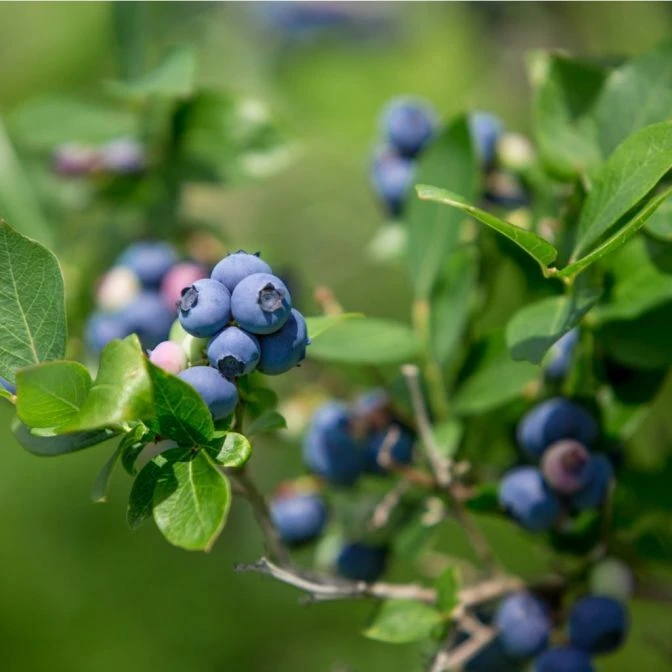
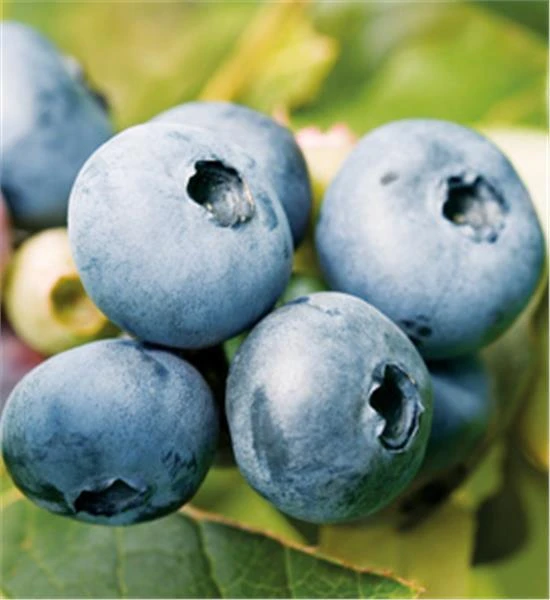
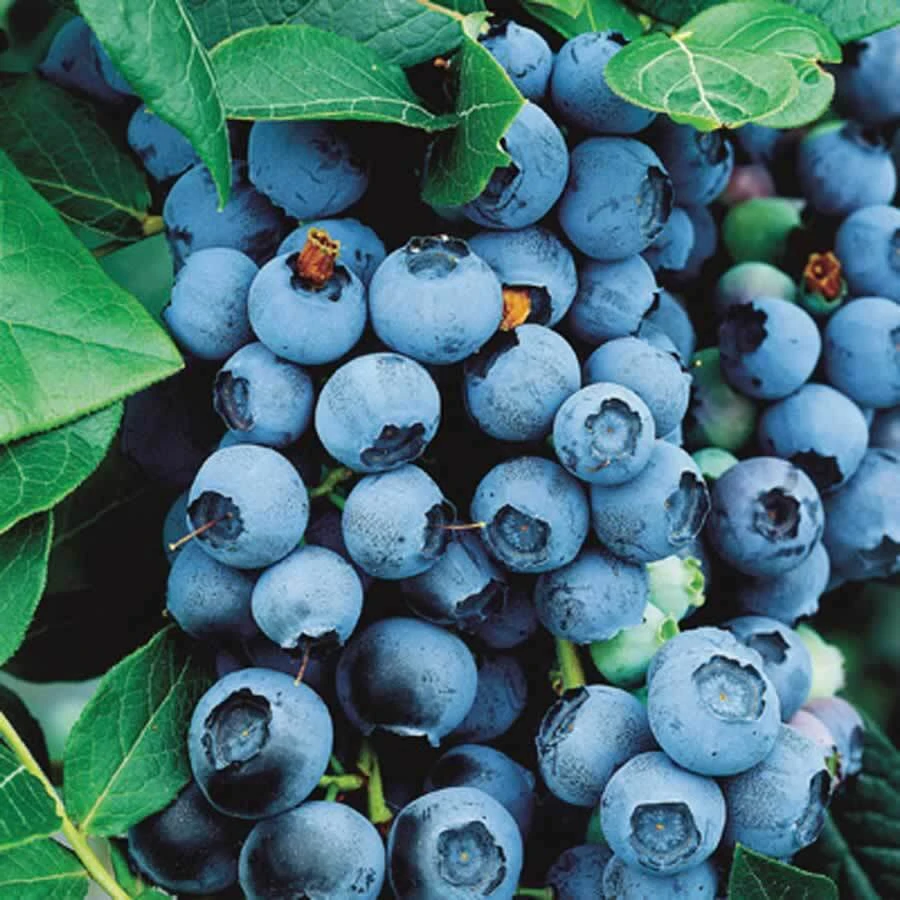
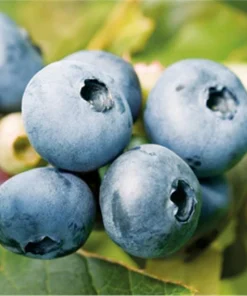
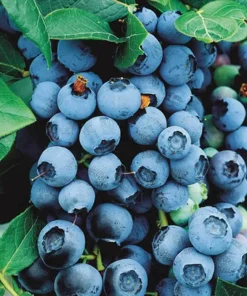
Bluecrop Northern Highbush Blueberry Live Plant – 2 Year Old Bush – Outdoor Edible Fruit
Original price was: $85.96.$65.96Current price is: $65.96.
Bring home a healthy bluecrop blueberry live plant, a 2-year-old Northern Highbush variety. This robust plant is perfect for your outdoor garden, producing delicious, edible blue fruits. Enjoy the beauty and bounty of your own fresh blueberries with proper care and full sun exposure.
Estimated arrival
Oct 25
Oct 30 - Nov 01
Nov 04 - Nov 08
Shop With Confidence
30-Day Plant Health Guarantee
Arrives damaged? We’ll replace it free — see our return policy.
Responsive Support
Email us anytime, we reply within 1 business day.
Expert Packaging
Temperature-controlled shipping to protect your plants in transit.
Secure Checkout
Pay safely with Visa, Mastercard, PayPal.
Plant Specifications
-
USDA Hardiness Zone
USDA Zones 4-7 -
Soil Type
Acidic, well-draining soil -
Sunlight Exposure
Full Sun -
Expected Planting Period
Spring or Fall
Overview
Cultivate your own delicious harvest with this robust bluecrop blueberry live plant. This offering is for a healthy, 2-year-old Northern Highbush Blueberry plant, renowned for its consistent yields and flavorful fruit. Bluecrop is one of the most popular and reliable blueberry varieties, prized by home gardeners and commercial growers alike for its adaptability and high-quality berries. As a live plant, it arrives ready to be integrated into your garden, providing a head start on fruit production. The Northern Highbush type is well-suited for a variety of climates, especially those with adequate chilling hours, making it a fantastic choice for many US regions. This plant will not only provide a bountiful supply of tasty blueberries but also add ornamental value to your landscape with its attractive foliage and seasonal interest.
The bluecrop blueberry live plant is an excellent addition for anyone looking to grow their own fresh fruit. Its strong root system and established age mean it’s more resilient and quicker to bear fruit than younger plants. Enjoy the satisfaction of picking your own sweet, juicy blueberries right from your backyard. This variety is known for its firm, medium-sized berries that are perfect for eating fresh, baking, or preserving. Invest in a plant that promises years of enjoyment and a continuous supply of healthy, homegrown produce.
Key Benefits
Adding a bluecrop blueberry live plant to your garden offers numerous advantages, from delicious fruit to aesthetic appeal. This particular variety is celebrated for its ease of care and reliable performance, making it a favorite among gardeners.
- Abundant Edible Fruit: Enjoy a prolific yield of medium-to-large, sweet, and slightly tart blueberries, perfect for fresh eating, baking, jams, and freezing. Growing your own ensures the freshest possible produce.
- Excellent Garden Performance: The Bluecrop variety is known for its vigor, cold hardiness, and disease resistance, making it a dependable choice for many growing conditions. It’s a proven performer in various climates.
- Ornamental Appeal: Beyond its fruit, the northern highbush blueberry offers attractive green foliage that turns brilliant shades of red and orange in the fall, adding seasonal color to your landscape.
- Pollinator Friendly: Its delicate white-pink flowers in spring attract bees and other beneficial pollinators, contributing to a healthy garden ecosystem and ensuring good fruit set.
- Healthy and Nutritious: Blueberries are packed with antioxidants, vitamins, and fiber, contributing to a healthy diet. Growing your own means access to organic, chemical-free fruit.
- Long Lifespan: With proper care, a bluecrop blueberry live plant can produce fruit for many years, becoming a long-term investment in your home garden.
- Adaptable to Containers: While ideal for in-ground planting, this blueberry bush can also thrive in large containers, making it suitable for patios or smaller spaces.
Plant Care & Growing Tips
Caring for your bluecrop blueberry live plant is straightforward, especially when you understand its specific needs. These plants thrive in acidic soil with good drainage. Before planting, consider a soil test to determine your soil’s pH; blueberries prefer a pH between 4.5 and 5.5. If your soil is not acidic enough, amend it with peat moss, sulfur, or a specific acidifying fertilizer. Ensure the planting site receives at least 6-8 hours of direct sunlight daily for optimal fruit production. While the plant is 2 years old and established, providing the right environment from the start will ensure its success.
Watering is crucial, especially during dry spells and fruit development. Blueberries have shallow root systems, so they require consistent moisture but dislike soggy conditions. Aim for about 1 inch of water per week, either from rainfall or irrigation. Mulching with pine needles, wood chips, or shredded leaves can help retain soil moisture, suppress weeds, and maintain soil acidity. Fertilize in early spring with an acid-loving plant fertilizer, following package directions. Pruning is important for fruit production and plant health; remove dead, damaged, or weak canes in late winter to encourage new growth and better yields. Understanding blueberry plant care is key to a bountiful harvest.
Protect your northern highbush blueberry from birds, which are often eager to share your harvest. Netting can be an effective solution as the berries begin to ripen. While Bluecrop is known for its hardiness, providing some winter protection in colder zones can be beneficial, especially for container-grown plants. This variety is generally self-fertile, meaning a single plant can produce fruit. However, planting another blueberry variety nearby can often increase yields due to cross-pollination. Consider adding another edible fruit plants for variety and increased productivity.
Size & Details
This offering is for one bluecrop blueberry live plant, which is approximately 2 years old. At this age, the plant has developed a strong root system and is well-established, ready for transplanting into your garden or a larger container. Typical height for a 2-year-old plant can vary but usually ranges from 12 to 18 inches, with a similar spread, though exact dimensions will depend on recent growth and pruning. Bluecrop blueberry bushes can eventually reach a mature height of 5-7 feet tall and wide, making them a significant addition to your landscape. They are known for a moderate growth rate, and with proper care, you can expect fruit production to increase significantly in the coming years.
The plant will be shipped in a nursery pot, ensuring its root system is protected during transit and ready for a smooth transition to its new home. Expect the plant to establish quickly and begin producing fruit within a year or two of planting, with increasing yields as it matures. This bluecrop blueberry live plant is a long-term investment, providing fresh, healthy fruit for decades with appropriate cultivation. Its robust nature and established size make it an appealing choice for gardeners eager to enjoy homegrown blueberries without the wait of starting from a much smaller plant.
Frequently Asked Questions
- Q: How big will this 2-year-old Bluecrop blueberry plant be when it arrives? A: Your bluecrop blueberry live plant will typically arrive at a height of 12-18 inches, having a well-established root system from its two years of growth. Exact size can vary slightly based on seasonal growth and individual plant development.
- Q: Is this an indoor or outdoor plant? A: The northern highbush blueberry is an outdoor plant that requires full sun exposure and specific chilling hours during winter to produce fruit. It is not suitable for continuous indoor growing.
- Q: How much sunlight does a Bluecrop blueberry need? A: For optimal fruit production, your bluecrop blueberry live plant needs at least 6-8 hours of direct sunlight per day. A sunny location is crucial for a bountiful harvest.
- Q: Is this plant easy to care for? A: Bluecrop blueberries are considered relatively easy to care for, especially if their specific soil pH and watering needs are met. They are a good choice for gardeners looking for reliable edible fruit plants with moderate maintenance.
- Q: What condition will the plant arrive in? A: The plant will be shipped as a healthy, live 2-year-old plant in a nursery pot, with its root system protected. It will be carefully packaged to ensure it arrives in good condition, ready for planting.
- Q: When is the best time to plant this blueberry bush? A: The best time to plant your bluecrop blueberry live plant is in early spring or late fall, allowing the roots to establish before extreme summer heat or winter cold.
- Q: What kind of soil does this blueberry plant prefer? A: Bluecrop blueberries thrive in acidic soil with a pH between 4.5 and 5.5. It’s essential to ensure the soil is well-draining and rich in organic matter for healthy growth and fruit production.
- Q: Will I get fruit the first year after planting? A: While your 2-year-old bluecrop blueberry live plant is established, it may produce a small amount of fruit in its first year after planting. Yields will significantly increase in subsequent years as the plant matures.
- Q: Is this blueberry variety self-pollinating? A: Yes, Bluecrop is generally self-fertile, meaning a single plant can produce fruit. However, planting another blueberry variety nearby can often lead to larger and more consistent harvests through cross-pollination.
- Q: What is the USDA hardiness zone for this plant? A: The bluecrop blueberry live plant is typically hardy in USDA Zones 4-7, making it suitable for a wide range of climates across the United States.
Be the first to review “Bluecrop Northern Highbush Blueberry Live Plant – 2 Year Old Bush – Outdoor Edible Fruit”
People Also Viewed
Fruits
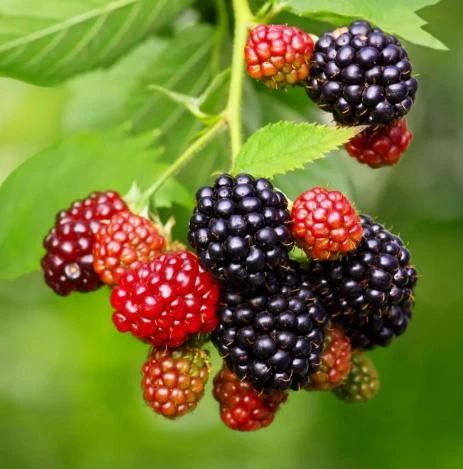
Chester Blackberry Plant Live – Thornless Fruit Bush, Set of 2, 4-6 Inch Tall, Outdoor Garden
Reviews
There are no reviews yet.