
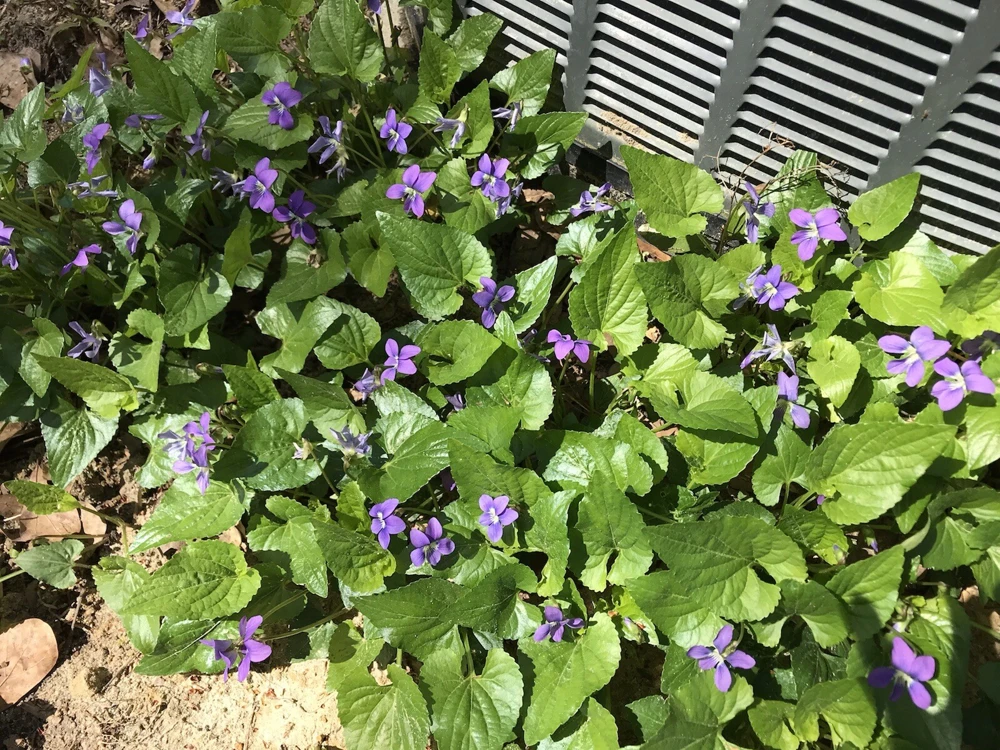
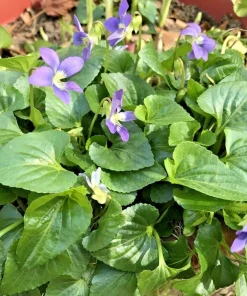
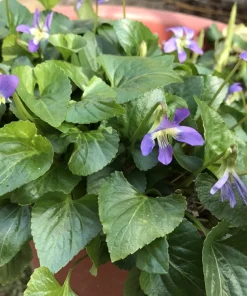
Purple Wild Violet Bare Root Plants – 12 Count Perennial, Easy Grow, Indoor/Outdoor
Original price was: $60.99.$40.99Current price is: $40.99.
Introduce beautiful purple wild violet plants to your garden with this convenient 12-count pack of bare root perennials. Known for their charming blooms and robust nature, these easy grow perennials thrive in various conditions, making them ideal for both novice and experienced gardeners. Perfect for ground cover or adding a touch of natural beauty.
Estimated arrival
Oct 10
Oct 15 - Oct 17
Oct 20 - Oct 24
Shop With Confidence
30-Day Plant Health Guarantee
Arrives damaged? We’ll replace it free — see our return policy.
Responsive Support
Email us anytime, we reply within 1 business day.
Expert Packaging
Temperature-controlled shipping to protect your plants in transit.
Secure Checkout
Pay safely with Visa, Mastercard, PayPal.
Plant Specifications
-
USDA Hardiness Zone
unknown -
Soil Type
Chalk, Clay, Loam, Peat -
Sunlight Exposure
Partial Shade -
Expected Planting Period
Spring, Summer
Overview
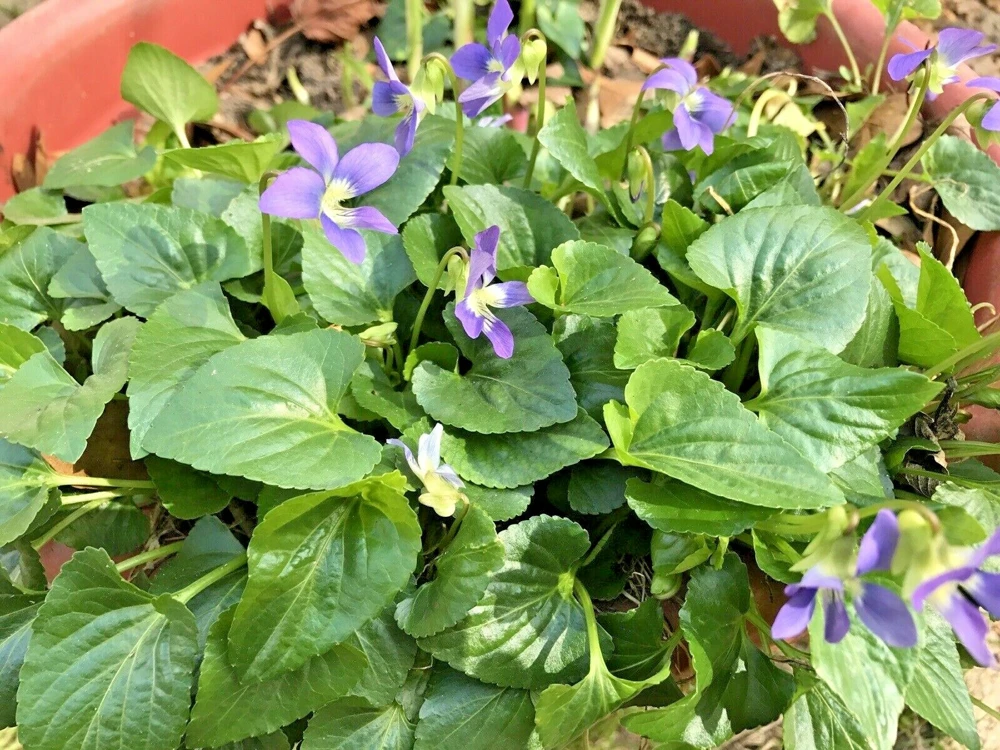
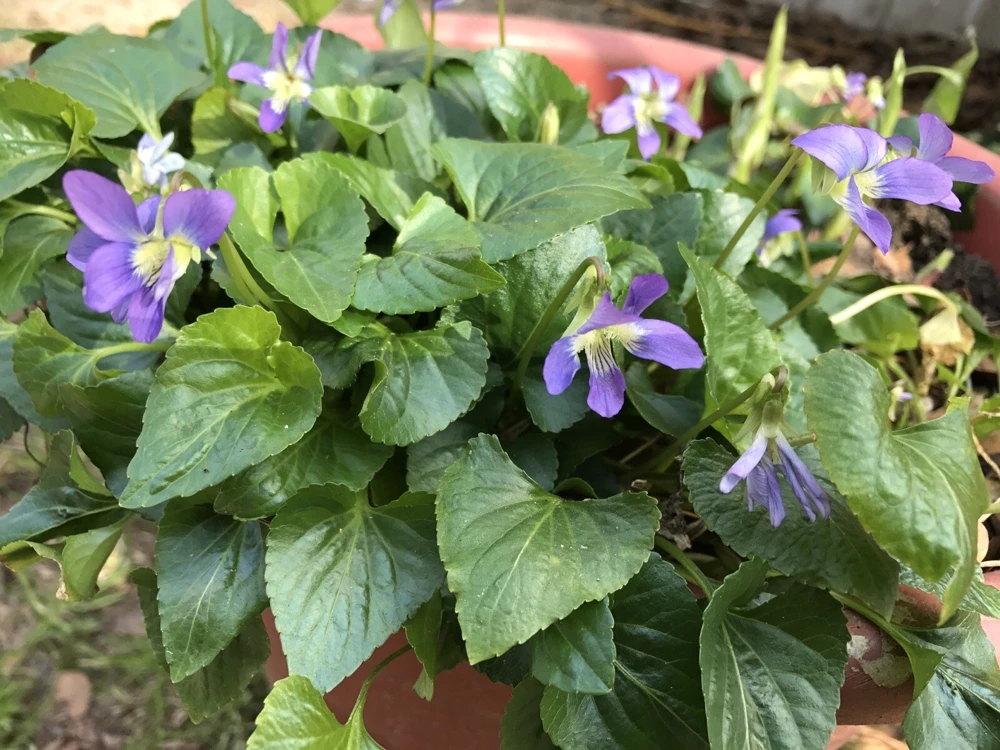
Discover the charm of purple wild violet plants, a delightful addition to any garden or naturalized area. These hardy perennials, botanically known as Viola, are celebrated for their distinctive purple blooms and heart-shaped foliage. Our offering includes 12 bare root plants, ready to be established in your landscape. Wild violets are known for their resilience and ability to spread, creating a beautiful carpet of color. They are an excellent choice for gardeners seeking low-maintenance yet visually appealing flora. Often found in woodland settings, these viola bare root plants bring a touch of the wild indoors or out, flourishing in a variety of light conditions.
These particular purple wild violet plants are freshly dug upon order, ensuring you receive the freshest possible specimens for planting. Their clumping growth habit makes them excellent for filling in spaces, under trees, or along borders. With their ability to self-seed and spread, they can quickly establish a naturalized look, providing continuous beauty year after year. Perfect for creating a serene and natural aesthetic in your garden.
Key Benefits
Adding purple wild violet plants to your garden offers numerous advantages, from their aesthetic appeal to their ecological contributions. These benefits make them a favored choice for many gardeners:
- Vibrant Purple Blooms: Enjoy a cascade of beautiful purple flowers throughout the spring and summer seasons, adding a splash of color to your landscape. The delicate appearance of these blooms belies their hardy nature, making them a joy to behold.
- Excellent Ground Cover: Their clumping and spreading growth habit makes them perfect for naturalizing areas, covering bare patches, or creating a lush underplanting beneath taller shrubs and trees. They suppress weeds naturally.
- Easy Grow Perennials: These plants are incredibly forgiving and require minimal attention once established. They are ideal for gardeners of all skill levels, offering maximum beauty with minimal effort, truly living up to their name as easy grow perennials.
- Indoor & Outdoor Versatility: While primarily an outdoor plant, wild violets can also be grown indoors in containers, allowing you to enjoy their beauty year-round. This versatility makes them a great option for various gardening setups.
- Child and Pet Safe Plants: Violets are known to be non-toxic, making them a safe choice for gardens where children and pets play. You can rest assured knowing your loved ones are safe around these beautiful flowers, making them ideal pet safe plants.
- Attracts Pollinators: The flowers provide an early nectar source for bees and other beneficial pollinators, contributing to the biodiversity and health of your garden ecosystem. They support local wildlife.
- Low Water Requirements: Once established, wild violets are quite drought-tolerant, requiring minimal watering, especially if planted in shaded areas. This makes them a sustainable choice for water-wise gardening.
Plant Care & Growing Tips
Caring for your purple wild violet plants is straightforward, ensuring a beautiful display with minimal effort. These hardy perennials are quite adaptable, but providing optimal conditions will encourage the most vigorous growth and abundant blooms. They thrive in temperate climates and are well-suited for a wide range of garden types.
For sunlight, wild violets prefer partial shade to areas under trees. While they can tolerate some sun, especially in cooler climates, too much direct afternoon sun can scorch their leaves. They are excellent choices for those tricky shaded spots where other plants struggle. When it comes to watering, they prefer consistently moist but not waterlogged soil, especially during establishment. Once mature, they are quite drought-tolerant, only requiring minimal watering if needed at all; often, natural rainfall suffices. The common advice is to ‘plant outside & forget’ for their water needs.
Soil type is another crucial factor. Wild violets are adaptable but prefer rich, well-draining soil. They can grow in chalk, clay, loam, and peat. Ensuring good drainage is key to preventing root rot. You can amend heavy clay soils with organic matter to improve structure, or add compost to sandy soils to improve water retention. Fertilization is generally not necessary for established plants, as they are quite self-sufficient, especially in nutrient-rich soils. If your soil is particularly poor, a light application of a balanced, slow-release fertilizer in early spring can be beneficial. These easy grow perennials are quite resilient and generally pest-free, making their care simple and rewarding. For the best wild violet care, focus on consistent moisture during the first few weeks after planting and appropriate light conditions.
Size & Details
This offering includes a bundle of 12 purple wild violet plants, provided in a bare root form. Each plant measures approximately 4 inches in height at the time of shipping, ensuring they are a manageable size for planting. The bare root format allows for easy transplanting and quick establishment in your garden. These plants exhibit a clumping growth habit, with foliage that dies off in winter and sprouts new leaves in spring, signaling their perennial nature. They are known for a medium growth rate, allowing them to establish and spread effectively over time, creating a dense and attractive ground cover.
The common name for these plants is Common Wild Violet, with the genus being Viola. They are shipped freshly dug to ensure optimal health and vitality upon arrival. While the specific species is unknown, they will produce characteristic purple flowers. This bundle provides a generous quantity for starting a new bed or expanding an existing one, offering a wonderful way to introduce these charming flowers to your outdoor space. The viola bare root form is convenient for planting directly into your desired location.
Frequently Asked Questions
- Q: How big do these purple wild violet plants get? A: These purple wild violet plants typically grow to about 4-6 inches tall and spread to form clumps. Their clumping growth habit means they will gradually expand to cover an area, making them excellent for ground cover.
- Q: Is this an indoor or outdoor plant? A: While primarily an outdoor plant, thriving in gardens and naturalized areas, wild violets can also be grown indoors in pots. They are quite versatile and can adapt to different environments if their basic needs are met.
- Q: How much sunlight do these easy grow perennials need? A: These easy grow perennials prefer partial shade to areas under trees. They can tolerate some morning sun but should be protected from harsh afternoon sun, especially in warmer climates, to prevent leaf scorch.
- Q: What condition will the plants arrive in? A: The viola bare root plants are shipped freshly dug from the ground after your order is placed. This ensures you receive healthy, vigorous plants ready for immediate planting and establishment in your garden.
- Q: Are purple wild violet plants pet safe plants? A: Yes, wild violets are generally considered non-toxic and are safe for both children and pets. This makes them a great choice for family gardens where safety is a concern, qualifying them as true pet safe plants.
- Q: When is the best time to plant these bare roots? A: The best time to plant wild violet bare roots is typically in the spring or fall, allowing them to establish before extreme temperatures. However, because they are shipped freshly dug, they can be planted upon arrival during suitable growing seasons.
- Q: What kind of soil is best for wild violet care? A: For optimal wild violet care, they prefer well-draining soil that is rich in organic matter. They are adaptable to various soil types including chalk, clay, loam, and peat, as long as drainage is adequate.
Be the first to review “Purple Wild Violet Bare Root Plants – 12 Count Perennial, Easy Grow, Indoor/Outdoor”
People Also Viewed

Reviews
There are no reviews yet.