








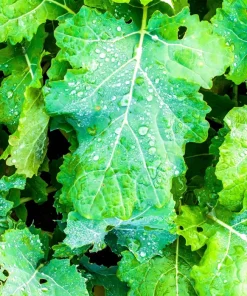
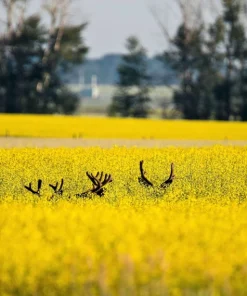




Wichita Winter Canola Seeds – 1000 Count Brassica Napus Cover Crop
Original price was: $36.99.$16.99Current price is: $16.99.
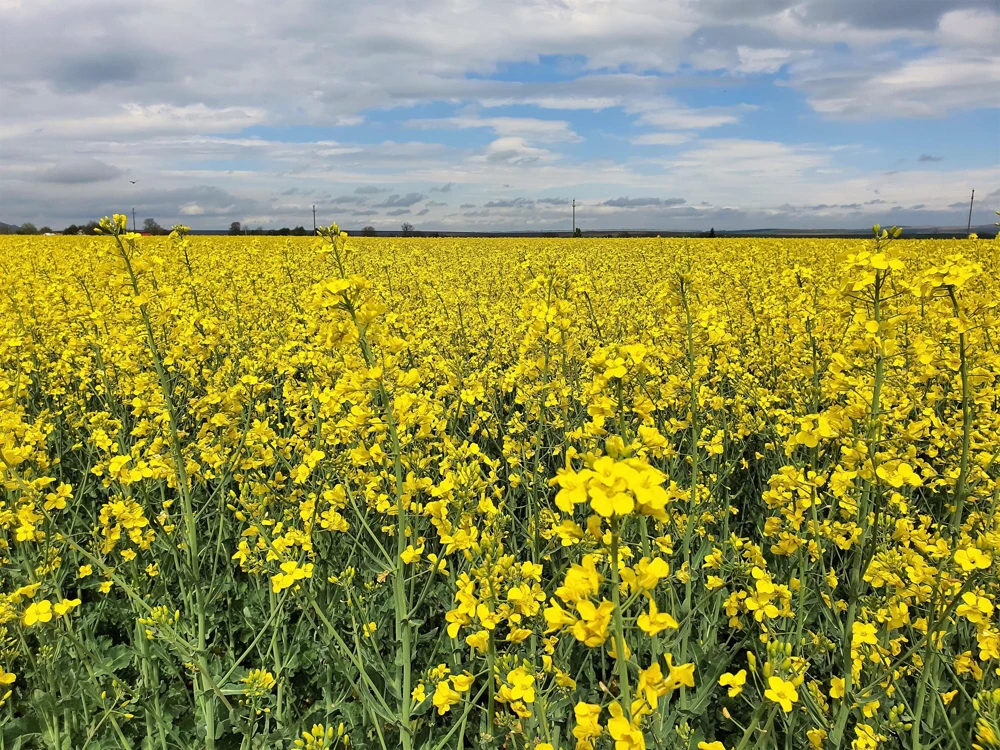
Cultivate a vibrant and beneficial cover crop with wichita winter canola seeds. This pack contains 1,000 high-quality brassica napus seeds, perfect for improving soil health and providing forage. Enjoy beautiful yellow flowers in late spring from these robust plants.
Estimated arrival
Sep 14
Sep 19 - Sep 21
Sep 24 - Sep 28
Shop With Confidence
30-Day Plant Health Guarantee
Arrives damaged? We’ll replace it free — see our return policy.
Responsive Support
Email us anytime, we reply within 1 business day.
Expert Packaging
Temperature-controlled shipping to protect your plants in transit.
Secure Checkout
Pay safely with Visa, Mastercard, PayPal.
Plant Specifications
-
USDA Hardiness Zone
unknown -
Soil Type
average, well-draining soil -
Sunlight Exposure
full sun -
Expected Planting Period
6 weeks before first killing frost (for winter crop)
Overview
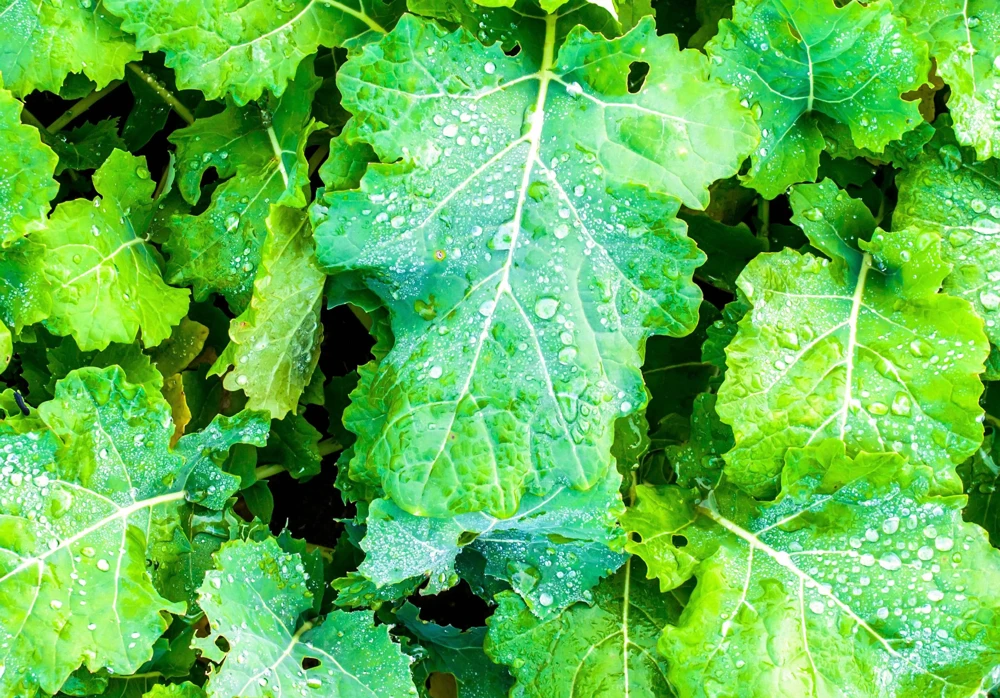
Enhance your garden or farm with premium wichita winter canola seeds, specifically the ‘Wichita’ variety of Brassica Napus. These seeds are an excellent choice for those looking to establish a resilient and beneficial cover crop. Known for its vigorous growth and ability to thrive in cooler temperatures, ‘Wichita’ winter canola effectively suppresses weeds, reduces soil erosion, and adds organic matter back into the soil. With 1,000 seeds per pack, you’ll have ample supply to cover a significant area, contributing to a healthier and more sustainable growing environment. The plants produce striking yellow flowers in late spring, adding aesthetic appeal while also attracting beneficial pollinators.
The ‘Wichita’ variety is well-regarded for its hardiness and reliable performance as a winter cover crop. Planting these brassica napus seeds before the first killing frost allows them to establish a strong root system, protecting your soil throughout the colder months. Beyond its agricultural benefits, this canola variety also offers a beautiful display of yellow blooms, making it a versatile addition to various landscapes. Whether you’re a seasoned farmer or a home gardener, these seeds provide a straightforward solution for improving soil structure and fertility.
Key Benefits
Choosing wichita winter canola seeds for your planting needs offers a multitude of advantages for both soil health and ecosystem support. The robust nature of these plants contributes significantly to sustainable gardening and farming practices.
- Soil Improvement: As a cover crop, ‘Wichita’ winter canola deeply roots into the soil, breaking up compaction and improving aeration. When tilled under, it enriches the soil with organic matter, boosting fertility and structure. This makes it an ideal choice for long-term soil health.
- Weed Suppression: The dense growth of canola plants effectively smothers out competing weeds, reducing the need for herbicides and making subsequent planting seasons easier. This natural weed control is a major benefit for organic growers.
- Erosion Control: Planting cover crop seeds like ‘Wichita’ winter canola helps to protect bare soil from wind and water erosion, especially crucial during winter months when fields might otherwise be exposed. This prevents valuable topsoil loss.
- Pollinator Attraction: The bright yellow flowers that emerge in late spring are a magnet for bees and other beneficial pollinators, supporting local ecosystems and potentially increasing yields of nearby crops. This contributes to biodiversity in your garden or farm.
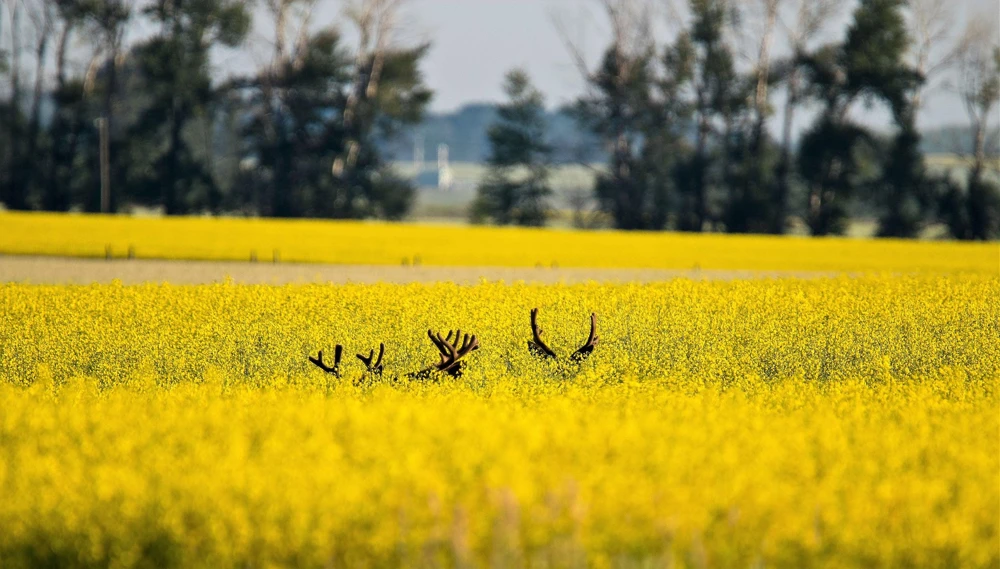
- Forage Potential: Beyond its cover crop uses, ‘Wichita’ canola can also serve as a valuable forage crop for livestock, providing nutritious green matter during cooler seasons. This adds an extra layer of utility to your planting.
- Nitrogen Fixation: While not a legume, Brassica Napus can contribute to nutrient cycling, making nutrients more available in the soil for future crops. This further enhances the value of growing canola as a cover crop.
- Pest and Disease Management: Some studies suggest that Brassica cover crops can help suppress certain soil-borne pests and diseases through biofumigation, contributing to healthier plants overall.
Plant Care & Growing Tips
Successful establishment of your wichita winter canola seeds begins with proper timing and preparation. For winter crops, sow the seeds approximately 6 weeks before your region’s first killing frost date. This allows sufficient time for germination and initial growth, ensuring the plants are robust enough to withstand winter conditions. The ideal planting depth is typically around 1/2 inch in well-prepared soil. Uniform distribution of these brassica napus seeds is key for an even stand, whether broadcast or drilled in rows. Good seed-to-soil contact is essential for optimal germination.
Once established, ‘Wichita’ winter canola is relatively low-maintenance. It prefers areas with full sun exposure, meaning at least 6 hours of direct sunlight per day. While adaptable to average soil conditions, it thrives in well-draining soil that is not overly wet. Consistent moisture during the germination and early growth stages is important, but mature plants exhibit good drought tolerance. Fertilization is generally not heavily required when used as a cover crop, as its primary role is to improve soil health. However, a soil test can help determine if any specific nutrient deficiencies need to be addressed. Monitor for common brassica pests, though as a cover crop, minor damage is often acceptable. Proper rotation with other non-brassica crops can help prevent disease build-up, ensuring the continued benefits of growing canola.
Size & Details
This package contains 1,000 wichita winter canola seeds, providing ample material for cover cropping or small-scale cultivation. The plants typically reach a height of 2 to 4 feet, though under optimal conditions and with extended growth, they can grow up to 6 feet tall. When planting in rows, a spacing of 6 to 12 inches between plants is recommended to allow for adequate development. The characteristic yellow flowers bloom in late spring, signaling the plant’s maturity. The harvest period, if grown for oilseed, typically occurs around 160 days after planting. These seeds are shipped as a dry seed packet, ready for planting immediately upon arrival. Expect vigorous growth and a strong root system, contributing significantly to soil health and structure.
Frequently Asked Questions
- Q: How many seeds are included in this pack? A: This package contains 1,000 wichita winter canola seeds, providing a generous quantity for your planting needs.
- Q: When is the best time to plant these seeds? A: For winter crops, it’s best to plant the wichita winter canola seeds about 6 weeks before your area’s first killing frost date to ensure good establishment.
- Q: How tall does ‘Wichita’ canola grow? A: These plants typically grow to a height of 2 to 4 feet, but can reach up to 6 feet under ideal conditions.
- Q: Are these suitable for improving soil? A: Yes, ‘Wichita’ winter canola is an excellent cover crop seeds choice, known for improving soil structure, suppressing weeds, and adding organic matter.
- Q: What are the light requirements for these seeds? A: ‘Wichita’ winter canola thrives in full sun, requiring at least 6 hours of direct sunlight daily for optimal growth.
- Q: What kind of soil does ‘Wichita’ canola prefer? A: It prefers average soil conditions but performs best in well-draining soil. Avoid overly wet conditions for healthy plant development.
- Q: Do these plants attract pollinators? A: Yes, the vibrant yellow flowers of ‘Wichita’ canola are very attractive to bees and other beneficial pollinators in late spring.
- Q: Is ‘Wichita’ canola suitable for growing in all USDA zones? A: While specific zone information is not provided, growing canola as a winter cover crop is generally suited for regions with moderate winters where it can establish before hard freezes.
- Q: How long does it take for the plants to mature? A: If grown for harvest, the plants typically reach maturity around 160 days. As a cover crop, you can terminate them earlier based on your rotational needs.
- Q: Can these seeds be used for oil production? A: Yes, as a Brassica napus variety, these seeds can be used for oilseed production, though their primary use as listed is for cover cropping.
Be the first to review “Wichita Winter Canola Seeds – 1000 Count Brassica Napus Cover Crop”
People Also Viewed

Flower Plants
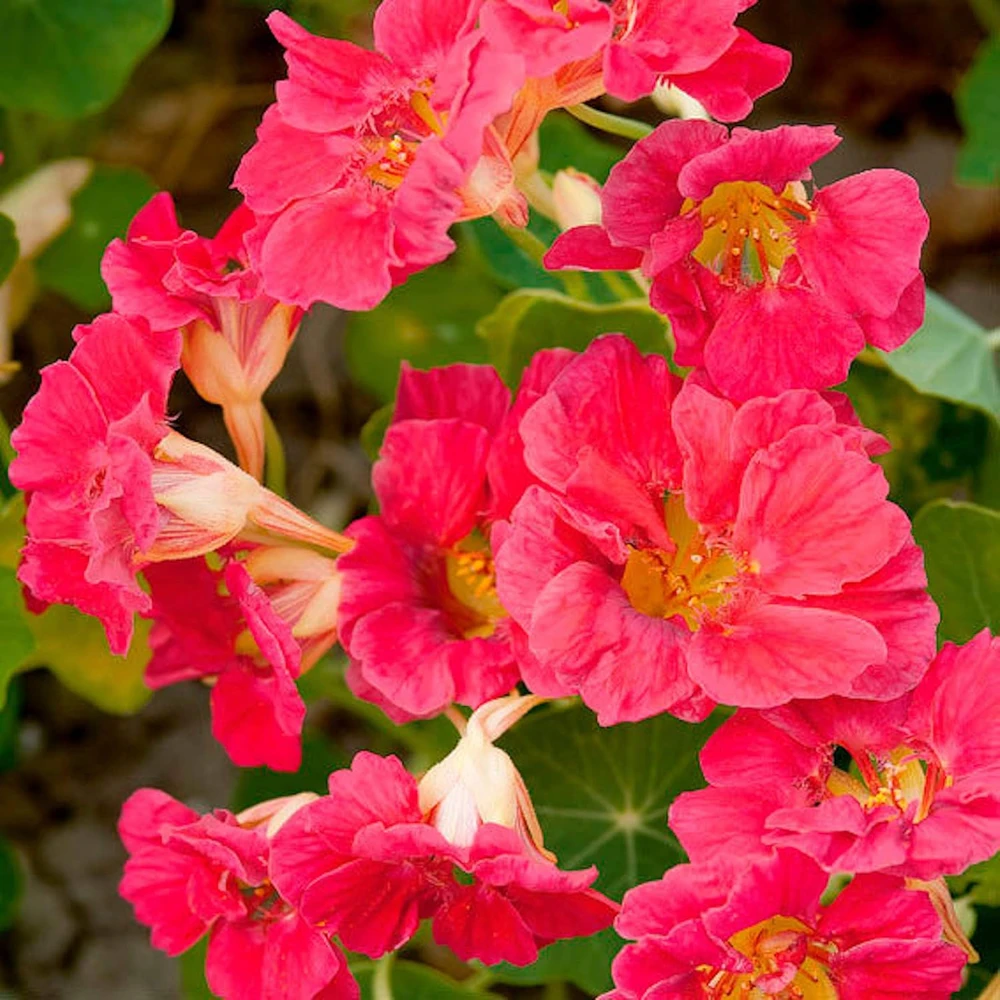
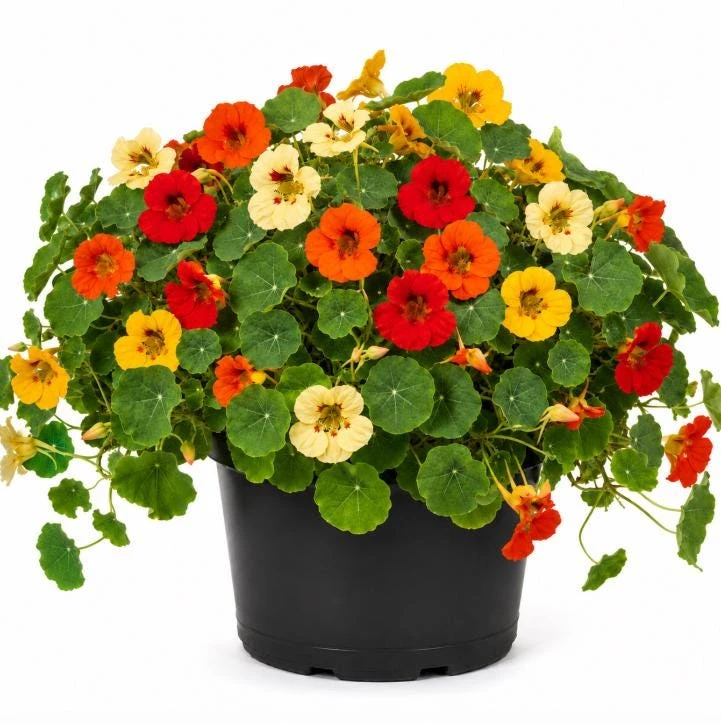
Whirly Bird Nasturtium Live Plants – 2 Pack Seedlings, 3-5 Inches Tall, Colorful Flowers
Reviews
There are no reviews yet.