

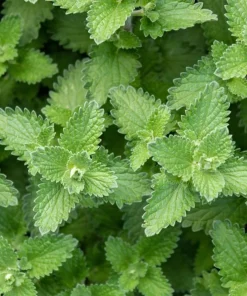
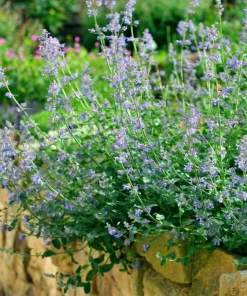
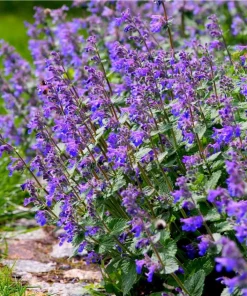
4 Catnip Live Plants – Perennial Herb for Home Garden – 4-8 Inches Tall
Original price was: $53.99.$28.99Current price is: $28.99.
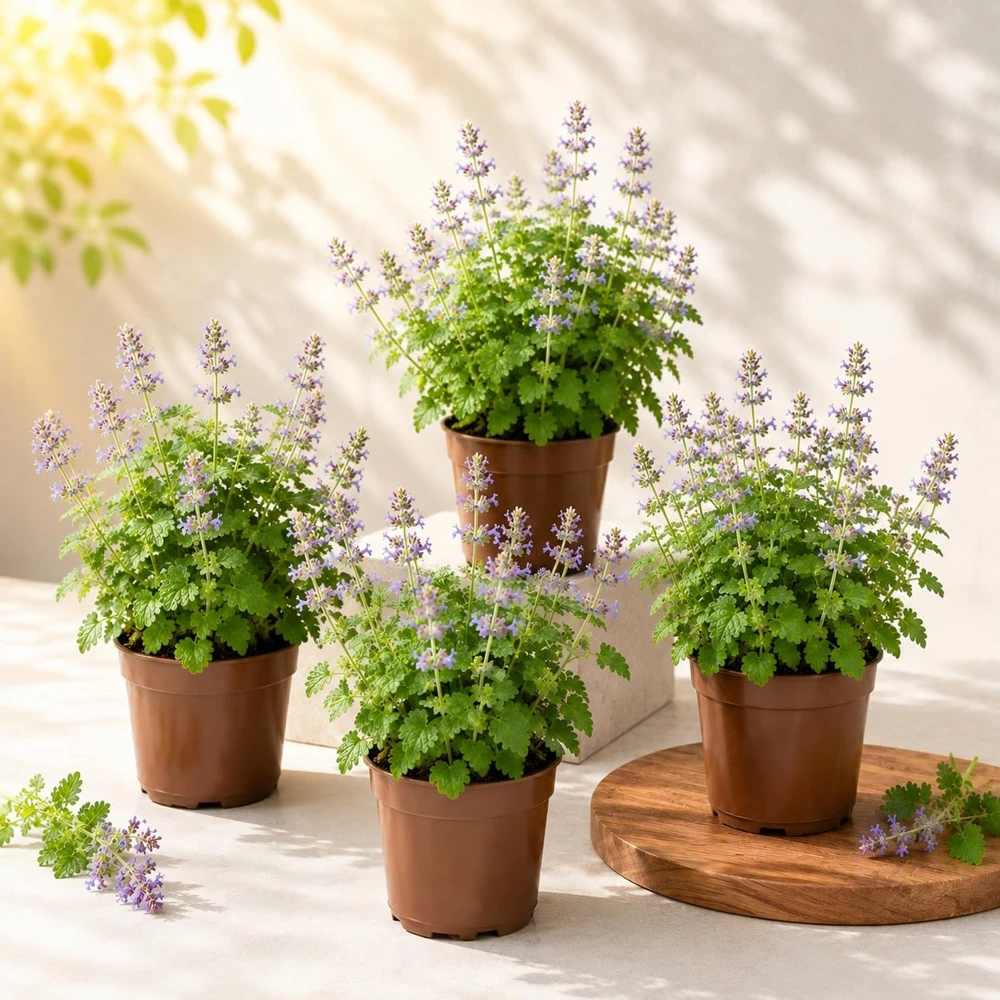
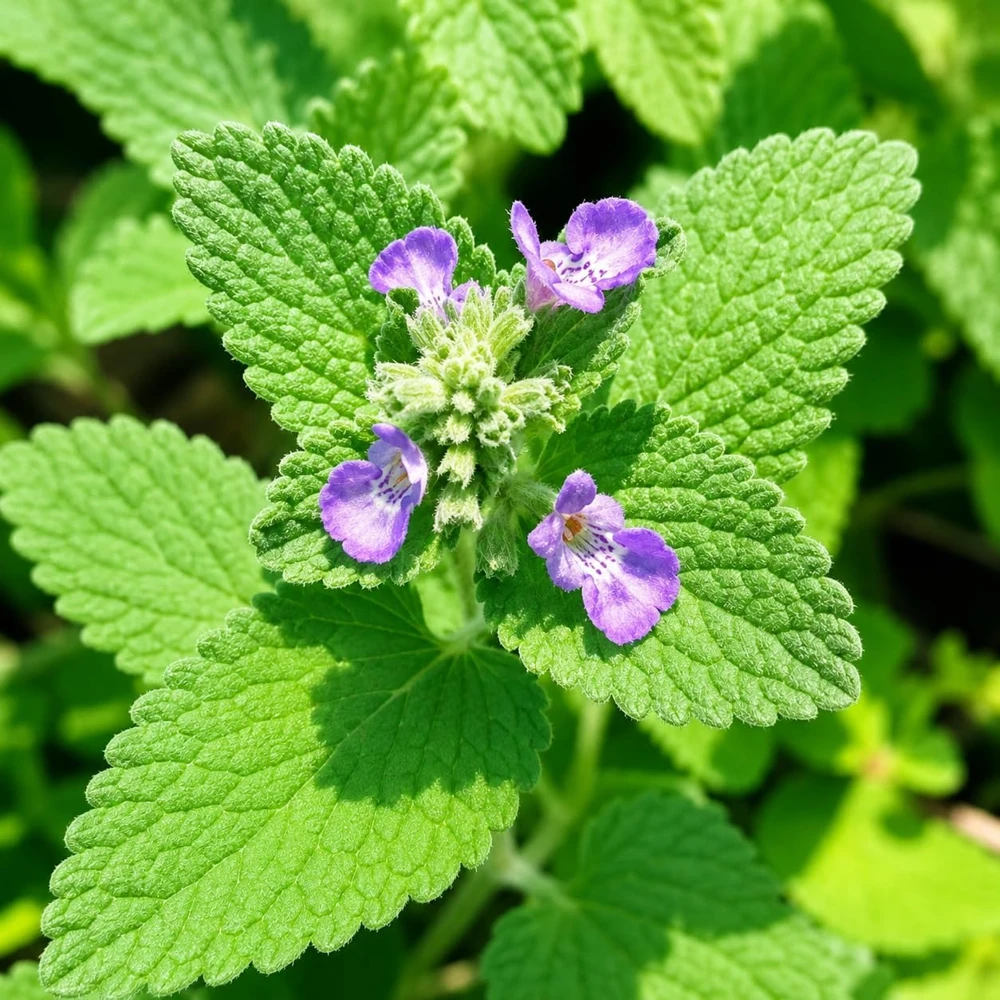
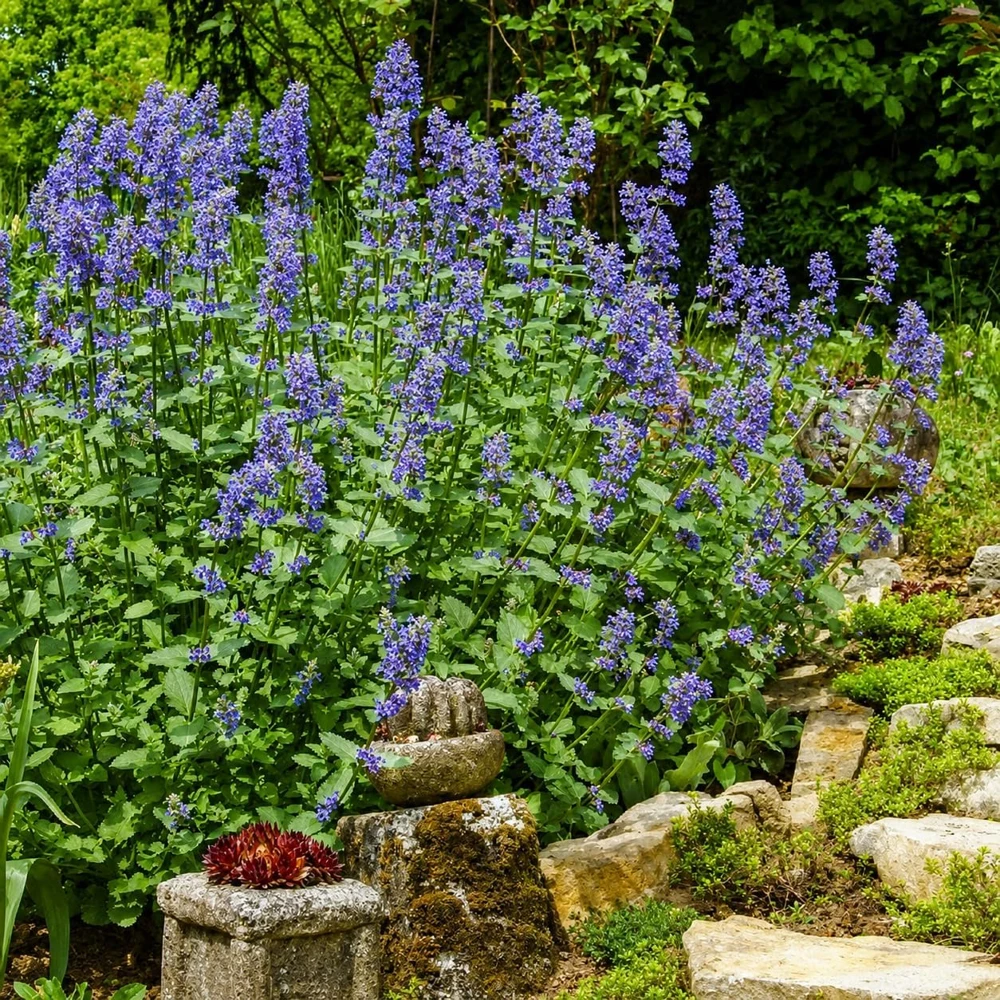
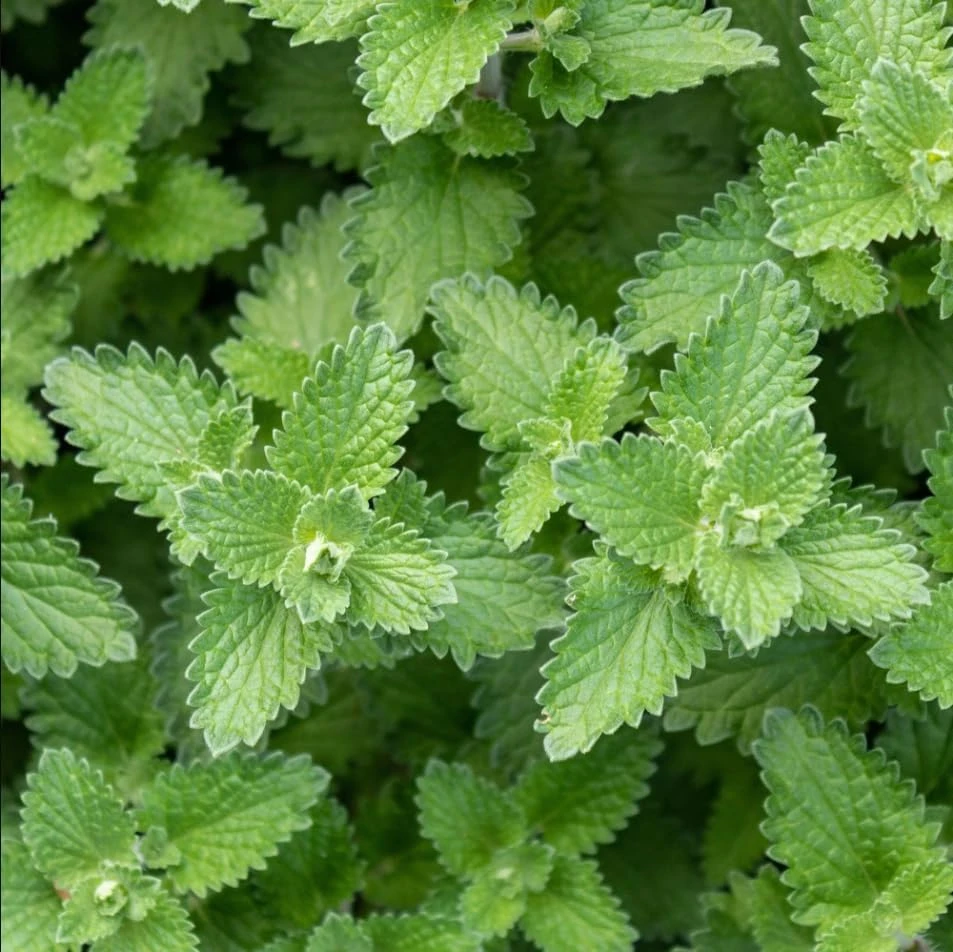
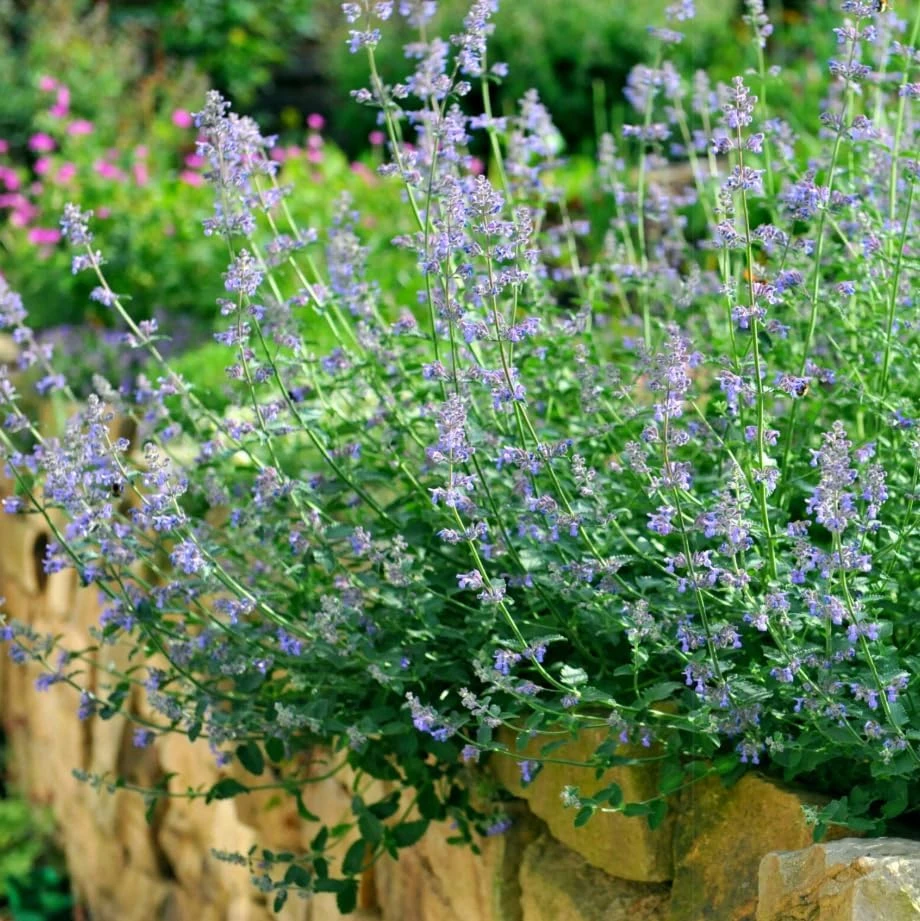
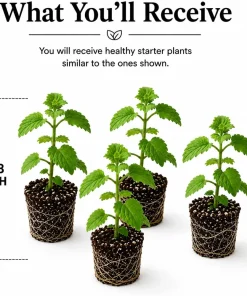
Introduce the joy of catnip live plants to your home garden with this pack of 4. These perennial catnip herbs, standing 4-8 inches tall, are perfect for attracting feline friends and beneficial pollinators. Easy to grow and maintain, they thrive in various conditions.
Estimated arrival
Oct 27
Nov 01 - Nov 03
Nov 06 - Nov 10
Shop With Confidence
30-Day Plant Health Guarantee
Arrives damaged? We’ll replace it free — see our return policy.
Responsive Support
Email us anytime, we reply within 1 business day.
Expert Packaging
Temperature-controlled shipping to protect your plants in transit.
Secure Checkout
Pay safely with Visa, Mastercard, PayPal.
Plant Specifications
-
USDA Hardiness Zone
3–9 -
Soil Type
Well-draining soil -
Sunlight Exposure
Full Sun to Partial Shade -
Expected Planting Period
Late spring to early fall (blooming season), Spring/Fall (planting)
Overview
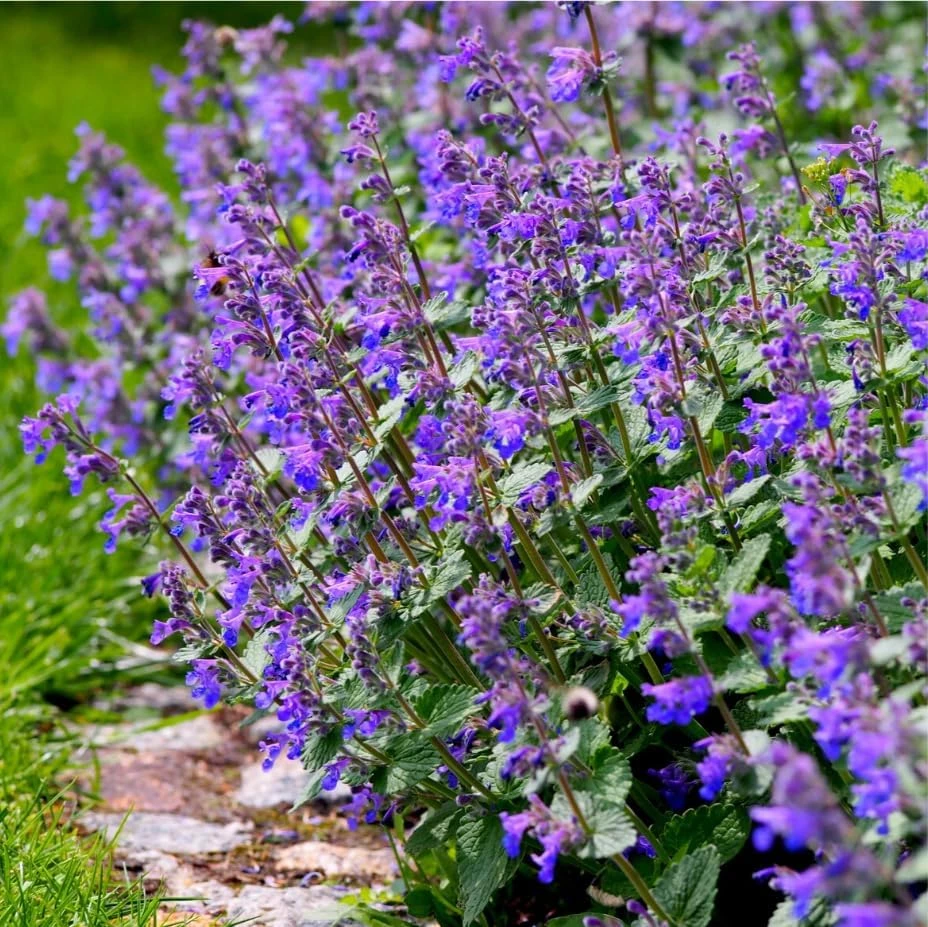
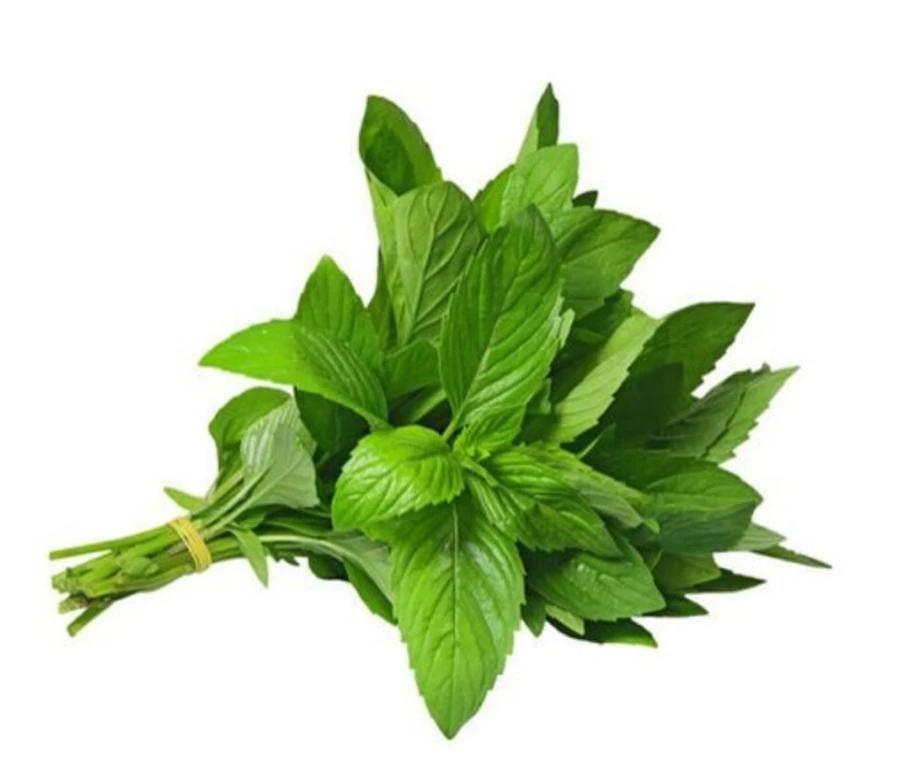
Discover the delightful addition of catnip live plants to your home garden. This pack includes four healthy, established catnip plants, each measuring between 4 and 8 inches tall. Catnip, scientifically known as Nepeta cataria, is a fragrant perennial herb cherished not only by feline companions but also by gardeners for its attractive foliage and charming blooms. These robust plants are ready for immediate planting, offering an effortless way to cultivate a thriving herb patch, whether for your pets or for its natural beauty. Catnip is renowned for its stimulating effect on cats, making it a popular choice for pet owners looking to provide natural enrichment. Beyond its appeal to cats, this versatile herb can also be used in teas or as a natural insect repellent, proving its value far beyond mere novelty. Our catnip live plants are carefully cultivated to ensure strong root systems and vigorous growth upon arrival, setting you up for gardening success.
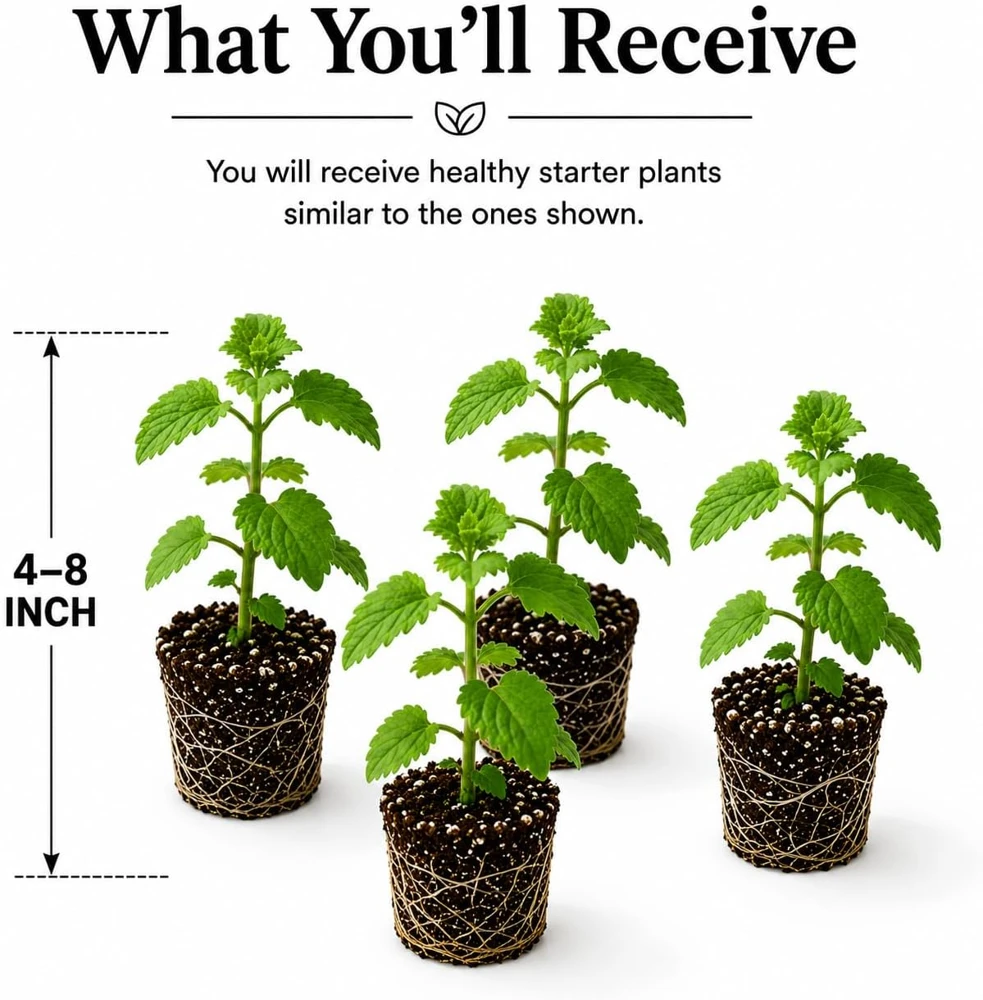
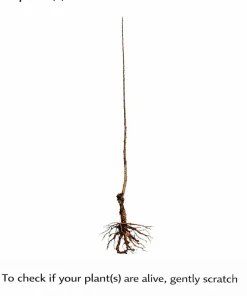
These plants are shipped without pots, ensuring minimal disturbance during transit and allowing you to plant them directly into your preferred garden spot or container. The compact size of 4-8 inches makes them ideal for transplanting and establishing quickly. Whether you’re an experienced gardener or just starting, these perennial catnip plants offer a rewarding and low-maintenance gardening experience. They are a fantastic way to introduce a touch of nature’s charm and functionality into any outdoor space, attracting beneficial insects like bees and butterflies, further enriching your garden’s ecosystem.
Key Benefits
Adding catnip live plants to your garden brings a multitude of benefits, enhancing both its aesthetic and ecological value. This pack of four ensures you have ample plants to create a significant impact.
- Feline Attraction: Known for its stimulating effect on cats, catnip provides natural entertainment and enrichment for your feline friends, encouraging play and relaxation.
- Pollinator Magnet: The small, delicate flowers of catnip are highly attractive to bees, butterflies, and other beneficial pollinators, boosting the health and productivity of your entire garden.
- Low Maintenance: As a hardy perennial catnip, these plants require minimal care once established, thriving with basic watering and sunlight, making them perfect for busy gardeners.
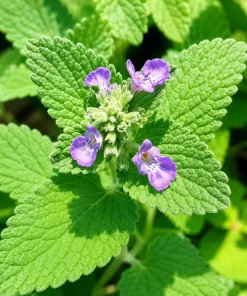
- Aromatic Foliage: The leaves of the catnip plant release a pleasant, minty aroma, adding a refreshing scent to your garden and making it a joy to be around.
- Natural Pest Repellent: Catnip is known to deter certain garden pests, offering a natural and organic way to protect your other plants without harsh chemicals.
- Versatile Use: Beyond its appeal to cats, catnip can be used to make calming herbal teas for humans or as an ingredient in homemade pest sprays, showcasing its diverse applications.
- Hardy Perennial: These plants will return year after year, providing continuous enjoyment and reducing the need for annual replanting, making them a sustainable choice for your landscape.
Plant Care & Growing Tips
Caring for your catnip live plants is straightforward, making them an excellent choice for gardeners of all skill levels. These resilient herbs thrive in a range of conditions, but providing optimal care will ensure vigorous growth and abundant foliage. For sunlight, catnip prefers full sun to partial shade, meaning it needs at least 4-6 hours of direct sunlight daily. In hotter climates, some afternoon shade can prevent scorching. Ensure your planting location receives adequate light for healthy development. The USDA Zones for catnip are 3–9, indicating its wide adaptability to various climates.
When it comes to watering, growing catnip requires well-draining soil. Water thoroughly when the top inch of soil feels dry to the touch, but avoid overwatering, as catnip does not tolerate soggy roots. Allow the soil to dry out between waterings. For soil, a general-purpose, well-draining garden soil or potting mix is ideal. Catnip is not particularly fussy about soil pH but prefers a neutral to slightly alkaline environment. Fertilization is generally not heavily required; a light application of a balanced, all-purpose fertilizer once in spring can support robust growth. Temperatures between 55 and 85 degrees Fahrenheit are ideal for active growth, though the plant can tolerate wider ranges once established. Regular pruning, especially after blooming, will encourage bushier growth and prevent the plant from self-seeding excessively, which can be useful for managing its spread in the garden. For those interested in catnip plant care, consistent moisture and plenty of light are key.
Size & Details
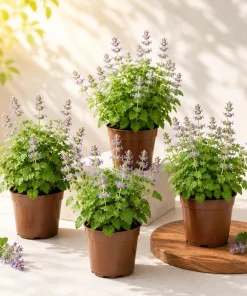
This offering includes a pack of four individual catnip live plants, each measuring approximately 4-8 inches in height upon arrival. These plants are shipped as healthy, established specimens, ready to be transplanted into your garden or containers. They are provided without pots to minimize shipping stress and allow for direct planting. Catnip is a fast-growing perennial herb that can reach mature heights of 2-3 feet and spread similarly wide, forming a dense, bushy clump over time. Expect these plants to establish quickly, typically showing new growth within a few weeks of planting. Blooming season for catnip typically occurs from late spring to early fall, producing small, delicate white to pale lavender flowers that emerge on spikes. The growth rate is moderate to fast, depending on optimal growing conditions. These plants are perfect for creating an instant herb patch or adding to existing garden beds. Understanding growing catnip means appreciating its potential for rapid establishment and sustained growth throughout the season.
Frequently Asked Questions
- Q: How big do these catnip plants get? A: Each of the catnip live plants you receive will be 4-8 inches tall. Once established in your garden, a mature catnip plant can grow to a height of 2-3 feet and spread equally wide, forming a substantial bushy perennial.
- Q: Is this an indoor or outdoor plant? A: Catnip is primarily an outdoor plant, thriving in garden beds or large containers. While it can be grown indoors, it requires significant sunlight and may not reach its full potential. It’s an excellent choice for catnip for garden settings.
- Q: How much sunlight does it need? A: These perennial catnip plants prefer full sun to partial shade. They need at least 4-6 hours of direct sunlight daily for the best growth, with some afternoon shade beneficial in very hot climates.
- Q: Is this plant easy to care for? A: Yes, catnip is known for being a very easy-to-care-for plant. It’s drought-tolerant once established and generally pest-resistant, making it suitable for beginner gardeners and those looking for low-maintenance options.
- Q: What condition will it arrive in? A: Your catnip live plants will arrive as healthy, established plants, shipped without pots to ensure safe transit. They will be carefully packaged to protect their foliage and root systems, ready for immediate planting.
- Q: When is the best time to plant catnip? A: The best time for growing catnip is in the spring after the last frost, or in early fall well before the first hard freeze. This allows the plants to establish their root systems before extreme temperatures.
- Q: Will catnip survive winter in my zone? A: Catnip is a hardy perennial in USDA Zones 3–9, meaning it will typically die back in winter and regrow from its roots in spring within these zones. In colder zones, it can be grown as an annual or brought indoors.
- Q: Is catnip pet-safe? A: While catnip is famously attractive to cats and generally considered non-toxic, excessive ingestion can sometimes lead to mild stomach upset. Always supervise pets with new plants. This is an important aspect of catnip plant care.
- Q: Does catnip attract other animals besides cats? A: Yes, beyond its appeal to cats, catnip flowers are a great source of nectar for pollinators like bees and butterflies, making it a beneficial addition to a wildlife-friendly garden.
- Q: How often should I water my catnip? A: Water your catnip live plants when the top inch of soil feels dry to the touch. It prefers well-draining soil and does not like to sit in water, so allow the soil to dry out between waterings.
Be the first to review “4 Catnip Live Plants – Perennial Herb for Home Garden – 4-8 Inches Tall”
People Also Viewed
Flower Seeds
Spotted Bee Balm Seeds – Monarda Punctata Wildflower – 50 Seed Pack – Pollinator Attractor

Reviews
There are no reviews yet.