


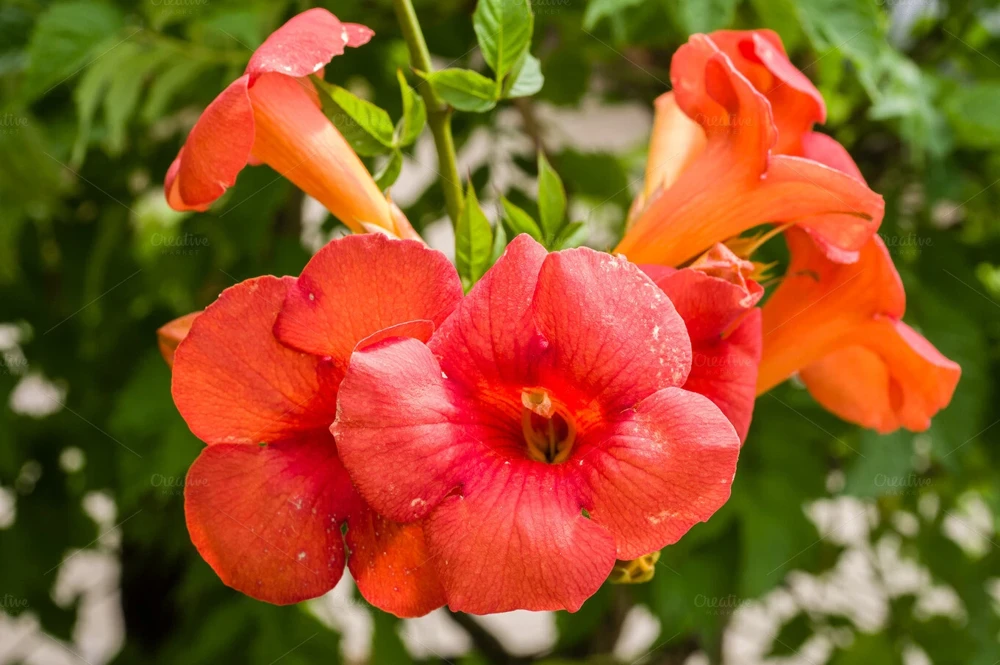
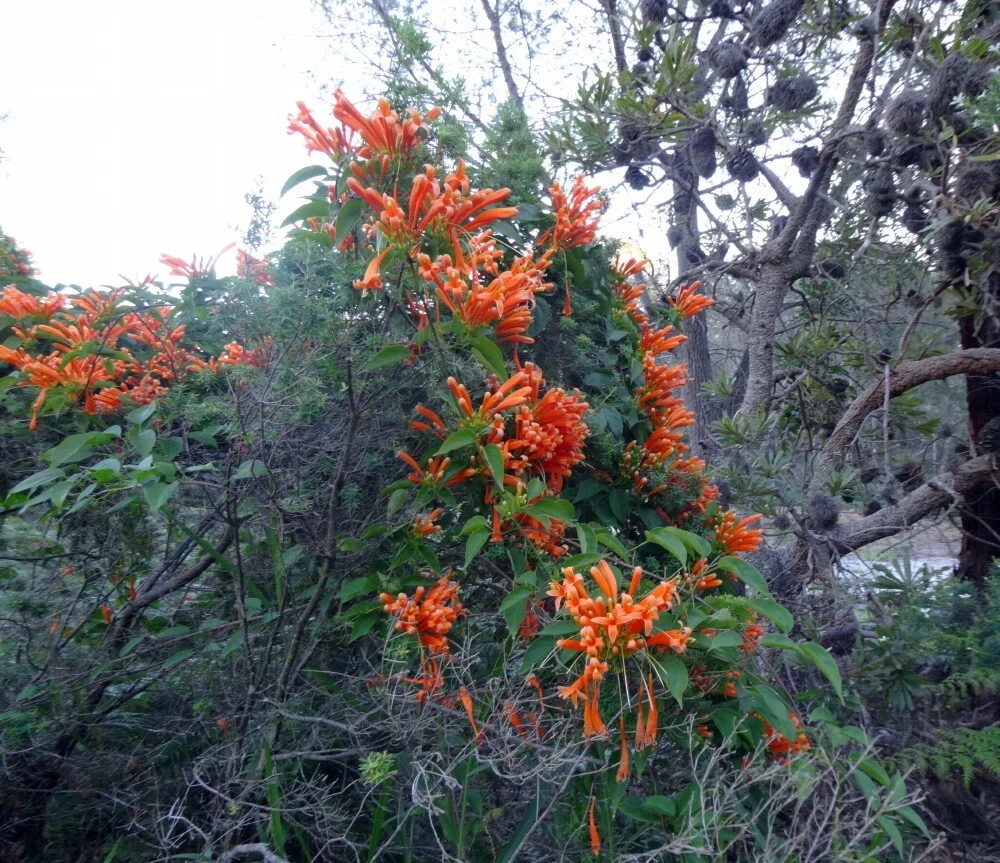
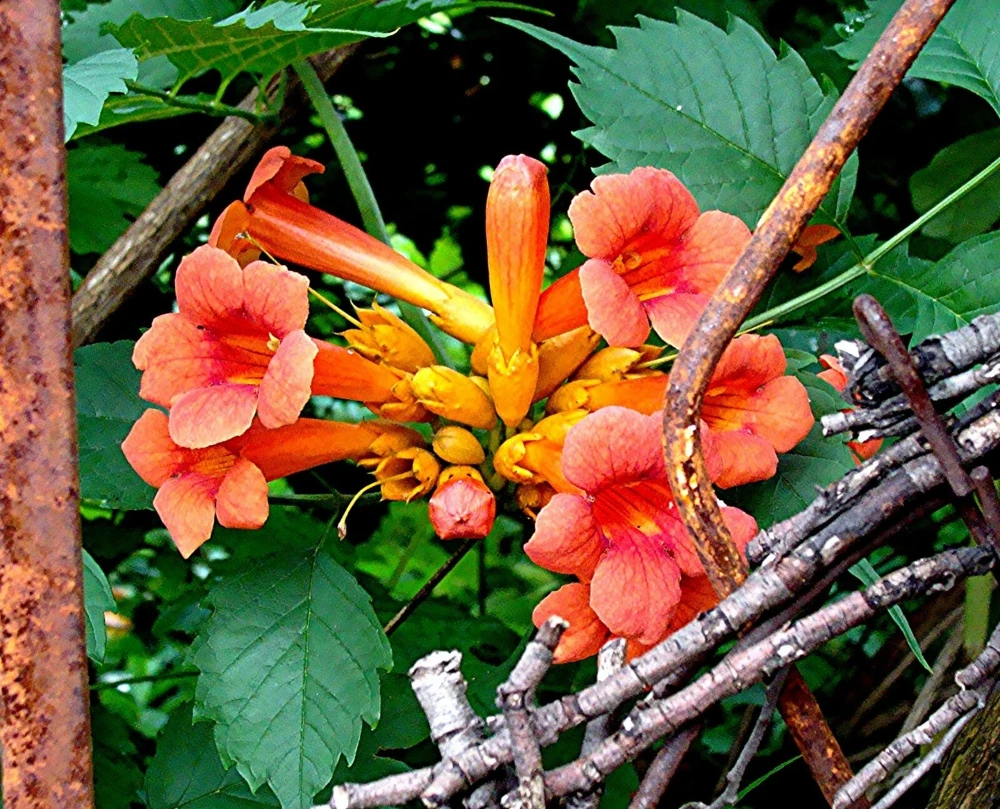
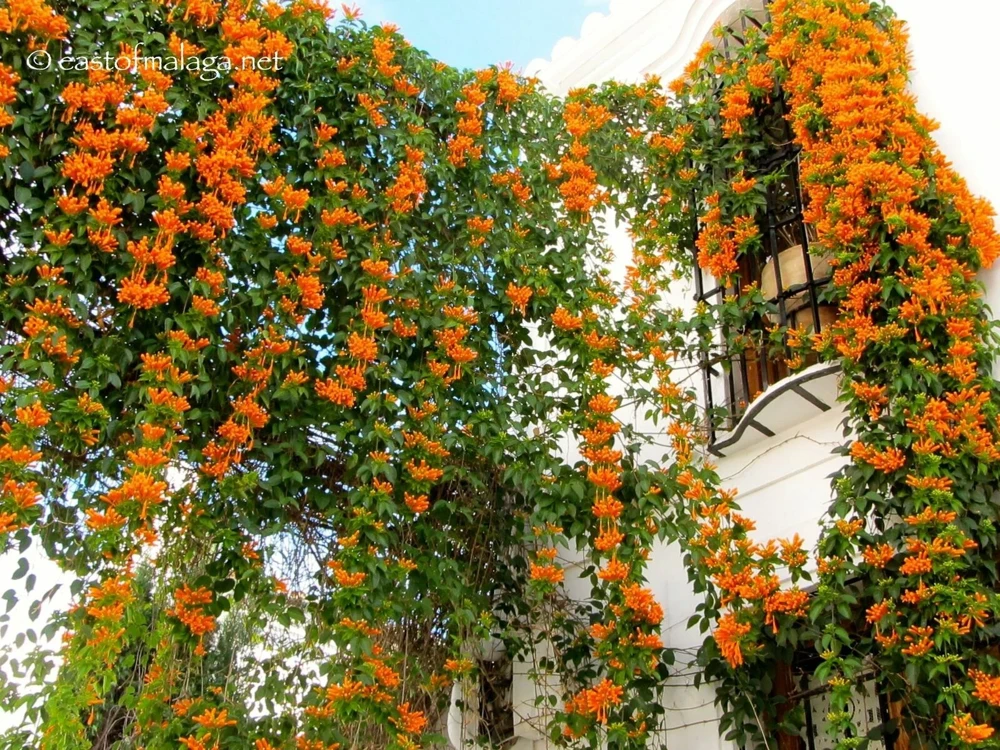
Orange Trumpet Vine Live Cuttings – Set of 12 Hummingbird Vine – 6-10 Inches
Original price was: $39.69.$19.69Current price is: $19.69.
Enhance your garden with a set of 12 orange trumpet vine cuttings, ranging from 6 to 10 inches. These vigorous climbers are perfect for attracting hummingbirds and adding a vibrant splash of color to your outdoor space. Known as hummingbird vine or trumpet creeper, they establish quickly to create beautiful flowering displays.
Estimated arrival
Oct 15
Oct 20 - Oct 22
Oct 25 - Oct 29
Shop With Confidence
30-Day Plant Health Guarantee
Arrives damaged? We’ll replace it free — see our return policy.
Responsive Support
Email us anytime, we reply within 1 business day.
Expert Packaging
Temperature-controlled shipping to protect your plants in transit.
Secure Checkout
Pay safely with Visa, Mastercard, PayPal.
Plant Specifications
-
USDA Hardiness Zone
USDA Zones 4-9 -
Soil Type
Well-draining, fertile loamy soil -
Sunlight Exposure
Full sun -
Expected Planting Period
Spring to early summer
Overview
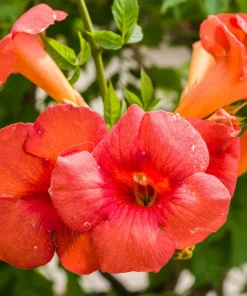
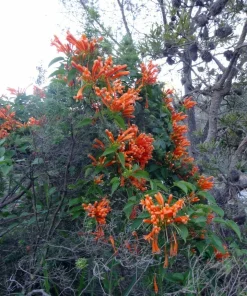
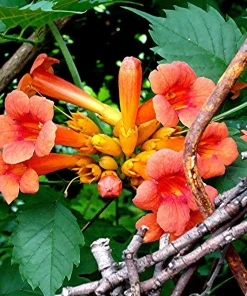
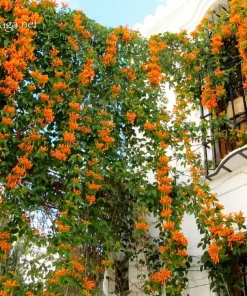
Introduce a burst of fiery color and lively wildlife to your garden with this exceptional set of 12 orange trumpet vine cuttings. Each cutting measures between 6 to 10 inches, providing a strong foundation for rapid growth. The trumpet vine, scientifically known as Campsis radicans, is a robust, fast-growing deciduous woody vine cherished for its spectacular, trumpet-shaped orange flowers. These vibrant blooms are a magnet for pollinators, especially hummingbirds, earning it the popular name hummingbird vine. Ideal for covering fences, trellises, arbors, or walls, these cuttings will quickly transform outdoor areas into a lush, dynamic landscape. If you’re looking for a low-maintenance yet high-impact flowering plant, the trumpet creeper plant is an excellent choice for gardeners of all experience levels.
Our cuttings are carefully selected to ensure strong root development and healthy plant establishment. With proper care, these vines will flourish, becoming a stunning focal point in your garden. The vigorous nature of Campsis radicans means you’ll enjoy a mature, flowering vine in a relatively short period, providing seasons of beauty and ecological benefit. Prepare to marvel at the frequent visits of hummingbirds and other beneficial insects drawn to the rich nectar of this magnificent orange flowering vine.
Key Benefits
The orange trumpet vine cuttings offer numerous advantages for any garden, combining aesthetic appeal with ecological benefits. Here are some of the key reasons to choose this vibrant vine:
- Attracts Pollinators: The trumpet-shaped flowers are specifically designed to attract hummingbirds, butterflies, and bees, making your garden a lively haven for wildlife. This interaction supports local ecosystems and provides endless enjoyment for observers.
- Vibrant Orange Blooms: Known for its striking orange flowering vine, the trumpet vine produces an abundance of brilliant orange blossoms that add a dramatic and cheerful splash of color to any landscape from summer through fall.
- Fast-Growing & Vigorous: This vine is a rapid grower, quickly covering structures like fences, pergolas, and arbors, providing excellent privacy and shade in a short amount of time. Its robust nature makes it resilient and easy to establish.
- Low Maintenance: Once established, the trumpet creeper plant is remarkably drought-tolerant and requires minimal care, making it an ideal choice for busy gardeners or those new to gardening. It thrives with basic watering and occasional pruning.
- Erosion Control: Its extensive root system can help stabilize soil on slopes and embankments, preventing erosion in challenging areas of your garden. This practical benefit adds another layer of utility to its ornamental value.
- Versatile Landscaping: Perfect for creating living screens, enhancing garden structures, or adding vertical interest, the hummingbird vine adapts well to various garden designs and purposes.
- Hardy & Resilient: Tolerant of a wide range of soil conditions and climates, Campsis radicans is a hardy plant that can withstand diverse environmental challenges, ensuring its longevity in your garden.
Plant Care & Growing Tips
Caring for your orange trumpet vine cuttings is straightforward, and with a few key practices, you’ll ensure a thriving and abundant bloom. These plants are known for their resilience, but optimal conditions will lead to the best results. The hummingbird vine prefers a location with ample sunlight to produce the most prolific blooms. It thrives in full sun, meaning at least 6 hours of direct sunlight per day. While it can tolerate partial shade, flowering will be significantly reduced. For best results, choose a south or west-facing spot where it can soak up the sun’s rays.
When it comes to watering, newly planted trumpet creeper plant cuttings require consistent moisture to help establish their root systems. Water regularly, especially during dry spells, keeping the soil consistently moist but not waterlogged. Once established, the trumpet vine is quite drought-tolerant and can withstand periods of dryness. However, providing regular water during prolonged dry periods will encourage more vigorous growth and flowering. Well-draining soil is crucial; while it tolerates a variety of soil types, it prefers fertile, well-drained loamy soil. Avoid heavy clay soils that retain too much moisture, as this can lead to root rot. The campsis radicans is adaptable to various soil pH levels, from slightly acidic to slightly alkaline.
The orange flowering vine is hardy in USDA Zones 4-9. It can withstand cold winters, often dying back to the ground in colder regions but resprouting vigorously in spring. Fertilization is not always necessary, especially in fertile soils. However, if your soil is poor or you desire more blooms, a balanced slow-release fertilizer in spring can be beneficial. Avoid high-nitrogen fertilizers, which promote leafy growth at the expense of flowers. Pruning is essential to control its vigorous growth and encourage more blooms. Prune in late winter or early spring before new growth appears, removing dead or weak branches and shaping the vine as desired. You can also cut back stems to a few buds to encourage bushier growth and more flowers. Be mindful of its vigorous nature; the orange trumpet vine cuttings can become invasive if not managed, so consider planting it in an area where its growth can be contained or regularly pruned.
Size & Details
This offering includes a set of 12 orange trumpet vine cuttings, each approximately 6 to 10 inches in length. These cuttings are ready for planting and are ideal for quick establishment in your garden. Trumpet vines are renowned for their rapid growth rate, typically adding 10 to 15 feet of growth per year once established. Mature plants can reach heights of 20 to 40 feet or more, with a spread of 5 to 10 feet, depending on the support structure and pruning. As a woody vine, the stems will thicken and become more substantial over time, providing a sturdy framework for its lush foliage and abundant flowers. The campsis radicans is a deciduous vine, meaning it will shed its leaves in the fall and winter, preparing for a vibrant resurgence in spring. Expect the first blooms to appear within 1-2 years after planting, with increasing flower production as the vine matures. These cuttings are shipped without soil to facilitate easier and more cost-effective transport, allowing you to plant them directly into your preferred growing medium upon arrival.
Frequently Asked Questions
- Q: How big will the orange trumpet vine cuttings grow? A: Once established, your orange trumpet vine cuttings can grow quite large, typically reaching 20 to 40 feet in height with adequate support. They are fast-growing, often adding 10-15 feet per year.
- Q: Is this an indoor or outdoor plant? A: The hummingbird vine is an outdoor plant, best suited for gardens where it can climb on structures like trellises, fences, or arbors. It requires ample sunlight to thrive and produce its characteristic orange flowers.
- Q: How much sunlight does the trumpet creeper plant need? A: This vine prefers full sun, meaning at least 6 hours of direct sunlight daily for optimal flowering. While it can tolerate partial shade, a sunny location will result in a more prolific display of blooms.
- Q: Is this plant easy to care for, especially for beginners? A: Yes, the trumpet creeper plant is relatively easy to care for and is quite resilient, making it a good choice for beginners. Once established, it is drought-tolerant and requires minimal attention beyond occasional pruning to manage its growth.
- Q: What condition will the cuttings arrive in? A: Your orange trumpet vine cuttings will arrive fresh and ready for planting. They are typically shipped without soil to ensure safe and efficient transport, allowing you to plant them directly upon arrival.
- Q: When is the best time to plant these cuttings? A: The best time to plant campsis radicans cuttings is in spring or early summer after the last frost, allowing them ample time to establish roots before the colder months.
- Q: Will the orange flowering vine survive winter in my zone? A: The orange flowering vine is hardy in USDA Zones 4-9. In colder zones, it may die back to the ground but will typically regrow vigorously from its roots in the spring.
Be the first to review “Orange Trumpet Vine Live Cuttings – Set of 12 Hummingbird Vine – 6-10 Inches”
People Also Viewed
Uncategorized
Reviews
There are no reviews yet.