
Spotted Bee Balm Seeds – Monarda Punctata Wildflower – 50 Seed Pack – Pollinator Attractor
Original price was: $31.99.$11.99Current price is: $11.99.
Cultivate vibrant spotted bee balm seeds (Monarda punctata), perfect for attracting bees, butterflies, and hummingbirds to your garden. These pollinator wildflower seeds produce striking, fragrant blooms and are ideal for native and xeriscape landscapes. Enjoy heat- and drought-tolerant beauty.
Estimated arrival
Oct 15
Oct 20 - Oct 22
Oct 25 - Oct 29
Shop With Confidence
30-Day Plant Health Guarantee
Arrives damaged? We’ll replace it free — see our return policy.
Responsive Support
Email us anytime, we reply within 1 business day.
Expert Packaging
Temperature-controlled shipping to protect your plants in transit.
Secure Checkout
Pay safely with Visa, Mastercard, PayPal.
Plant Specifications
-
USDA Hardiness Zone
USDA zones 3-9 -
Soil Type
Well-drained, sandy, or dry soil -
Sunlight Exposure
Full sun to partial shade -
Expected Planting Period
Late fall or early spring outdoors, 6-8 weeks before last frost indoors
Overview
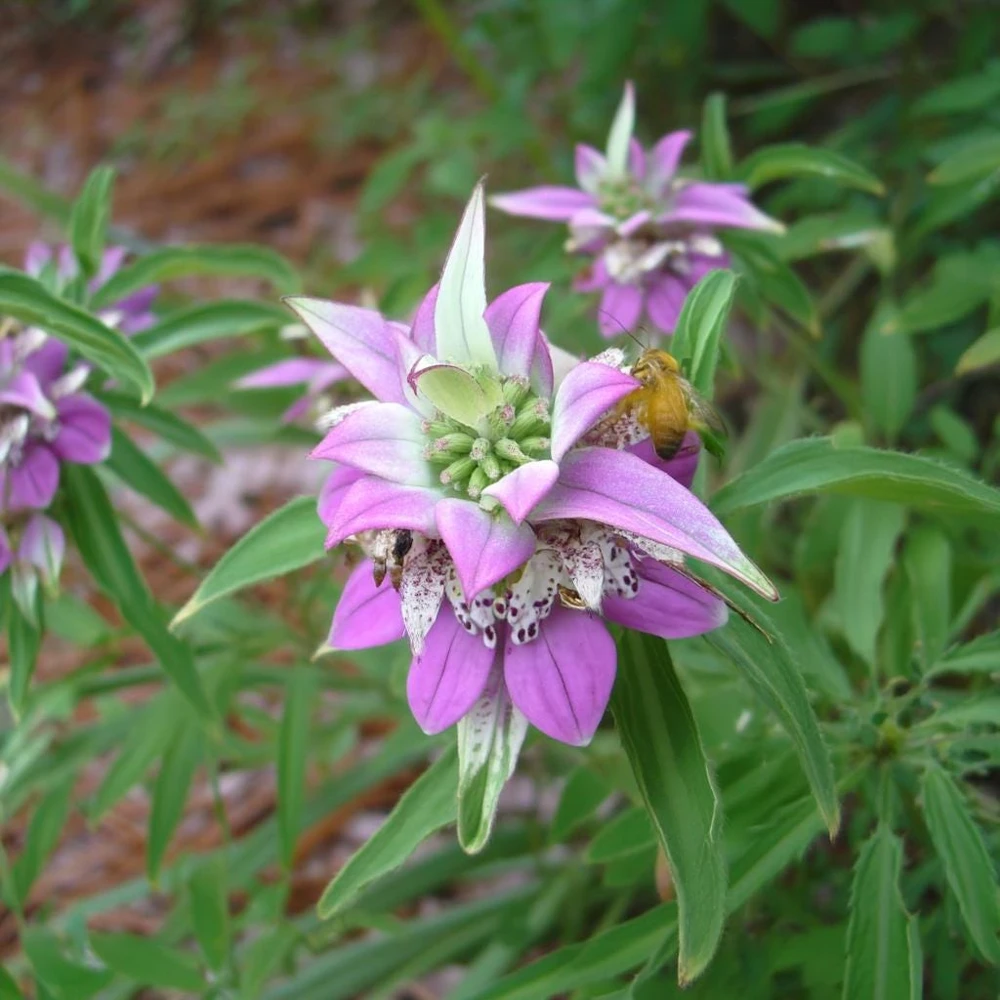
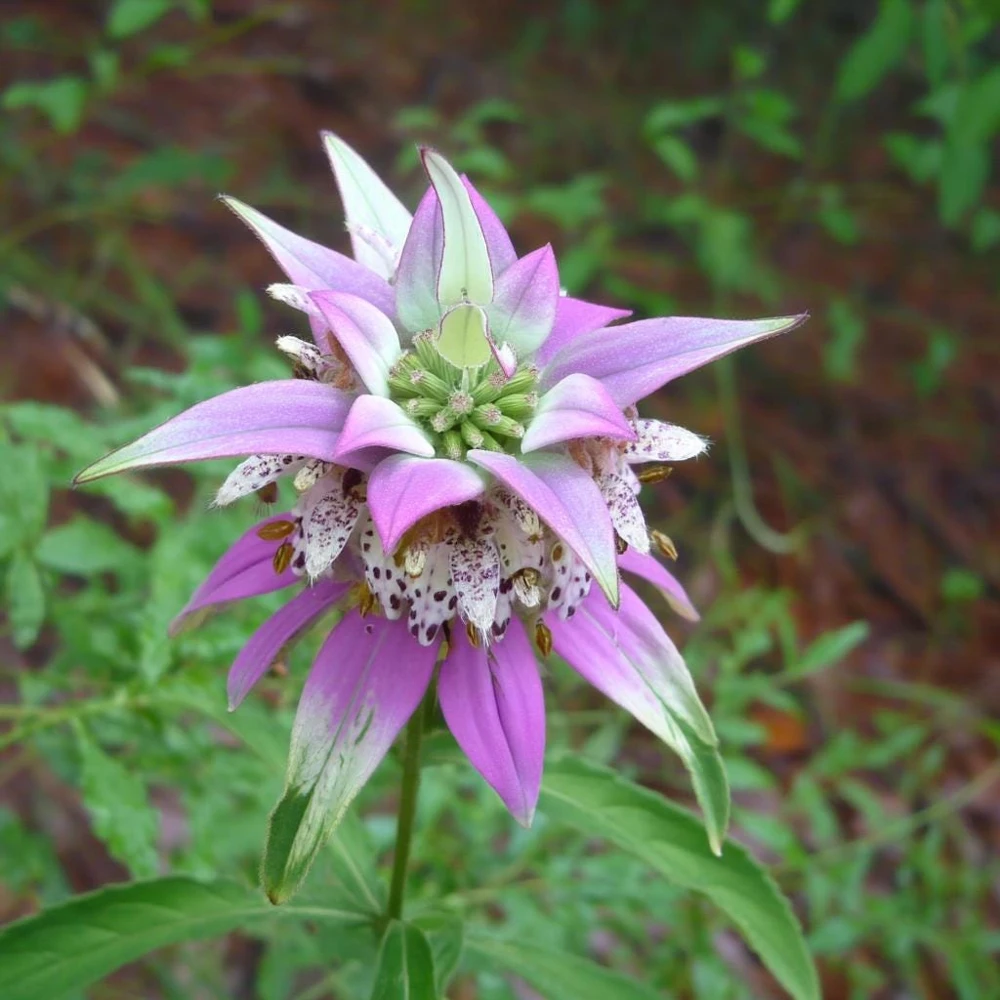
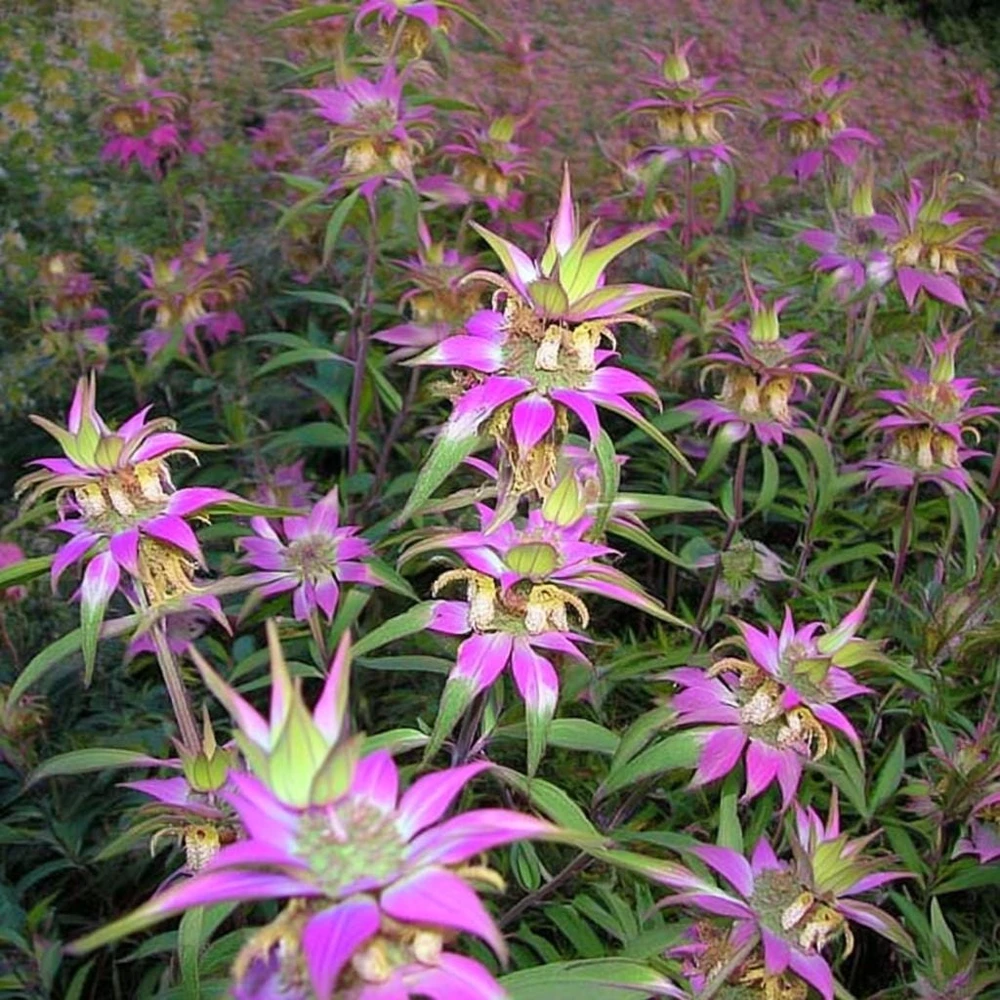
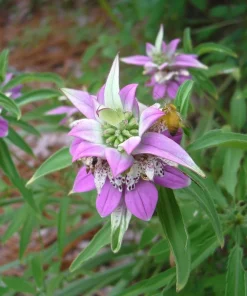
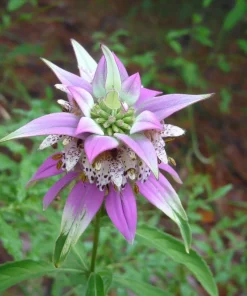
Transform your garden into a vibrant haven for wildlife with spotted bee balm seeds. Also known by its botanical name Monarda punctata, and colloquially as Dotted Mint or Horsemint, this remarkable native wildflower is celebrated for its unique tiered pink-to-purple bracts and distinctive spotted tubular blooms. Each packet contains 50 high-quality monarda punctata seeds, ready to bring ecological value and striking beauty to your outdoor space. These seeds are an excellent choice for gardeners looking to support local ecosystems and create a dynamic, fragrant landscape. The plant’s rich essential oils not only deter pests but also fill the air with a pleasant aroma, making it a delightful addition to any garden.
The Monarda punctata plant is a resilient perennial, thriving in a variety of conditions once established. It’s an essential component for any pollinator garden, drawing in a diverse array of beneficial insects and birds. Whether you’re aiming to create a sustainable native planting, a drought-tolerant xeriscape, or simply wish to enjoy the lively activity of bees and butterflies, these spotted bee balm seeds offer an accessible and rewarding gardening experience. Their distinctive appearance and ecological benefits make them a standout choice among native wildflower seeds, promising a spectacular display of color and life.
Key Benefits
Growing spotted bee balm seeds offers a multitude of advantages for both your garden and the local environment. This plant is not just beautiful but also highly functional, contributing significantly to biodiversity and garden resilience. Here are some of the key benefits you can expect:
- Exceptional Pollinator Attraction: Spotted Bee Balm is a magnet for bees, butterflies, and hummingbirds, making it a cornerstone for any pollinator garden. Its unique flower structure provides easy access for various species, supporting local insect populations.
- Drought and Heat Tolerance: Once established, this plant is remarkably resilient to dry conditions and high temperatures, making it a low-maintenance choice for challenging climates or water-wise gardening.
- Unique Ornamental Appeal: The distinctive tiered bracts and spotted blooms of Monarda punctata provide an unusual and captivating visual texture, adding architectural interest to borders, meadows, and native plantings.
- Fragrant Foliage and Blooms: Rich in essential oils, both the leaves and flowers emit a pleasant, minty aroma when brushed, enhancing the sensory experience of your garden.
- Erosion Control: Its robust root system helps stabilize soil, making it suitable for sloped areas or erosion-prone landscapes, contributing to soil health.
- Deer Resistant: The strong aromatic oils within the plant tend to deter deer, offering a natural defense against common garden pests without the need for chemical deterrents.
- Supports Native Ecosystems: By planting these native wildflower seeds, you are helping to restore and support local ecosystems, providing crucial habitat and food sources for native wildlife.
Plant Care & Growing Tips
Cultivating spotted bee balm seeds into thriving plants is straightforward with the right approach. For optimal results, direct sowing outdoors in late fall or early spring is recommended. Lightly press the horsemint seeds onto the soil surface; they require light for germination, so avoid covering them with soil. Maintain consistent moisture until germination occurs, which typically takes 14–21 days. For those who prefer an earlier start, indoor sowing can be done 6–8 weeks before the last expected frost. Use sterile seed-starting mix and ensure good light exposure. Once seedlings are robust enough, transplant them outdoors after the danger of frost has passed, spacing them 12–18 inches apart to allow for proper air circulation and growth, which is crucial for preventing fungal issues.
Monarda punctata thrives in full sun to partial shade, ideally receiving at least 6 hours of direct sunlight daily. It prefers well-drained, sandy, or dry soil, mimicking its natural prairie and meadow habitats. While mature plants are highly drought-tolerant, water moderately during establishment to encourage a strong root system. Overwatering should be avoided, as it can lead to root rot. Fertilization is generally not necessary in rich soil; however, if your soil is poor, a light application of balanced, slow-release fertilizer in spring can be beneficial. Deadheading spent flowers will encourage a longer blooming period and prevent excessive self-seeding, though allowing some flowers to go to seed can provide food for birds and ensure natural propagation of these beautiful pollinator wildflower seeds for future seasons. Regularly monitor for powdery mildew, especially in humid conditions or crowded plantings, and ensure good air circulation to mitigate this common issue.
Size & Details
This package contains 50 seeds of Spotted Bee Balm (Monarda punctata), providing ample opportunity to establish a beautiful patch of this native wildflower. The plants typically grow to a mature height of 1 to 3 feet (30-90 cm) with a spread of 1 to 2 feet (30-60 cm), forming attractive clumps. They exhibit a moderate growth rate, establishing well within their first season and blooming from mid-summer to early fall. The seeds are packaged to ensure viability and are ready for sowing upon arrival. Expect the distinctive tiered flowers with their pink-to-purple bracts and spotted tubular blooms to emerge during the peak blooming season, offering a long-lasting display and continuous attraction for pollinators. These native wildflower seeds are an investment in the ecological health and beauty of your garden.
Frequently Asked Questions
- Q: How many spotted bee balm seeds are included in this pack? A: This seed packet contains 50 monarda punctata seeds, providing a generous quantity for planting a significant area or for multiple sowing attempts.
- Q: Is this plant suitable for attracting pollinators? A: Absolutely! Spotted Bee Balm is renowned for its ability to attract a wide variety of pollinators, including bees, butterflies, and hummingbirds, making it an excellent choice for a wildlife-friendly garden.
- Q: What are the ideal growing conditions for horsemint seeds? A: These seeds thrive in full sun to partial shade and prefer well-drained, sandy, or dry soil. They are quite adaptable once established and tolerate heat and drought.
- Q: When is the best time to plant these pollinator wildflower seeds? A: For best results, sow seeds directly outdoors in late fall or early spring. Indoor sowing can be done 6–8 weeks before the last frost.
- Q: How tall does Spotted Bee Balm typically grow? A: Mature plants generally reach a height of 1 to 3 feet (30-90 cm), creating a striking vertical element in your garden landscape.
- Q: Is Spotted Bee Balm considered a low-maintenance plant? A: Yes, once established, this native wildflower is quite low-maintenance due to its drought tolerance and adaptability, requiring minimal care beyond initial watering.
- Q: What USDA hardiness zones are suitable for Spotted Bee Balm? A: Spotted Bee Balm is generally hardy in USDA zones 3-9, making it suitable for a wide range of climates across the United States.
- Q: Can I grow native wildflower seeds in containers? A: While primarily suited for garden beds and meadows, Spotted Bee Balm can be grown in large containers, provided they have excellent drainage and adequate sunlight.
- Q: Do these flowers have a fragrance? A: Yes, both the foliage and the unique spotted blooms of Monarda punctata are highly fragrant, emitting a pleasant, minty scent, especially when brushed.
- Q: How long does it take for the seeds to germinate? A: Germination typically occurs within 14–21 days when kept consistently moist and exposed to light.
Be the first to review “Spotted Bee Balm Seeds – Monarda Punctata Wildflower – 50 Seed Pack – Pollinator Attractor”
People Also Viewed
Shrubs
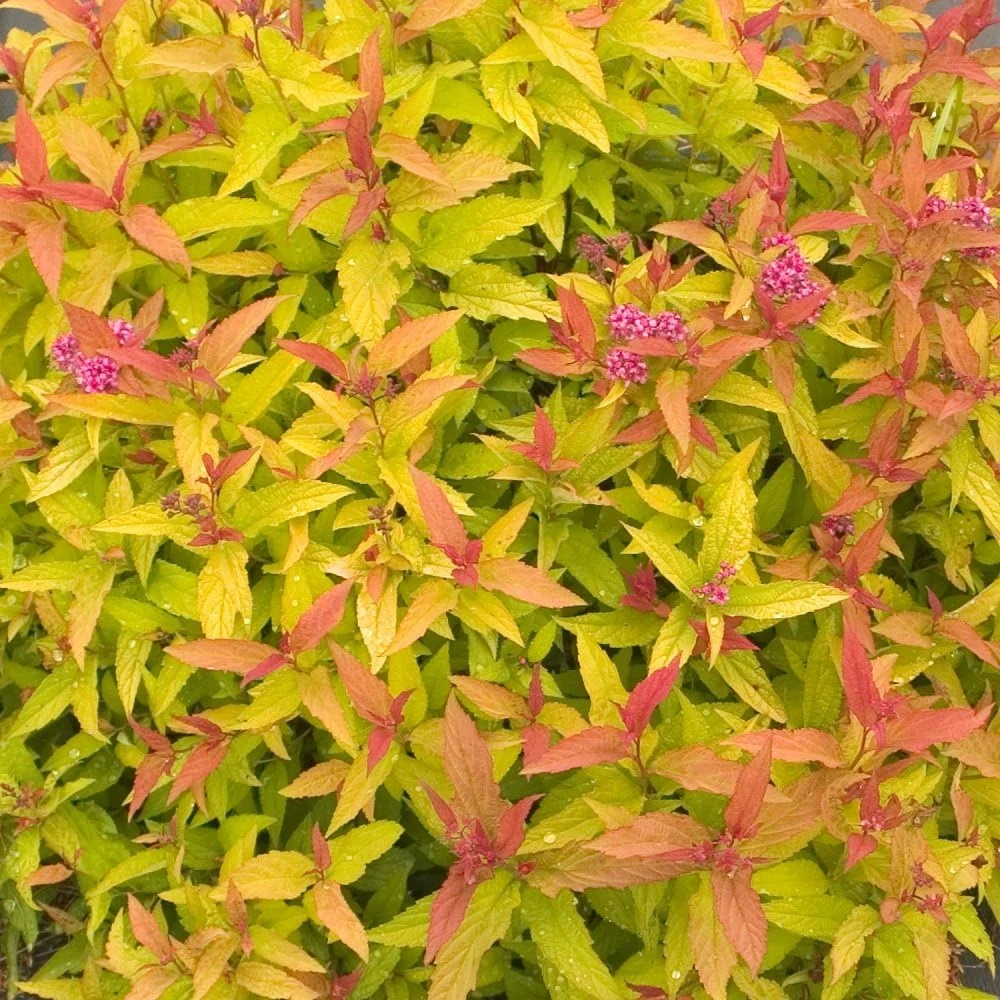
Double Play Gold Spiraea Live Plant – Golden Foliage, Pink Flowers, Outdoor Shrub, 4 inch Pot
Reviews
There are no reviews yet.