

Cimarron Alfalfa Seeds – Medicago Sativa – 100 Seeds – Ground Cover Forage Purple Flower
Original price was: $36.99.$16.99Current price is: $16.99.
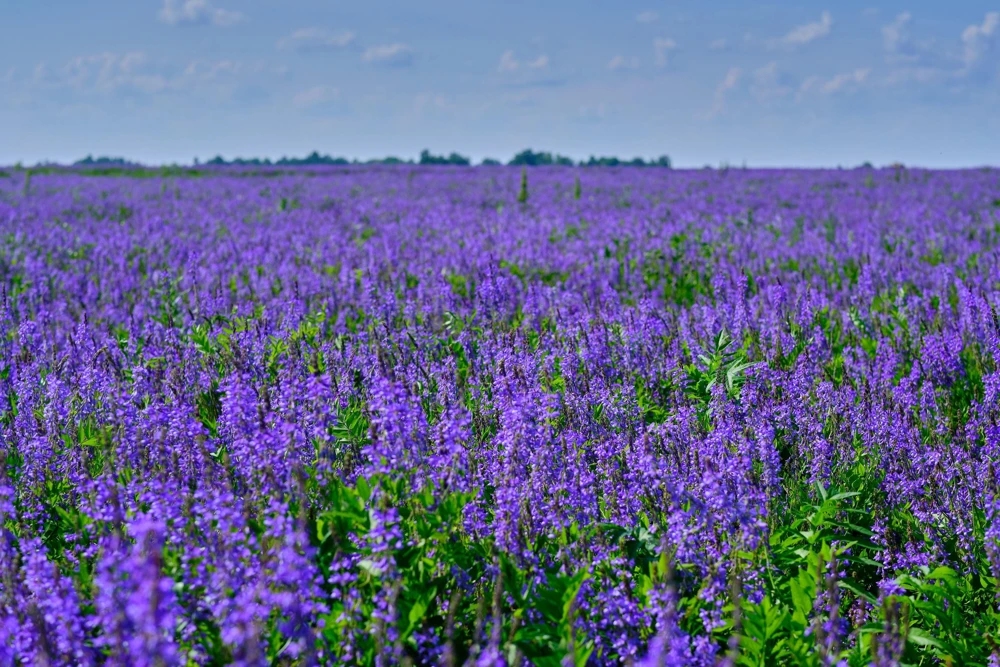
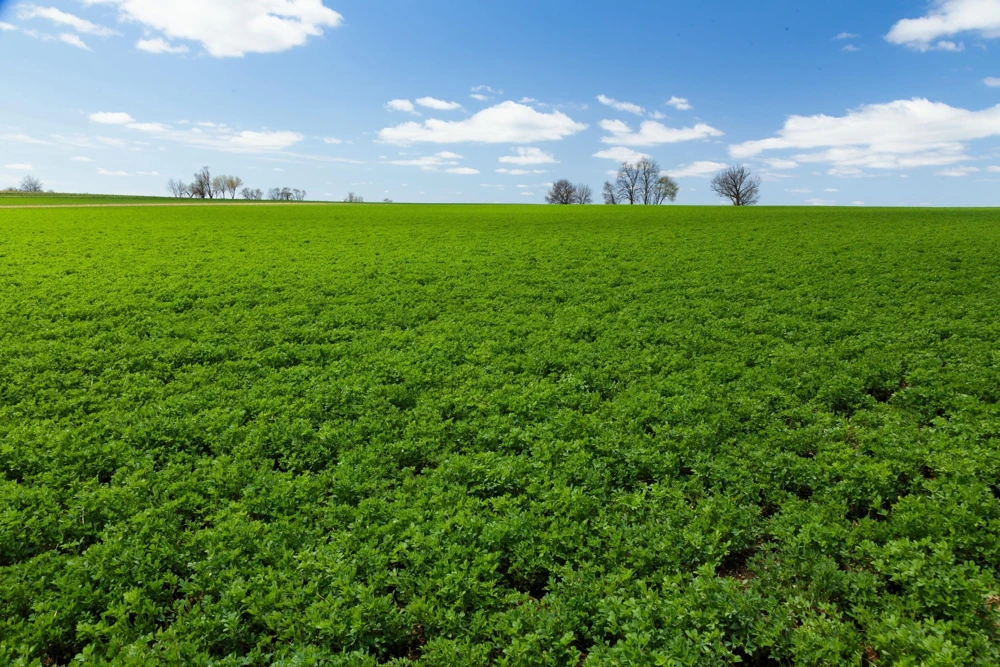
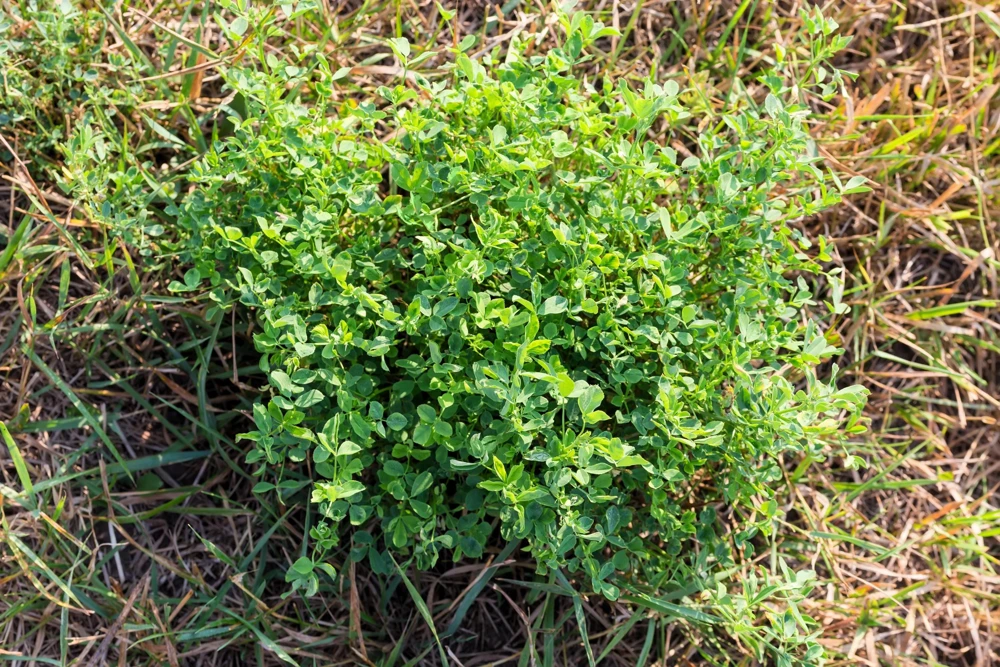
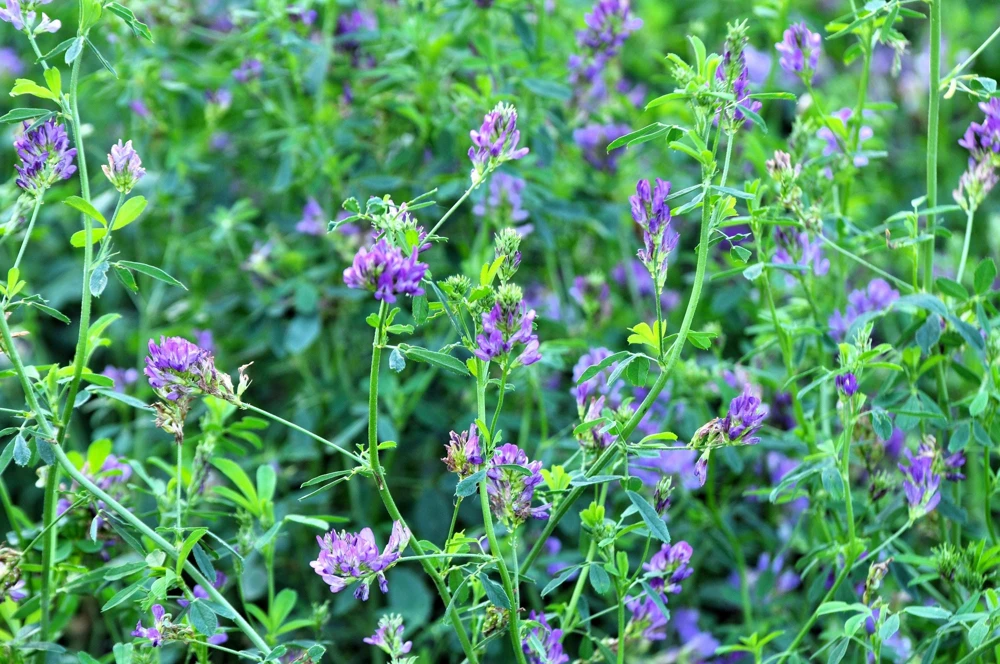
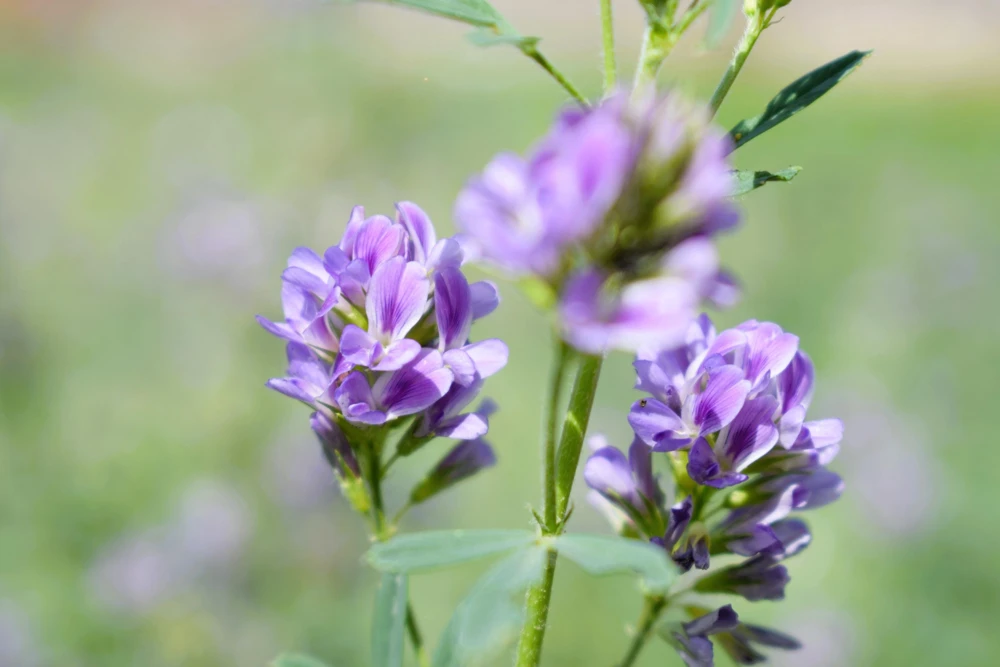
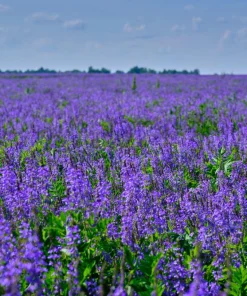
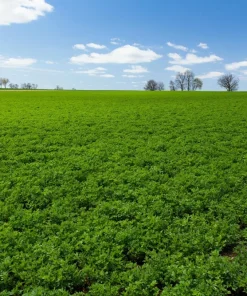
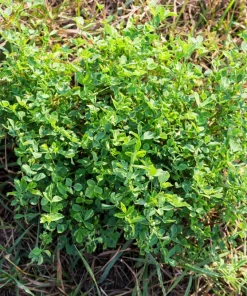
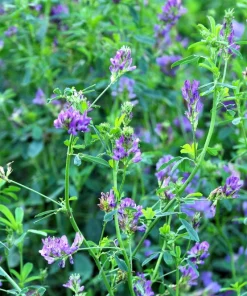
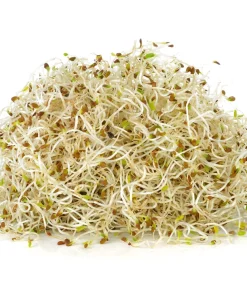
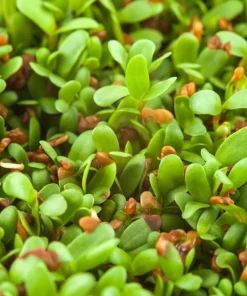
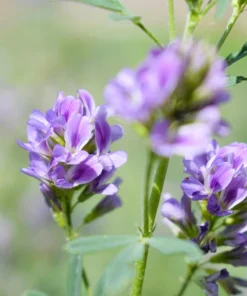
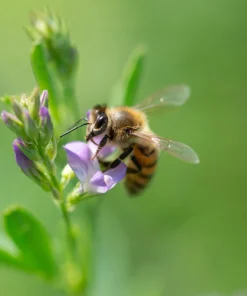
Cultivate cimarron alfalfa seeds (Medicago Sativa) for a versatile and beneficial addition to your garden or farm. This variety is an excellent alfalfa ground cover, suppressing weeds and improving soil. It’s also a high-yield forage crop seeds with attractive purple flowers.
Estimated arrival
Sep 14
Sep 19 - Sep 21
Sep 24 - Sep 28
Shop With Confidence
30-Day Plant Health Guarantee
Arrives damaged? We’ll replace it free — see our return policy.
Responsive Support
Email us anytime, we reply within 1 business day.
Expert Packaging
Temperature-controlled shipping to protect your plants in transit.
Secure Checkout
Pay safely with Visa, Mastercard, PayPal.
Plant Specifications
-
USDA Hardiness Zone
4 - 8 -
Soil Type
Average - Dry, well-draining soil -
Sunlight Exposure
Full Sun -
Expected Planting Period
When soil temperature warms to 60°F (Spring to Early Summer)
Overview
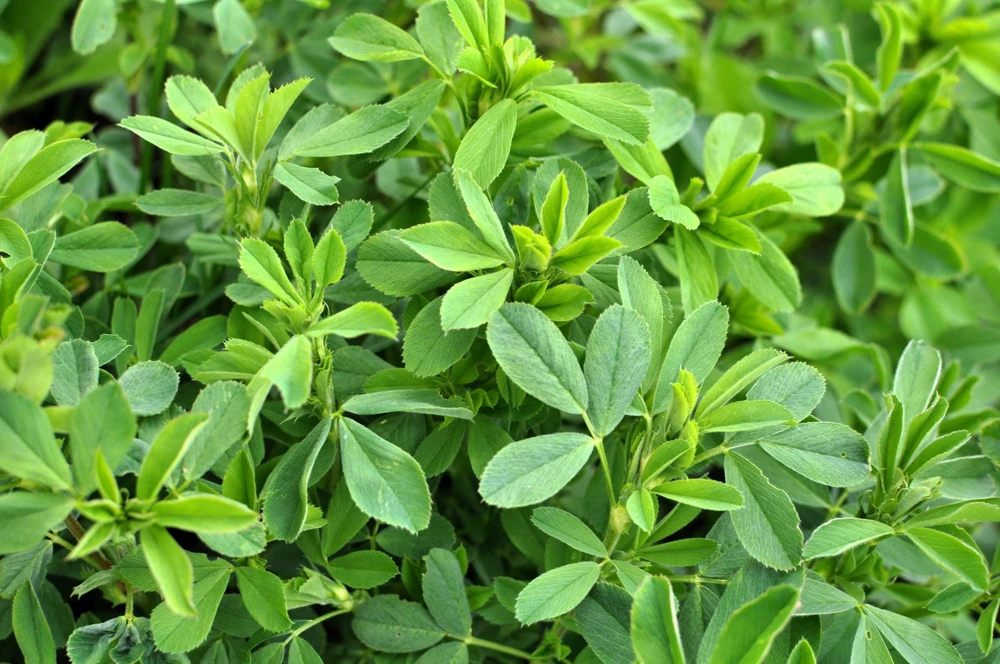
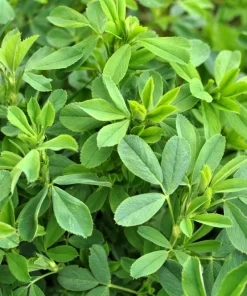
Discover the versatility and ecological benefits of planting cimarron alfalfa seeds. Alfalfa, scientifically known as Medicago Sativa, is a highly valued perennial legume celebrated for its robust growth and numerous uses. This Cimarron variety is particularly noted for its large leaves, high yield, and disease resistance, making it an exceptional choice for both agricultural applications and ecological landscaping. Whether you’re looking to establish a resilient ground cover, enhance soil health, or provide a rich forage source for livestock, these medicago sativa seeds offer a sustainable and effective solution. Alfalfa is also known for its beautiful purple flowers, which add aesthetic appeal and attract beneficial pollinators to your environment.
Our cimarron alfalfa seeds are selected for their vigor and ability to thrive in a variety of conditions, ensuring a successful planting experience. This plant’s deep root system helps to break up compacted soil, improve water infiltration, and fix nitrogen, contributing to a healthier ecosystem. It’s an ideal choice for naturalizing areas, controlling erosion, and creating habitat for local wildlife, including bees, birds, and butterflies. Embrace the natural beauty and practical advantages of this remarkable plant in your garden or field.
Key Benefits
Planting cimarron alfalfa seeds offers a multitude of advantages for both the environment and practical applications. This resilient plant is not only easy to grow but also provides long-term benefits to your landscape.
- Excellent Ground Cover: Alfalfa forms a dense, effective ground cover that significantly helps in suppressing weeds. Its vigorous growth outcompetes undesirable plants, reducing the need for manual weeding and chemical herbicides, leading to a more natural and low-maintenance garden.
- Soil Improvement: As a legume, alfalfa is a natural nitrogen fixer. It enriches the soil by converting atmospheric nitrogen into a usable form, reducing the need for synthetic fertilizers. Its extensive root system also improves soil structure, aeration, and water retention, even in challenging soil types like clay.
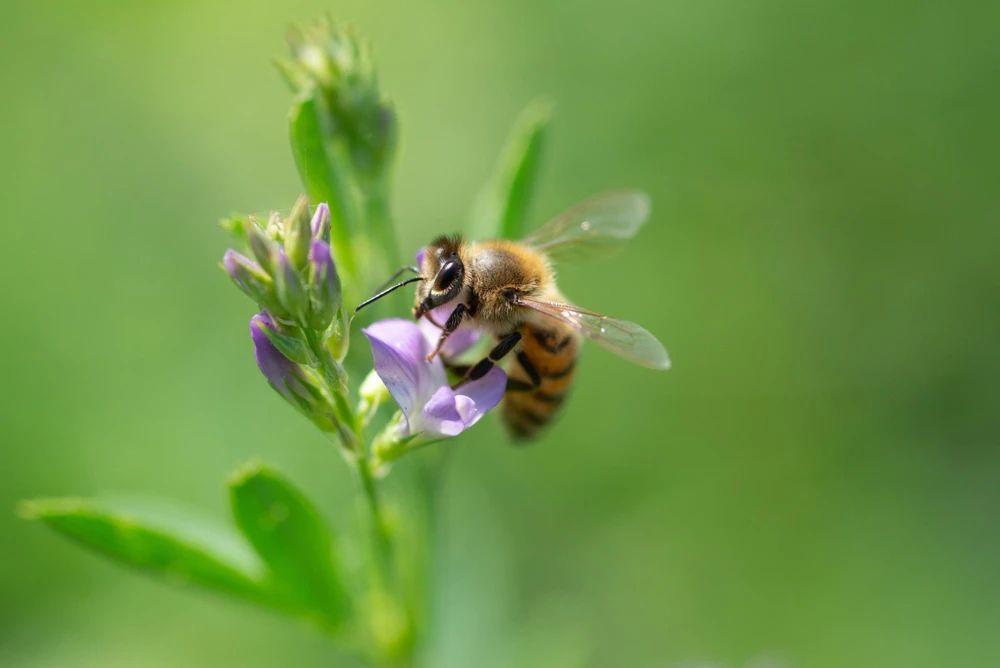
- Beneficial for Wildlife: The vibrant purple flowers of Medicago Sativa are a magnet for pollinators. They attract bees, butterflies, and other beneficial insects, supporting local biodiversity and enhancing the pollination of other plants in your garden. Birds also enjoy the seeds produced by alfalfa.
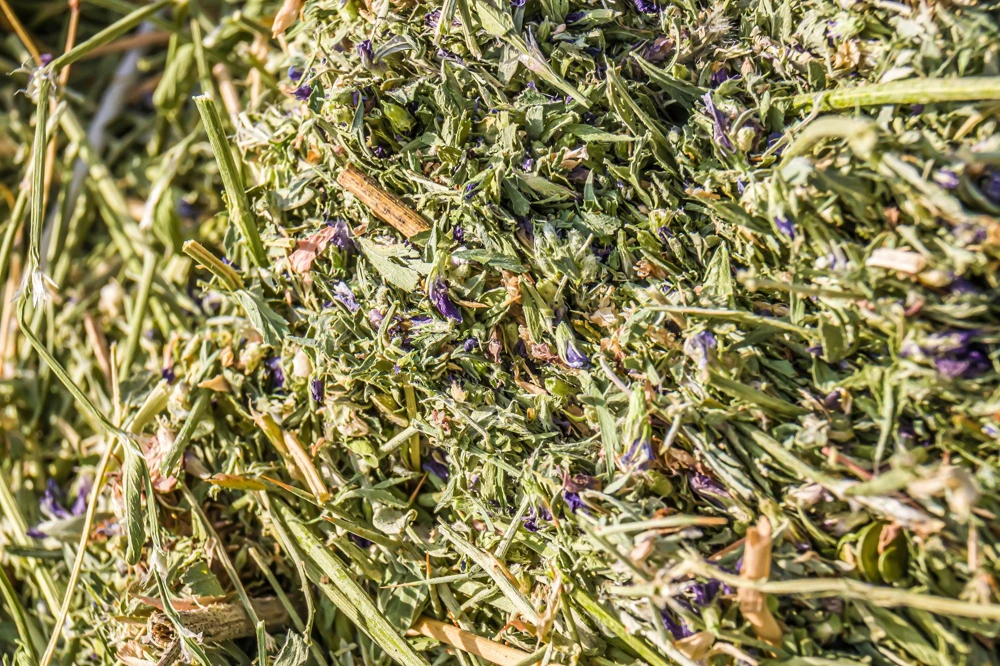
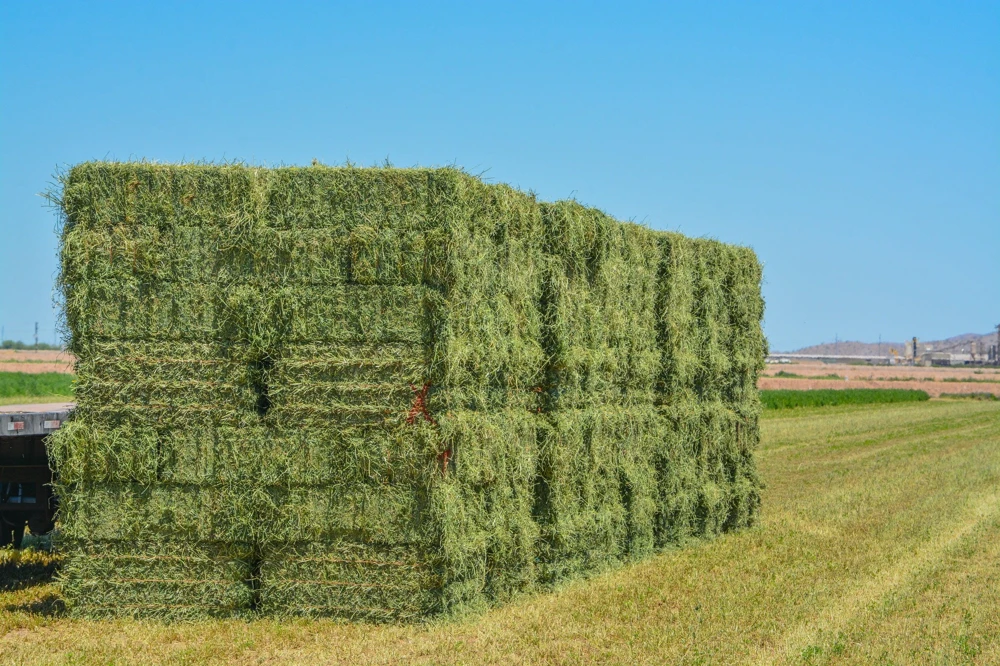
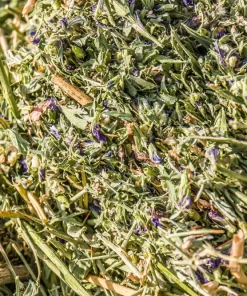
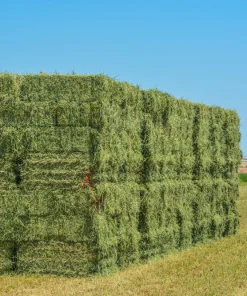
- High-Yield Forage Crop: The Cimarron variety is renowned for its large leaves and high yield, making it an outstanding forage crop seeds option. It provides nutritious feed for livestock, contributing to healthier animals and more productive farms.
- Drought Tolerance: Once established, alfalfa is remarkably drought-tolerant due to its deep root system, which allows it to access water deep within the soil. This makes it a reliable choice for areas with less consistent rainfall or for water-wise landscaping.
- Disease Resistance: This particular Cimarron cultivar boasts excellent disease resistance, ensuring a healthier crop and reducing potential losses. This resilience contributes to its reliability as an alfalfa ground cover and forage plant.
- Erosion Control: The dense root network of alfalfa effectively holds soil in place, preventing erosion on sloped areas or in fields prone to wind and water runoff. This protective quality helps maintain soil integrity and prevents nutrient loss.
Plant Care & Growing Tips
Growing cimarron alfalfa seeds is a straightforward process, making it suitable for both experienced gardeners and beginners. For optimal germination and growth, ensure the soil temperature has warmed to at least 60°F before planting, typically in spring or early summer. Alfalfa thrives in full sun, requiring at least 6-8 hours of direct sunlight per day to achieve its best growth and flowering. While it can tolerate a range of soil types, including clay, it prefers average to dry conditions and well-drained soil. Avoid waterlogged areas, as this can lead to root rot.
Once established, medicago sativa seeds develop into a robust plant that requires minimal ongoing care. Watering should be consistent during dry spells, especially during the first growing season, but alfalfa is generally quite drought-tolerant due to its deep taproot. Fertilization is usually not necessary as alfalfa is a nitrogen-fixing legume, enriching the soil rather than depleting it. Maintain proper spacing to ensure good air circulation and prevent fungal issues. For those cultivating it as a forage crop seeds, regular cutting will encourage new growth and maintain palatability. Overwintering is generally not an issue in its hardiness zones, making it a reliable perennial plant.
Size & Details
This offering includes 100 cimarron alfalfa seeds, providing ample opportunity to establish a substantial area of this beneficial plant. When mature, Cimarron Alfalfa plants typically reach a height of 12 to 24 inches, creating a lush and dense ground cover. For optimal growth and spread, plants should be spaced approximately 24 to 48 inches apart. The seeds are ready to plant when soil temperatures reach 60°F, and the plants will bloom during the summer months, showcasing their distinctive purple flowers. Alfalfa is a perennial, hardy in USDA Zones 4 through 8, meaning it will return year after year in these regions. The growth rate is moderate to fast, allowing for quick establishment of an effective alfalfa ground cover.
Frequently Asked Questions
- Q: How big does Cimarron Alfalfa get? A: Cimarron Alfalfa plants typically grow to a height of 12 to 24 inches (1 to 2 feet) when mature. They form a dense, bushy growth habit ideal for ground cover.
- Q: Are these an indoor or outdoor plant? A: Cimarron alfalfa seeds are intended for outdoor planting. They thrive in full sun and are best suited for gardens, fields, or naturalized areas where they can establish their deep root system.
- Q: How much sunlight does it need? A: Alfalfa requires full sun exposure, meaning at least 6-8 hours of direct sunlight per day, to grow vigorously and produce abundant foliage and flowers.
- Q: Is this plant easy to care for? A: Yes, alfalfa is generally considered easy to care for once established. It’s drought-tolerant and improves soil quality, requiring minimal intervention after initial planting.
- Q: What condition will the seeds arrive in? A: You will receive 100 medicago sativa seeds in a protective packet, ready for planting according to the provided instructions.
- Q: How long until it blooms? A: Alfalfa typically blooms in the summer months after establishment. The exact timing can vary depending on planting time, climate, and growing conditions.
- Q: What’s the minimum temperature it can tolerate? A: Cimarron Alfalfa is hardy in USDA Zones 4 through 8, meaning it can tolerate winter temperatures down to approximately -30°F to -20°F (-34°C to -29°C) once established.
- Q: Can I use alfalfa as a forage crop? A: Absolutely! The Cimarron variety is specifically known for being an excellent forage crop seeds option due to its high yield and disease resistance, providing nutritious feed for livestock.
- Q: Will these seeds attract pollinators? A: Yes, the purple flowers of alfalfa are highly attractive to various pollinators, including bees, butterflies, and other beneficial insects, making them great for supporting local ecosystems.
- Q: Is this a good choice for erosion control? A: Yes, alfalfa’s extensive and deep root system makes it an excellent plant for erosion control, helping to stabilize soil on slopes and prevent runoff.
Be the first to review “Cimarron Alfalfa Seeds – Medicago Sativa – 100 Seeds – Ground Cover Forage Purple Flower”
People Also Viewed
Uncategorized
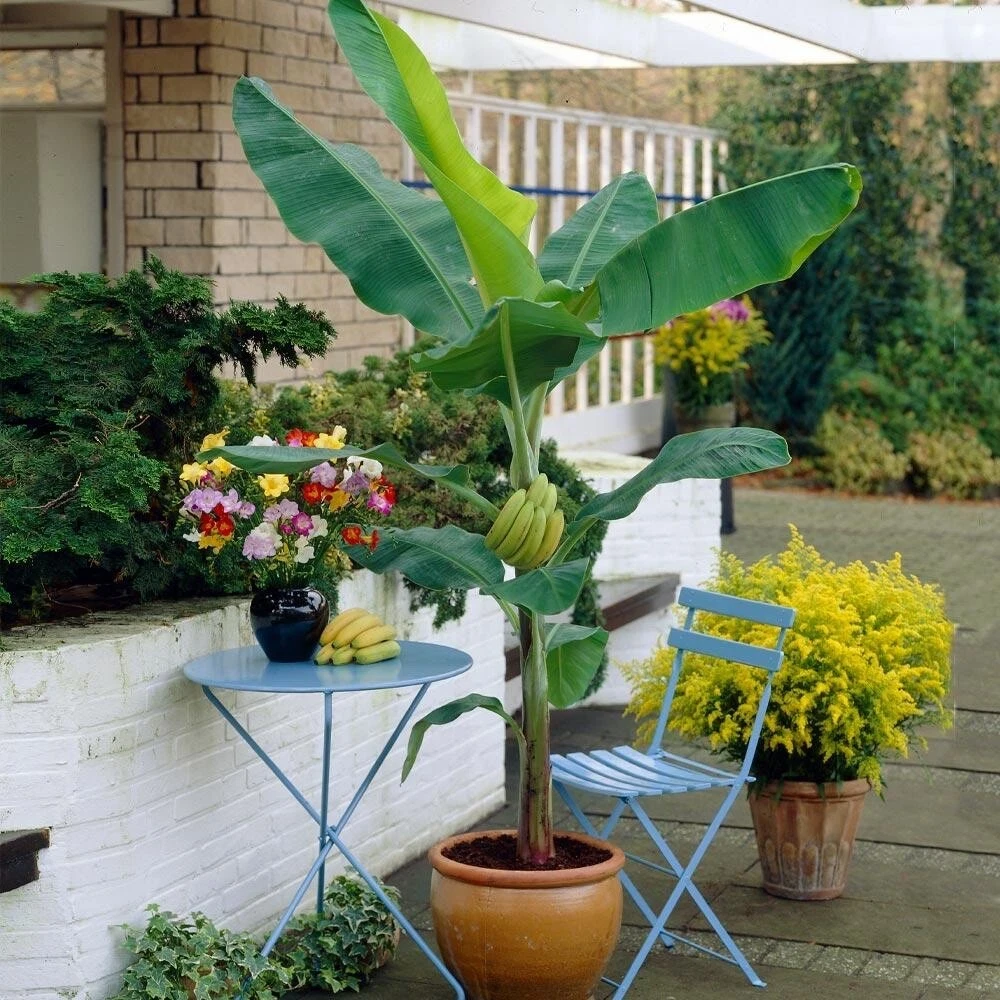
Organic Banana Gran Nain Musa Live Starter Plant Ships in Pot, Banana Tree, Tropical Fruit Plant
Flower Plants
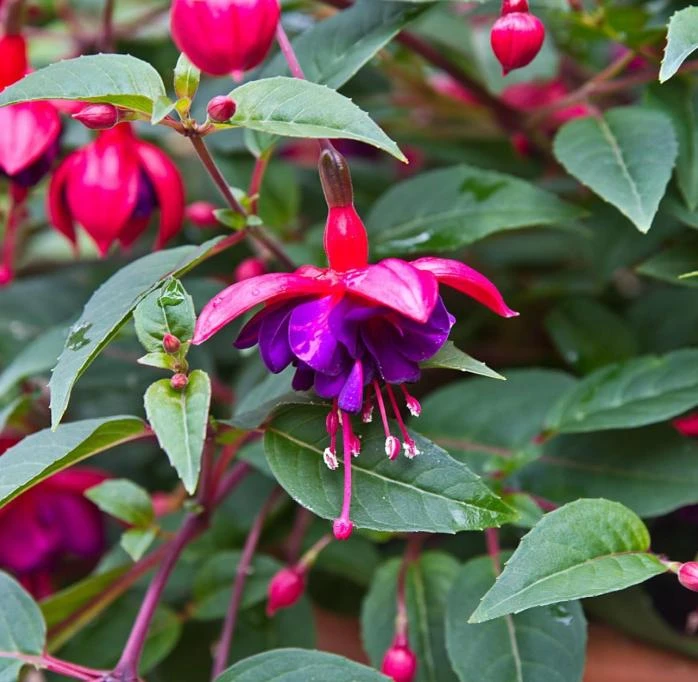
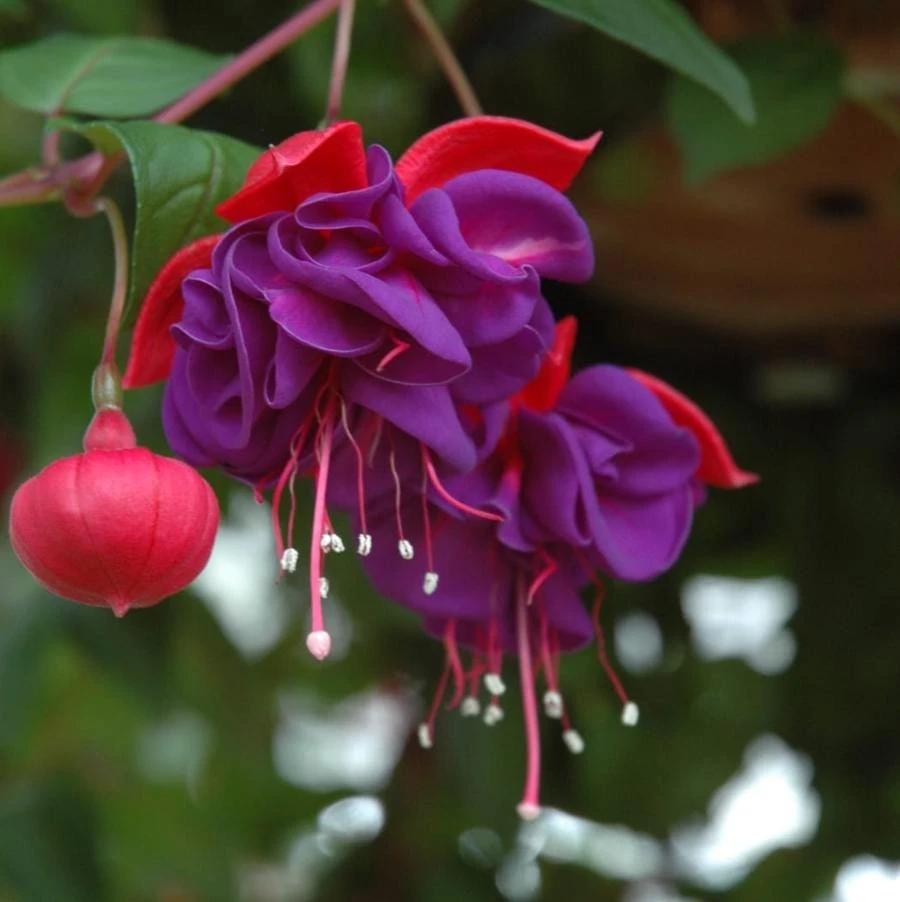
Dollar Princess Fuchsia Live Plant – 5″ Pot – Pink & Purple Flowering Ornamental – Shade-Loving
Shrubs
Silver Dollar Hydrangea Live Plant – 4 inch Pot – Creamy White to Pink Blooms – Outdoor Shrub
Reviews
There are no reviews yet.