

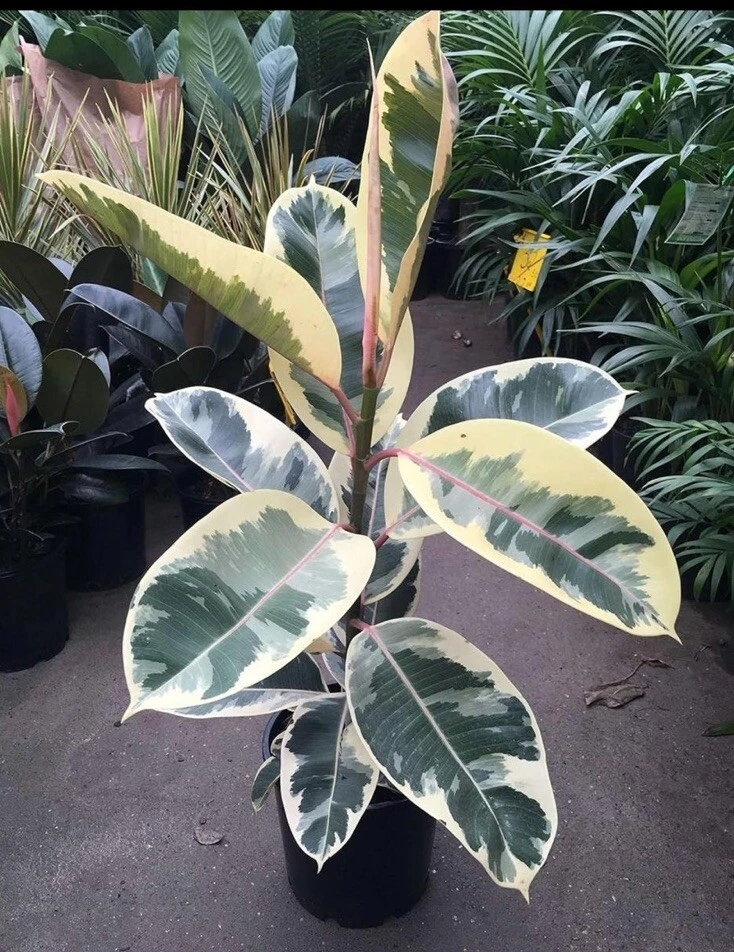
Variegated Rubber Plant Live Plant – Ficus Elastica Tineke – Indoor Houseplant
Original price was: $70.99.$50.99Current price is: $50.99.
Bring vibrant life into your space with a beautiful variegated rubber plant. Known for its striking green, cream, and pink foliage, this Ficus elastica Tineke is an ideal choice for adding a touch of elegance and natural beauty to any indoor setting, while being relatively low maintenance.
Estimated arrival
Oct 27
Nov 01 - Nov 03
Nov 06 - Nov 10
Shop With Confidence
30-Day Plant Health Guarantee
Arrives damaged? We’ll replace it free — see our return policy.
Responsive Support
Email us anytime, we reply within 1 business day.
Expert Packaging
Temperature-controlled shipping to protect your plants in transit.
Secure Checkout
Pay safely with Visa, Mastercard, PayPal.
Plant Specifications
-
USDA Hardiness Zone
USDA zones 10-12 (if grown outdoors) -
Soil Type
Well-draining potting mix -
Sunlight Exposure
Bright indirect light -
Expected Planting Period
Year-round indoors
Overview
Transform your living space with the exquisite beauty of a variegated rubber plant. This stunning live plant, scientifically known as Ficus elastica ‘Tineke’, is celebrated for its remarkable foliage featuring a captivating blend of deep green, creamy white, and soft pink hues. Each leaf is a unique work of art, making it a focal point in any room. The variegated rubber plant is a popular choice among plant enthusiasts and beginners alike due to its striking appearance and relatively easy care requirements. Originating from the tropical regions of Southeast Asia, this plant thrives indoors, bringing a touch of the exotic to your home or office. Its robust nature and air-purifying qualities make it not just a decorative item, but a beneficial addition to your indoor environment.
Our Ficus elastica Tineke specimen is carefully cultivated to ensure healthy growth and vibrant variegation. It arrives ready to be displayed, promising to add an instant splash of color and texture to your decor. Whether you’re looking to start your indoor plant collection or add to an existing one, the variegated rubber plant is an excellent choice that offers both aesthetic appeal and a rewarding growing experience.
Key Benefits
The variegated rubber plant offers a multitude of benefits, making it more than just a beautiful piece of decor. Its presence can enhance your environment in several ways, contributing to both aesthetics and well-being. This easy care houseplant is a fantastic investment for anyone looking to bring nature indoors.
- Stunning Visual Appeal: The unique tri-color variegation of green, cream, and pink on its glossy leaves makes the variegated rubber plant a truly eye-catching addition to any room. It provides a sophisticated and modern touch.
- Air Purification: Like many Ficus varieties, the rubber plant is known for its ability to filter airborne toxins, improving indoor air quality. It helps remove pollutants, contributing to a healthier living environment.
- Low Maintenance: This plant is remarkably forgiving and doesn’t demand constant attention, making it an excellent option for busy individuals or those new to plant care. Its resilience contributes to its reputation as an easy care houseplant.
- Adaptable to Various Light Conditions: While it prefers bright indirect light, the Ficus elastica Tineke can tolerate slightly lower light conditions, offering flexibility in placement within your home.
- Adds Tropical Ambiance: With its large, waxy leaves and upright growth habit, the variegated rubber plant brings a lush, tropical feel to your interior design, creating a serene and inviting atmosphere.
- Boosts Mood and Productivity: Studies show that having plants indoors can reduce stress, improve mood, and even increase concentration and productivity, contributing positively to overall well-being.
- Long-Lived Companion: With proper indoor plant care, a rubber plant can live for many years, growing into a substantial and impressive specimen that becomes a cherished part of your home.
Plant Care & Growing Tips
Caring for your variegated rubber plant is straightforward, making it a rewarding experience for both novice and experienced plant owners. Understanding its basic needs will ensure your Ficus elastica Tineke thrives and maintains its stunning foliage. Proper indoor plant care is crucial for vibrant growth.
Sunlight Requirements: Your variegated rubber plant thrives in bright, indirect light. Place it near a window where it can receive plenty of light, but avoid direct, harsh sunlight, especially during the afternoon, as this can scorch its delicate variegated leaves. A north or east-facing window is often ideal. If the light is too low, the plant may lose some of its vibrant variegation and grow leggy. Rotate the plant periodically to ensure even growth and light exposure.
Watering Schedule and Soil Moisture: Water thoroughly when the top 1-2 inches of soil feel dry to the touch. Allow excess water to drain completely from the pot. Overwatering is a common issue and can lead to root rot, so ensure your pot has good drainage. In winter, reduce watering frequency as the plant’s growth slows down. The ideal soil for a Ficus elastica Tineke is a well-draining potting mix that retains some moisture but doesn’t stay waterlogged. A mix formulated for houseplants or a general potting mix amended with perlite or bark works well.
Temperature and Humidity: This tropical plant prefers consistent indoor temperatures between 60-75°F (15-24°C). Avoid sudden temperature fluctuations and cold drafts. While it tolerates average household humidity, it will appreciate higher humidity levels. You can provide this by misting the leaves occasionally, placing it near a humidifier, or using a pebble tray with water. Fertilize your variegated rubber plant every 2-4 weeks during the growing season (spring and summer) with a balanced liquid fertilizer diluted to half strength. Reduce or stop fertilizing in fall and winter. Keep an eye out for common pests like spider mites and mealybugs; wipe leaves regularly to keep them clean and healthy. Understanding these aspects of indoor plant care will contribute to a thriving plant.
Size & Details
Our variegated rubber plant is typically shipped as a healthy, established young plant, ready to acclimate to its new home. The exact size will vary depending on availability, but it generally ranges from 6 to 12 inches tall, measured from the base of the pot. It is provided in a nursery pot, usually a 4-inch or 6-inch diameter, ensuring a strong root system. This plant has a moderate growth rate and, with optimal care, can grow quite large indoors, potentially reaching heights of 6-10 feet over several years, making it a striking floor plant. Its broad, glossy leaves can grow up to 12 inches long, showcasing its beautiful variegation. When considering the ultimate size, remember that growth is influenced by pot size, light, and feeding. Repotting every 1-2 years into a slightly larger pot will encourage continued growth. This Ficus elastica Tineke is a robust specimen, perfect for developing into a magnificent indoor tree.
Frequently Asked Questions
- Q: How big does this variegated rubber plant get? A: With proper indoor plant care, a variegated rubber plant can grow quite large indoors, potentially reaching heights of 6-10 feet over several years. Its ultimate size depends on pot size, light conditions, and care.
- Q: What size pot does it come in? A: The plant typically comes in a standard nursery pot, usually a 4-inch or 6-inch diameter, providing ample space for its initial growth and root development.
- Q: Is this an indoor or outdoor plant? A: The Ficus elastica Tineke is primarily grown as an indoor houseplant in most climates. It can be moved outdoors in warm, humid conditions during summer but must be brought inside before temperatures drop below 50°F (10°C).
- Q: How much sunlight does it need? A: This variegated rubber plant thrives in bright, indirect light. Avoid direct, harsh sunlight which can scorch its leaves. A spot near a north or east-facing window is often ideal.
- Q: Is this plant easy to care for? A: Yes, the variegated rubber plant is considered an easy care houseplant. It’s forgiving of occasional neglect and is a great choice for both beginners and experienced plant enthusiasts.
- Q: What condition will it arrive in? A: Your plant will arrive healthy and carefully packaged to ensure it reaches you in excellent condition, ready to thrive in its new environment. It will be shipped in its nursery pot with soil.
- Q: Is the variegated rubber plant pet-safe? A: No, rubber plants are considered toxic to pets if ingested. The sap can cause irritation, so it’s best to keep it out of reach of curious pets.
- Q: When is the best time to repot my Ficus elastica Tineke? A: The best time to repot your Ficus elastica Tineke is during the spring or early summer when the plant is actively growing. Repot every 1-2 years or when it becomes root-bound.
- Q: What are some common rubber plant benefits? A: Beyond its stunning looks, the variegated rubber plant is known for its air-purifying qualities, removing toxins from the air, and its ability to add a lush, tropical aesthetic to indoor spaces.
- Q: How can I encourage more vibrant variegation? A: Providing ample bright, indirect light is key to maintaining and enhancing the vibrant variegation of your variegated rubber plant. Insufficient light can cause the colors to fade.
Be the first to review “Variegated Rubber Plant Live Plant – Ficus Elastica Tineke – Indoor Houseplant”
People Also Viewed





Flower Seeds
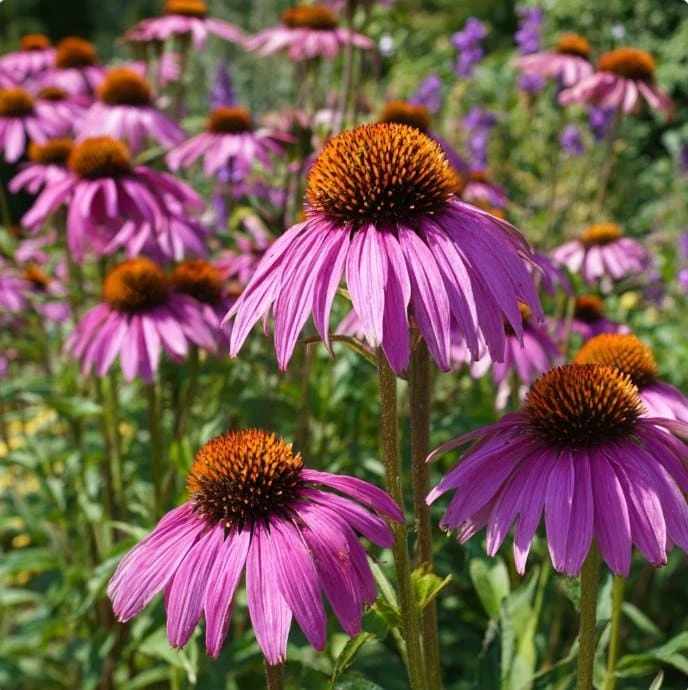
Purple Coneflower Seeds – Echinacea purpurea – 200 Seeds – Hardy Perennial for Pollinator Gardens

Reviews
There are no reviews yet.