
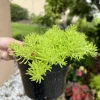
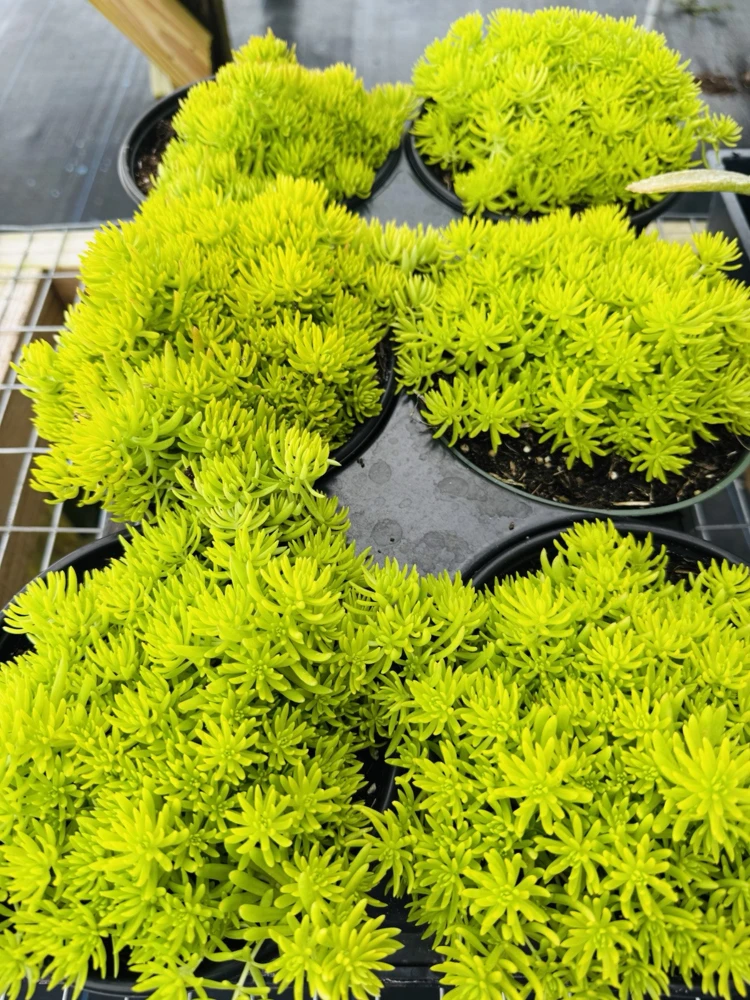
Stonecrop Live Plant – Low Maintenance Succulent for Indoor & Outdoor
Original price was: $39.99.$19.99Current price is: $19.99.
Enhance your space with a beautiful stonecrop live plant, a versatile and resilient succulent. Ideal for both indoor and outdoor settings, this low-maintenance plant adds texture and interest to any garden or home. Perfect for beginners and busy plant enthusiasts alike.
Estimated arrival
Oct 27
Nov 01 - Nov 03
Nov 06 - Nov 10
Shop With Confidence
30-Day Plant Health Guarantee
Arrives damaged? We’ll replace it free — see our return policy.
Responsive Support
Email us anytime, we reply within 1 business day.
Expert Packaging
Temperature-controlled shipping to protect your plants in transit.
Secure Checkout
Pay safely with Visa, Mastercard, PayPal.
Plant Specifications
-
USDA Hardiness Zone
USDA zones 3-9 (varies by variety) -
Soil Type
Well-draining, sandy or gritty soil -
Sunlight Exposure
Full sun to partial shade (prefers full sun) -
Expected Planting Period
Spring to early summer
Overview
Introducing the remarkable stonecrop live plant, a fantastic addition to any plant collection. Known for its incredible versatility and ease of care, stonecrop, often referred to by its botanical name Sedum, is a genus of succulent plants with thick, fleshy leaves. These plants are celebrated for their ability to thrive in a wide range of conditions, making them a popular choice for both seasoned gardeners and beginners. Whether you’re looking to create a vibrant rock garden, fill a container with interesting textures, or establish a beautiful ground cover, a stonecrop live plant offers an attractive and robust solution. Its unique foliage and occasional star-shaped flowers provide continuous visual appeal throughout the seasons.
The stonecrop live plant is a testament to nature’s resilience, requiring minimal attention while delivering maximum impact. Its drought-tolerant nature means it can withstand periods of dryness, making it an excellent choice for xeriscaping or for those who prefer a low-watering routine. These succulents come in a vast array of shapes, sizes, and colors, from creeping varieties perfect for cascading over edges to upright forms that add structure to garden beds. Each stonecrop live plant is carefully cultivated to ensure it arrives healthy and ready to flourish in its new home.
Key Benefits
Choosing a stonecrop live plant brings numerous advantages to your home or garden. Its hardiness and beauty make it a standout choice for various applications, providing both aesthetic pleasure and practical benefits.
- Low Maintenance: Stonecrop plants are incredibly forgiving and require minimal attention, making them perfect for busy individuals or those new to gardening. They thrive on neglect, asking for little more than adequate sunlight and occasional watering. This makes stonecrop plant care exceptionally straightforward.
- Drought Tolerance: With their succulent leaves, stonecrops are highly efficient at storing water. This allows them to endure dry spells, reducing the need for frequent watering and making them ideal for arid climates or water-wise gardens. They are truly drought-tolerant plants.
- Versatile Landscaping: From ground cover and rock gardens to container plantings and green roofs, the succulent stonecrop adapts beautifully to various landscape designs. Its diverse forms and colors provide endless possibilities for creative gardening.
- Attractive Foliage: Stonecrops boast a wide range of leaf colors, including greens, blues, reds, and even variegated patterns. The fleshy, often geometric leaves add unique texture and visual interest to any setting, offering year-round beauty.
- Pollinator Friendly: Many stonecrop varieties produce clusters of small, star-shaped flowers that attract beneficial pollinators like bees and butterflies, contributing to the health of your local ecosystem.
- Hardy & Resilient: These plants are known for their ability to withstand harsh conditions, including poor soil, extreme temperatures, and limited water. This resilience ensures your sedum plant will thrive where other plants might struggle.
- Easy Propagation: Stonecrops are remarkably easy to propagate from cuttings, allowing you to expand your collection or share with friends with minimal effort. This makes them a very rewarding plant to grow.
Plant Care & Growing Tips
Caring for your stonecrop live plant is refreshingly simple, allowing you to enjoy its beauty without extensive effort. These resilient succulents are known for their ability to thrive in conditions that might challenge other plants, making stonecrop plant care an enjoyable and rewarding experience. For optimal growth, ensure your stonecrop receives ample sunlight.
Stonecrops generally prefer full sun, meaning at least six hours of direct sunlight per day. If grown indoors, a south-facing window or a spot with bright, indirect light will be ideal. While they can tolerate some partial shade, too little light can lead to leggy growth and less vibrant foliage. When it comes to watering, less is often more. Allow the soil to dry out completely between waterings to prevent root rot, which is a common issue for succulents. In most climates, established outdoor stonecrops may only need watering during extended dry periods. For potted plants, check the soil moisture every week or two.
The right soil is crucial for a healthy succulent stonecrop. They thrive in well-draining soil that prevents water from sitting around their roots. A sandy or gritty soil mix, often formulated for cacti and succulents, is ideal. Avoid heavy clay soils that retain too much moisture. Stonecrops are remarkably adaptable to various temperatures and are often quite cold-hardy, with many varieties performing well in USDA zones 3-9. Fertilization is rarely necessary; if you choose to fertilize, do so sparingly with a balanced, diluted liquid fertilizer during the growing season. Keep an eye out for pests like aphids or mealybugs, though stonecrops are generally pest-resistant. Addressing issues early will help maintain a healthy sedum plant.
Size & Details
This stonecrop live plant typically arrives as a well-rooted specimen, ready for immediate planting. While specific dimensions can vary by variety, most stonecrops establish quickly and begin to spread or grow upright, depending on their type. Creeping varieties can form dense mats, often reaching 4-8 inches in height and spreading significantly, while upright types can grow from 1 to 2 feet tall. The plant will be shipped in a nursery pot, ensuring its root system is protected during transit and ready for transplanting into your chosen container or garden bed. Expect robust growth, especially during the spring and summer months, as these are naturally fast-growing succulents when conditions are favorable.
Upon arrival, the plant will be a compact, healthy specimen, typically grown to a size suitable for safe shipping and easy establishment. Over time, with proper stonecrop plant care, it will mature to its full potential, providing a beautiful display of foliage and, for many varieties, charming blooms. The exact growth rate and ultimate size will depend on local climate conditions, sunlight exposure, and care practices. This makes it an ideal choice for various garden designs, from small urban balconies to extensive garden landscapes, showcasing its versatility as a drought-tolerant plant.
Frequently Asked Questions
- Q: How big does this stonecrop live plant get? A: The size varies by variety. Creeping stonecrops typically grow 4-8 inches tall and spread widely, while upright types can reach 1-2 feet in height. Your plant will grow to its mature size over one to two growing seasons with proper care.
- Q: What size pot does it come in? A: The stonecrop live plant is typically shipped in a standard nursery pot, usually a 2-4 inch container, to ensure its root system is protected and ready for transplanting upon arrival.
- Q: Is this an indoor or outdoor plant? A: Many stonecrop varieties are versatile and can thrive both indoors and outdoors, depending on your climate. They are excellent outdoor plants in USDA zones 3-9 but can also make charming houseplants with sufficient light.
- Q: How much sunlight does my succulent stonecrop need? A: Stonecrops generally prefer full sun, meaning at least 6 hours of direct sunlight daily. If grown indoors, place it in a bright, south-facing window.
- Q: Is this plant easy to care for? A: Yes, stonecrops are renowned for being incredibly easy to care for and are considered low-maintenance plants. They are perfect for beginners and those looking for a resilient addition to their garden. They truly embody easy stonecrop plant care.
- Q: What condition will it arrive in? A: Your sedum plant will arrive as a healthy, well-rooted specimen, carefully packaged to minimize stress during transit. Some minor soil displacement might occur, but the plant itself will be in good condition.
- Q: Is it shipped in soil? A: Yes, the stonecrop live plant is shipped rooted in its nursery pot with soil to ensure its vitality and ease of transition into your garden or container.
- Q: When is the best time to plant a drought-tolerant plant like stonecrop? A: Stonecrops can be planted in spring or early summer after the last frost, allowing them ample time to establish before colder weather. They can also be planted in early fall in milder climates.
- Q: Will it survive winter in my zone? A: Many stonecrop varieties are very cold-hardy and can survive winters in USDA zones as low as 3. Check the specific variety for its hardiness rating, but generally, they are very robust.
- Q: How often should I water my stonecrop live plant? A: Water sparingly. Allow the soil to dry out completely between waterings. Overwatering is the most common cause of stonecrop issues. In the ground, established plants may only need water during prolonged dry spells.
Be the first to review “Stonecrop Live Plant – Low Maintenance Succulent for Indoor & Outdoor”
People Also Viewed


Vegetable Seeds
Yellow Crookneck Squash Seeds – 50 Seed Pack – Summer Vegetable
Vegetables
Sugar Rush Peach Pepper Live Plants – 2 Seedlings, 4-6 Inches Tall for Indoor/Outdoor Garden
Reviews
There are no reviews yet.