
String Of Turtles Live Plant – Rare Trailing Houseplant for Indoor Decor
Original price was: $81.99.$61.99Current price is: $61.99.
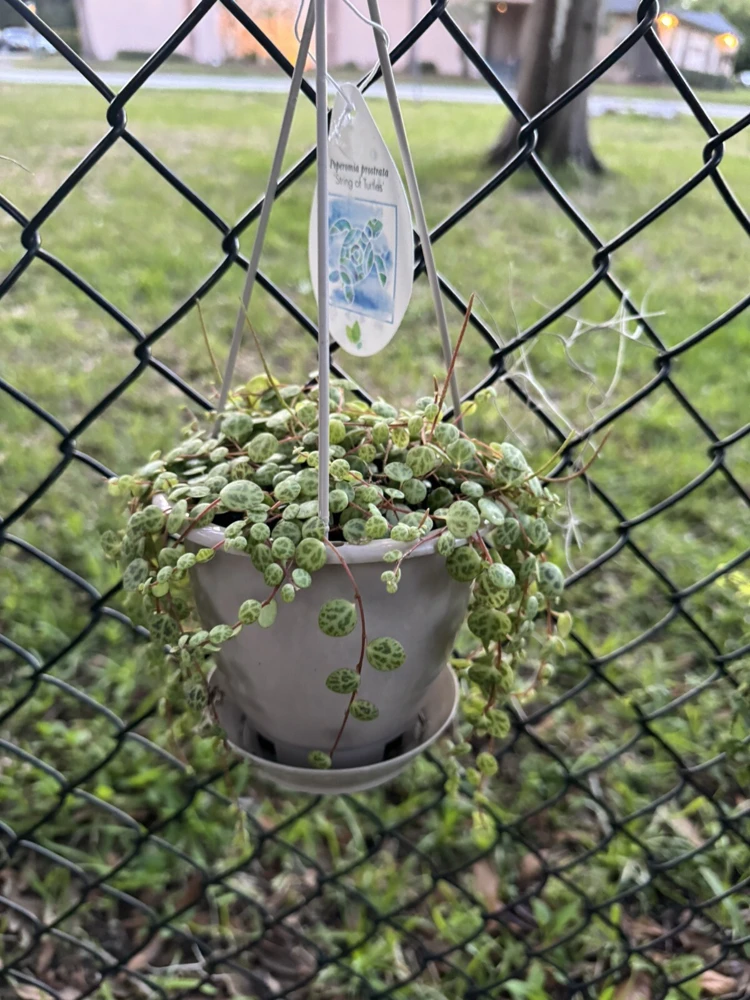
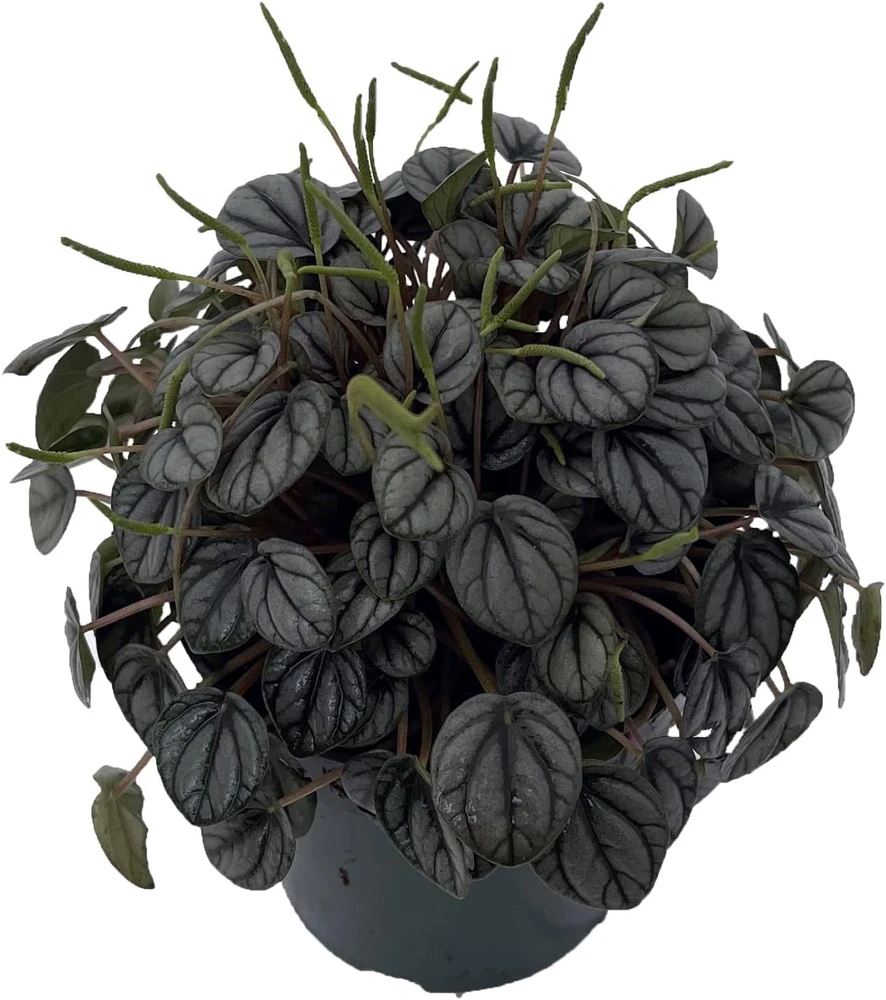
Introduce the captivating string of turtles live plant to your home. This unique trailing succulent, also known as Peperomia prostrata, features small, round leaves resembling miniature turtle shells. It’s a perfect choice for hanging baskets or shelves, offering a whimsical touch to any indoor decor. Enjoy its easy care and distinctive beauty.
Estimated arrival
Oct 27
Nov 01 - Nov 03
Nov 06 - Nov 10
Shop With Confidence
30-Day Plant Health Guarantee
Arrives damaged? We’ll replace it free — see our return policy.
Responsive Support
Email us anytime, we reply within 1 business day.
Expert Packaging
Temperature-controlled shipping to protect your plants in transit.
Secure Checkout
Pay safely with Visa, Mastercard, PayPal.
Plant Specifications
-
USDA Hardiness Zone
USDA zones 10-12 (if grown outdoors), typically grown as indoor houseplant -
Soil Type
Well-draining potting mix, ideally succulent or peat-based mix -
Sunlight Exposure
Bright indirect light -
Expected Planting Period
Year-round indoors
Overview
The string of turtles live plant, scientifically known as Peperomia prostrata, is a highly sought-after and charming succulent renowned for its distinctive foliage. This delightful trailing houseplant gets its common name from its small, round, succulent leaves that are intricately patterned, resembling the shells of tiny turtles strung along delicate vines. Originating from the rainforests of Brazil, this plant thrives in warm, humid environments, making it an excellent choice for indoor cultivation. It’s a relatively compact plant, making it ideal for smaller spaces, desks, or as an accent in a larger plant collection. Its unique appearance makes it a conversation starter and a favorite among plant enthusiasts looking for something beyond the ordinary. The string of turtles live plant adds a touch of whimsical elegance to any room, whether cascading from a hanging planter or gracefully draping over the edge of a shelf.
As a member of the Peperomia genus, the Peperomia prostrata is known for its versatility and relatively easy care, appealing to both novice and experienced plant parents. Its slow to moderate growth rate allows for controlled development, ensuring it won’t quickly outgrow its designated space. The delicate vines can reach impressive lengths over time, creating a lush, living curtain of turtle-like leaves. This plant is not only beautiful but also non-toxic to pets, adding to its appeal for households with furry friends. If you’re looking to enhance your indoor jungle with a truly special specimen, the string of turtles live plant is an exceptional choice that promises visual intrigue and a serene presence.
Key Benefits
The string of turtles live plant offers a multitude of benefits that make it a cherished addition to any indoor plant collection. Its unique aesthetic and manageable care requirements contribute to its widespread popularity, enhancing both the beauty and tranquility of your living space.
- Unique Ornamental Appeal: The most striking feature of the string of turtles live plant is its captivating foliage. The small, succulent leaves with their intricate patterns resemble miniature turtle shells, creating a whimsical and eye-catching display. It’s truly a rare trailing houseplant that stands out.
- Compact & Versatile: Its moderate growth habit and trailing nature make it perfect for a variety of indoor settings. It thrives in hanging baskets, on high shelves, or as a desk plant, adding charm without occupying too much space.
- Easy to Care For: Despite its exotic appearance, Peperomia prostrata is surprisingly low-maintenance. It tolerates a range of indoor conditions and doesn’t demand constant attention, making peperomia prostrata care straightforward for busy individuals.
- Pet-Friendly: Unlike many houseplants, the string of turtles live plant is non-toxic to cats and dogs, providing peace of mind for pet owners who want to safely green up their homes.
- Air Purification: Like other houseplants, it contributes to a healthier indoor environment by helping to filter airborne toxins, improving the overall air quality in your home.
- Stress Reduction: The presence of greenery, especially unique and beautiful plants like this one, has been shown to reduce stress and improve mood, contributing to a more calming and pleasant atmosphere.
- Propagates Easily: For those who enjoy expanding their plant collection, how to grow string of turtles from cuttings is relatively simple, allowing you to share its beauty with friends or grow more for yourself.
Plant Care & Growing Tips
Proper peperomia prostrata care is essential to ensure your string of turtles live plant thrives and displays its full beauty. This plant prefers conditions that mimic its native rainforest habitat, with bright, indirect light and consistent humidity. Avoid direct, harsh sunlight, which can scorch its delicate leaves; an east or north-facing window is often ideal. If natural light is scarce, a grow light can provide the necessary illumination. Aim for bright, filtered light for at least 4-6 hours a day. The key to successful cultivation lies in balancing light, water, and humidity to prevent common issues like root rot or leaf drop.
When it comes to watering, the string of turtles live plant prefers its soil to dry out almost completely between waterings. Overwatering is a common mistake and can quickly lead to root rot. Check the soil moisture by sticking your finger about an inch or two deep; if it feels dry, it’s time to water thoroughly until water drains from the bottom of the pot. During winter months, reduce watering frequency as the plant’s growth slows. High humidity is appreciated, so consider placing the plant near a humidifier, grouping it with other plants, or using a pebble tray. Good air circulation is also beneficial to prevent fungal issues. For optimal growth, use a well-draining potting mix, ideally one formulated for succulents or a mix of peat, perlite, and orchid bark. Fertilize sparingly during the growing season (spring and summer) with a diluted liquid houseplant fertilizer. Keep an eye out for pests like mealybugs or spider mites, and address any infestations promptly with insecticidal soap.
Size & Details
The string of turtles live plant is typically sold as a young, established plant, often with vines already beginning to trail. While specific measurements can vary, a common size for purchase might be a plant in a 2-4 inch nursery pot, with vines ranging from 4-8 inches in length. As it matures, the vines can grow significantly longer, reaching up to 1-2 feet or more under optimal conditions, creating a beautiful cascading effect. The individual ‘turtle shell’ leaves are small, usually less than half an inch in diameter, and densely packed along the stems. This plant has a moderate growth rate, gradually filling out its space and extending its charming trails. It is shipped as a live, rooted plant, carefully packaged to ensure its safe arrival. Expect it to establish itself quickly in its new environment, ready to bring its unique charm to your home.
Frequently Asked Questions
- Q: How big does this plant get? A: The string of turtles live plant is a trailing succulent whose vines can grow up to 1-2 feet long or more over time, creating a beautiful cascading effect. The plant itself remains relatively compact at the base.
- Q: What size pot does it come in? A: While sizes can vary, it is commonly sold in a 2-4 inch nursery pot, with established roots and beginning trails. You may wish to repot it into a slightly larger hanging basket or decorative pot upon arrival.
- Q: Is this an indoor or outdoor plant? A: The string of turtles live plant is primarily an indoor houseplant, thriving in typical home environments. It can be placed outdoors in shaded, humid areas during warm summer months in appropriate climates, but it is not frost-tolerant.
- Q: How much sunlight does it need? A: It prefers bright, indirect light. Avoid direct sun, which can scorch its leaves. An east or north-facing window is ideal, or a spot a few feet away from a south or west-facing window.
- Q: Is this plant easy to care for? A: Yes, peperomia prostrata care is considered relatively easy, making it suitable for both beginners and experienced plant enthusiasts. Its main requirements are bright, indirect light and careful watering to avoid overwatering.
- Q: What condition will it arrive in? A: Your string of turtles live plant will arrive as a healthy, rooted plant, carefully packaged to minimize stress during transit. Some minor leaf drop can occur during shipping, but the plant should recover quickly.
- Q: Is it pet-safe? A: Yes, the string of turtles live plant (Peperomia prostrata) is non-toxic to cats and dogs, making it a safe choice for households with pets.
- Q: How often should I water my string of turtles indoor plant? A: Water thoroughly when the top inch or two of soil feels dry to the touch. This typically means once every 1-2 weeks, but it can vary based on light, humidity, and pot size. Always check the soil before watering.
- Q: How do I propagate the string of turtles? A: You can easily propagate the string of turtles live plant from stem cuttings. Simply snip a section of vine with a few nodes, remove the bottom leaves, and place it in moist soil or water until roots develop.
- Q: Why are my string of turtles leaves falling off? A: Leaf drop can be a sign of overwatering or under watering. Check your soil moisture. It can also be caused by sudden temperature changes or insufficient light. Adjust your how to grow string of turtles conditions accordingly.
Be the first to review “String Of Turtles Live Plant – Rare Trailing Houseplant for Indoor Decor”
People Also Viewed
Houseplants
Lucky Bamboo Live Plant – Dracaena Sanderiana – 4 Inch Pot – Indoor Houseplant for Good Fortune
Reviews
There are no reviews yet.