



Kiwi Vine Live Plant – Tropical Fruit Plant in Pot
Original price was: $60.99.$49.99Current price is: $49.99.
Bring the taste of the tropics to your backyard with this kiwi vine live plant. This vigorous tropical fruit plant is ready to thrive in your garden, offering delicious fruit and lush foliage. Perfect for trellises or arbors.
Estimated arrival
Oct 27
Nov 01 - Nov 03
Nov 06 - Nov 10
Shop With Confidence
30-Day Plant Health Guarantee
Arrives damaged? We’ll replace it free — see our return policy.
Responsive Support
Email us anytime, we reply within 1 business day.
Expert Packaging
Temperature-controlled shipping to protect your plants in transit.
Secure Checkout
Pay safely with Visa, Mastercard, PayPal.
Plant Specifications
-
USDA Hardiness Zone
USDA zones 4-9 -
Soil Type
Well-draining, slightly acidic to neutral soil -
Sunlight Exposure
Full sun (6-8 hours daily) -
Expected Planting Period
Spring
Overview
Cultivate your own delicious fruit with this vibrant kiwi vine live plant. This particular variety, often associated with tropical climates, is a fantastic addition for gardeners looking to grow something unique and flavorful at home. Kiwi vines are known for their vigorous growth and the sweet, tangy fruit they produce. Imagine harvesting fresh, ripe kiwis directly from your garden, eliminating the need for store-bought alternatives. This tropical fruit plant is shipped potted, ensuring it arrives healthy and ready for planting, whether you’re establishing a new fruit garden or adding to an existing collection. With proper care, these vines can become a long-lasting and productive feature in your landscape, rewarding you with abundant harvests year after year.
The kiwi vine is not only cherished for its fruit but also for its ornamental value. Its lush green foliage provides excellent coverage for pergolas, fences, or arbors, creating a beautiful and edible landscape feature. This specific kiwi vine live plant is a wonderful choice for both novice and experienced gardeners who desire to expand their fruit-growing endeavors. It adapts well to various growing conditions, making it a versatile option for many regions. Enjoy the satisfaction of nurturing a plant that provides both aesthetic appeal and a bountiful supply of nutritious fruit.
Key Benefits
Adding a kiwi vine to your garden offers numerous advantages, from fresh produce to ornamental beauty. This potted kiwi vine is an excellent investment for any home gardener.
- Fresh, Homegrown Fruit: Enjoy the unparalleled flavor of fresh, ripe kiwis picked directly from your vine. Homegrown fruit often tastes superior to store-bought varieties, and you control the growing conditions, ensuring a healthier product.
- Ornamental Value: Beyond its fruit, the kiwi vine boasts lush, attractive foliage that can enhance any garden space. It’s perfect for covering unsightly walls, fences, or creating a shaded, green canopy over a patio.
- Vigorous Growth: Kiwi vines are known for their robust and rapid growth, quickly establishing themselves and providing substantial coverage and fruit production in a relatively short period.
- Nutrient-Rich Harvests: Kiwis are packed with vitamins (especially Vitamin C), antioxidants, and fiber, contributing to a healthy diet. Growing kiwi at home ensures a fresh supply of these beneficial nutrients.
- Rewarding Gardening Experience: There’s immense satisfaction in watching your own fruit grow from a small plant to a productive vine. This kiwi vine live plant offers a fulfilling gardening journey.
- Versatile Use: The fresh fruit can be enjoyed in countless ways – eaten raw, added to smoothies, desserts, salads, or even made into jams and jellies.
- Natural Shade Provider: When trained over a trellis or pergola, the dense foliage of the kiwi vine can provide natural shade during hot summer months, creating a comfortable outdoor living space.
Plant Care & Growing Tips
Caring for your kiwi vine live plant is straightforward, but understanding its specific needs will ensure a healthy, productive plant. Kiwi vines thrive in full sun, requiring at least 6-8 hours of direct sunlight per day to produce the best fruit. Choose a location that receives ample morning sun, as this helps dry dew from the leaves and reduces the risk of fungal diseases. Good air circulation is also beneficial. For soil, a well-draining, slightly acidic to neutral soil (pH 6.0-7.0) is ideal. Amending heavy clay soils with organic matter can improve drainage, while sandy soils may benefit from added compost to retain moisture and nutrients. Consistent moisture is crucial, especially during the growing season and fruit development. Water deeply and regularly, ensuring the soil remains moist but not waterlogged. Avoid letting the soil dry out completely between waterings.
Pruning is essential for both plant health and fruit production. Kiwi vines typically require both winter pruning (dormant pruning) to establish structure and promote fruit-bearing wood, and summer pruning to manage growth and improve light penetration. Support is vital as these are vigorous climbing plants; a sturdy trellis, arbor, or fence is necessary for the vine to climb. Fertilize in early spring with a balanced slow-release fertilizer or an organic compost tea. Protect young plants from late spring frosts, and in colder climates, consider winter protection for the roots. The USDA hardiness zone for most kiwi varieties generally ranges from 4-9, but specific cultivars may vary. Pay attention to pest and disease management, though kiwis are relatively resilient. Regular inspection for common issues will help maintain a healthy tropical fruit plant. Understanding these aspects of kiwi plant care will lead to a thriving vine.
Size & Details
This kiwi vine live plant is provided as a young, actively growing plant in a nursery pot, ready for transplanting into your garden or a larger container. The exact size may vary slightly depending on seasonal growth and availability, but each plant is selected for its vigor and health, ensuring a strong start. Kiwi vines are known for their rapid growth rate, and with optimal conditions, they can quickly establish themselves and begin to produce fruit within a few years. They are typically shipped in a 4-inch or similar sized pot, carefully packaged to protect the plant during transit. Upon arrival, the plant will require immediate attention, including watering and transplanting to its permanent location or a larger pot.
These vines can reach significant lengths, often growing 15-30 feet or more, which is why a robust support structure is so important. The fruit typically matures in late summer to fall, depending on the specific variety and local climate. While the plant is initially compact as a potted seedling, its potential for growth is substantial, making it a long-term addition to your garden. This potted kiwi vine is an excellent foundation for establishing a productive and beautiful fruit-bearing landscape feature. Expect a rewarding journey as you watch this plant grow from a small vine into a prolific fruit producer.
Frequently Asked Questions
- Q: How big does this plant get? A: A kiwi vine live plant is a vigorous grower and can reach lengths of 15-30 feet or more, requiring a strong support structure like a trellis or arbor for optimal growth and fruit production.
- Q: What size pot does it come in? A: The kiwi vine typically arrives in a standard nursery pot, usually around 4 inches in diameter, ensuring it’s well-rooted and ready for transplanting.
- Q: Is this an indoor or outdoor plant? A: Kiwi vines are primarily outdoor plants, thriving in full sun and requiring space to climb. While they can be grown in large containers, they generally perform best when planted directly in the ground.
- Q: How much sunlight does it need? A: For best fruit production, a tropical fruit plant like the kiwi vine needs at least 6-8 hours of direct sunlight per day. Choose a sunny location in your garden.
- Q: Is this plant easy to care for? A: Kiwi vines are relatively easy to care for, especially with proper support and consistent watering. Regular pruning is key for good fruit yield, making kiwi plant care manageable for most gardeners.
- Q: What condition will it arrive in? A: Your potted kiwi vine will arrive carefully packaged, healthy, and actively growing, ready to be transplanted into its new home.
- Q: Can I use kiwi in cooking? A: Absolutely! Fresh kiwis are versatile and delicious, perfect for eating raw, adding to fruit salads, smoothies, desserts, or even making jams and sauces.
- Q: How long until it blooms? A: Kiwi vines typically start to bloom and produce fruit within 2-5 years after planting, depending on growing conditions and care.
- Q: Will it survive winter in my zone? A: Most common kiwi varieties are hardy in USDA Zones 4-9. Check your specific zone and variety information for best results, and provide winter protection in colder regions if needed.
- Q: When is the best time to plant? A: The best time for growing kiwi at home is typically in spring after the last frost, allowing the plant ample time to establish before the heat of summer or the cold of winter.
Be the first to review “Kiwi Vine Live Plant – Tropical Fruit Plant in Pot”
People Also Viewed
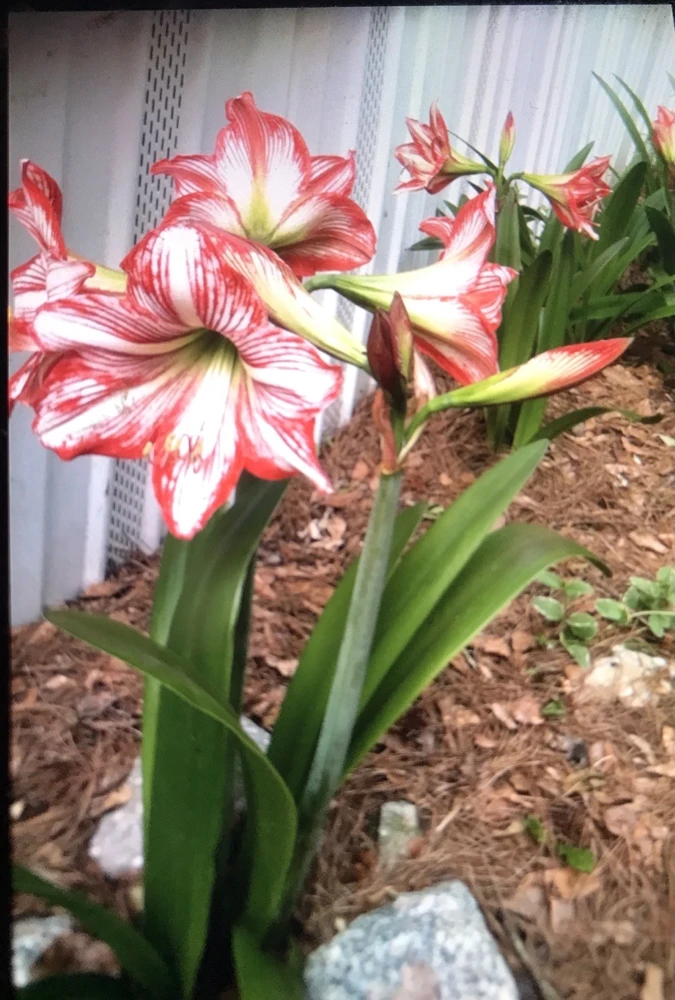
Flower Bulbs
3 White Amaryllis Bulbs with Red Stripes – Hippeastrum Flower Bulbs for Outdoor Planting
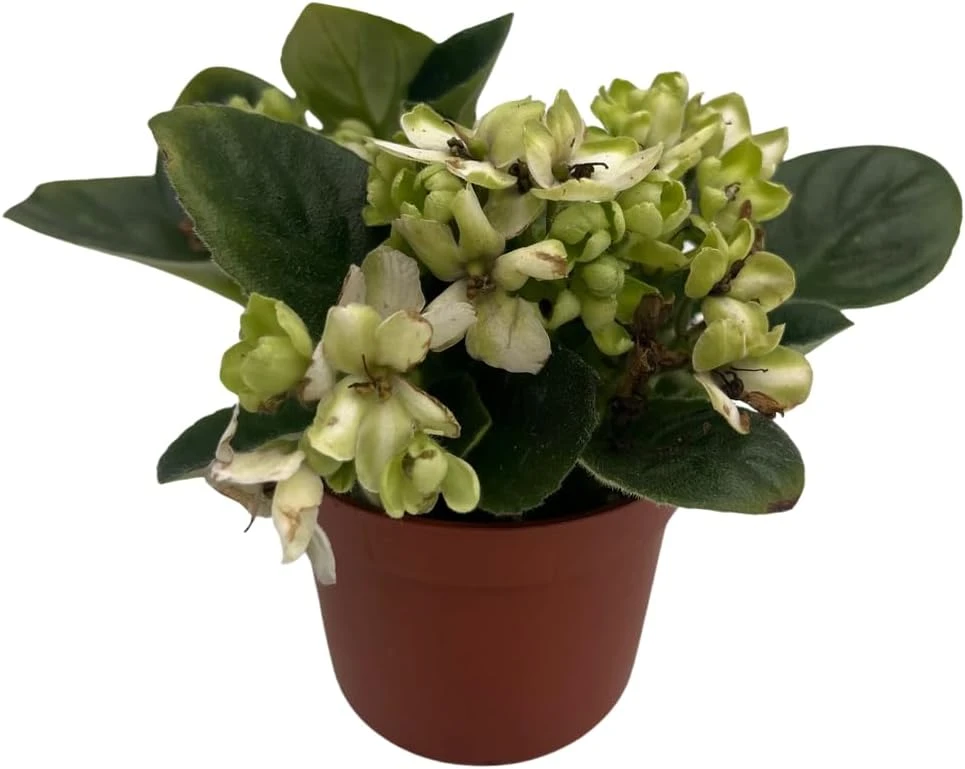

Flower Seeds
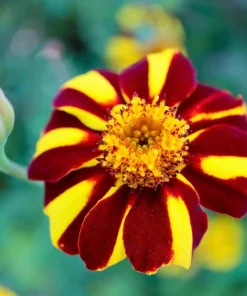
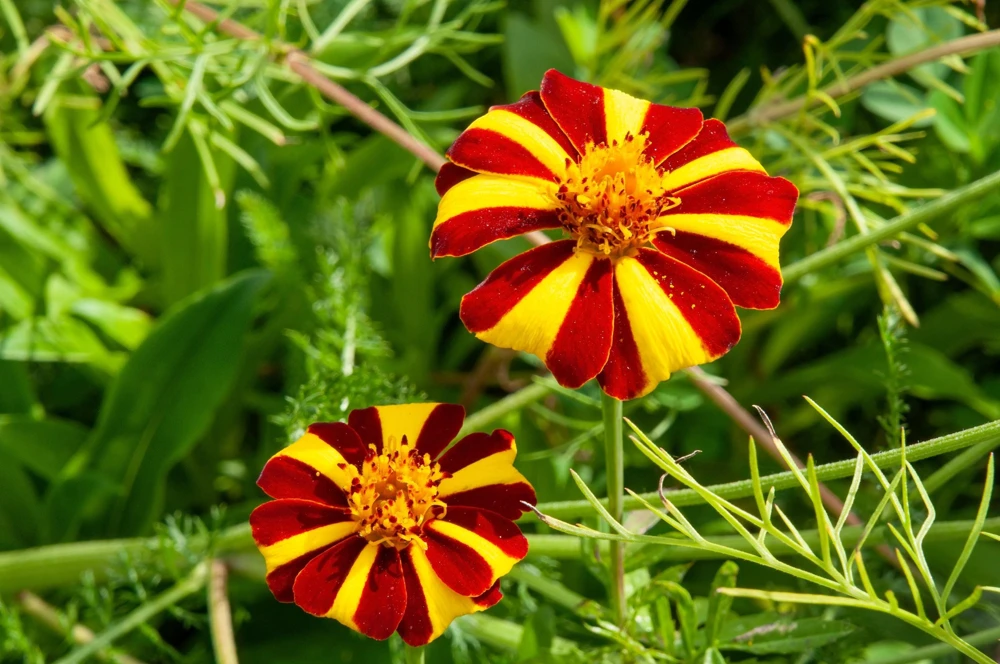
Court Jester Marigold Seeds – French Tagetes Patula Nana – Red Yellow Striped Flowers – 100 Seeds



Reviews
There are no reviews yet.