
Jacob Cline Bee Balm Live Plant – Red Monarda Perennial – Quart Pot – Attracts Pollinators
Original price was: $46.99.$36.99Current price is: $36.99.
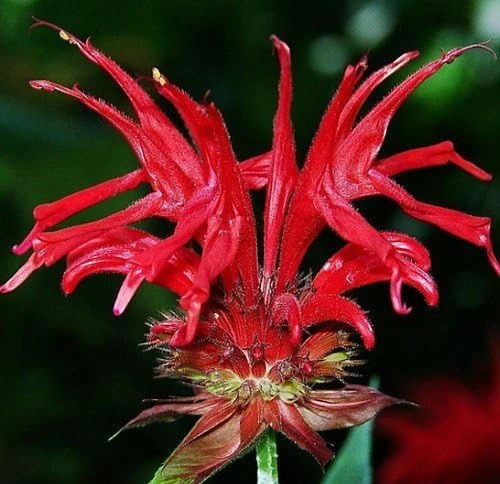
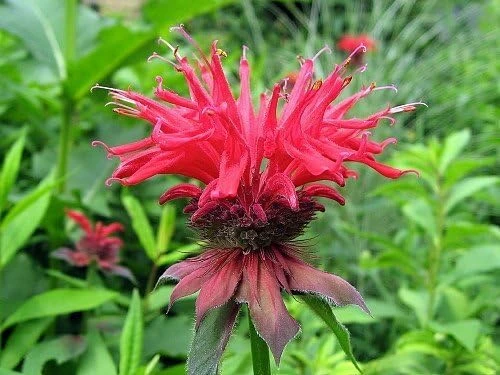
Bring life and color to your garden with the Jacob Cline Bee Balm live plant. This vibrant red Monarda is highly attractive to hummingbirds, bees, and butterflies, making it a pollinator magnet. Its aromatic foliage can also be used to flavor teas.
Estimated arrival
Sep 29
Oct 04 - Oct 06
Oct 09 - Oct 13
Shop With Confidence
30-Day Plant Health Guarantee
Arrives damaged? We’ll replace it free — see our return policy.
Responsive Support
Email us anytime, we reply within 1 business day.
Expert Packaging
Temperature-controlled shipping to protect your plants in transit.
Secure Checkout
Pay safely with Visa, Mastercard, PayPal.
Plant Specifications
-
USDA Hardiness Zone
USDA zones 4-9 -
Soil Type
Rich, moisture-retentive, well-draining soil -
Sunlight Exposure
Full sun to partial shade -
Expected Planting Period
Spring to early summer or early fall
Overview
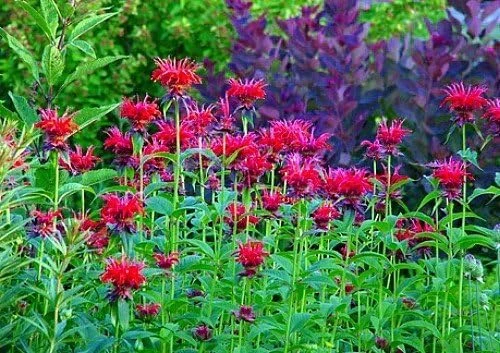
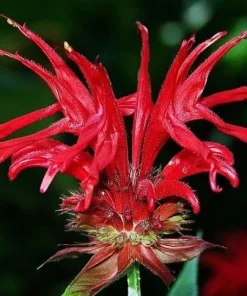
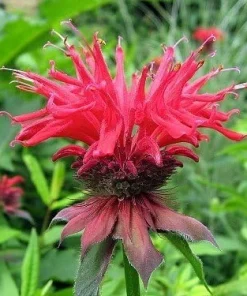
Discover the beauty and benefits of the Jacob Cline Bee Balm live plant, a stunning addition to any garden. This robust perennial, scientifically known as Monarda didyma ‘Jacob Cline’, is renowned for its striking, large, bright red florets that appear in tight clusters from midsummer to fall. More than just a pretty face, this particular variety of Monarda is celebrated for its exceptional mildew resistance, a common issue with other Bee Balm types, ensuring a healthier and more vigorous display in your landscape. The aromatic foliage, when crushed, releases a spicy fragrance, and its leaves can be steeped to create a delightful herbal tea. Native to eastern North America, this easy-to-grow plant quickly establishes itself, forming an impressive fountain-like display of color and attracting a host of beneficial pollinators to your outdoor space.
The Jacob Cline Bee Balm live plant is a true garden workhorse, offering both aesthetic appeal and ecological value. Its vigorous growth and stunning blooms make it a focal point in borders, cottage gardens, or naturalized areas. Gardeners seeking a low-maintenance yet high-impact plant will appreciate its resilience and ability to thrive in various conditions. This mildew resistant bee balm was discovered in Georgia and has since become a favorite among gardeners for its reliability and vibrant color.
Key Benefits
The Jacob Cline Bee Balm live plant offers a multitude of benefits, making it an excellent choice for a diverse and thriving garden. Its unique characteristics contribute to both the beauty and ecological health of your outdoor space.
- Attracts Pollinators: This red Monarda plant is a magnet for hummingbirds, bees, and butterflies, whose sweet nectar provides a vital food source. Planting it will significantly boost pollinator activity in your garden, supporting local ecosystems.
- Mildew Resistance: Unlike many other Bee Balm varieties, ‘Jacob Cline’ is highly resistant to powdery mildew, ensuring its foliage remains healthy and attractive throughout the growing season without constant intervention. This makes it a low-maintenance choice for gardeners.
- Culinary & Herbal Uses: The aromatic leaves of the Jacob Cline Bee Balm live plant can be used to flavor herbal teas, adding a unique, minty-spicy note. This offers a practical and enjoyable benefit directly from your garden.
- Vibrant Red Blooms: Enjoy a spectacular display of large, bright red flowers from midsummer to fall. These showy blooms provide continuous color and visual interest during months when many other plants are fading.
- Easy to Grow: As a North American native, this Monarda for pollinators is incredibly easy to establish and care for, tolerating a range of soil conditions and multiplying quickly to fill garden spaces.
- Fragrant Foliage: When brushed or crushed, the leaves release a pleasant, spicy fragrance, adding another sensory dimension to your garden experience. This natural aroma can deter some pests while delighting humans.
- Deer Resistant: While not completely deer-proof, Monarda is generally less preferred by deer due to its aromatic foliage, offering a degree of protection in areas with deer pressure.
Plant Care & Growing Tips
Caring for your Jacob Cline Bee Balm live plant is straightforward, thanks to its native resilience. To ensure optimal growth and abundant blooms, provide it with the right conditions. This plant thrives in full sun to partial shade; ideally, it should receive at least 6 hours of direct sunlight per day for the best flowering performance and to maintain its renowned mildew resistance. In hotter climates, some afternoon shade can be beneficial to prevent scorching. For soil, the ‘Jacob Cline’ prefers rich, moisture-retentive soil that is well-draining. Amending heavy clay soils with compost will improve drainage and fertility, while sandy soils will benefit from added organic matter to retain moisture.
Watering is crucial, especially during dry spells. Keep the soil consistently moist, but avoid waterlogging, which can lead to root rot. Deep watering less frequently is generally better than shallow, frequent watering. The red Monarda plant is hardy in USDA zones 4-9, making it suitable for a wide range of climates. Fertilize in early spring with a balanced, slow-release granular fertilizer or a layer of compost to support vigorous growth and flowering. Deadheading spent blooms will encourage more flowers and prevent self-seeding if desired. Division every 2-3 years in early spring or fall helps to maintain plant vigor and control its spread, as this Monarda for pollinators can multiply quickly.
Despite its excellent mildew resistance, good air circulation is always beneficial, so avoid overcrowding plants. If any signs of mildew appear (though unlikely with ‘Jacob Cline’), ensure adequate spacing and consider an organic fungicide if necessary. Pests are generally not a major issue, but occasional monitoring for common garden insects is always a good practice. With these simple care guidelines, your Jacob Cline Bee Balm live plant will flourish, providing years of vibrant color and attracting beneficial wildlife to your garden.
Size & Details
The Jacob Cline Bee Balm live plant is shipped in a quart-sized nursery pot, providing a well-established root system ready for planting. Upon arrival, the plant will typically stand between 6-12 inches tall, with healthy foliage ready to grow. This vigorous perennial will quickly establish itself and, once mature, can reach an impressive height of 3-5 feet with a spread of 2-3 feet, forming a beautiful, fountain-like clump. Its growth rate is considered fast, especially when provided with ideal growing conditions. Expect the first vibrant red blooms to appear in its first full growing season after planting, typically from mid-summer into early fall, offering a long season of color.
The plant’s strong, upright stems support the large, showy flower clusters, making it an excellent choice for the back of borders or as a striking specimen plant. The aromatic foliage, often used for bee balm tea, contributes to its overall appeal. This robust plant is known for its ability to multiply, creating dense clumps over time. Division every few years is recommended to maintain plant health and vigor, ensuring a continuous display of its stunning red flowers and its role as a key attraction for pollinators in your garden.
Frequently Asked Questions
- Q: How big does this plant get? A: The Jacob Cline Bee Balm live plant typically grows to a height of 3-5 feet and can spread 2-3 feet wide, forming an attractive clump. Its upright habit makes it a great choice for adding vertical interest to your garden.
- Q: Is this an indoor or outdoor plant? A: This is an outdoor perennial plant, perfectly suited for garden beds, borders, and naturalized areas. It requires outdoor conditions to thrive and bloom effectively.
- Q: How much sunlight does it need? A: The ‘Jacob Cline’ Bee Balm prefers full sun to partial shade. For the most abundant blooms and best mildew resistance, aim for at least 6 hours of direct sunlight daily.
- Q: Is this plant easy to care for? A: Yes, the Jacob Cline Bee Balm live plant is considered easy to care for, especially due to its native resilience and strong mildew resistance. It’s a great choice for both beginner and experienced gardeners.
- Q: What condition will it arrive in? A: Your red Monarda plant will arrive as a healthy, live plant in a quart pot, with a well-established root system, ready for planting in your garden. We ensure careful packaging for safe transit.
- Q: Can I use the leaves for tea? A: Absolutely! The aromatic leaves of this bee balm tea plant can be crushed and steeped to make a delightful herbal tea, offering a refreshing and unique flavor directly from your garden.
- Q: When is the best time to plant? A: The best time to plant your Jacob Cline Bee Balm is in spring after the last frost, or in early fall, allowing the roots to establish before extreme temperatures.
- Q: Will it attract pollinators to my garden? A: Yes, this Monarda for pollinators is a phenomenal attractor of hummingbirds, bees, and butterflies, making it an excellent choice for supporting local wildlife and enhancing biodiversity in your garden.
- Q: Is it resistant to powdery mildew? A: One of the standout features of ‘Jacob Cline’ is its superior resistance to powdery mildew, which is a common issue for many other Bee Balm varieties. This makes it a very low-maintenance and attractive option.
- Q: What type of soil does it prefer? A: It prefers rich, moisture-retentive, and well-draining soil. Amending with organic matter like compost will help ensure optimal growing conditions.
Be the first to review “Jacob Cline Bee Balm Live Plant – Red Monarda Perennial – Quart Pot – Attracts Pollinators”
People Also Viewed
Flower Seeds



Reviews
There are no reviews yet.