
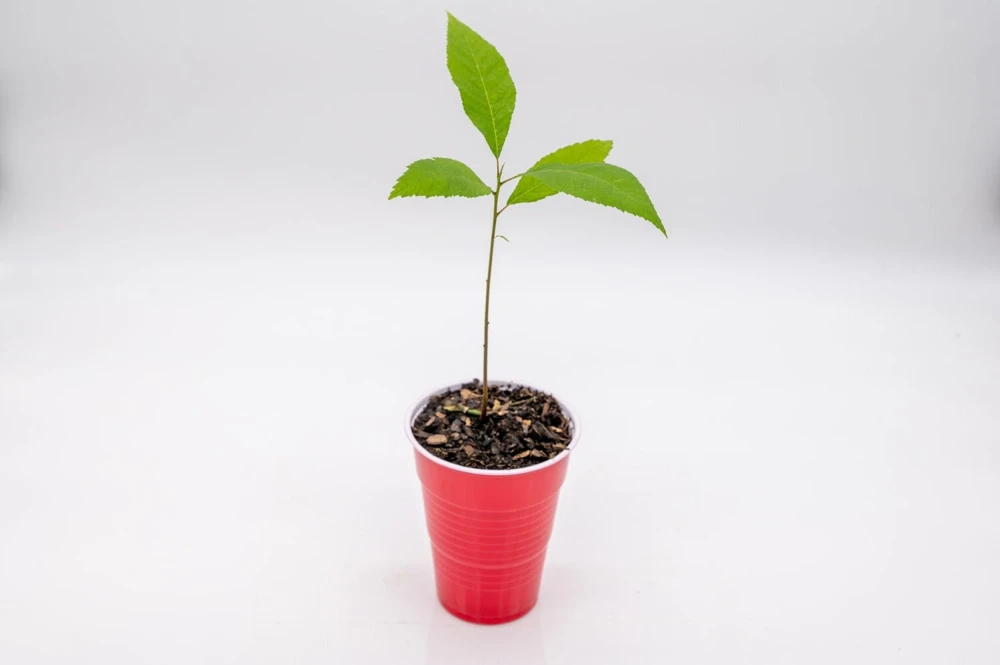
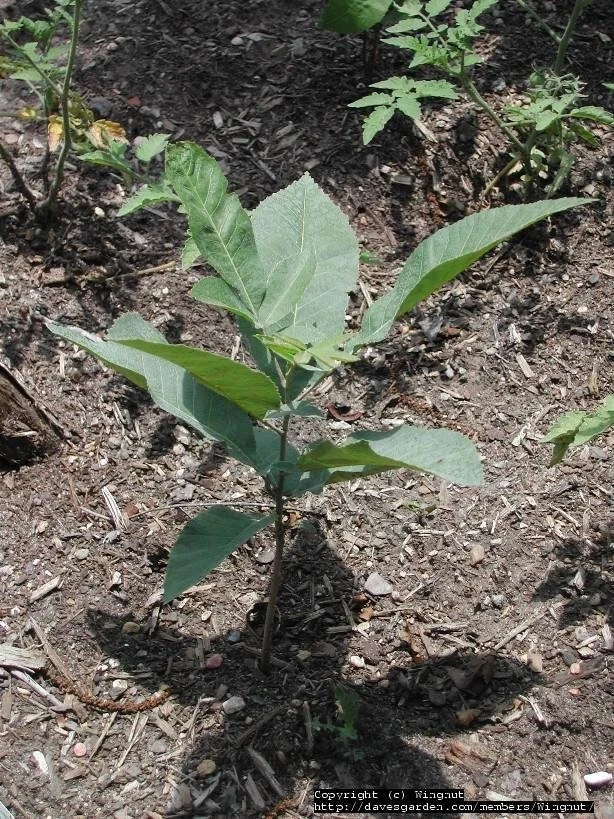
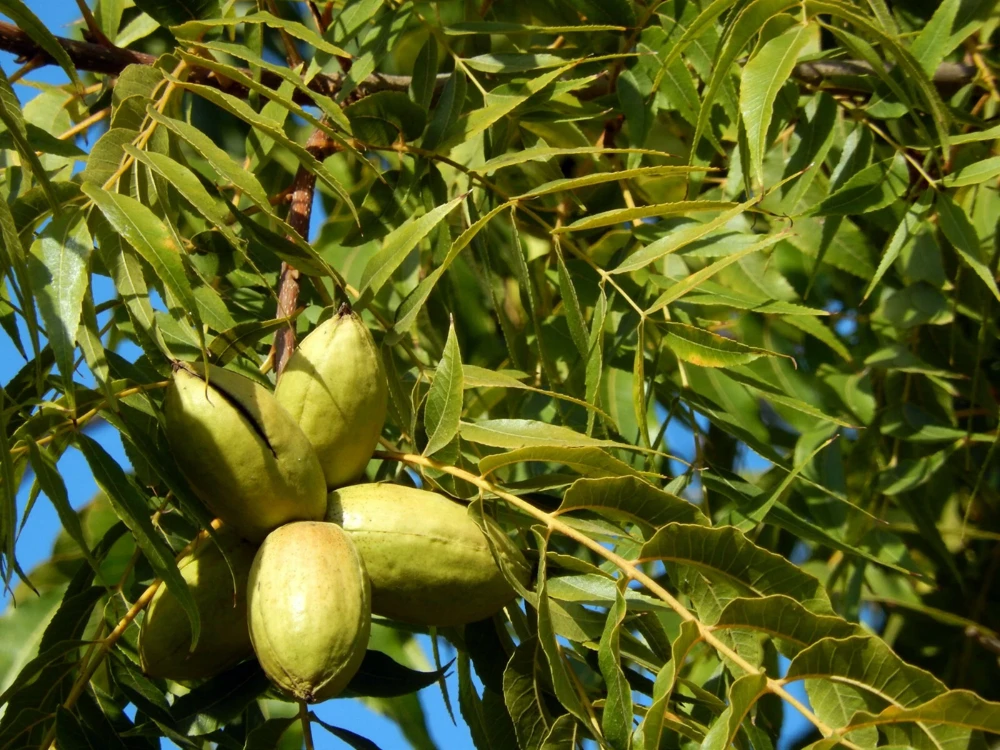
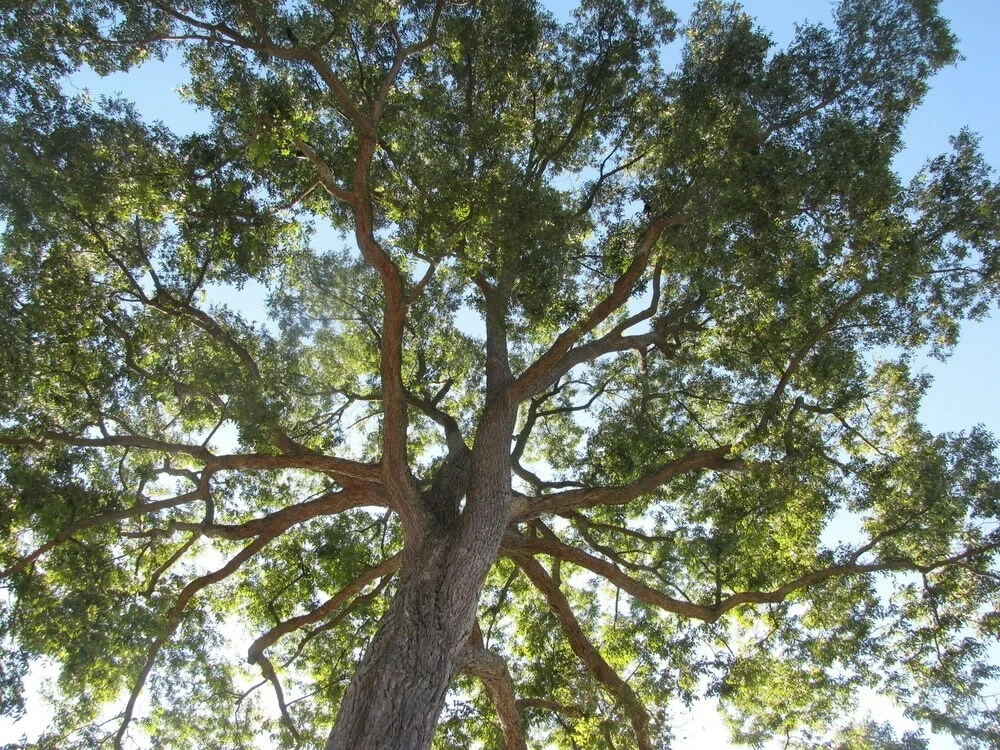
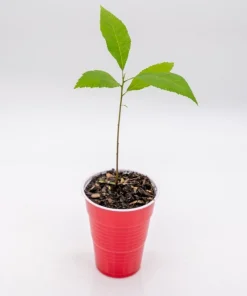
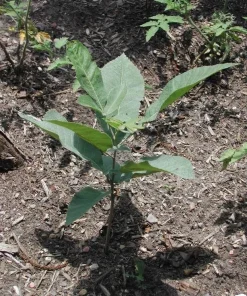
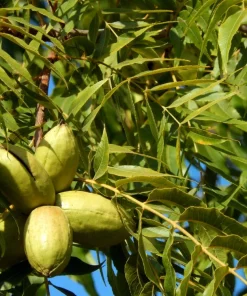
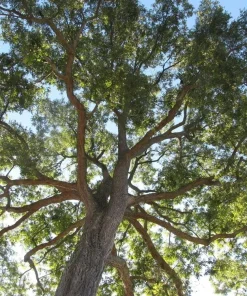
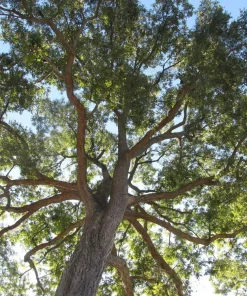
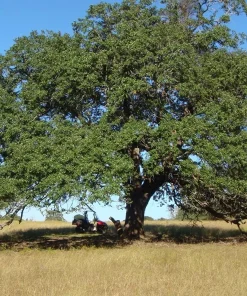
Pecan Tree Seedlings Live Plants – 8+ Inches Tall – Set of 2 – Outdoor Nut Tree
Original price was: $56.49.$36.49Current price is: $36.49.
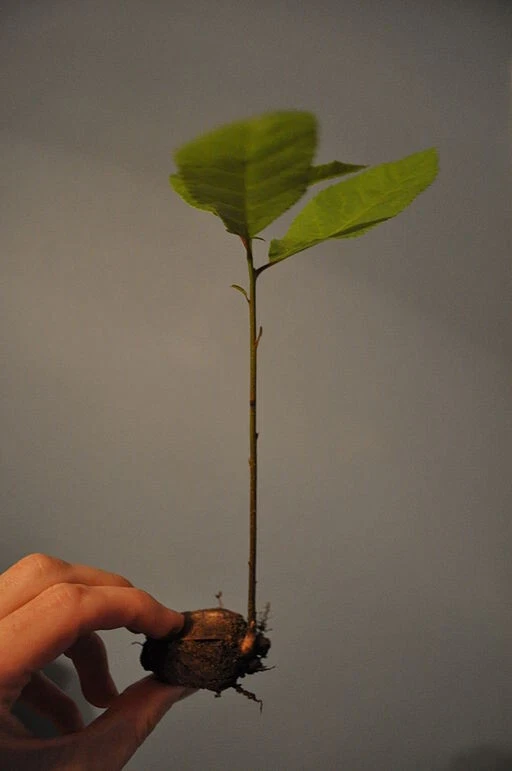
Cultivate your own delicious pecans with this set of two pecan tree seedlings. Each live plant is over 8 inches tall, ready to establish in your garden. These hardy live pecan plants are perfect for homeowners looking to add a productive nut tree to their landscape.
Estimated arrival
Oct 15
Oct 20 - Oct 22
Oct 25 - Oct 29
Shop With Confidence
30-Day Plant Health Guarantee
Arrives damaged? We’ll replace it free — see our return policy.
Responsive Support
Email us anytime, we reply within 1 business day.
Expert Packaging
Temperature-controlled shipping to protect your plants in transit.
Secure Checkout
Pay safely with Visa, Mastercard, PayPal.
Plant Specifications
-
USDA Hardiness Zone
USDA Zones 6-9 -
Soil Type
Deep, well-draining sandy loam -
Sunlight Exposure
Full sun (6-8+ hours direct light) -
Expected Planting Period
Late winter to early spring
Overview
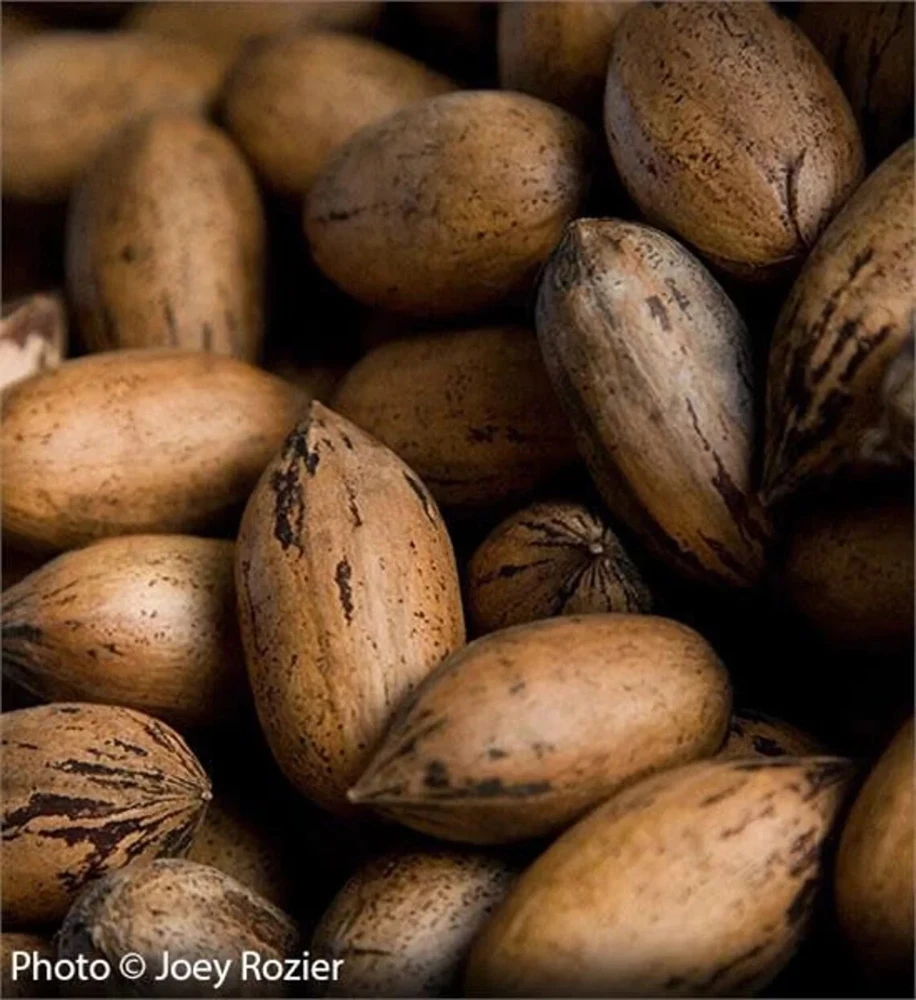
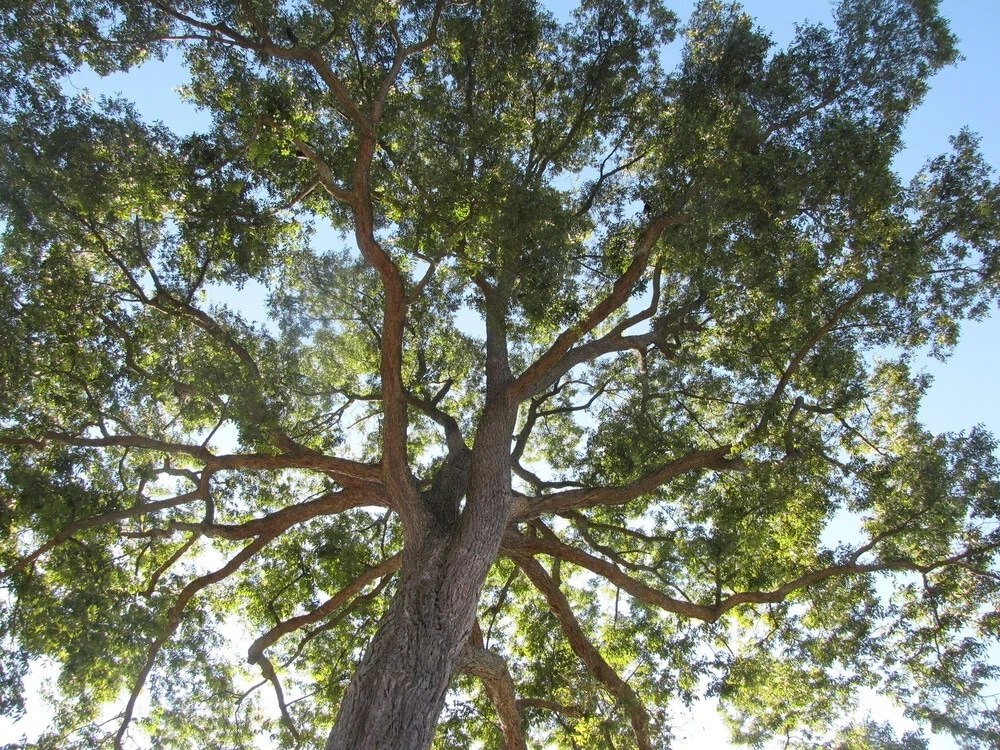
Embark on the rewarding journey of growing your own nuts with these robust pecan tree seedlings. This offering includes a set of two healthy, live pecan plants, each measuring over 8 inches tall, providing a strong start for your future pecan orchard or garden feature. The pecan tree, scientifically known as Carya illinoinensis, is a magnificent deciduous tree native to North America, celebrated for its delicious and nutritious nuts. These live pecan plants are an excellent choice for gardeners and homeowners seeking to add a long-term, productive, and aesthetically pleasing tree to their property. With proper care, these seedlings will mature into stately trees, offering shade and bountiful harvests for generations.
Our pecan tree seedlings are carefully selected to ensure vigor and health upon arrival. Growing your own pecans offers not only fresh, organic nuts but also the satisfaction of nurturing a tree from its early stages. Whether you’re an experienced arborist or a budding gardener, these seedlings provide a fantastic opportunity to cultivate a valuable and beautiful addition to your landscape. Consider these pecan tree seedlings as an investment in sustainable living and future enjoyment.
Key Benefits
Investing in pecan tree seedlings brings a multitude of advantages to your home and garden. These trees are not only productive but also offer significant aesthetic and environmental benefits.
- Produces Delicious Nuts: Enjoy a continuous supply of fresh, homegrown pecans, perfect for baking, snacking, or gifting. The quality and flavor of homegrown nuts often surpass store-bought varieties.
- Long-Term Investment: Pecan trees are known for their longevity, often living for over 100 years. Planting these live pecan plants today means creating a legacy for future generations.
- Shade and Landscape Value: Mature pecan trees provide excellent shade, reducing cooling costs in summer and enhancing the beauty of your property with their expansive canopy and attractive foliage.
- Wildlife Attraction: The nuts produced by pecan trees can attract various wildlife, adding to the biodiversity of your garden ecosystem.
- Environmental Benefits: Like all trees, pecan trees contribute to air purification, carbon sequestration, and soil stabilization, making your property more environmentally friendly.
- Hardy and Adaptable: Pecan trees are generally hardy and can adapt to a range of soil types and climates, making them a reliable choice for many regions.
- Satisfaction of Growing Your Own Food: There’s immense satisfaction in harvesting food from your own garden, and these pecan tree seedlings offer just that.
Plant Care & Growing Tips
To ensure your pecan tree seedlings thrive, proper care and planting techniques are essential. Pecan trees prefer a location with ample sunlight and well-draining soil. Choose a site that receives at least 6-8 hours of direct sunlight daily. The soil should be deep, fertile, and well-drained, ideally a sandy loam. Avoid heavy clay soils or areas where water tends to stand, as pecans do not tolerate wet feet. Before planting your live pecan plants, it’s beneficial to amend the soil with organic matter to improve fertility and drainage. Dig a hole twice as wide as the root ball and just as deep, ensuring the crown of the seedling is level with or slightly above the surrounding soil.
Watering is crucial, especially during the first few years after planting. Young pecan tree seedlings require consistent moisture to establish a strong root system. Water deeply and regularly, particularly during dry spells, ensuring the soil remains moist but not waterlogged. As the trees mature, their water needs will decrease, but they will still benefit from irrigation during prolonged droughts. Fertilization can begin in the second year, using a balanced fertilizer specifically formulated for nut trees or a general-purpose fertilizer. Follow the manufacturer’s recommendations for application rates, typically applied in early spring before new growth emerges. Pruning should focus on developing a strong central leader and removing any competing branches or suckers. This helps in shaping the tree and promoting better nut production.
For those interested in growing pecan trees, be aware of potential pests and diseases. Regular inspection of your trees can help identify issues early. Common problems include pecan scab, aphids, and pecan weevils. Consult local agricultural extension services for specific treatments and preventative measures. Understanding the needs of your pecan tree for sale and providing consistent care will lead to a healthy and productive tree. Remember that patience is key when growing pecan trees, as they can take several years to begin producing nuts.
Size & Details
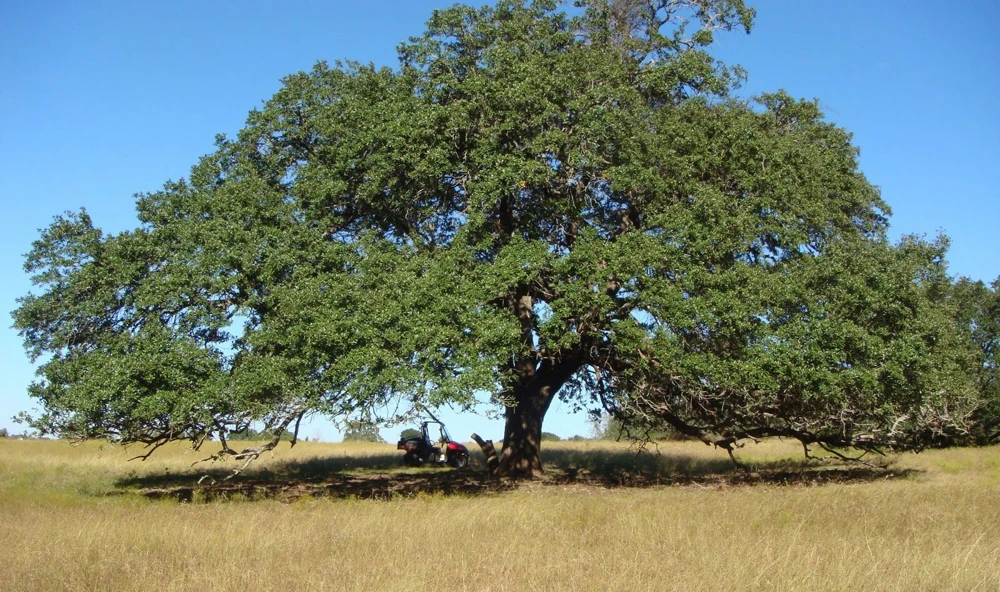
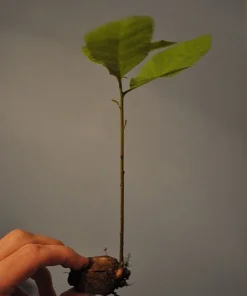
This product includes a set of two healthy pecan tree seedlings, each measuring 8+ inches in height. These young trees are typically shipped as bare-root plants, which is common for deciduous trees during their dormant season, ensuring they transplant easily and establish quickly in their new environment. Pecan trees are known for their strong taproots, which are crucial for their long-term stability and nutrient uptake. Upon receiving your seedlings, it is recommended to plant them as soon as possible to prevent the roots from drying out. These seedlings are in their early growth stage and will require several years to mature into nut-producing trees. The growth rate of the pecan tree can vary depending on soil conditions, climate, and care, but they are generally fast-growing once established. Expect these live pecan plants to eventually reach impressive heights, often between 70 to 100 feet tall with a spread of 40 to 75 feet, providing significant shade and a bountiful harvest over many decades.
Frequently Asked Questions
- Q: How big are the pecan tree seedlings when they arrive? A: Each pecan tree seedling in this set is at least 8 inches tall. They are young plants, ready for transplanting and further growth in your garden.
- Q: What is the best time to plant these live pecan plants? A: The ideal time for planting live pecan plants is typically in late winter or early spring, during their dormant period, to allow them to establish before the heat of summer.
- Q: How much sun do pecan trees need? A: Pecan trees require full sun exposure, meaning at least 6-8 hours of direct sunlight per day, for optimal growth and nut production.
- Q: How long does it take for a pecan tree to produce nuts? A: While these pecan tree seedlings are a long-term investment, most pecan trees begin producing nuts in 6-10 years, with significant harvests usually starting after 10-15 years.
- Q: What kind of soil is best for growing pecan trees? A: Pecan trees prefer deep, well-draining, fertile soil, ideally a sandy loam. Good drainage is crucial, as they do not tolerate waterlogged conditions.
- Q: Are these pecan tree seedlings suitable for all climates? A: Pecan trees are generally hardy in USDA Zones 6-9. It’s important to check if your specific location falls within these zones for successful growing pecan trees.
- Q: How often should I water my young pecan tree? A: Young pecan tree seedlings need consistent moisture. Water deeply 1-2 times per week, especially during dry periods, ensuring the soil is moist but not saturated.
- Q: Is this a named variety of pecan tree? A: The specific variety of these pecan tree seedlings is not specified. They are generic pecan seedlings, offering the natural characteristics of Carya illinoinensis.
- Q: Do I need more than one pecan tree for pollination? A: Yes, most pecan varieties require cross-pollination to produce nuts. Planting a set of two pecan tree seedlings increases the likelihood of successful pollination and nut yield.
- Q: What is the mature size of a pecan tree? A: A mature pecan tree can reach impressive heights of 70-100 feet and spreads of 40-75 feet, making them substantial shade trees as well as nut producers.
Be the first to review “Pecan Tree Seedlings Live Plants – 8+ Inches Tall – Set of 2 – Outdoor Nut Tree”
People Also Viewed
Grasses
All Gold Japanese Forest Grass Live Plant – Hakonechloa macra Aureola – 1 Gallon Pot – Shade Lover

Reviews
There are no reviews yet.