


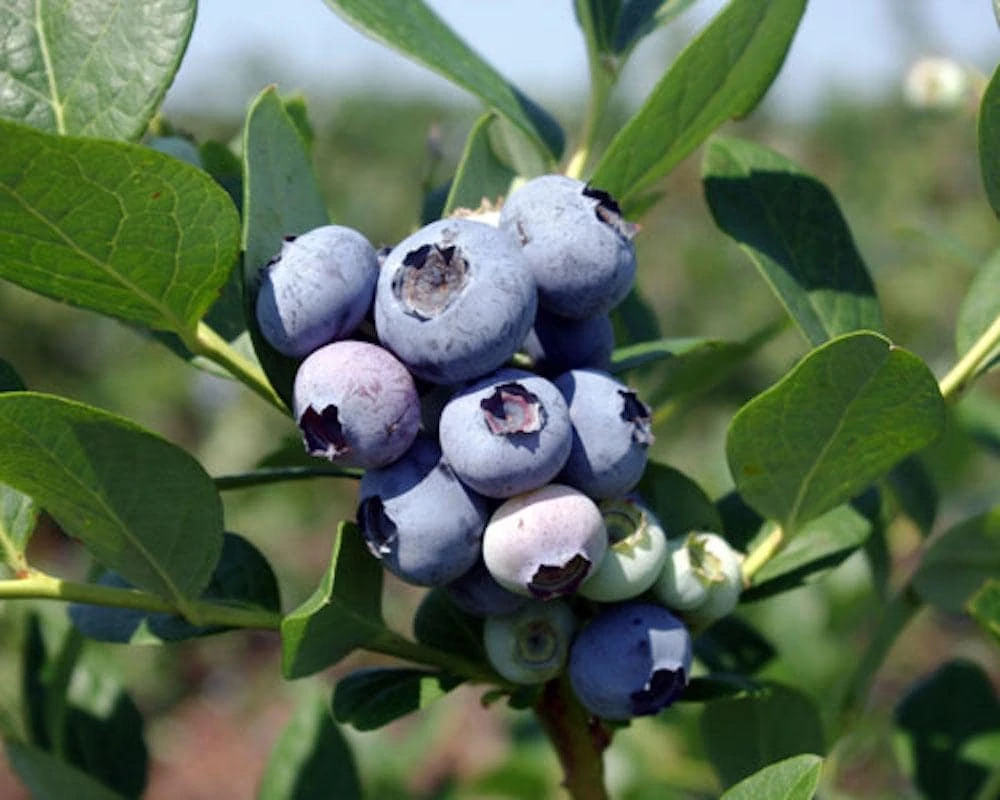
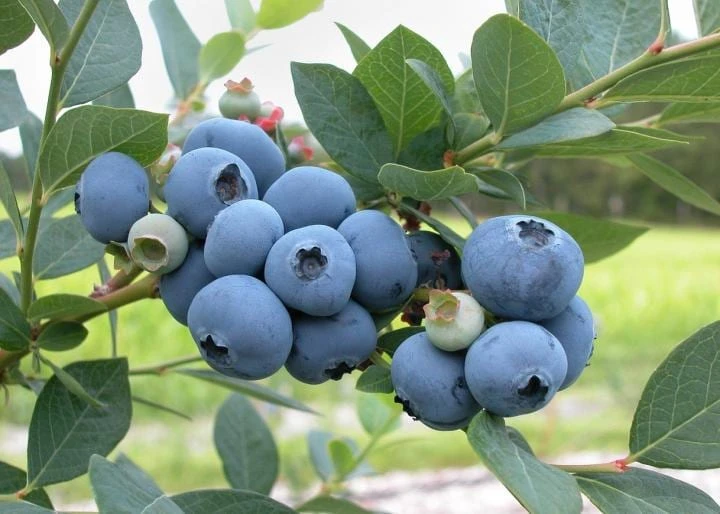

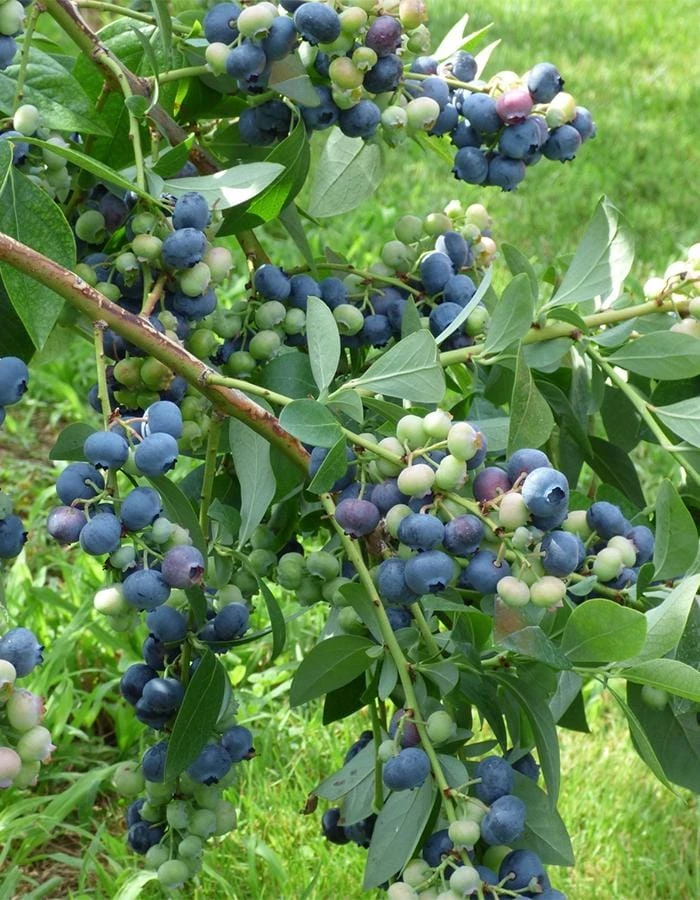
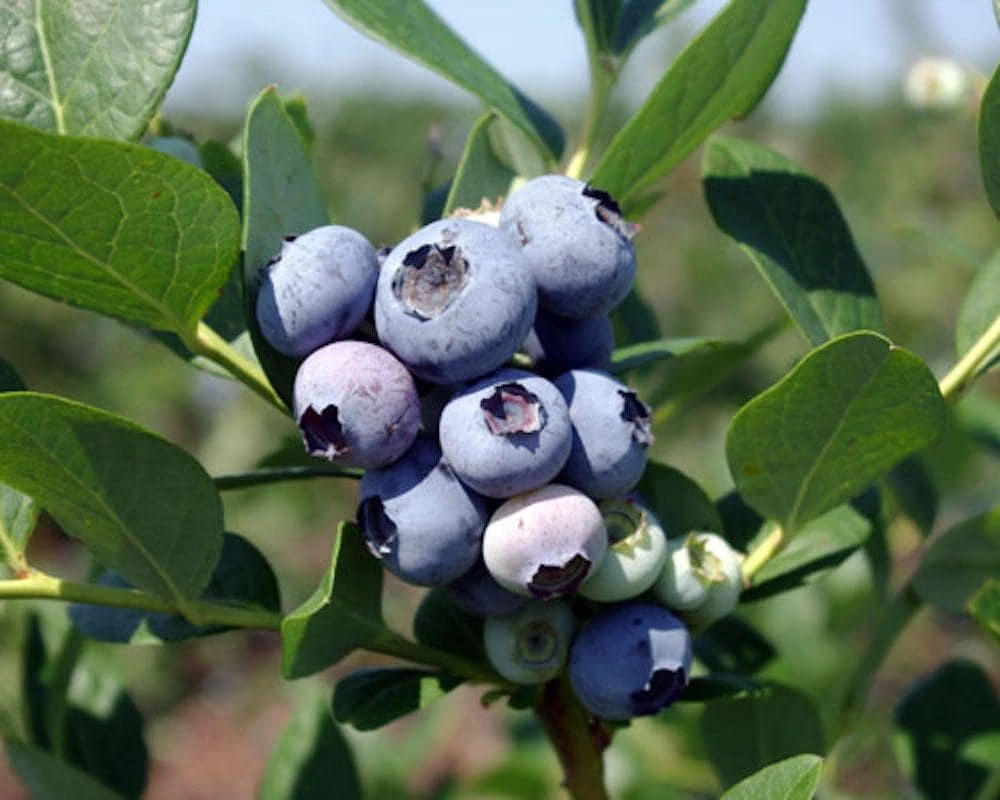
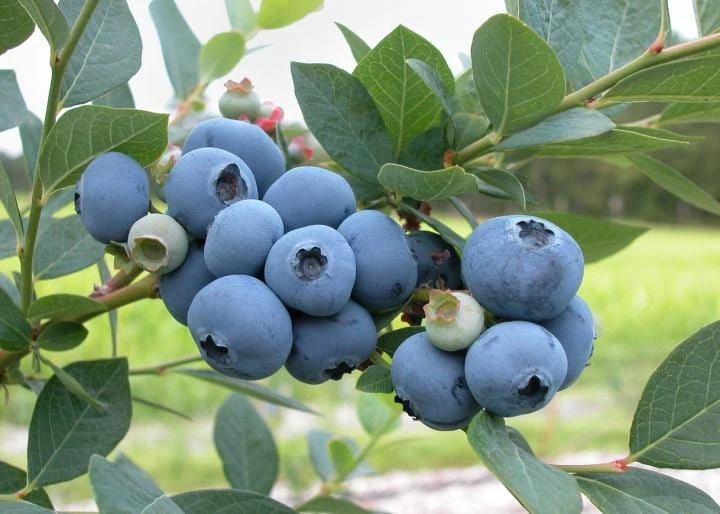

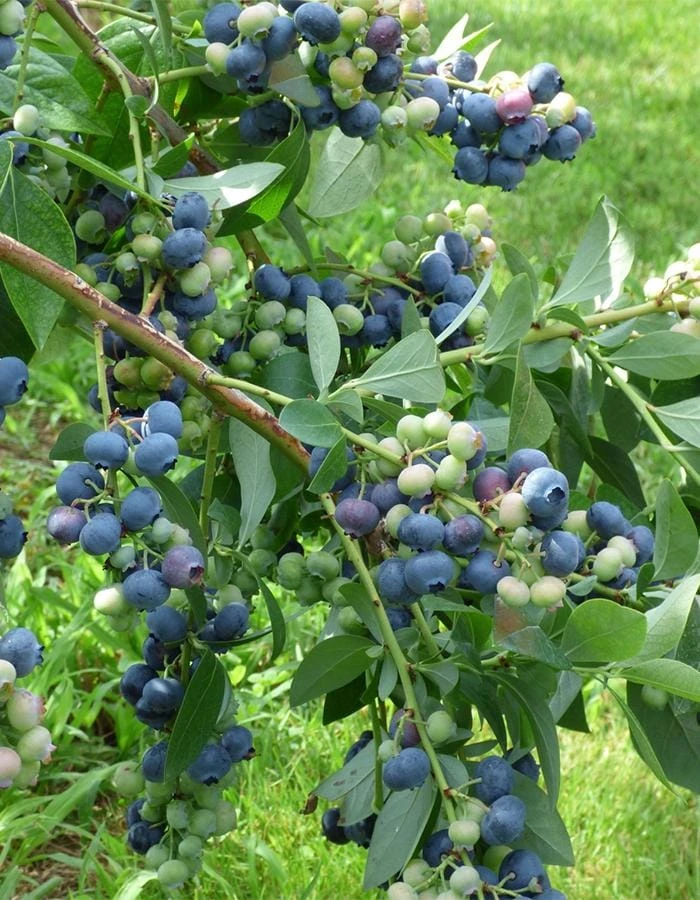
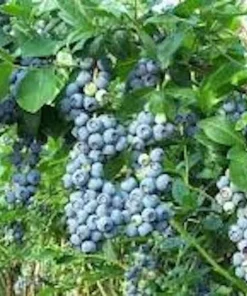
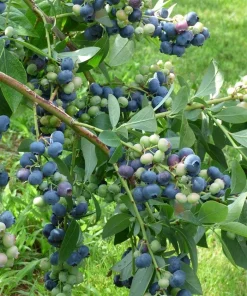
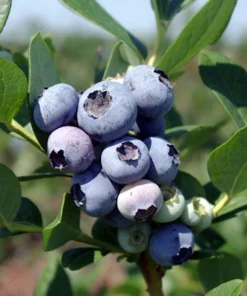
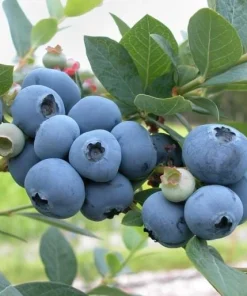
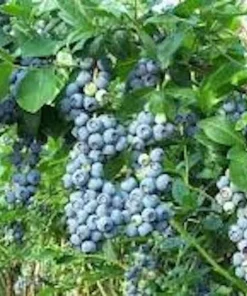
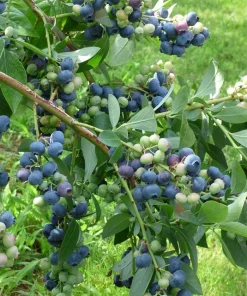
Windsor Blueberry Starter Plug Vaccinium corymbosum – Southern Highbush Live Plant
Original price was: $69.99.$44.99Current price is: $44.99.
Cultivate your own sweet harvest with the Windsor Blueberry live plant. This Southern Highbush blueberry variety is renowned for its large, firm, and flavorful berries, perfect for fresh eating or baking. Enjoy a bountiful crop in late spring to early summer from this robust Vaccinium corymbosum Windsor starter plug.
Estimated arrival
Sep 29
Oct 04 - Oct 06
Oct 09 - Oct 13
Shop With Confidence
30-Day Plant Health Guarantee
Arrives damaged? We’ll replace it free — see our return policy.
Responsive Support
Email us anytime, we reply within 1 business day.
Expert Packaging
Temperature-controlled shipping to protect your plants in transit.
Secure Checkout
Pay safely with Visa, Mastercard, PayPal.
Plant Specifications
-
USDA Hardiness Zone
USDA Zones 5-8 -
Soil Type
Acidic, well-draining soil (pH 4.5-5.5) -
Sunlight Exposure
Full sun (6-8 hours daily) -
Expected Planting Period
Spring to early summer
Overview
Embark on a rewarding gardening journey with the Windsor Blueberry live plant. This exceptional Southern Highbush variety, scientifically known as Vaccinium corymbosum Windsor, is a favorite among home gardeners and commercial growers alike for its outstanding fruit quality. Originating from careful cultivation, the ‘Windsor’ blueberry is celebrated for producing an abundance of large, firm, and intensely sweet berries. Ideal for those who cherish fresh, homegrown produce, this starter plug provides a robust foundation for a thriving blueberry bush. Its vigorous growth and delicious fruit make it a superb addition to any edible landscape or backyard orchard, promising a delightful harvest in late spring to early summer. Get ready to enjoy the rich flavors and health benefits that come with growing your own blueberries.
Key Benefits
The Windsor Blueberry live plant offers numerous advantages for the enthusiastic gardener, combining ease of care with a high yield of delectable fruit. Experience the joy of harvesting your own berries with this reliable and productive variety.
- Exceptional Fruit Quality: Produces large, firm, and remarkably sweet berries, making it a top choice for fresh eating, desserts, and preserves. The flavor profile is a perfect balance of sweetness with a slight tartness that blueberry connoisseurs adore.
- High Yield Potential: Known for its generous production, ensuring a bountiful harvest season after season. With proper care, you can expect a significant amount of fruit from each Southern Highbush blueberry bush.
- Early to Mid-Season Harvest: Enjoy your fresh blueberries from late spring to early summer, providing a delicious start to the berry season. This timing often allows for multiple harvests in regions with longer growing seasons.
- Disease Resistance: The ‘Windsor’ variety exhibits good resistance to common blueberry diseases, contributing to a healthier and more productive plant with less intervention. This resilience is a key aspect of successful blueberry plant care.
- Attractive Landscape Plant: Beyond its fruit, the bush itself is ornamental, with delicate white flowers in spring and vibrant red foliage in the fall, adding year-round interest to your garden.
- Versatile Use: Perfect for planting in dedicated blueberry patches, as part of an edible hedge, or even in large containers for patio gardening. The adaptability of the Vaccinium corymbosum Windsor makes it suitable for various garden designs.
- Nutrient-Rich Superfood: Blueberries are packed with antioxidants, vitamins, and fiber, offering significant health benefits. Growing your own ensures you have access to the freshest, most nutrient-dense fruit.
Plant Care & Growing Tips
Successful blueberry plant care for your Windsor Blueberry live plant involves understanding its specific needs, particularly regarding soil, sunlight, and watering. This Southern Highbush variety thrives in acidic soil with good drainage. Before planting, consider amending your soil with peat moss or pine bark to lower the pH to an ideal range of 4.5 to 5.5. A soil test is highly recommended to determine your starting pH. Blueberries are shallow-rooted, so mulching with pine needles, wood chips, or bark will help retain moisture, suppress weeds, and maintain soil acidity.
For optimal fruit production, the Windsor Blueberry live plant requires full sun, meaning at least 6-8 hours of direct sunlight per day. Adequate sunlight is crucial for the development of sweet berries and robust plant growth. Water regularly, especially during dry periods and when the fruit is developing. The soil should remain consistently moist but never waterlogged. Fertilize in early spring with an acid-loving fertilizer, avoiding those that contain nitrates, which can be harmful to blueberries. Pruning is essential for maintaining plant health and maximizing yield. In the first couple of years, focus on establishing a strong framework. After that, prune annually in late winter to remove old, weak, or crossing branches, encouraging new growth that will bear fruit.
The Vaccinium corymbosum Windsor is generally hardy in USDA Zones 5-8, but specific protection might be needed in the colder parts of its range. Providing winter protection, such as covering the plants or ensuring adequate snow cover, can help prevent damage from extreme cold. This sweet blueberry variety is self-fertile, meaning it can produce fruit on its own, but planting another Southern Highbush variety nearby can often increase yield and berry size through cross-pollination. Pay attention to pest and disease monitoring, though ‘Windsor’ typically shows good resistance. Early detection and organic solutions are often effective for any minor issues.
Size & Details
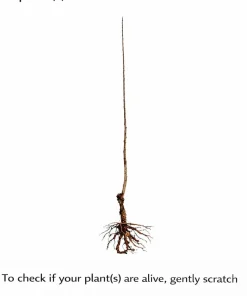
Each Windsor Blueberry Starter Plug is a young, healthy plant, typically measuring 4-8 inches in height upon arrival, ready for transplanting into your garden or a larger container. These plants are shipped bare root, meaning they arrive without soil around their roots, which is a common and effective method for shipping dormant or semi-dormant plants, minimizing transplant shock. This method allows the plant to establish quickly in its new environment. The ‘Windsor’ blueberry bush is a moderate grower, eventually reaching a mature height of 4-6 feet and a similar spread, forming an attractive, upright shrub. Expect fruit production to begin within 1-2 years after planting, with full production achieved in 3-5 years. This Southern Highbush blueberry is known for its consistent performance and long-term productivity, making it a valuable investment for any fruit enthusiast. Providing proper initial blueberry plant care will ensure vigorous growth and a rewarding harvest for many years to come.
Frequently Asked Questions
- Q: How big will my Windsor Blueberry plant get? A: A mature Windsor Blueberry live plant typically reaches a height of 4-6 feet and a similar spread. Its size makes it suitable for both garden beds and larger container planting.
- Q: What kind of soil does this blueberry variety need? A: The Vaccinium corymbosum Windsor thrives in acidic soil with a pH between 4.5 and 5.5. It’s crucial to ensure the soil is well-draining and rich in organic matter.
- Q: How much sunlight does the Windsor Blueberry require? A: For the best fruit production and plant health, your sweet blueberry variety needs at least 6-8 hours of direct sunlight per day. Full sun exposure is key to developing those delicious berries.
- Q: Is this plant easy to care for? A: While blueberries have specific soil and light requirements, once these are met, the Windsor Blueberry live plant is relatively easy to care for. Consistent watering and annual pruning are the main tasks for successful blueberry plant care.
- Q: When can I expect to harvest berries from my plant? A: You can typically expect your first berries within 1-2 years of planting the starter plug, with full production usually achieved by the 3rd to 5th year. The harvest season is generally from late spring to early summer.
- Q: What condition will the starter plug arrive in? A: Your Windsor Blueberry Starter Plug will arrive as a bare root plant, meaning it will be shipped without soil around its roots. This is a standard and safe practice for shipping young, dormant plants.
- Q: Is the Windsor Blueberry suitable for container growing? A: Yes, this Southern Highbush blueberry can be successfully grown in large containers, provided you use an acidic potting mix and ensure adequate drainage. This is a great option for patios or smaller spaces.
- Q: Does this variety need another blueberry plant for pollination? A: While ‘Windsor’ is self-fertile, planting another Southern Highbush blueberry variety nearby can enhance cross-pollination, often leading to larger yields and bigger berries.
- Q: What USDA Hardiness Zones is the Windsor Blueberry hardy in? A: The ‘Windsor’ blueberry is typically hardy in USDA Zones 5-8. Protection might be needed in the colder parts of this range during harsh winters.
- Q: How often should I water my blueberry plant? A: Blueberries need consistently moist soil, especially during dry spells and fruit development. Check the soil regularly and water when the top inch or two feels dry, ensuring not to overwater.
Be the first to review “Windsor Blueberry Starter Plug Vaccinium corymbosum – Southern Highbush Live Plant”
People Also Viewed

Flower Seeds
Vegetable Seeds
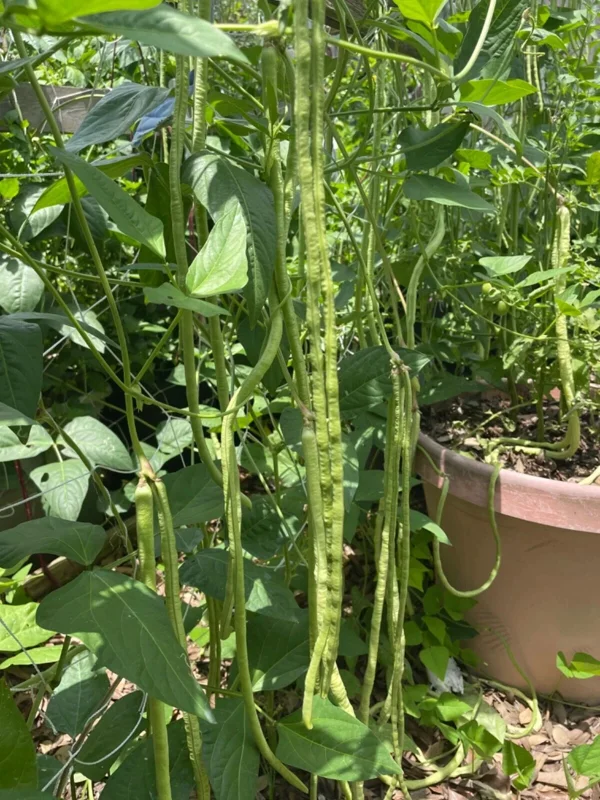
50 Dark Green Yard Long Bean Seeds – Heirloom Chinese Asparagus

Reviews
There are no reviews yet.