
Northern Catalpa Tree Live Plant (Catalpa speciosa) – Quart Pot Starter
Original price was: $129.99.$104.99Current price is: $104.99.
Introduce the majestic Northern Catalpa Tree (Catalpa speciosa) to your landscape. This cigar tree plant is a fast-growing deciduous tree, celebrated for its striking white flowers and distinctive bean-like seed pods. Ideal for creating significant shade and visual interest.
Estimated arrival
Sep 29
Oct 04 - Oct 06
Oct 09 - Oct 13
Shop With Confidence
30-Day Plant Health Guarantee
Arrives damaged? We’ll replace it free — see our return policy.
Responsive Support
Email us anytime, we reply within 1 business day.
Expert Packaging
Temperature-controlled shipping to protect your plants in transit.
Secure Checkout
Pay safely with Visa, Mastercard, PayPal.
Plant Specifications
-
USDA Hardiness Zone
USDA Zones 4-8 -
Soil Type
Well-draining, moist, fertile soil -
Sunlight Exposure
Full sun to partial shade -
Expected Planting Period
Spring to early fall
Overview
The Northern Catalpa Tree (Catalpa speciosa) is a magnificent, fast-growing deciduous tree that can transform any landscape. Known for its impressive size and ornamental features, this live plant is a standout choice for those seeking a grand addition to their garden. Often referred to as the cigar tree plant, hardy catalpa, or western catalpa, it boasts a unique charm from its bell-shaped flowers to its long, persistent seed pods. This species is native to North America and thrives in a variety of conditions, making it a versatile option for many gardeners. Its rapid growth rate means you won’t have to wait long to enjoy its full splendor, providing ample shade and a captivating presence.
Each Northern Catalpa Tree starter plant comes ready to establish in your garden, offering a robust beginning for a tree that will grow to impressive heights. The distinctive foliage, coupled with its showy blooms, ensures year-round interest, transitioning from vibrant green leaves in summer to a striking silhouette in winter. This tree is not just a visual delight but also provides ecological benefits, attracting pollinators and offering shelter for various wildlife, enhancing the biodiversity of your outdoor space. Investing in a Northern Catalpa Tree is an investment in the long-term beauty and ecological health of your property.
Key Benefits
The Northern Catalpa Tree offers a wealth of benefits that make it an excellent choice for a wide range of landscapes. Its striking appearance and robust nature contribute significantly to its appeal.
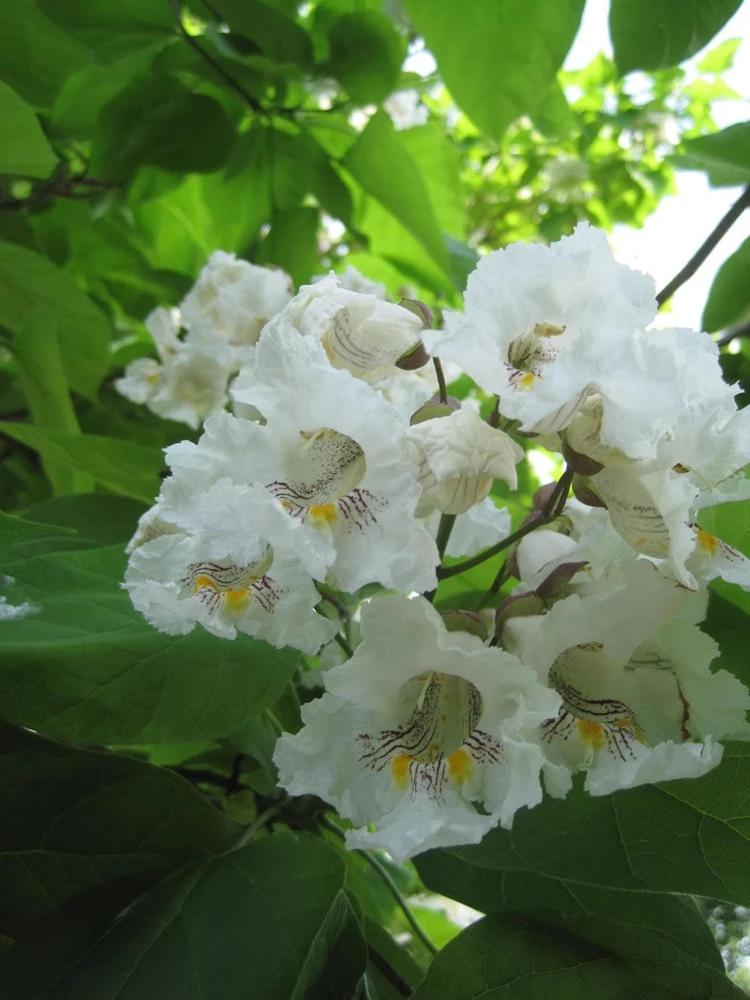
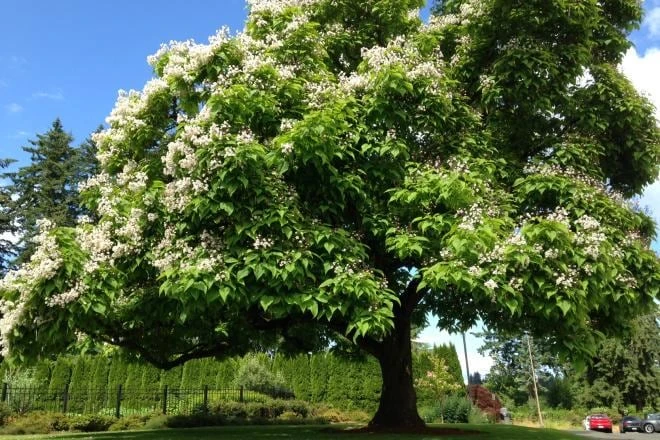
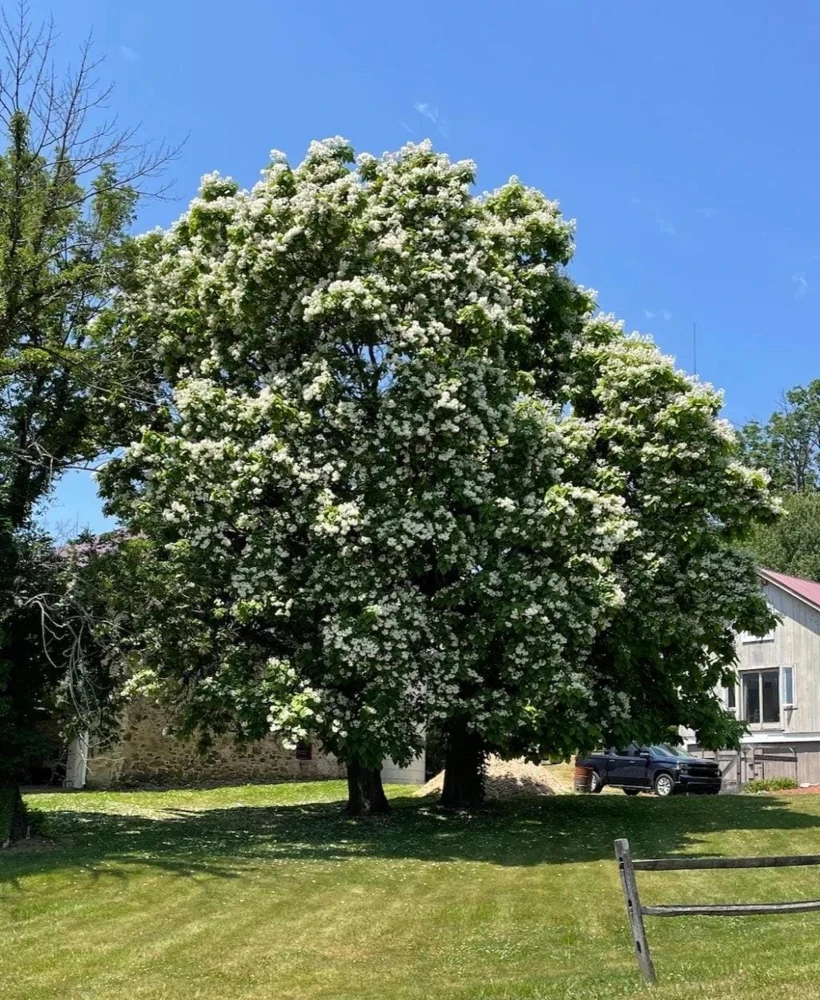
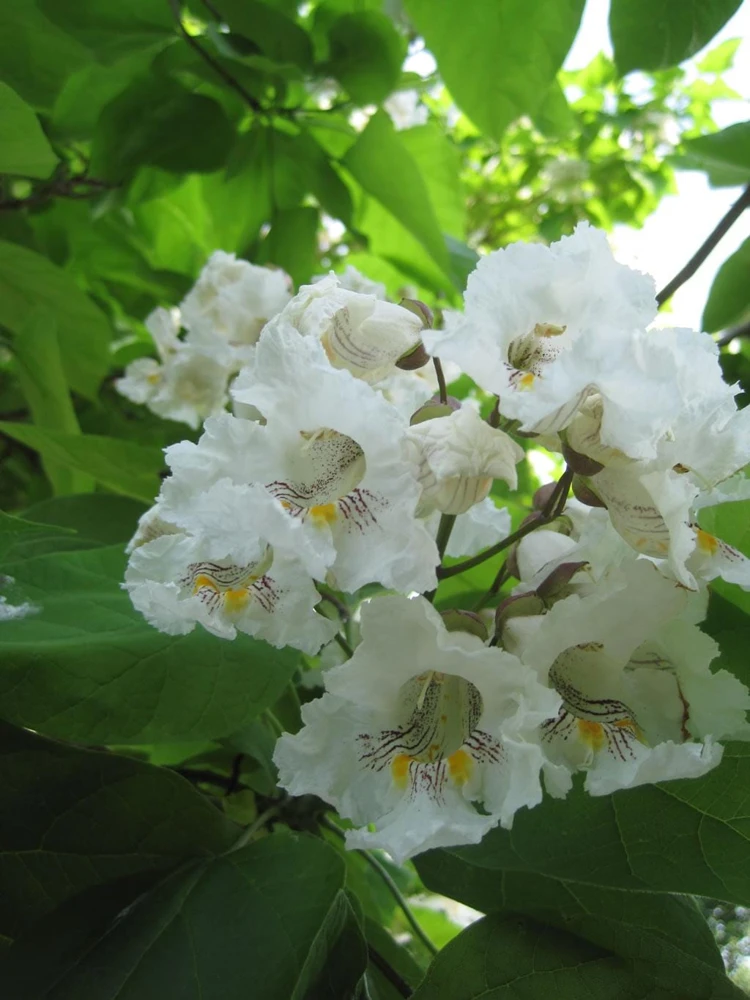
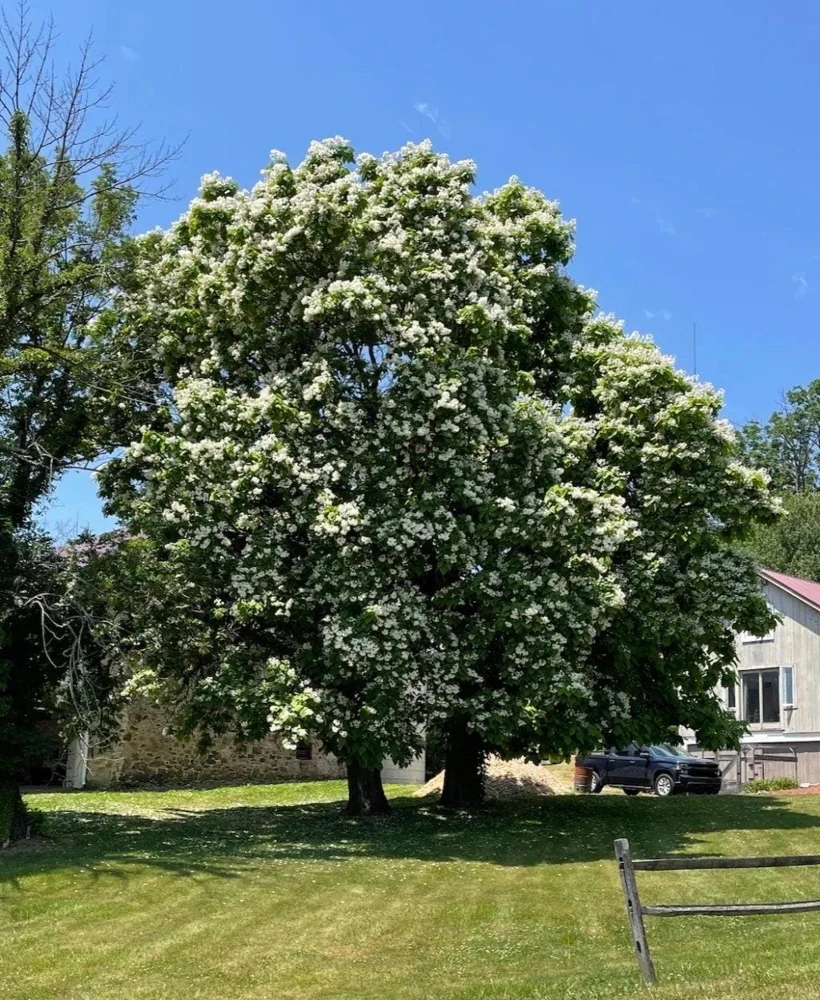
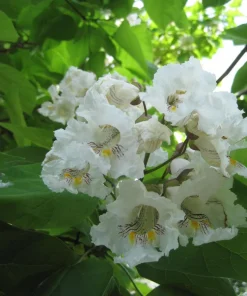
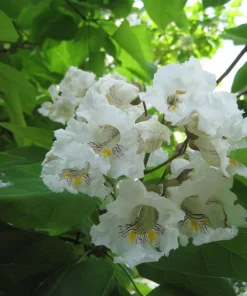
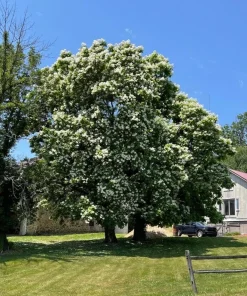
- Dramatic Ornamental Appeal: This tree features large, heart-shaped leaves and produces stunning clusters of white, bell-shaped flowers with yellow stripes and purple spots in late spring to early summer. These blooms create a spectacular display, making the Northern Catalpa Tree a focal point in any garden.
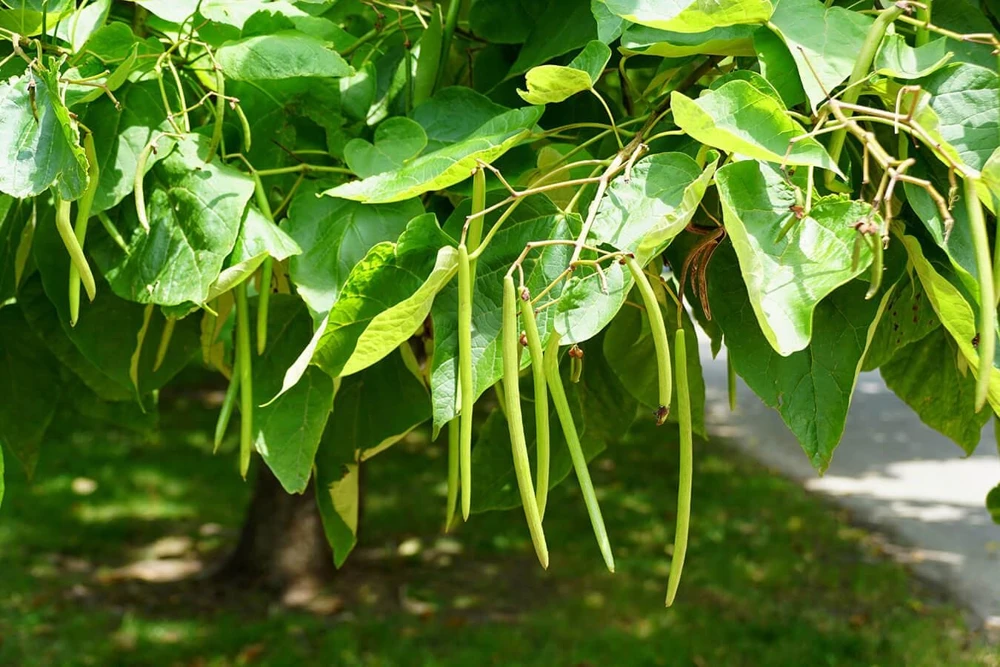
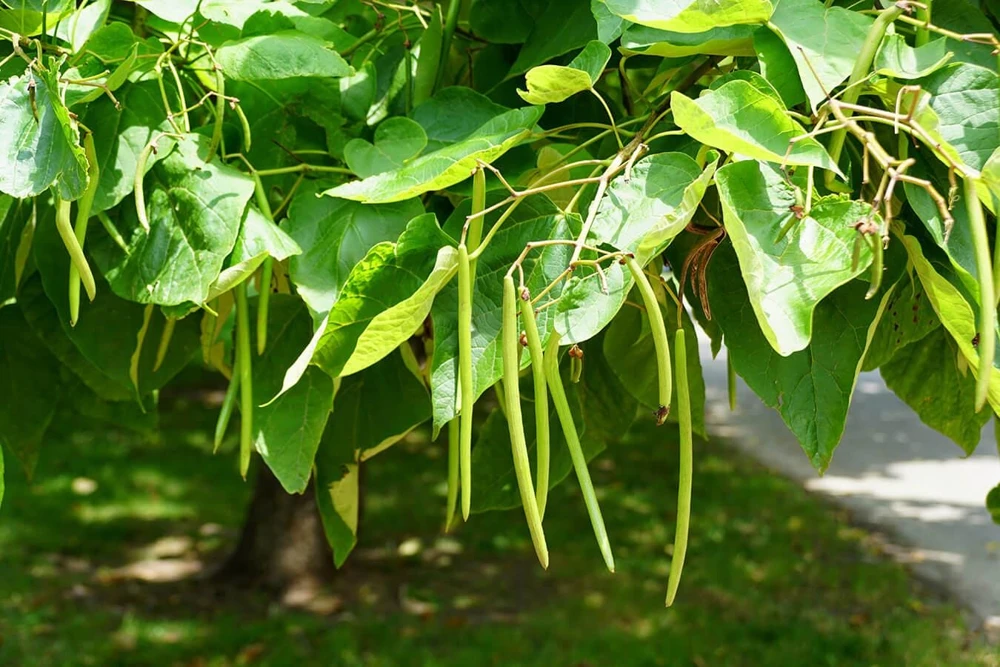
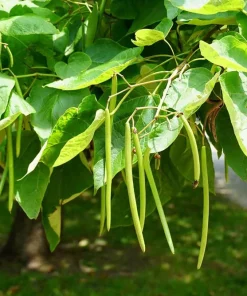
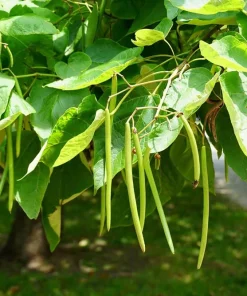
- Unique Winter Interest: After the flowers fade, the tree develops long, bean-like seed pods that can persist through winter. These ‘cigar-like’ pods add an unusual and attractive element to the winter landscape, offering visual appeal even when deciduous.
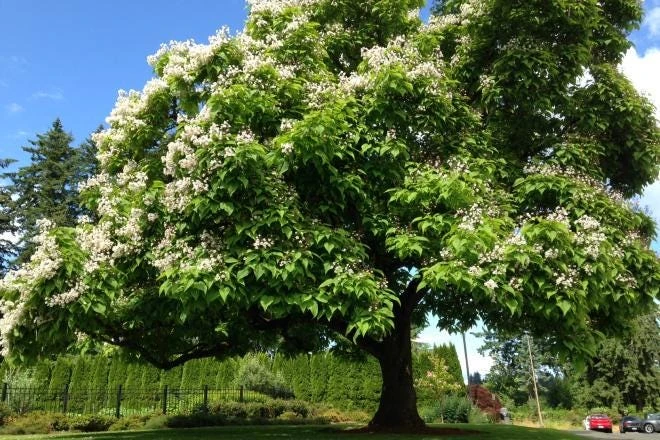
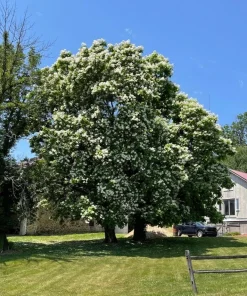
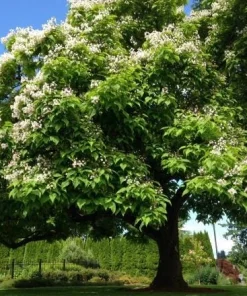
- Fast Growth Rate: The hardy catalpa is known for its rapid growth, quickly reaching a mature height of 40 to 70 feet. This makes it an excellent choice for those looking to establish a large shade tree or create a significant landscape feature in a shorter timeframe.
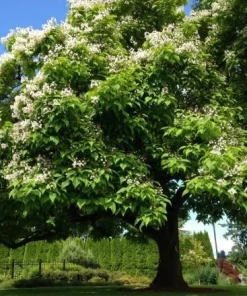
- Excellent Shade Provider: With its large canopy and generous spread of 20 to 40 feet, the western catalpa tree provides abundant shade. This is invaluable during hot summer months, reducing cooling costs and creating comfortable outdoor living spaces.
- Adaptable and Resilient: This species is remarkably adaptable to various soil types and urban conditions, showing good tolerance to pollution. Its hardiness makes it a reliable choice for many different environments, requiring less intensive care once established.
- Attracts Pollinators: The fragrant, showy flowers of the cigar tree plant are a magnet for bees, hummingbirds, and other beneficial pollinators, contributing to the health and vitality of your garden ecosystem.
- Low Maintenance: Once established, the Northern Catalpa Tree is relatively low maintenance, requiring minimal pruning and general care. This makes it a great option for gardeners who desire a beautiful tree without constant attention.
Plant Care & Growing Tips
Caring for your Northern Catalpa Tree is straightforward, ensuring it grows into a magnificent specimen. Proper planting and consistent care in its early years will lead to a robust and long-lived tree. This tree thrives in full sun to partial shade, meaning it prefers at least 6 hours of direct sunlight per day, but can tolerate some afternoon shade, especially in hotter climates. Adequate sunlight is crucial for optimal flowering and overall health of your Catalpa speciosa.
When it comes to watering, young Northern Catalpa Tree plants require regular moisture to establish a strong root system. Water deeply once or twice a week, especially during dry periods, ensuring the soil remains consistently moist but not waterlogged. Once mature, it becomes more drought-tolerant. The ideal soil type is well-draining, moist, and fertile, though it can adapt to a variety of soil conditions, including clay and sandy soils. Good drainage is key to prevent root rot. The Northern Catalpa is hardy in USDA zones 4-8, making it suitable for a wide range of climates across the United States. It can tolerate both cold winters and hot summers within these zones.
Fertilization is generally not heavily required for a mature Northern Catalpa Tree, especially if planted in fertile soil. However, a balanced, slow-release fertilizer can be applied in early spring for young trees to encourage vigorous growth. Pruning should be done in late winter or early spring while the tree is dormant. Focus on removing dead, damaged, or crossing branches to maintain a strong structure and open canopy. Common problems are few, but watch for catalpa sphinx caterpillars, which can defoliate the tree; however, the tree usually recovers. Overall, the hardy catalpa is a resilient and relatively pest-free tree, making it a joy to grow.
Size & Details
This offering includes a Northern Catalpa Tree starter plant, typically measuring 6-12 inches in height, supplied in a quart pot. These young plants are carefully nurtured to ensure a healthy root system, ready for successful transplantation into your garden. The Catalpa speciosa is a fast-growing species, and with proper care, your starter plant will quickly begin to mature. Expect significant growth each year once established, leading to a mature height of 40 to 70 feet with a spread of 20 to 40 feet. The ultimate size provides substantial shade and a commanding presence in the landscape.
The tree will develop its characteristic large, heart-shaped leaves and, in late spring to early summer, produce showy white flowers. The unique ‘cigar-like’ seed pods will follow, providing winter interest. This plant is shipped as a live, actively growing specimen, ensuring it arrives in optimal condition for planting. The quart pot size is ideal for establishing a strong root ball before transplanting to its permanent location, giving your future western catalpa tree the best start possible.
Frequently Asked Questions
- Q: How big does this Northern Catalpa Tree get? A: The Northern Catalpa Tree is a large shade tree, typically growing 40 to 70 feet tall with a spread of 20 to 40 feet at maturity. Its fast growth rate allows it to reach these impressive dimensions relatively quickly.
- Q: Is this an indoor or outdoor plant? A: The Northern Catalpa Tree is an outdoor plant, best suited for large landscapes where it has ample space to grow. It is not suitable for indoor cultivation due to its mature size and light requirements.
- Q: How much sunlight does the cigar tree plant need? A: This tree thrives in full sun to partial shade, ideally requiring at least 6 hours of direct sunlight per day. Adequate light ensures vigorous growth and abundant flowering.
- Q: Is this plant easy to care for? A: Yes, the hardy catalpa is considered relatively easy to care for, especially once established. It is adaptable to various soil types and tolerant of urban conditions, making it a good choice for many gardeners.
- Q: What condition will the Catalpa speciosa arrive in? A: Your Catalpa speciosa will arrive as a healthy, live starter plant in a quart pot, typically 6-12 inches tall, with a well-developed root system ready for planting.
- Q: When is the best time to plant a Northern Catalpa Tree? A: The best time to plant a Northern Catalpa Tree is in early spring or early fall, allowing the tree to establish its roots before extreme temperatures.
- Q: Will the western catalpa tree survive winter in my zone? A: The western catalpa tree is hardy in USDA Zones 4-8, meaning it is well-suited to survive the winters in a wide range of climates within these zones.
- Q: What kind of soil does this tree prefer? A: The Northern Catalpa Tree prefers well-draining, moist, and fertile soil, but it is adaptable and can tolerate a variety of soil types, including clay and sand, as long as drainage is adequate.
- Q: How long until the Northern Catalpa Tree blooms? A: While growth rate varies, a young Northern Catalpa Tree can begin to produce its showy white flowers within a few years after planting, typically in late spring to early summer.
- Q: Does the cigar tree plant attract wildlife? A: Yes, the fragrant flowers of the cigar tree plant attract pollinators like bees and hummingbirds, and the dense canopy provides shelter for various birds and small animals.
Be the first to review “Northern Catalpa Tree Live Plant (Catalpa speciosa) – Quart Pot Starter”
People Also Viewed


Reviews
There are no reviews yet.