
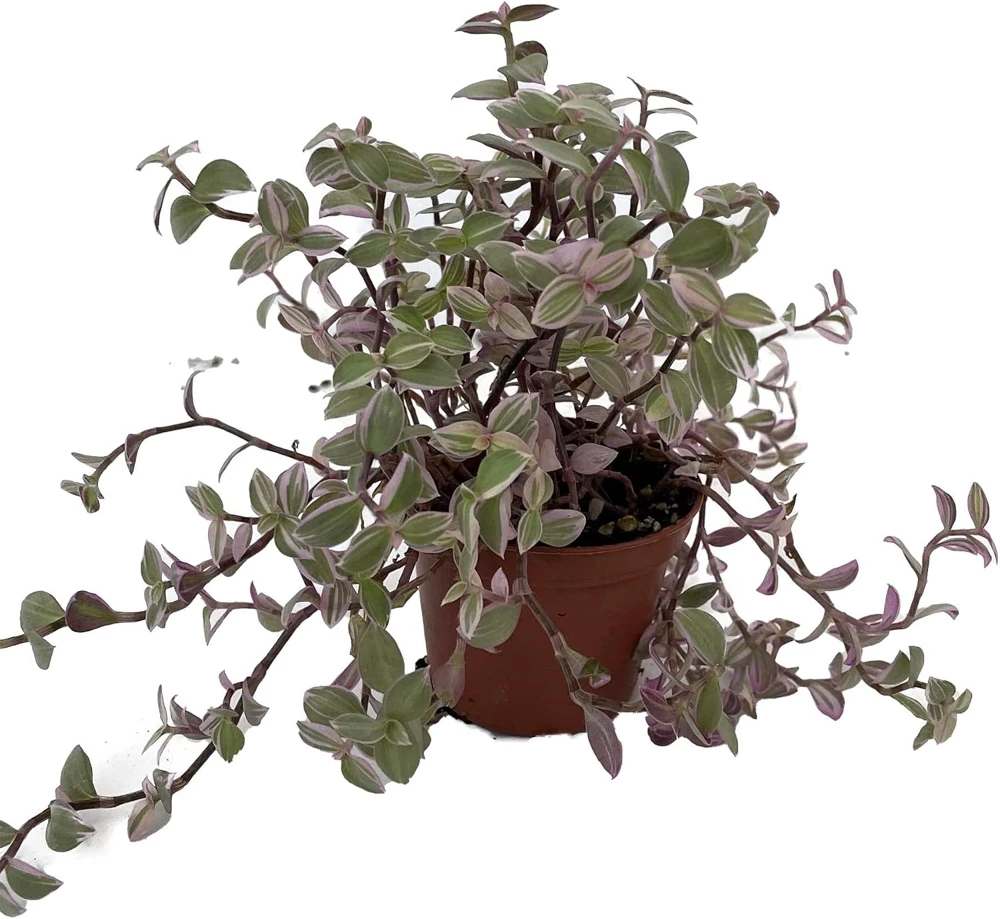
Pink Lady Callisia Repens Live Plant – Turtle Vine – 2.5 inch Pot – Indoor
Original price was: $34.99.$24.99Current price is: $24.99.
Add a vibrant touch to your home with the pink lady callisia repens live plant, commonly known as turtle vine care. This stunning succulent features delicate pink and green leaves, perfect for hanging baskets or as a charming desktop accent. Enjoy its easy-care nature and beautiful trailing habit.
Estimated arrival
Sep 28
Oct 03 - Oct 05
Oct 08 - Oct 12
Shop With Confidence
30-Day Plant Health Guarantee
Arrives damaged? We’ll replace it free — see our return policy.
Responsive Support
Email us anytime, we reply within 1 business day.
Expert Packaging
Temperature-controlled shipping to protect your plants in transit.
Secure Checkout
Pay safely with Visa, Mastercard, PayPal.
Plant Specifications
-
USDA Hardiness Zone
Year-round indoors (USDA zones 9-11 if outdoors) -
Soil Type
Well-draining potting mix -
Sunlight Exposure
Bright indirect light -
Expected Planting Period
Year-round indoors
Overview
Introduce a burst of vibrant color and texture to your indoor plant collection with the exquisite pink lady callisia repens live plant. Also widely known as the Turtle Vine, Chain Plant, or Bolivian Jewel, this charming succulent is celebrated for its small, heart-shaped leaves that display a mesmerizing variegation of pink, green, and cream. Each leaf is a miniature work of art, creating a dense, trailing mat of foliage that cascades gracefully from pots and hanging baskets. The pink lady callisia repens live plant is a fantastic choice for both seasoned plant enthusiasts and beginners, offering a relatively low-maintenance option that provides significant visual impact. Its rapid growth and captivating hues make it an instant favorite for adding a touch of natural beauty to any interior space.
Originating from Central and South America, Callisia repens is a close relative of the Tradescantia family, sharing many of its easy-going characteristics. The ‘Pink Lady’ cultivar specifically stands out due to its pronounced pink coloration, which intensifies with brighter light exposure. This compact and versatile plant is perfect for small spaces, shelves, or as a delightful groundcover in larger indoor arrangements. Its ability to thrive in various indoor conditions makes it a resilient and rewarding addition to your home, promising continuous beauty with minimal fuss.
Key Benefits
The pink lady callisia repens live plant offers a multitude of benefits that extend beyond its undeniable aesthetic appeal. This charming succulent is a wonderful choice for enhancing your living environment and enjoying the simple pleasures of plant parenthood:
-
Stunning Visual Appeal: The primary draw of the pink lady callisia repens live plant is its incredibly attractive foliage. The delicate pink, green, and cream coloration creates a soft, inviting look that brightens any room. Its trailing habit makes it ideal for adding depth and dimension to your decor, especially when displayed in hanging planters or on elevated shelves.
-
Easy to Care For: This plant is renowned for its resilience and ease of maintenance, making it a perfect choice for those new to gardening or anyone with a busy schedule. Its forgiving nature means it can tolerate occasional neglect, bouncing back beautifully.
-
Versatile Decor Element: Whether you’re looking for a plant to fill a small space, add a pop of color to a bookshelf, or create a lush cascade in a hanging basket, the Turtle Vine fits the bill. Its compact size and trailing growth habit allow for diverse placement options.
-
Air Purification: Like many houseplants, the pink lady callisia repens live plant contributes to a healthier indoor environment by helping to filter airborne toxins. While not as potent as some larger plants, it still plays a role in improving air quality.
-
Rapid Growth: Enjoy the satisfaction of watching your plant flourish quickly. The Callisia repens is a fast grower, meaning you’ll soon have a full and beautiful display. This also makes it easy to propagate and share with friends.
-
Pet-Friendly (Non-Toxic): While it’s always best to prevent pets from consuming plants, Callisia repens is generally considered non-toxic to cats and dogs, offering some peace of mind for pet owners.
-
Stress Reduction: The presence of greenery and the act of caring for a plant have been shown to reduce stress and improve overall well-being. This beautiful plant provides a calming influence in your home.
Plant Care & Growing Tips
Caring for your pink lady callisia repens live plant is straightforward and rewarding, ensuring you enjoy its vibrant foliage for a long time. This resilient plant thrives on consistency but is forgiving of minor lapses. For successful turtle vine care, focus on providing adequate light, appropriate watering, and a well-draining environment. The key to maintaining its striking pink coloration is sufficient light exposure.
Sunlight Requirements: The ‘Pink Lady’ cultivar prefers bright, indirect light. A spot near an east or west-facing window is often ideal, providing several hours of gentle morning or afternoon sun. Direct, harsh midday sun can scorch the delicate leaves, causing them to fade or turn brown. Conversely, too little light will result in less vibrant pink hues and more dominant green foliage. If you notice your callisia repens pink fading, try moving it to a brighter location. Artificial grow lights can also be beneficial, especially during darker winter months, to ensure consistent coloration and growth.
Watering Schedule & Soil Moisture: Water your Turtle Vine when the top inch or two of soil feels dry to the touch. This plant prefers consistently moist, but not soggy, soil. Overwatering can lead to root rot, which is detrimental to its health. Allow excess water to drain completely from the pot. In warmer months, you may need to water more frequently, while in winter, reduce watering as the plant’s growth slows. The ‘Pink Lady’ is somewhat drought-tolerant due to its succulent-like leaves, but regular watering promotes lush growth. It’s important to understand the specific needs for turtle vine care to prevent common issues.
Soil Type & Drainage: Use a well-draining potting mix. A standard houseplant mix amended with perlite or sand for extra drainage works well. Good drainage is crucial to prevent waterlogging and root rot. Ensure your pot has drainage holes. Temperature Range & USDA Hardiness Zone: As an indoor plant, it thrives in average room temperatures between 60-75°F (15-24°C). It is not frost-tolerant and should be protected from cold drafts. While primarily an indoor plant, if grown outdoors in suitable climates, it would fall within USDA zones 9-11. Fertilization: Feed your callisia repens pink every 2-4 weeks during the growing season (spring and summer) with a balanced liquid fertilizer diluted to half strength. Reduce or stop fertilizing during fall and winter. Common Problems: Watch out for crispy leaves, which indicate underwatering or low humidity. Yellowing leaves often point to overwatering or poor drainage. Pests are uncommon but inspect regularly for mealybugs or spider mites.
Size & Details
This offering is for a vibrant pink lady callisia repens live plant, commonly known as Turtle Vine, provided in a 2.5 inch pot. At this size, the plant is well-rooted and actively growing, ready to thrive in its new home. The trailing stems are typically several inches long, already beginning to cascade over the pot’s edge, showcasing its characteristic growth habit. While individual plant dimensions may vary slightly, you can expect a healthy specimen with plenty of colorful foliage. The overall plant height, including the pot, will be approximately 4-6 inches, with the foliage spreading to a similar width as it grows.
The pink lady callisia repens live plant has a moderate to fast growth rate, quickly filling out its container and producing long, beautiful trails. With proper turtle vine care, it can reach impressive lengths, making it an excellent choice for hanging baskets where its foliage can freely drape. This plant ships as a potted specimen, carefully packaged to ensure it arrives in excellent condition, minimizing transplant shock. Its compact nature at this size makes it perfect for windowsills, desk plants, or starting a larger display. Expect continuous growth and an increasing display of delightful pink and green leaves over time.
Frequently Asked Questions
-
Q: How big does this pink lady callisia repens live plant get? A: In a suitable indoor environment, the trailing stems of the pink lady callisia repens live plant can grow quite long, often reaching lengths of 1-2 feet or more, creating a beautiful cascading effect. The plant itself remains relatively compact at the base.
-
Q: What size pot does it come in? A: This particular offering includes the pink lady callisia repens live plant in a 2.5 inch pot, which is a perfect starter size for continued growth and development.
-
Q: Is this an indoor or outdoor plant? A: While it can be grown outdoors in very warm, frost-free climates (USDA zones 9-11), the pink lady callisia repens live plant is predominantly cultivated as a beautiful and easy-care indoor houseplant in most regions.
-
Q: How much sunlight does it need? A: For the best color and growth, provide bright, indirect light. Morning sun is ideal. Too much direct sun can scorch leaves, while too little light will reduce the vibrant pink coloration of the callisia repens pink.
-
Q: Is this plant easy to care for? A: Yes, the Turtle Vine is known for being very easy to care for, making it an excellent choice for beginners. Consistent watering and bright, indirect light are the main requirements for successful turtle vine care.
-
Q: What condition will it arrive in? A: Your pink lady callisia repens live plant will arrive as a healthy, well-rooted plant in its 2.5 inch nursery pot, carefully packaged to ensure minimal stress during transit.
-
Q: Is it shipped in soil? A: Yes, the plant is shipped securely in its original potting mix within the 2.5 inch pot, ensuring its roots are protected and hydrated upon arrival.
-
Q: Is the pink lady callisia repens live plant pet-safe? A: The pink lady callisia repens live plant is generally considered non-toxic to pets, though it’s always best to discourage pets from chewing on plants to prevent any potential stomach upset.
-
Q: How often should I water my Turtle Vine? A: Water when the top 1-2 inches of soil feel dry to the touch. Ensure the pot has good drainage to prevent root rot. Adjust frequency based on humidity, light, and temperature.
-
Q: When is the best time to repot this plant? A: The best time to repot your callisia repens pink is in the spring or early summer when the plant is actively growing. Choose a pot that is only slightly larger than its current one.
Be the first to review “Pink Lady Callisia Repens Live Plant – Turtle Vine – 2.5 inch Pot – Indoor”
People Also Viewed


Trees
Pecan Nut Tree Live Plant – Gilbert Variety – 5 inch Pot – High-Yield Edible Pecans – Full Sun
Reviews
There are no reviews yet.