
White Ash Tree Live Plant – 12-24″ Tall, Quart Pot, Fraxinus americana
Original price was: $101.99.$76.99Current price is: $76.99.
Cultivate a robust white ash tree live plant for your landscape. This 12-24″ tall specimen, provided in a quart pot, is scientifically known as Fraxinus americana and offers strong, dense wood with distinctive bark. Ideal for zones 3-9A, it tolerates various soil conditions and prefers full sun to part shade.
Estimated arrival
Sep 29
Oct 04 - Oct 06
Oct 09 - Oct 13
Shop With Confidence
30-Day Plant Health Guarantee
Arrives damaged? We’ll replace it free — see our return policy.
Responsive Support
Email us anytime, we reply within 1 business day.
Expert Packaging
Temperature-controlled shipping to protect your plants in transit.
Secure Checkout
Pay safely with Visa, Mastercard, PayPal.
Plant Specifications
-
USDA Hardiness Zone
3 through 9A -
Soil Type
Moist, organically rich, well-drained loams -
Sunlight Exposure
Full sun to part shade -
Expected Planting Period
Spring or Fall
Overview
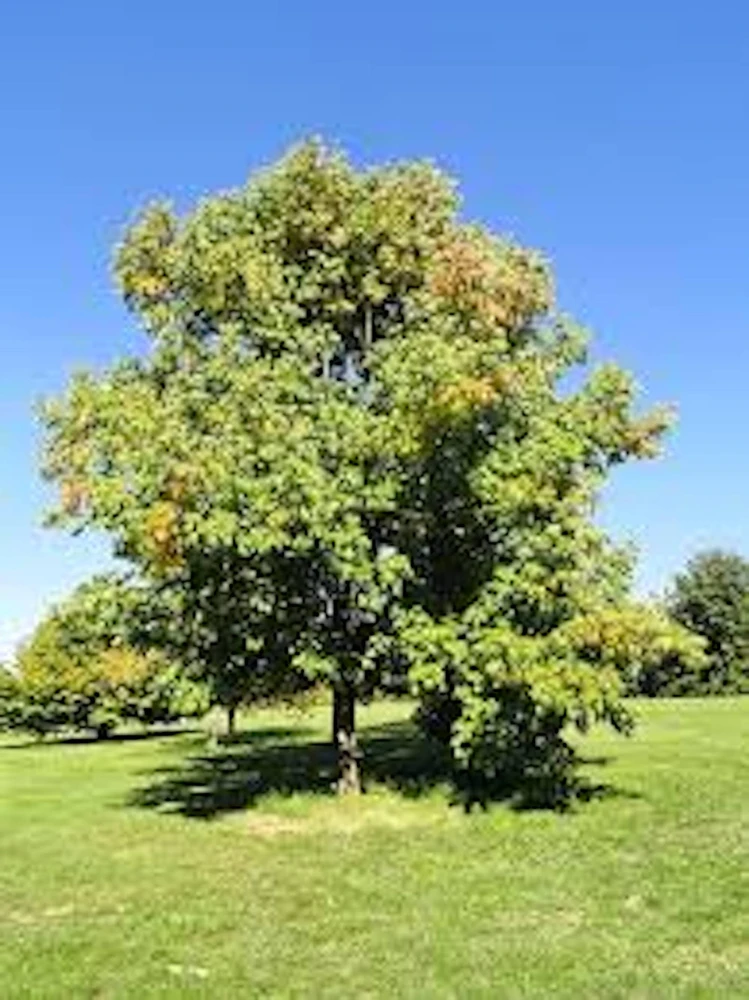
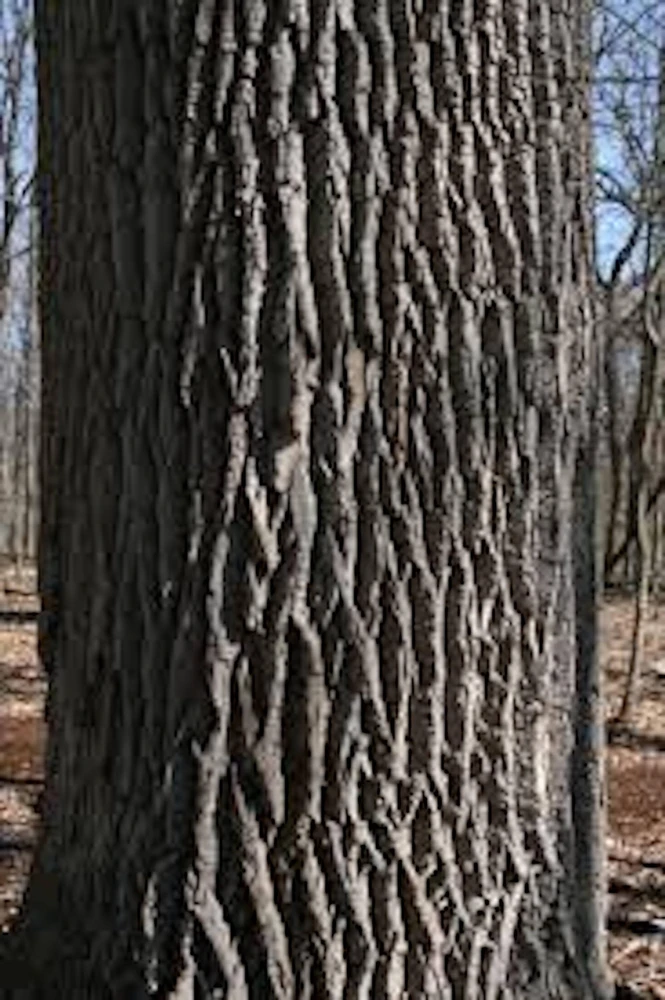
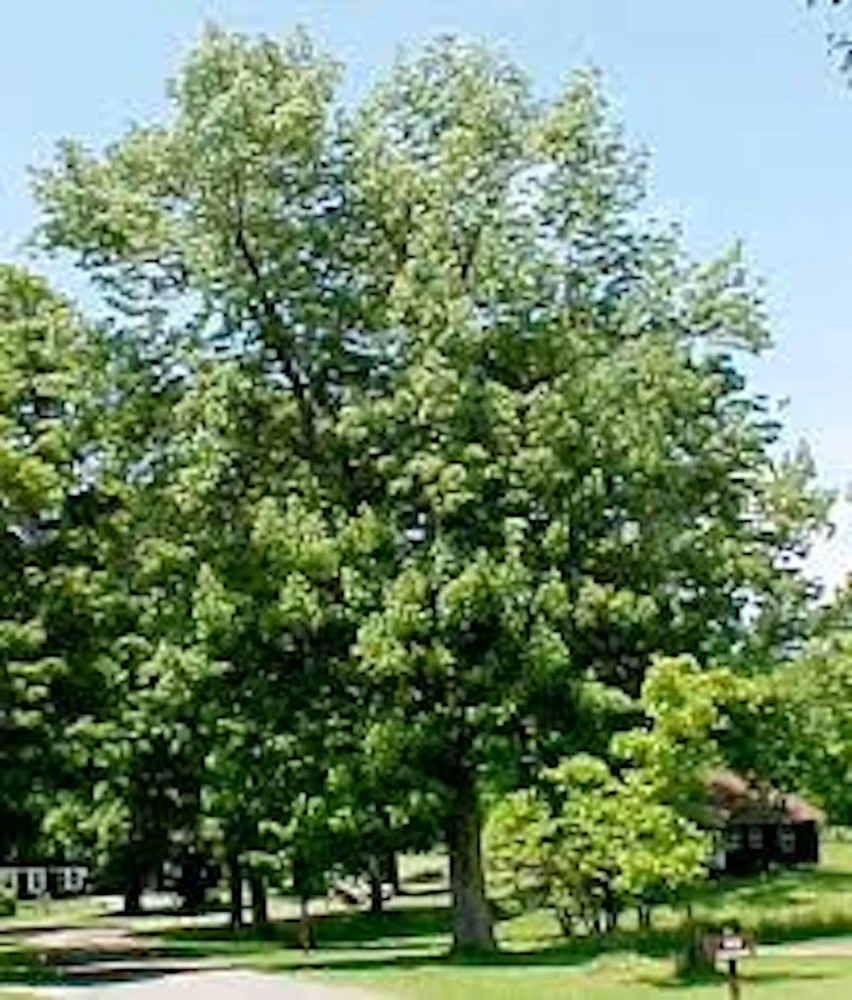
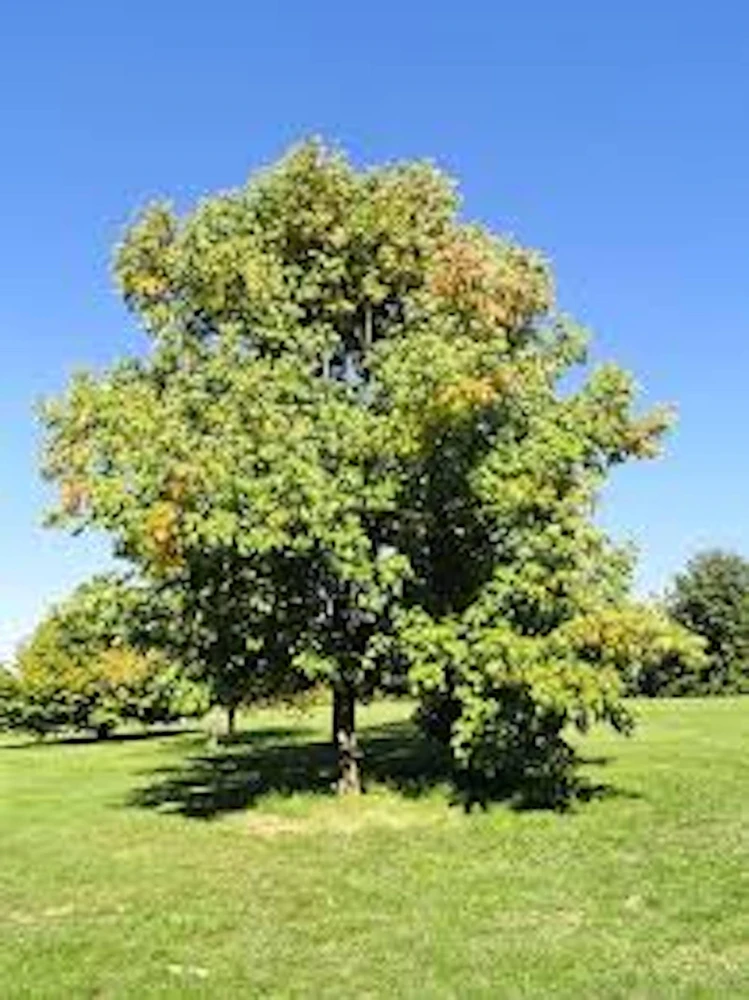
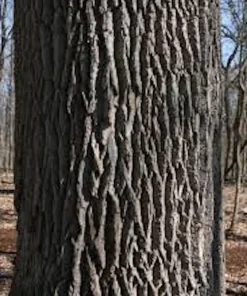
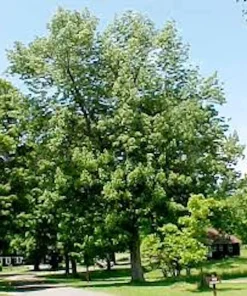
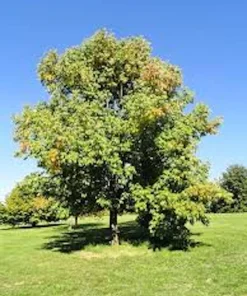
Introduce a magnificent specimen to your garden with this white ash tree live plant. Scientifically known as Fraxinus americana, this native North American species is celebrated for its remarkable strength and aesthetic appeal. Our offering is a healthy, young tree, measuring 12-24 inches tall, provided in a convenient quart pot, ready for planting. The white ash tree live plant is a medium to large deciduous tree, known for its rapid growth and eventual towering presence, reaching heights of 50-80 feet with a spread of 40-50 feet. Its strong, dense wood has historically been valued for baseball bats, tool handles, and furniture. A key identifier is its distinctive bark, which develops interlacing ridges and diamond-shaped furrows as the tree matures, adding significant visual interest to any landscape. This tree is a fantastic choice for those looking to add a resilient and stately native species to their property.
Key Benefits
Adding a white ash tree live plant to your landscape offers numerous advantages, from its ecological benefits to its aesthetic value. This robust tree is a long-term investment that enhances your property.
- Stately Presence: The White Ash grows into a large, impressive tree, providing significant shade and a majestic focal point in any garden or yard. Its broad canopy creates a cool, inviting environment during warmer months.
- Durable Wood: Known for its strong and dense wood, the Fraxinus americana is highly valued. While you might not be making baseball bats, its sturdy branches contribute to the tree’s overall resilience and longevity.
- Ecological Value: As a native North American species, the White Ash provides habitat and food sources for various wildlife, supporting local ecosystems and biodiversity. It’s an excellent choice for a nature-friendly garden.
- Adaptable Growth: This tree is remarkably adaptable, tolerating a wide range of soil conditions, including clay, loam, sand, acidic, and alkaline soils. This makes growing white ash tree accessible in many different environments.
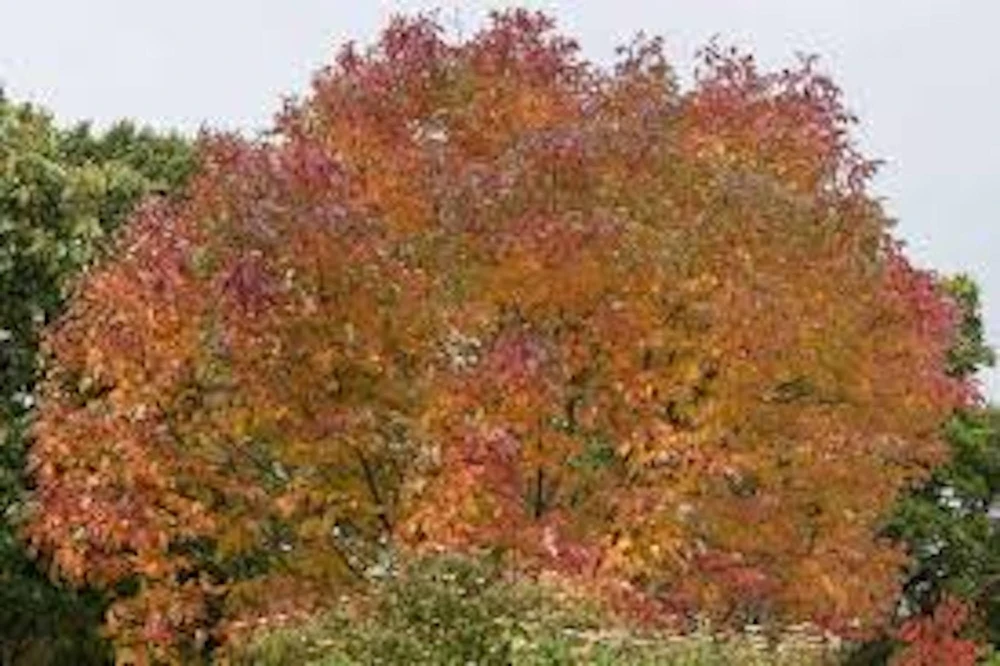
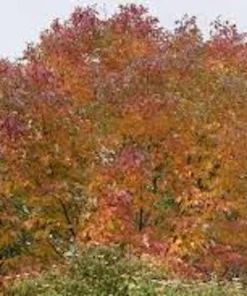
- Seasonal Beauty: Beyond its summer foliage, the White Ash offers beautiful fall color, with leaves turning vibrant shades of yellow, red, and purple, providing a stunning display before winter.
- Low Maintenance: Once established, the White Ash is relatively low-maintenance, tolerating moderate drought and requiring minimal intervention, making it a rewarding addition for busy gardeners.
- Distinctive Bark: The unique interlacing ridges and diamond-shaped furrows of its bark provide year-round visual interest, especially in winter when the leaves have fallen.
Plant Care & Growing Tips
Caring for your white ash tree live plant involves understanding its specific needs to ensure robust growth and longevity. This tree thrives in conditions that mimic its natural habitat. For optimal development, select a planting site that receives full sun, meaning at least six hours of direct sunlight daily, although it can tolerate part shade. Adequate sunlight is crucial for vigorous growth and good health.
When considering soil, the Fraxinus americana prefers moist, organically rich, and well-drained loams. However, its adaptability is one of its strong suits; it can tolerate a wide range of soil conditions, including clay, loam, sand, acidic, alkaline, and even temporarily flooded areas. Ensuring good drainage is key to preventing root rot. For optimal growth, the soil should also have high nitrogen and moderate to high calcium levels. Watering needs are moderate; the tree requires medium moisture but can tolerate moderate drought once established. During dry spells, especially in its first few years, regular deep watering will help establish a strong root system. Understanding fraxinus americana care is essential for its success. The white ash tree identification is also important to ensure you’re providing the correct care for this specific species.
The White Ash is hardy in USDA Zones 3 through 9A, making it suitable for a broad range of climates. Protection from harsh winter winds may be beneficial for very young trees in the colder parts of its range. Fertilize young trees annually in spring with a balanced, slow-release fertilizer formulated for trees and shrubs, following product instructions. Pruning should focus on removing dead, damaged, or crossing branches to maintain a strong structure and good air circulation. Early detection of pests and diseases is important; be vigilant for signs of the emerald ash borer, which is a significant threat to ash trees, and consult local extension services for management strategies if detected. Proper ash tree landscaping planning can help mitigate some common issues.
Size & Details
This offering includes a white ash tree live plant that stands approximately 12-24 inches tall upon arrival. It is carefully grown and shipped in a quart-sized pot, providing a well-established root system ready for transplanting into your garden. The initial size allows for easier handling and planting, while still providing a significant head start compared to smaller seedlings. Expect a moderate to fast growth rate once established, with the tree quickly gaining height and spread. The White Ash will eventually mature into a large tree, reaching 50-80 feet in height with a spread of 40-50 feet over many years.
The tree will ship with its root ball intact within the quart pot, ensuring minimal transplant shock. While the initial height is 12-24 inches, the growth potential is considerable. The bark will develop its characteristic interlacing ridges and diamond-shaped furrows as the tree matures, which is a key aspect of white ash tree identification. This tree is a long-term landscape feature, providing decades of beauty and ecological benefit.
Frequently Asked Questions
- Q: How big does this White Ash Tree get? A: This white ash tree live plant is currently 12-24 inches tall. It is a medium to large tree that can eventually reach an impressive height of 50-80 feet with a spread of 40-50 feet at maturity, making it a significant landscape feature.
- Q: What size pot does it come in? A: The White Ash Tree you receive will be shipped in a quart-sized pot, ensuring its root system is well-protected and ready for transplanting into your garden or a larger container.
- Q: Is this an indoor or outdoor plant? A: The White Ash Tree is an outdoor plant, ideally suited for landscaping. It requires ample space to grow and thrive, and is not suitable for long-term indoor cultivation. It is a key element in ash tree landscaping.
- Q: How much sunlight does it need? A: This tree prefers full sun, meaning at least 6 hours of direct sunlight per day. It can tolerate part shade, but full sun will promote the healthiest and most vigorous growth.
- Q: Is this plant easy to care for? A: Once established, the White Ash Tree is relatively easy to care for. It is adaptable to various soil types and can tolerate moderate drought, making fraxinus americana care manageable for most gardeners.
- Q: What condition will it arrive in? A: Your white ash tree live plant will arrive carefully packaged in its quart pot, with its root ball intact, to ensure it is healthy and ready for planting upon arrival.
- Q: When is the best time to plant a White Ash Tree? A: The best time to plant a White Ash Tree is typically in spring or early fall, allowing the tree to establish its root system before extreme summer heat or winter cold.
- Q: Will it survive winter in my zone? A: Yes, the White Ash Tree is very hardy and thrives in USDA Hardiness Zones 3 through 9A, making it well-suited for a wide range of climates across the United States.
- Q: How can I identify a White Ash Tree? A: Key features for white ash tree identification include its opposite branches, compound leaves with 5-9 leaflets, and especially its bark, which develops a distinctive pattern of interlacing ridges and diamond-shaped furrows as it matures.
- Q: What are the soil requirements for growing white ash tree? A: The White Ash prefers moist, organically rich, well-drained loams but is highly adaptable. It can tolerate clay, loam, sand, acidic, alkaline, and even temporarily flooded soils, though good drainage is always beneficial.
Be the first to review “White Ash Tree Live Plant – 12-24″ Tall, Quart Pot, Fraxinus americana”
People Also Viewed
Vegetable Seeds
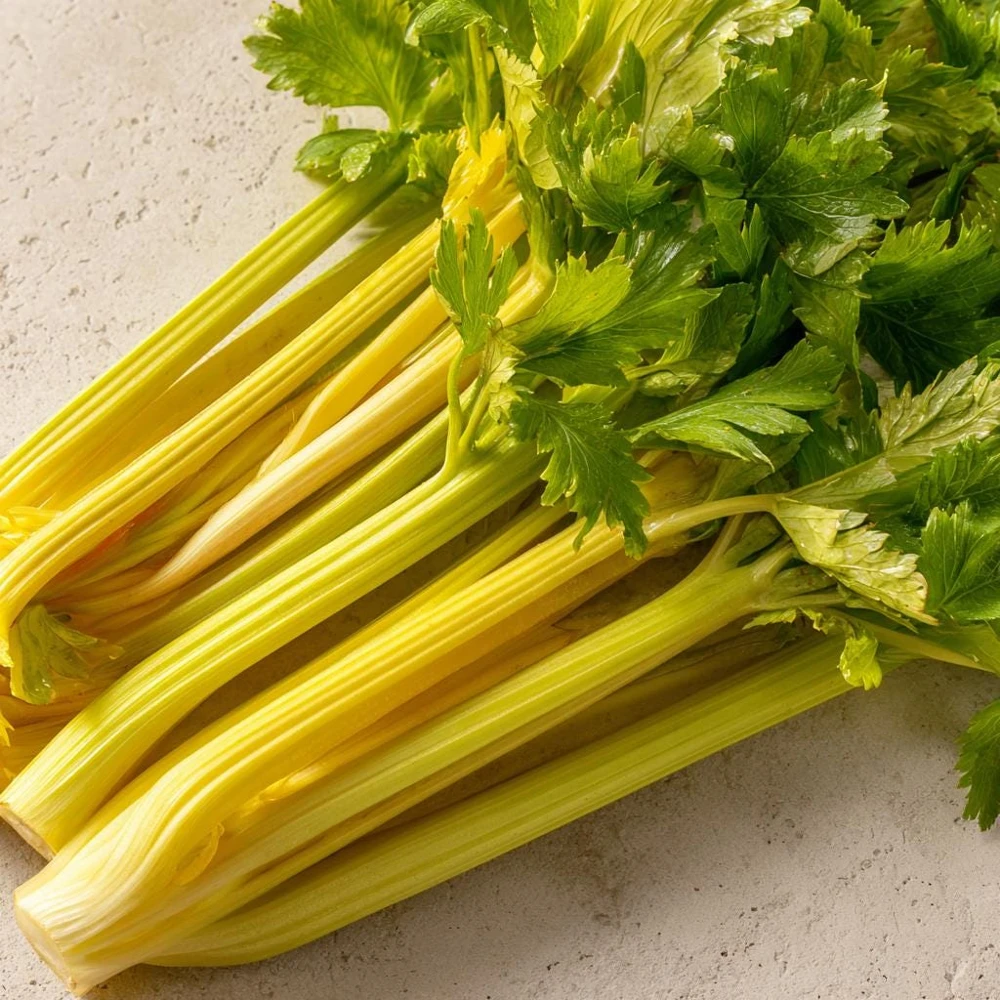
Golden Pascal Celery Seeds – Heirloom Variety – 100 Seed Pack – Easy to Grow Outdoor Vegetable
Grass Seeds
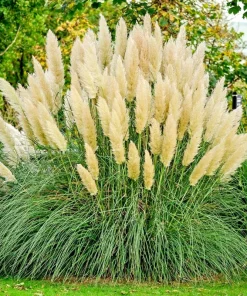
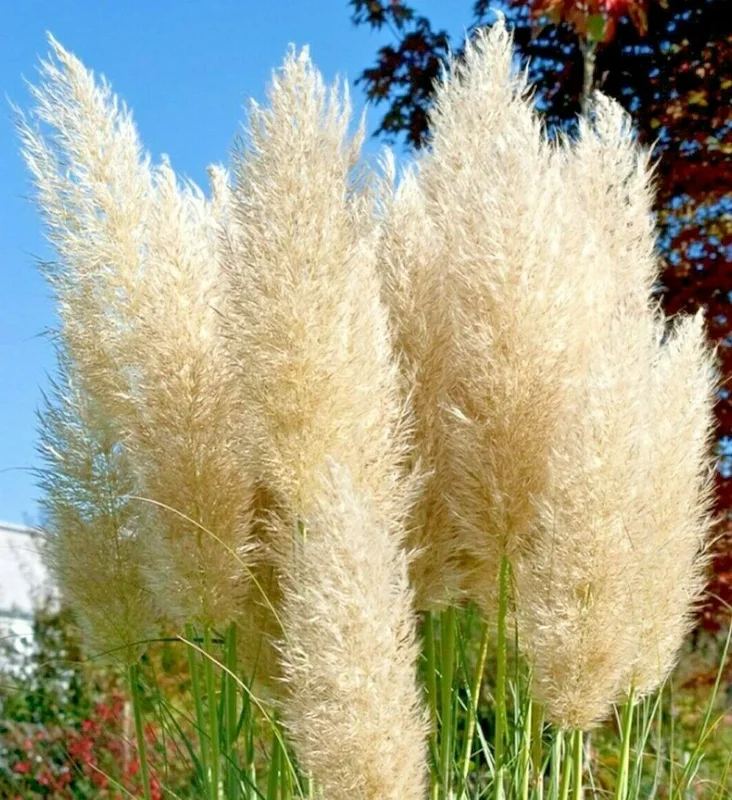
100000 True Ivory Pampas Grass Seeds – Everlasting Tall Plumes, Perennial, Indoor/Outdoor
Reviews
There are no reviews yet.