
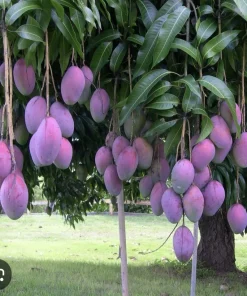
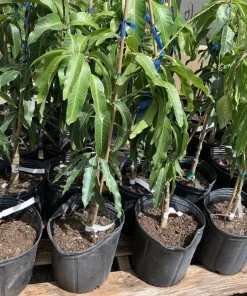
Organic Palmer Mango Tree – Live Tropical Fruit Plant
Original price was: $91.99.$71.99Current price is: $71.99.
Cultivate your own tropical paradise with an organic Palmer mango tree. This live fruit plant is known for its sweet, fiber-free mangoes, perfect for any home garden or patio. Enjoy fresh, homegrown fruit with proper care.
Estimated arrival
Oct 27
Nov 01 - Nov 03
Nov 06 - Nov 10
Shop With Confidence
30-Day Plant Health Guarantee
Arrives damaged? We’ll replace it free — see our return policy.
Responsive Support
Email us anytime, we reply within 1 business day.
Expert Packaging
Temperature-controlled shipping to protect your plants in transit.
Secure Checkout
Pay safely with Visa, Mastercard, PayPal.
Plant Specifications
-
USDA Hardiness Zone
USDA zones 9-11 -
Soil Type
Well-draining, slightly acidic sandy loam -
Sunlight Exposure
Full sun (6-8+ hours direct light) -
Expected Planting Period
Spring to early summer
Overview
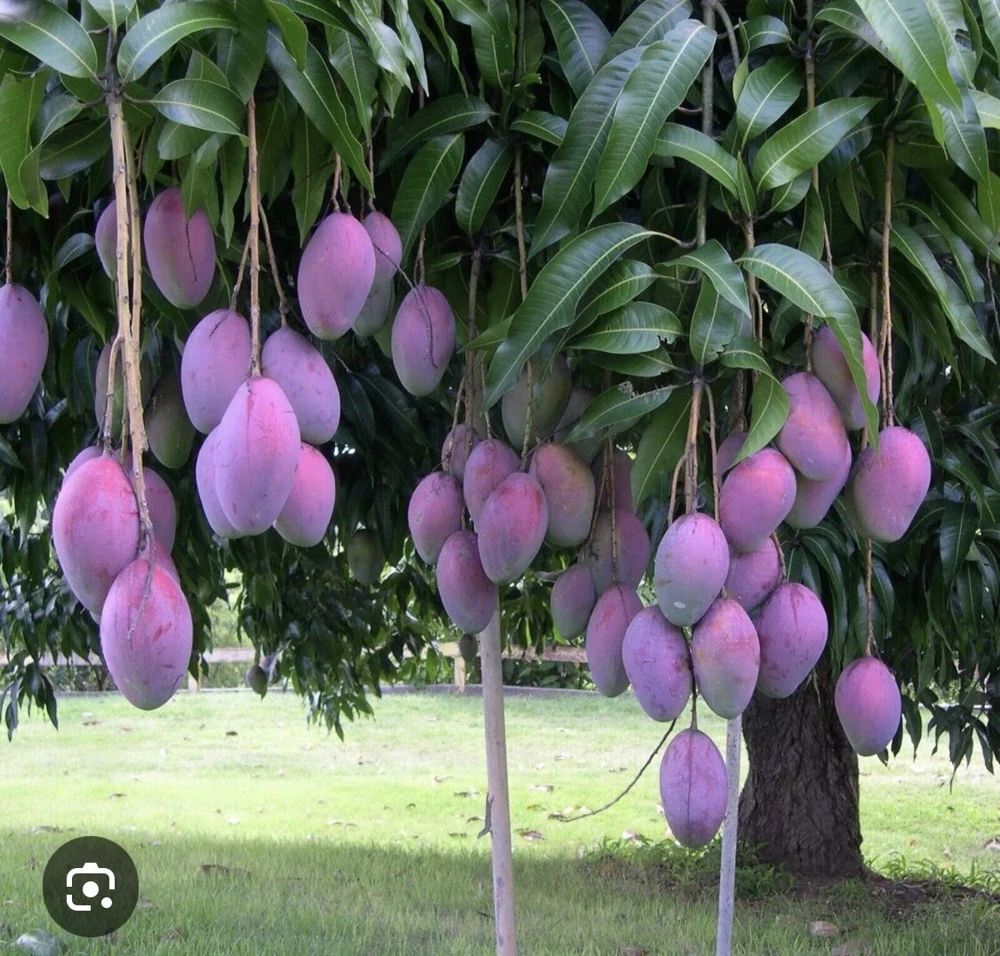
Embark on a delightful journey of cultivating your own tropical fruit with the Palmer mango tree organic. This magnificent live plant is renowned for producing large, oblong mangoes with beautiful red to purple blush over a yellow background. The Palmer mango is celebrated for its exceptionally sweet, juicy, and fiber-free flesh, making it a favorite among mango enthusiasts. Originating from Florida, this variety is well-adapted to warm climates and can be a fantastic addition to your backyard orchard or even grown in a large container on a patio in cooler regions with proper winter protection. Imagine plucking a ripe, fragrant mango directly from your own organic mango plant, a true taste of the tropics at your fingertips. This tree promises not only delicious fruit but also an attractive, lush green presence in your landscape.
The organic Palmer mango tree is a robust grower, developing a dense canopy that provides excellent shade and visual appeal. It’s a self-pollinating variety, meaning you typically only need one tree to get fruit, though having multiple trees can enhance yield. With its vigorous growth habit and delicious fruit, the Palmer mango offers a rewarding experience for both novice and experienced gardeners looking to grow their own exotic produce. This particular offering emphasizes organic cultivation, ensuring that your homegrown mangoes are free from synthetic pesticides and fertilizers, aligning with a healthy and sustainable lifestyle.
Key Benefits
Bringing an organic Palmer mango tree into your garden offers a multitude of advantages beyond just its delicious fruit. It’s a statement of sustainable living and a commitment to wholesome produce. Here are some key benefits:
- Delicious Homegrown Fruit: Enjoy fresh, sweet, and fiber-free Palmer mangoes directly from your own tree. The taste of a freshly picked organic mango plant is incomparable to store-bought varieties.
- Nutrient-Rich Produce: Mangoes are packed with vitamins A and C, fiber, and antioxidants, contributing to a healthy diet. Growing your own ensures you know exactly how your food is produced.
- Attractive Landscape Addition: The Palmer mango tree boasts lush, evergreen foliage and a beautiful growth habit, enhancing the aesthetic appeal of your garden or patio as a stunning tropical fruit tree.
- Sustainable Gardening: By choosing an organic plant, you support environmentally friendly practices, avoiding harmful chemicals and promoting biodiversity in your garden.
- Educational Experience: Growing a fruit tree provides a wonderful learning opportunity for families, teaching about plant life cycles, fruit production, and sustainable agriculture.
- Potential for Culinary Creativity: Use your homegrown mangoes in countless recipes, from smoothies and desserts to salsas and main dishes, exploring new culinary horizons.
- Improved Air Quality: Like all plants, the mango tree contributes to better air quality by producing oxygen and absorbing carbon dioxide.
Plant Care & Growing Tips
Caring for your organic Palmer mango tree involves understanding its tropical needs to ensure bountiful harvests. Mangoes thrive in warm, sunny environments. They require at least 6-8 hours of direct sunlight daily. In USDA zones 9-11, they can be planted directly in the ground, but in cooler climates, they should be grown in large containers that can be moved indoors during colder months. The ideal temperature range for mango trees is between 75°F and 85°F (24°C-29°C).
When it comes to watering, consistent moisture is crucial, especially during the flowering and fruiting stages. However, avoid waterlogging, as this can lead to root rot. Allow the top few inches of soil to dry out slightly between waterings. A well-draining soil mix is essential; a sandy loam with good organic matter content is ideal. For container-grown trees, use a high-quality potting mix specifically formulated for fruit trees. Fertilize young trees every 2-3 months with a balanced, organic fertilizer, gradually reducing frequency as the tree matures. Pruning should be done after the fruiting season to maintain shape, improve air circulation, and encourage new growth. Protect your tropical fruit tree from strong winds and frost, especially when young, to ensure its health and productivity. Learning how to grow mango at home organically requires attention to detail but offers immense rewards.
Size & Details
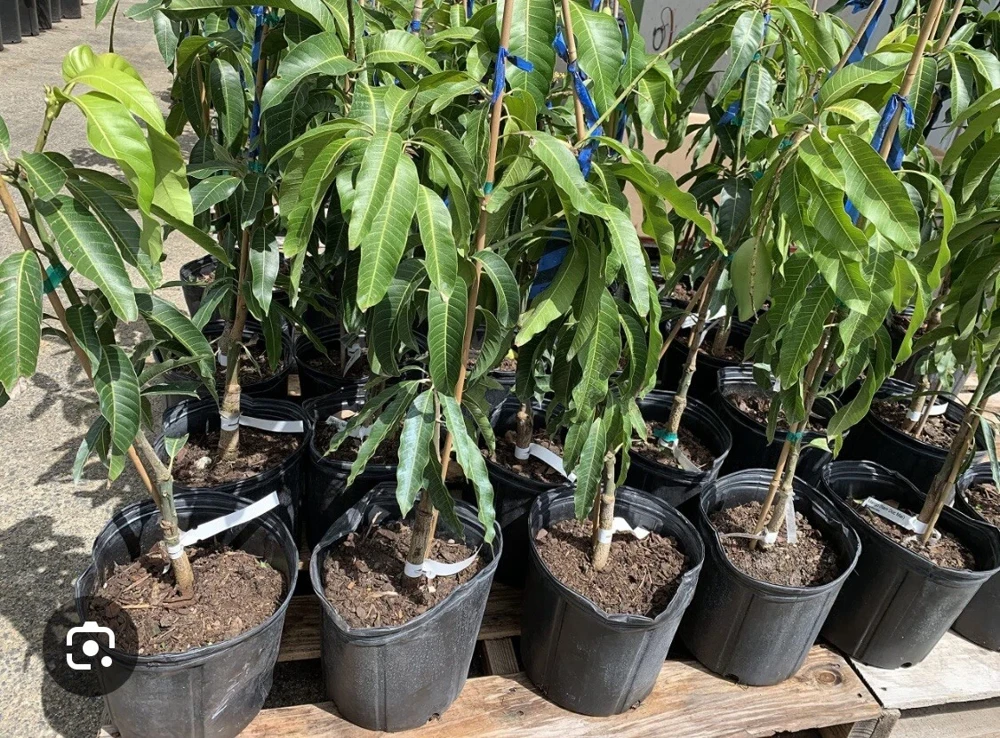
This organic Palmer mango tree is typically shipped as a young, live plant, ready for transplanting into your garden or a larger container. While specific dimensions may vary depending on the exact specimen, most young trees are between 12-24 inches tall upon arrival, often in a nursery pot ready for immediate planting. Palmer mango trees are considered medium to large growers, eventually reaching heights of 15-20 feet in optimal outdoor conditions if left unpruned. When grown in containers, their size can be managed with regular pruning, keeping them more compact, usually around 6-10 feet tall. The growth rate is moderate, and with proper care, you can expect fruit production within 3-5 years. The tree will arrive carefully packaged to ensure its health and vitality during transit, ready for you to begin your journey of growing delicious mangoes.
Frequently Asked Questions
- Q: How big does this organic Palmer mango tree get? A: In ideal outdoor conditions, an unpruned Palmer mango tree can reach 15-20 feet tall. When grown in a container, its size can be maintained at 6-10 feet with proper pruning.
- Q: Is this an indoor or outdoor plant? A: The organic Palmer mango tree is a tropical plant best suited for outdoor planting in USDA zones 9-11. In cooler climates, it can be grown outdoors in a large pot during warm months and moved indoors for winter protection.
- Q: How much sunlight does my organic mango plant need? A: This tree requires a minimum of 6-8 hours of direct sunlight per day to thrive and produce fruit. Full sun exposure is ideal for optimal growth and yield.
- Q: Is this plant easy to care for? A: While not extremely difficult, the Palmer mango tree requires consistent care, especially regarding watering, sunlight, and protection from cold. It’s a rewarding plant for those willing to learn its specific tropical needs.
- Q: What condition will the tropical fruit tree arrive in? A: Your tree will arrive as a live, healthy plant, carefully packaged to minimize stress during shipping. It will be ready for immediate transplanting into its permanent location or a larger pot.
- Q: When is the best time to plant a Palmer mango tree? A: The best time to plant is in spring or early summer, after all danger of frost has passed, allowing the tree ample time to establish itself before cooler weather.
- Q: Can I really grow mango at home in a container? A: Yes, Palmer mango trees can be successfully grown in large containers, especially in regions with cold winters. You’ll need a large pot (25-gallon or larger) and a plan to move it indoors when temperatures drop.
- Q: What kind of soil is best for this mango tree? A: A well-draining, slightly acidic soil with good organic content is best. For container planting, use a high-quality potting mix formulated for fruit trees.
- Q: How long until my organic Palmer mango tree produces fruit? A: With proper care, you can typically expect your tree to start producing fruit within 3-5 years after planting.
- Q: Will it survive winter in my zone if I live outside USDA zones 9-11? A: If you live outside zones 9-11, you must provide winter protection by moving the potted tree indoors to a warm, brightly lit area before temperatures drop below 40°F (4°C).
Be the first to review “Organic Palmer Mango Tree – Live Tropical Fruit Plant”
People Also Viewed


Herbs
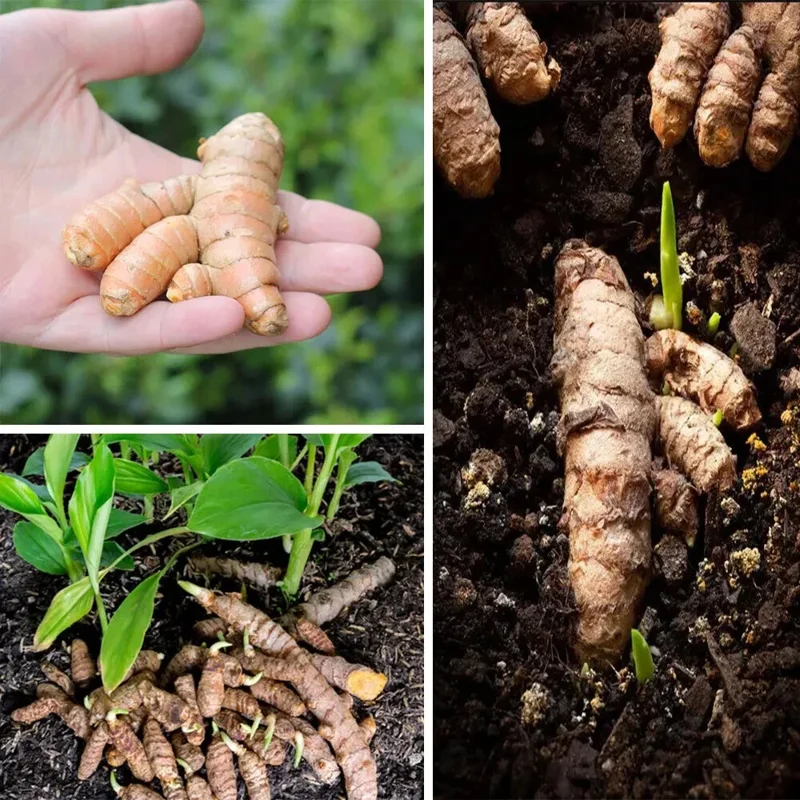
7 Fresh Turmeric Root Plant (Curcuma Longa) Live Rhizomes Ready for Planting – Indoor/Outdoor Herb
Reviews
There are no reviews yet.