
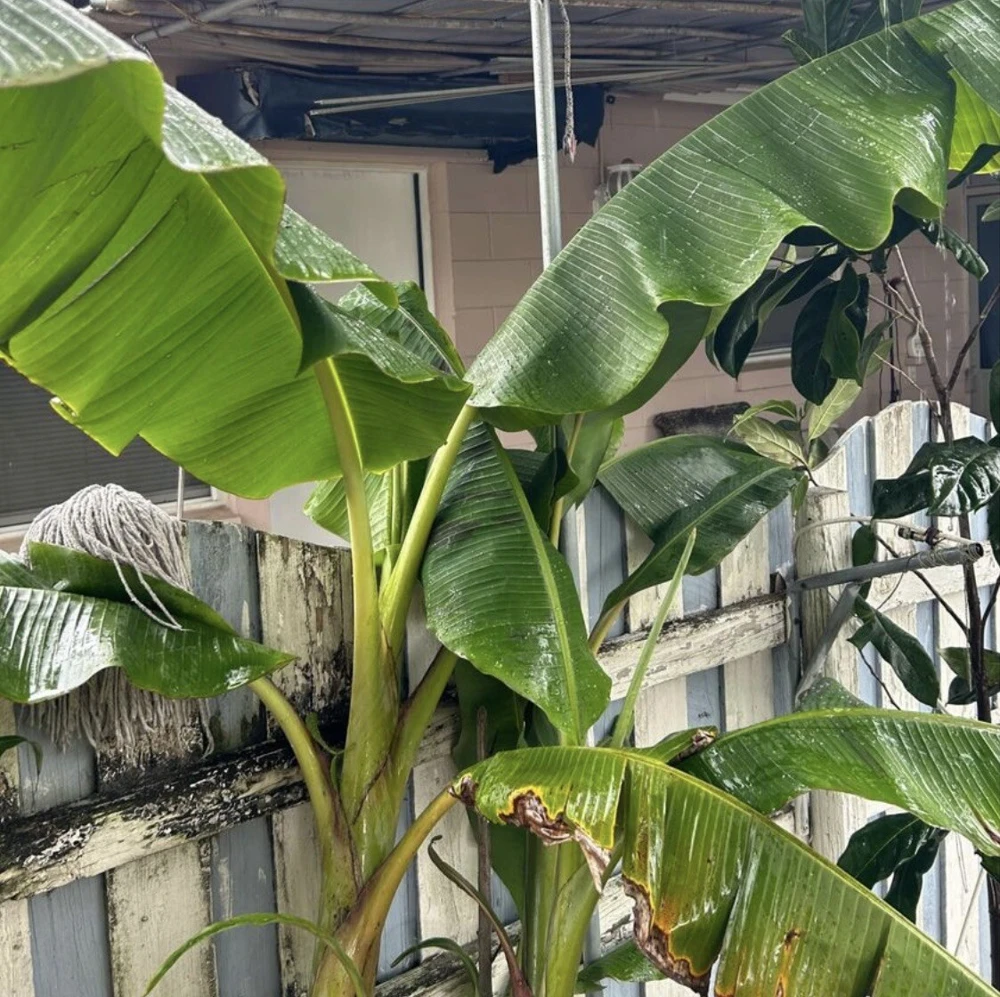
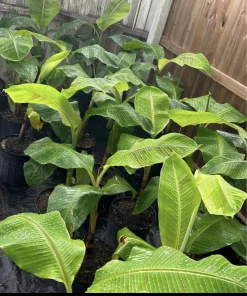
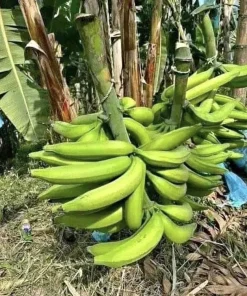
Organic Plantain Tree Live Plant – Grow Your Own Fruit
Original price was: $91.99.$71.99Current price is: $71.99.
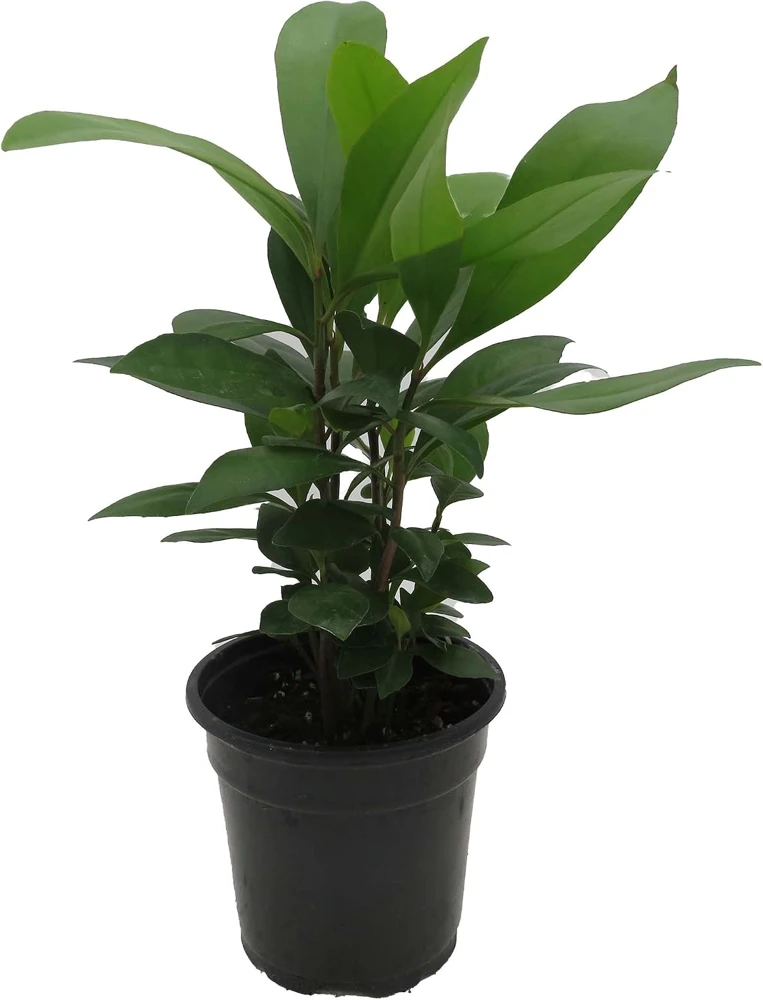
Bring the tropics to your backyard with an organic plantain tree. This live plant offers the joy of growing your own nutritious plantain fruit tree, perfect for culinary use. Enjoy fresh, healthy harvests with proper plantain tree care.
Estimated arrival
Oct 27
Nov 01 - Nov 03
Nov 06 - Nov 10
Shop With Confidence
30-Day Plant Health Guarantee
Arrives damaged? We’ll replace it free — see our return policy.
Responsive Support
Email us anytime, we reply within 1 business day.
Expert Packaging
Temperature-controlled shipping to protect your plants in transit.
Secure Checkout
Pay safely with Visa, Mastercard, PayPal.
Plant Specifications
-
USDA Hardiness Zone
USDA zones 9–11 -
Soil Type
Well-draining, rich in organic matter -
Sunlight Exposure
Full sun to partial shade -
Expected Planting Period
Spring to early summer
Overview
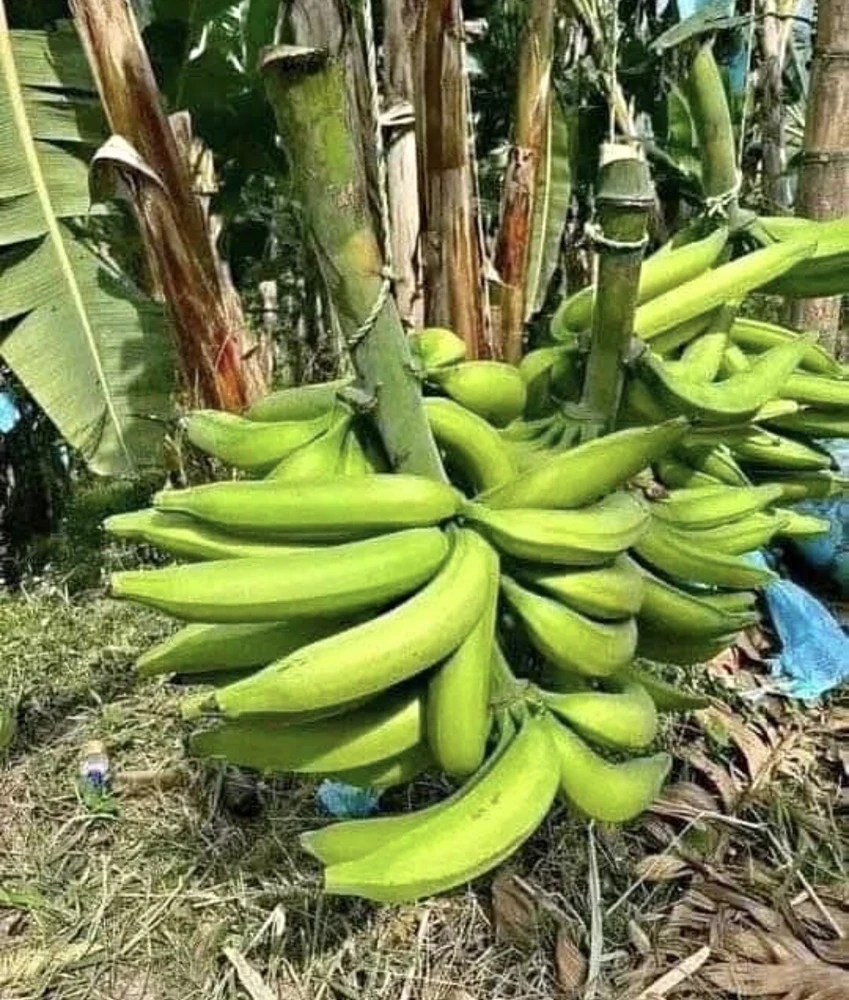
Cultivate your own delicious and versatile fruit with this exquisite organic plantain tree. Plantains, botanically known as Musa paradisiaca, are a staple in many tropical cuisines and are highly valued for their nutritional content. This live plant provides a fantastic opportunity to grow your own fresh, organic plantains right at home, offering a rewarding gardening experience and a continuous supply of healthy fruit. Often mistaken for bananas, plantains are starchier and typically cooked before eating, making them a versatile ingredient in a wide array of dishes. Whether you’re an experienced gardener or just starting, this organic plantain tree is a robust and rewarding addition to any garden or patio.
Our organic plantain tree is grown with sustainable practices, ensuring a healthy and vigorous specimen ready to thrive in your environment. These tropical plants are known for their rapid growth and impressive foliage, adding a lush, exotic touch to your landscape. Imagine harvesting your own green or ripe plantains, knowing they are free from pesticides and chemicals. This plant is not only a food source but also a beautiful ornamental, creating a vibrant focal point in your outdoor space. Discover the simple pleasure of fresh, homegrown food with this exceptional organic plantain tree.
Key Benefits
Growing your own organic plantain tree offers a multitude of advantages beyond just fresh fruit. Here are some key benefits you’ll enjoy:
- Fresh, Organic Produce: Enjoy the satisfaction of harvesting your own chemical-free plantains, ensuring the freshest and most nutritious fruit for your family. This eliminates concerns about pesticides and provides peace of mind.
- Culinary Versatility: Plantains are incredibly versatile in the kitchen, suitable for frying, baking, boiling, or grilling. From savory chips to sweet desserts, having your own plantain fruit tree opens up a world of culinary possibilities.
- Exotic Garden Aesthetic: The large, paddle-like leaves of the organic plantain tree create a stunning tropical ambiance in any garden or patio. It adds dramatic visual interest and a lush, verdant backdrop to your outdoor living space.
- Nutritional Powerhouse: Plantains are rich in essential vitamins and minerals, including Vitamin C, Vitamin B6, potassium, and dietary fiber. Incorporating homegrown plantains into your diet can contribute to a healthy lifestyle.
- Educational Experience: Growing a musa paradisiaca plant can be a wonderful educational experience for children and adults alike, teaching about plant life cycles, sustainable food sources, and tropical agriculture.
- Sustainable Living: By growing your own food, you reduce your carbon footprint associated with food transportation and packaging, contributing to a more sustainable lifestyle.
- Rewarding Harvests: Experience the joy and pride of nurturing a plant from its initial stage to producing abundant fruit. The regular harvests from your organic plantain tree will be a source of continuous delight.
Plant Care & Growing Tips
Proper plantain tree care is essential for a bountiful harvest and a healthy plant. Plantain trees thrive in warm, humid climates and require specific conditions to flourish. They are heavy feeders and appreciate consistent moisture and nutrients. For optimal growth, choose a location that receives at least 6-8 hours of direct sunlight daily. In hotter climates, some afternoon shade can be beneficial to prevent leaf scorch. If growing in a container, ensure it is large enough to accommodate the plant’s root system and has excellent drainage. The plantain tree is a tropical plant and is not frost-tolerant, so in cooler zones, it may need to be brought indoors or protected during winter.
Watering is a critical aspect of organic plantain tree care. These plants prefer consistently moist soil but not waterlogged conditions. Water deeply and regularly, especially during dry spells and when the plant is actively growing or fruiting. Reduce watering slightly during cooler, dormant periods. A good quality, well-draining soil mix rich in organic matter is ideal. Amend heavy clay soils with compost or sand to improve drainage, and sandy soils with organic matter to retain moisture. Fertilize your musa paradisiaca regularly during the growing season with a balanced, slow-release fertilizer or a liquid feed high in potassium to support fruit development. Follow package instructions for application rates.
Maintaining your plantain fruit tree also involves occasional pruning. Remove any dead, yellowing, or damaged leaves to encourage new growth and improve air circulation. Once a stalk has produced fruit, it will die back and should be cut down to the ground to allow new suckers (baby plants) to grow and replace it. Watch out for common pests like aphids or spider mites, and treat them with organic pest control methods if necessary. With diligent plantain tree care, you will be rewarded with a lush, productive plant that provides delicious fruit for many years.
Size & Details
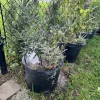
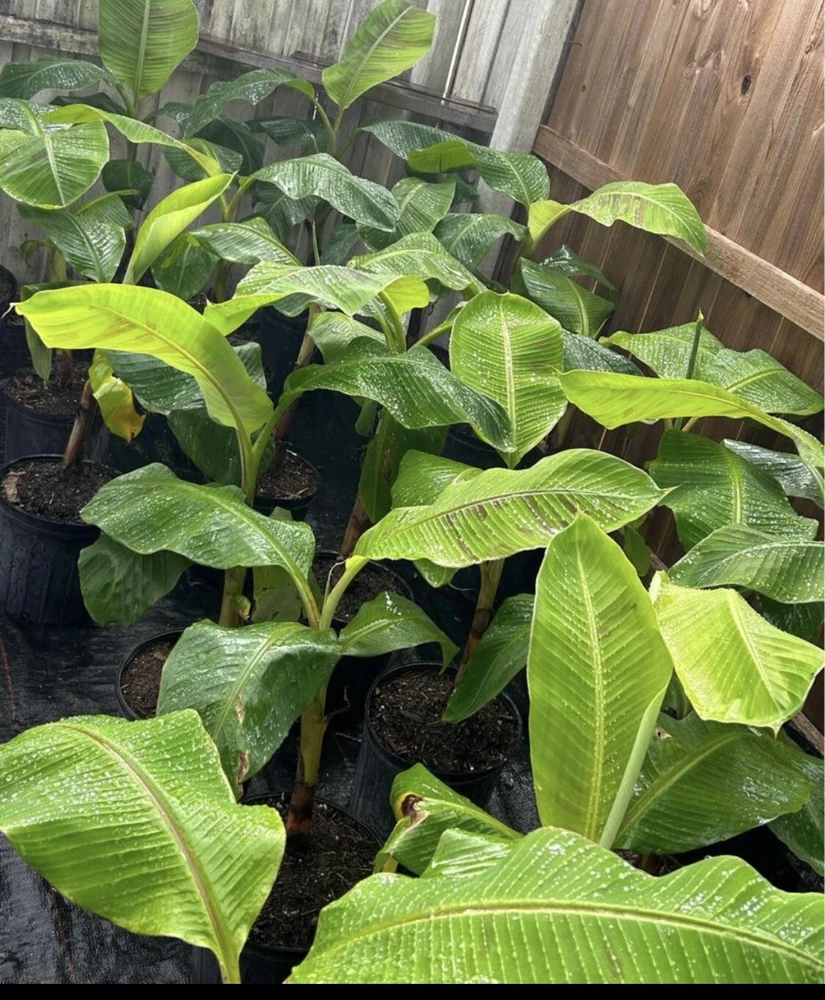
This organic plantain tree is shipped as a healthy, young live plant, typically in a nursery pot, ready for transplanting into your garden or a larger container. While specific dimensions may vary, young plants generally stand between 12-24 inches tall upon arrival, allowing them to establish quickly in their new environment. Plantain trees are fast growers and, under ideal conditions, can reach mature heights of 10-20 feet with a spread of 5-10 feet, depending on the variety and growing conditions. They typically begin producing fruit within 1-2 years of planting, with a continuous cycle of fruiting stalks emerging over time.
When planting your organic plantain tree, consider its mature size and provide ample space. If growing in a container, select a pot that is at least 15-20 gallons to allow for adequate root development. The plant will benefit from a consistent watering regimen and regular feeding to support its vigorous growth and fruit production. The leaves can grow quite large, providing excellent shade and a truly tropical feel. Expect your plantain fruit tree to be a long-term producer, providing fresh harvests for many seasons with proper care and environmental conditions.
Frequently Asked Questions
- Q: How big does this plant get? A: A mature organic plantain tree can reach heights of 10-20 feet with a spread of 5-10 feet, depending on the variety and growing conditions. Young plants are typically 1-2 feet tall upon arrival.
- Q: What size pot does it come in? A: The organic plantain tree usually arrives in a standard nursery pot, ready for transplanting. For permanent container growing, we recommend a pot of at least 15-20 gallons.
- Q: Is this an indoor or outdoor plant? A: Plantain trees are tropical plants that thrive outdoors in warm climates (USDA zones 9–11). In colder regions, they can be grown in containers and brought indoors during winter or treated as annuals.
- Q: How much sunlight does it need? A: The organic plantain tree requires at least 6-8 hours of direct sunlight per day to produce fruit effectively. In very hot climates, some afternoon shade can be beneficial.
- Q: Is this plant easy to care for? A: With consistent watering, feeding, and protection from frost, plantain tree care is relatively straightforward. They are vigorous growers and rewarding for gardeners of all levels.
- Q: What condition will it arrive in? A: Your organic plantain tree will arrive as a healthy, live plant, carefully packaged to ensure its safe transit and ready for planting.
- Q: Is it shipped in soil? A: Yes, the plant will be shipped in its nursery pot with soil to ensure its health and hydration during transit.
- Q: Can I use organic plantain tree fruit in cooking? A: Absolutely! The fruit from your plantain fruit tree is excellent for cooking, whether fried, baked, boiled, or grilled, and is a staple in many cuisines.
- Q: When is the best time to plant? A: The best time to plant your organic plantain tree is in spring or early summer, after all danger of frost has passed, to allow it ample time to establish before cooler weather.
- Q: Will it survive winter in my zone? A: Plantains are tropical and not frost-tolerant. They are hardy in USDA zones 9–11. In colder zones, they must be protected from freezing temperatures or grown indoors.
Be the first to review “Organic Plantain Tree Live Plant – Grow Your Own Fruit”
People Also Viewed
Reviews
There are no reviews yet.