
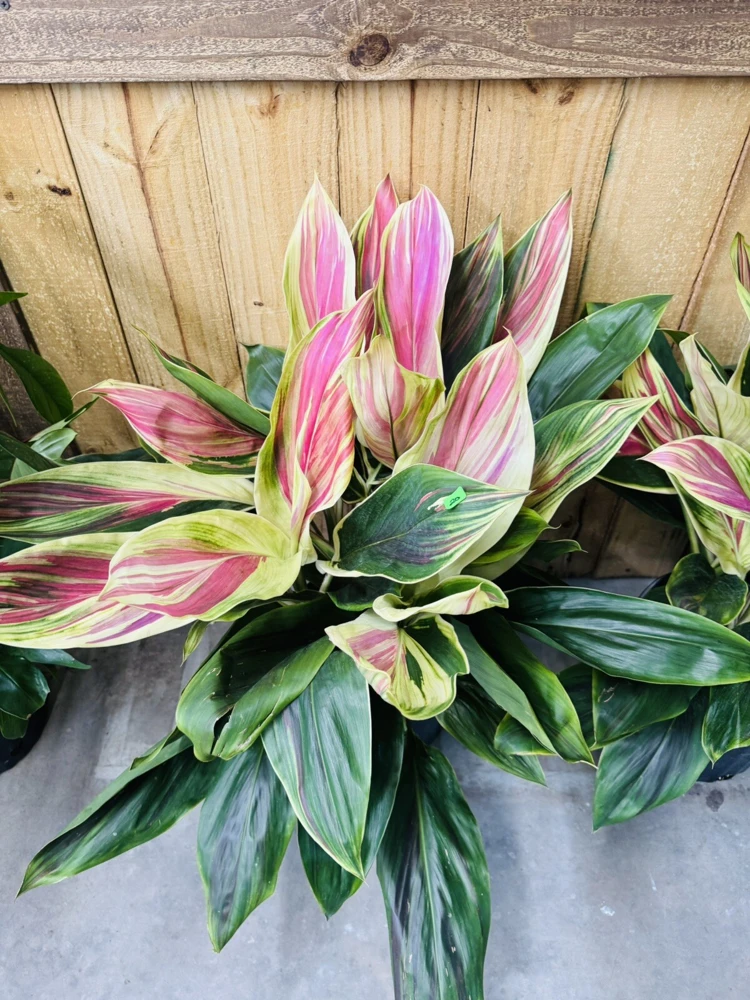
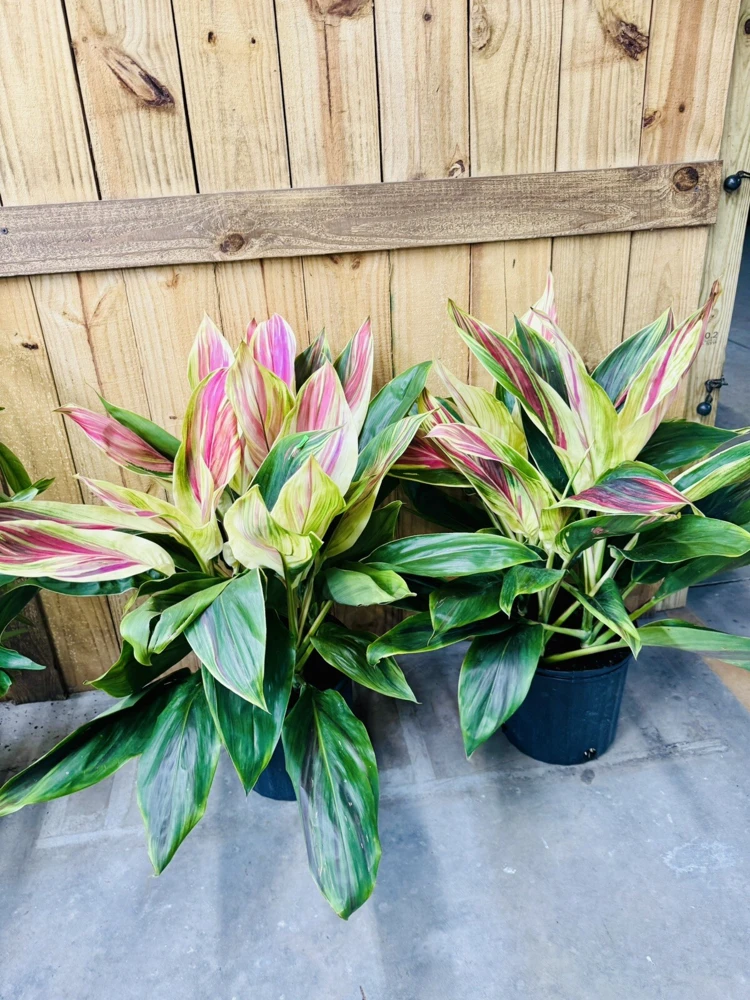
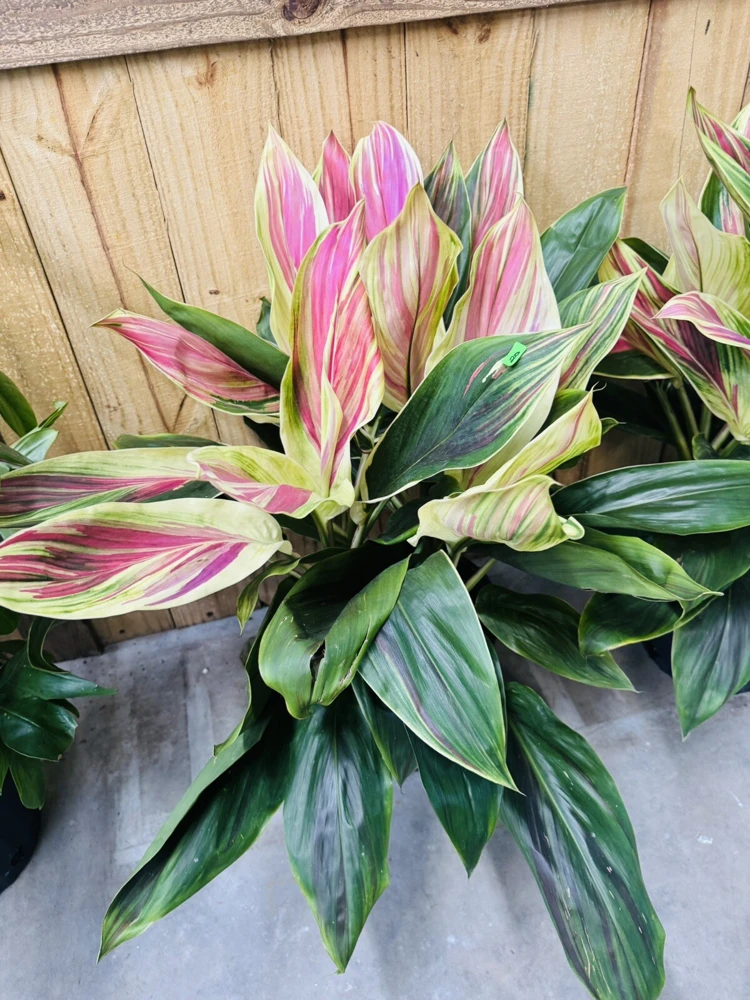
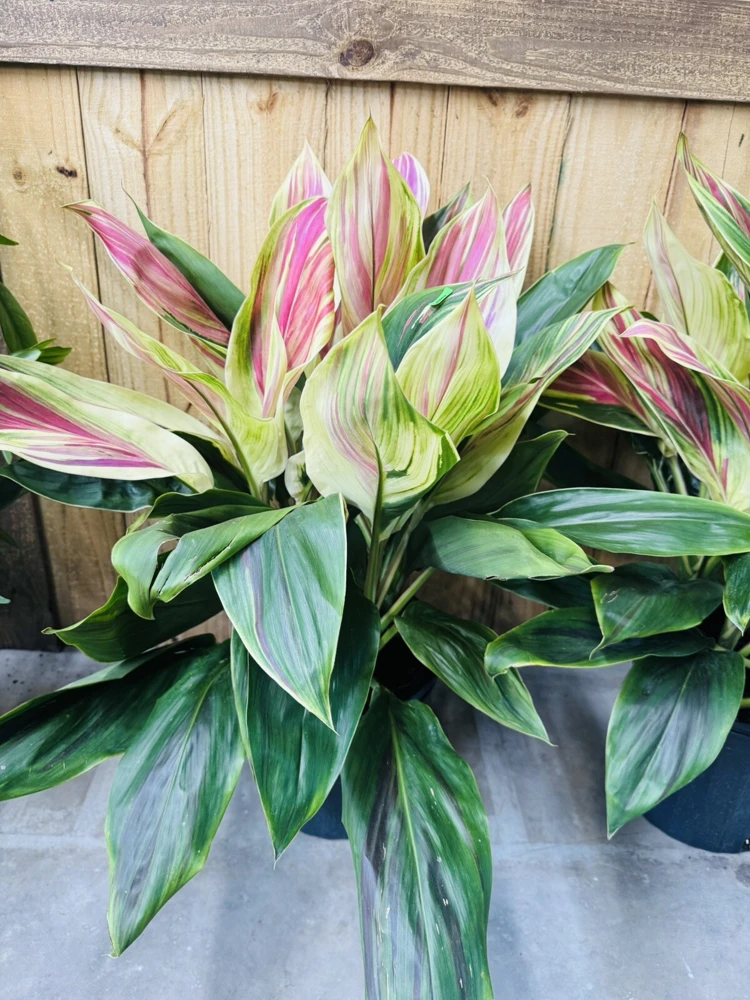
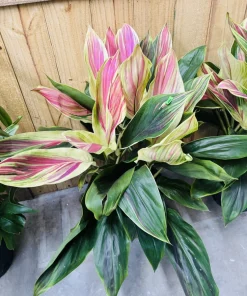
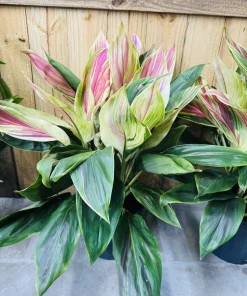
Cordyline Ti Live Plant – Hawaiian Tropical Foliage Indoor/Outdoor
Original price was: $72.99.$59.99Current price is: $59.99.
Bring a touch of the tropics to your space with this stunning cordyline ti live plant. Featuring vibrant, colorful tropical foliage, it’s an excellent choice for adding visual interest indoors or as an outdoor accent in warmer climates. Easy to care for and visually striking, this plant is sure to become a focal point.
Estimated arrival
Oct 27
Nov 01 - Nov 03
Nov 06 - Nov 10
Shop With Confidence
30-Day Plant Health Guarantee
Arrives damaged? We’ll replace it free — see our return policy.
Responsive Support
Email us anytime, we reply within 1 business day.
Expert Packaging
Temperature-controlled shipping to protect your plants in transit.
Secure Checkout
Pay safely with Visa, Mastercard, PayPal.
Plant Specifications
-
USDA Hardiness Zone
USDA zones 9-11 (outdoors); suitable for all zones indoors -
Soil Type
Well-draining potting mix rich in organic matter -
Sunlight Exposure
Bright indirect light -
Expected Planting Period
Year-round indoors; spring to summer outdoors
Overview
Transform your living space with the exquisite beauty of a cordyline ti live plant. This stunning tropical plant, often referred to as the Hawaiian Ti Plant, is celebrated for its incredibly vibrant and diverse foliage, ranging in colors from deep reds and purples to bright pinks, greens, and bronzes. Each leaf is a work of art, making the cordyline ti live plant a spectacular addition to any home or garden. As a live plant, it arrives ready to thrive, bringing instant color and a tropical ambiance. Cordyline fruticosa, its botanical name, is native to Southeast Asia, eastern Australia, Papua New Guinea, Melanesia, and parts of Polynesia, where it holds cultural significance. Its striking appearance makes it a popular choice for both seasoned plant enthusiasts and beginners looking to add a splash of exotic charm. Whether placed indoors as a vibrant houseplant or outdoors in frost-free regions, the cordyline ti live plant promises to be a captivating focal point.
Key Benefits
The cordyline ti live plant offers numerous advantages beyond its undeniable beauty, making it a valuable addition to your plant collection. Its striking appearance and relatively easy care requirements contribute to a rewarding ownership experience.
- Stunning Aesthetic Appeal: The primary benefit of the cordyline ti live plant is its dramatic, colorful tropical foliage. Its broad leaves display an impressive spectrum of hues, instantly brightening any room or garden bed and creating a lively, exotic atmosphere.
- Versatile Placement: This plant thrives both as an indoor houseplant in most climates and as an outdoor ornamental shrub in warmer, tropical regions. This adaptability allows you to enjoy its beauty regardless of your local conditions.
- Relatively Low Maintenance: Once established, the cordyline ti live plant is not overly demanding. With proper attention to light, water, and humidity, it can flourish without constant fuss, making it suitable for busy individuals.
- Air Purifying Qualities: Like many houseplants, Cordyline contributes to a healthier indoor environment by helping to filter out common airborne toxins, improving the overall air quality in your home.
- Tropical Ambiance Creator: Its distinctive look instantly evokes a feeling of a tropical paradise. Placing a cordyline ti live plant in your space can help create a relaxing and exotic retreat.
- Enhances Home Decor: The vibrant colors and unique leaf shapes make the Cordyline Ti an excellent decorative element. It can serve as a bold statement piece or complement existing decor with its natural artistry.
- Symbolic Significance: In some cultures, the Hawaiian Ti plant is considered a symbol of good luck and warding off evil spirits, adding a layer of cultural richness to its presence.
Plant Care & Growing Tips
Caring for your cordyline ti live plant is straightforward, especially when you understand its basic needs. Providing the right conditions will ensure its vibrant foliage remains healthy and colorful. A key aspect of hawaiian ti plant care is understanding its preference for warmth and humidity, mirroring its natural tropical habitat.
For sunlight, the cordyline ti live plant thrives in bright, indirect light. Indoors, place it near a window where it receives ample light but is shielded from harsh, direct afternoon sun, which can scorch its leaves. If growing outdoors, choose a location with morning sun and afternoon shade, especially in hotter climates. Too little light can dull the vibrant colors of its foliage. When it comes to watering, consistency is crucial. Keep the soil consistently moist but never waterlogged. Allow the top inch or two of soil to dry out between waterings. Overwatering can lead to root rot, while underwatering can cause leaf tips to brown. Good drainage is essential, so ensure your pot has drainage holes. The ideal soil type is a well-draining potting mix rich in organic matter. You can amend standard potting soil with perlite or sand to improve drainage if needed. Fertilize every 2-4 weeks during the growing season (spring and summer) with a balanced liquid fertilizer diluted to half strength. Reduce fertilization in fall and winter. This plant prefers warm temperatures, ideally between 65-80°F (18-27°C), and high humidity. Indoors, you can increase humidity by misting the leaves regularly, using a pebble tray, or placing it near a humidifier. The cordyline ti live plant is generally hardy in USDA zones 9-11 for outdoor cultivation; in colder zones, it must be brought indoors for winter. Common problems include spider mites or mealybugs, which can be treated with insecticidal soap. Browning leaf tips often indicate low humidity or inconsistent watering.
Size & Details
The cordyline ti live plant typically arrives as a young, actively growing specimen, ready to establish itself in its new environment. Its ultimate size depends on whether it’s grown indoors or outdoors and the specific variety. When cultivated as an indoor houseplant, it generally grows to a more manageable height, often reaching between 2 to 6 feet tall, with a spread of 1 to 3 feet. Outdoors in ideal tropical conditions, some varieties can mature into larger shrubs or small trees, potentially reaching heights of 10 feet or more. The growth rate is moderate, allowing you to enjoy its development over time. This plant is usually shipped in a nursery pot, ensuring its roots are protected and it has a good start. Expect the plant to arrive with several vibrant leaves, showcasing its characteristic colorful tropical foliage. With proper care, it will continue to produce new leaves and fill out, becoming a lush and impressive display. The time to reach its mature size varies but with consistent care, you will see significant growth within the first few years.
Frequently Asked Questions
- Q: How big does this cordyline ti live plant get? A: Indoors, it typically grows 2-6 feet tall and 1-3 feet wide. Outdoors in tropical climates, it can reach up to 10 feet or more, depending on the variety and growing conditions.
- Q: Is this an indoor or outdoor plant? A: The cordyline ti live plant is versatile. It thrives as an indoor houseplant in most regions and can be grown outdoors year-round in USDA zones 9-11 or warmer. In colder climates, it should be brought indoors during winter.
- Q: How much sunlight does my cordyline ti live plant need? A: It prefers bright, indirect light. Avoid harsh, direct afternoon sun, which can burn the leaves. Morning sun is generally acceptable, especially for outdoor plants.
- Q: Is this plant easy to care for? Is it good for beginners? A: Yes, with attention to its light, water, and humidity needs, the cordyline ti live plant is considered relatively easy to care for and can be a good choice for beginners looking for a vibrant tropical plant. Understanding hawaiian ti plant care basics will ensure success.
- Q: What condition will the plant arrive in? A: Your cordyline ti live plant will arrive as a healthy, actively growing specimen in a nursery pot, carefully packaged to minimize stress during transit. It will be ready for you to place in its new home.
- Q: How often should I water my Cordyline? A: Water when the top 1-2 inches of soil feel dry to the touch. Keep the soil consistently moist but not soggy. Reduce watering frequency in cooler months.
- Q: What are some common cordyline plant varieties? A: Some popular varieties include Red Sister, Black Magic, Pink Diamond, and Ruby. Each offers unique shades and patterns of colorful tropical foliage.
- Q: Can I propagate my Cordyline plant? A: Yes, Cordyline plants can be propagated from stem cuttings. This is a common way to create new plants and share your beautiful foliage.
- Q: What kind of soil is best for growing how to grow cordyline? A: A well-draining potting mix that is rich in organic matter is ideal. You can add perlite or sand to improve drainage if needed.
- Q: Is the Cordyline Ti plant pet-safe? A: No, Cordyline plants are generally considered toxic to pets if ingested. It’s best to keep them out of reach of curious animals.
Be the first to review “Cordyline Ti Live Plant – Hawaiian Tropical Foliage Indoor/Outdoor”
People Also Viewed
Trees
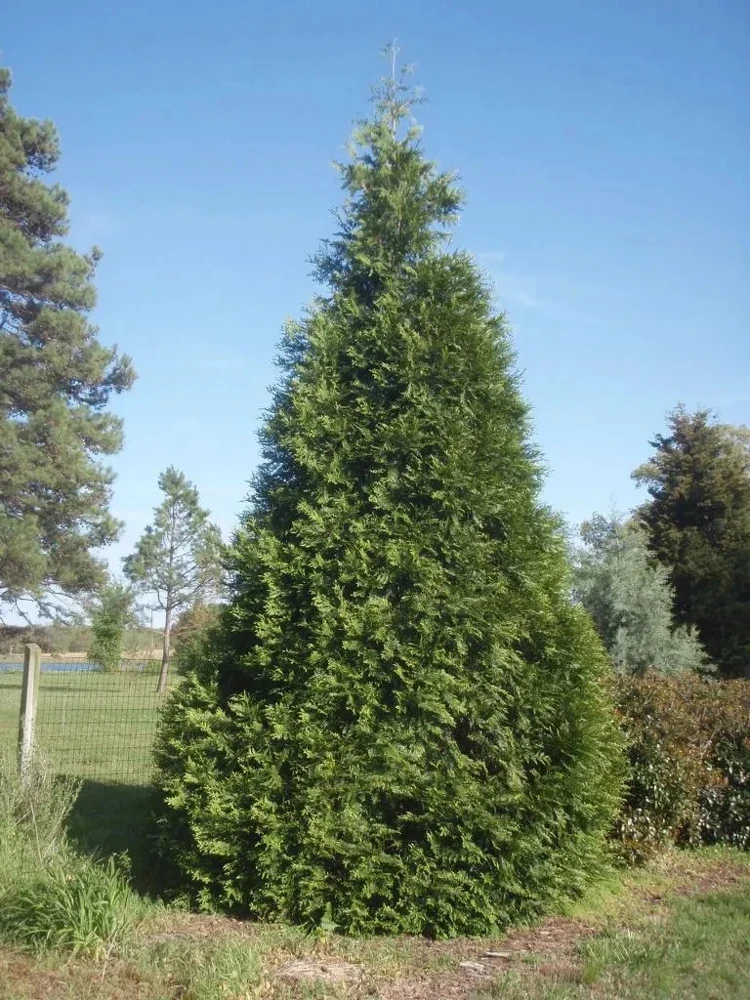
5 Green Giant Arborvitae Live Plants, 12-15″ Tall, 2.5″ Pots, Evergreen Privacy Trees, Outdoor
Reviews
There are no reviews yet.