
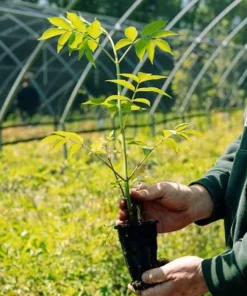
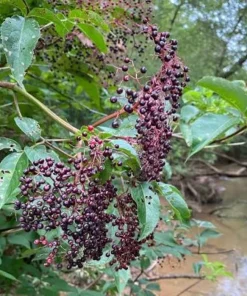
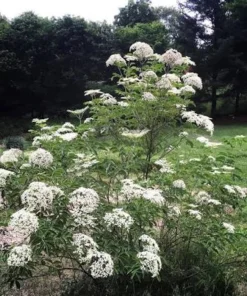
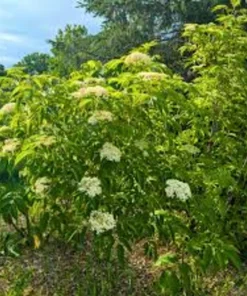
Elderberry Starter Plant 6-12″ – Sambucus Nigra Live Shrub for Edible Garden
Original price was: $49.99.$34.99Current price is: $34.99.
Cultivate your own berries with this healthy elderberry starter plant. This sambucus nigra live plant, measuring 6-12 inches, is well-rooted and ready for planting in your garden. Ideal for creating an edible garden shrub or integrating into a permaculture design.
Estimated arrival
Oct 10
Oct 15 - Oct 17
Oct 20 - Oct 24
Shop With Confidence
30-Day Plant Health Guarantee
Arrives damaged? We’ll replace it free — see our return policy.
Responsive Support
Email us anytime, we reply within 1 business day.
Expert Packaging
Temperature-controlled shipping to protect your plants in transit.
Secure Checkout
Pay safely with Visa, Mastercard, PayPal.
Plant Specifications
-
USDA Hardiness Zone
USDA zones 3-9 -
Soil Type
Well-draining, fertile loam -
Sunlight Exposure
Full sun to partial shade -
Expected Planting Period
Early spring or fall
Overview
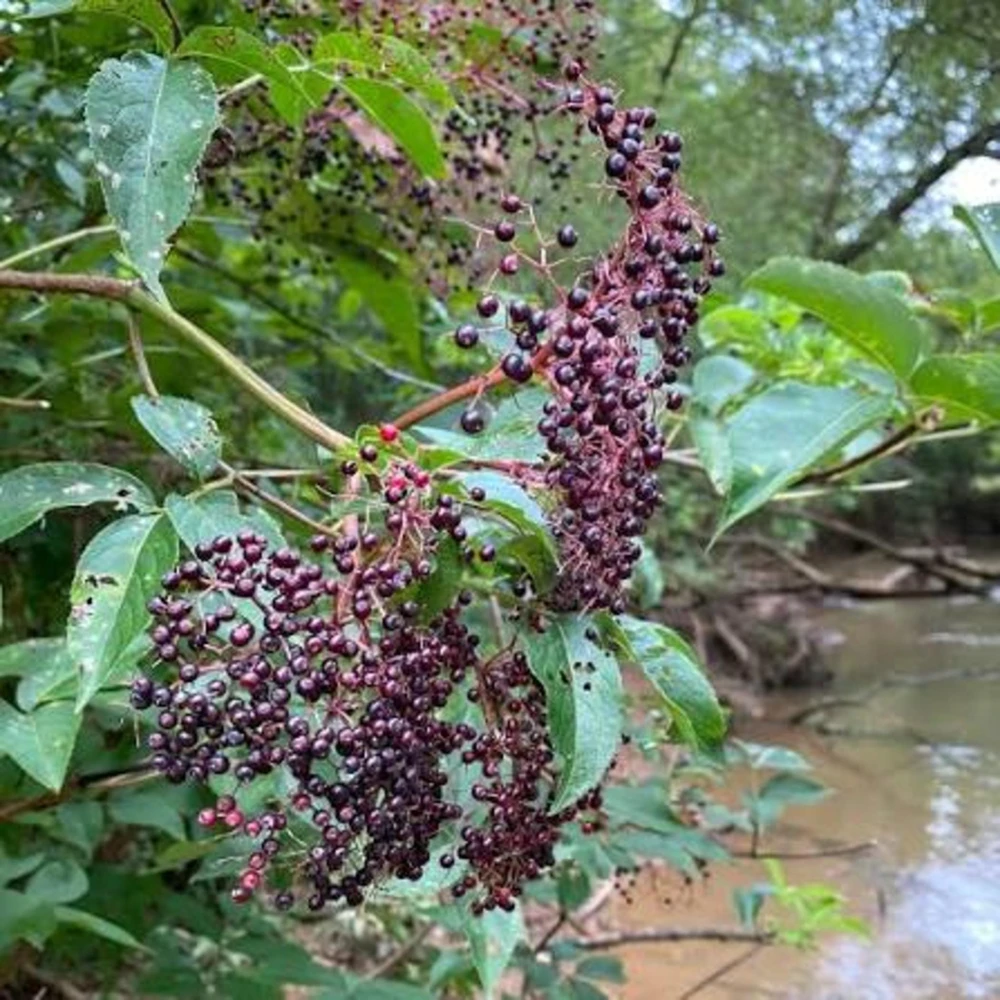
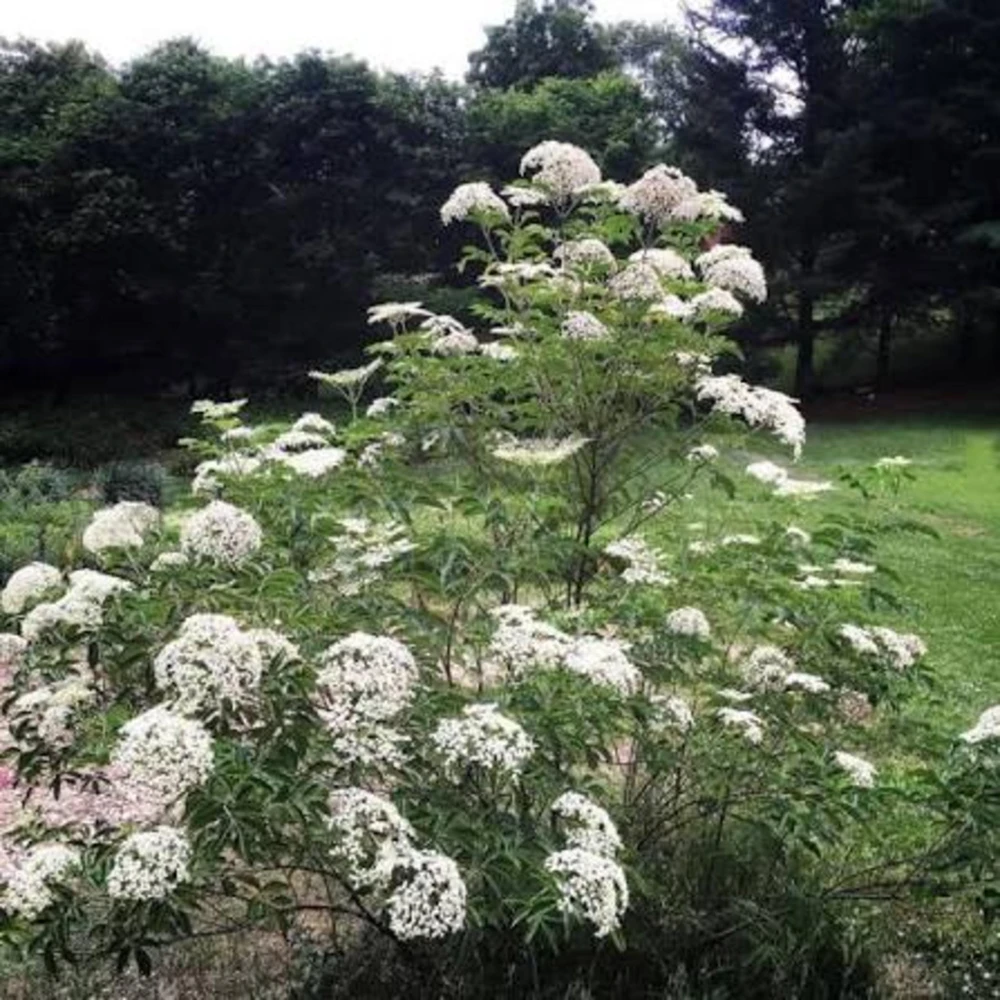
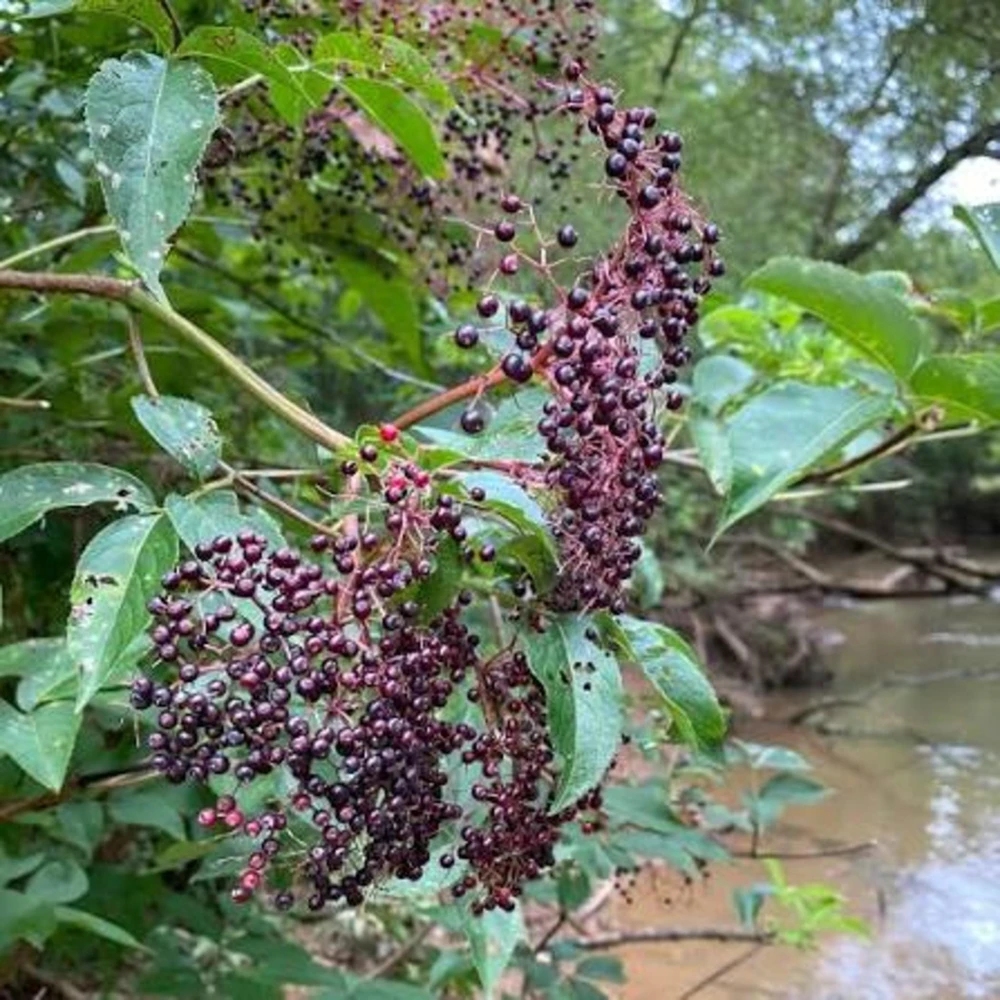
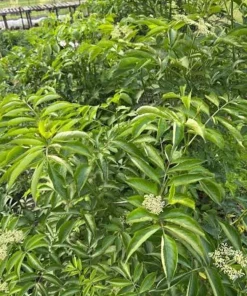
Bring the joy of homegrown berries to your landscape with this robust elderberry starter plant. Each healthy, live plant measures approximately 6-12 inches and comes well-rooted, ensuring a strong beginning in your garden. Elderberries, scientifically known as Sambucus nigra, are renowned for their ornamental beauty and their prolific, nutritious fruit. This fast-growing native shrub is an excellent addition for anyone looking to establish an edible garden shrub, enhance permaculture projects, or simply enjoy the lush foliage and autumn berries in a backyard setting.
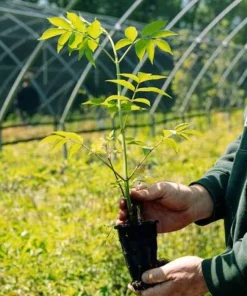
Our sambucus nigra live plant specimens are carefully propagated from cuttings and nurtured in plugs, ensuring they are well-rooted and thriving before they reach your home. This approach guarantees a vigorous plant that is ready to establish itself quickly, offering both aesthetic appeal with its summer blooms and a bountiful harvest of berries for culinary uses.
Key Benefits
Adding an elderberry starter plant to your garden offers a multitude of advantages, from ecological benefits to personal enjoyment and health. These versatile shrubs are truly a powerhouse for any outdoor space.
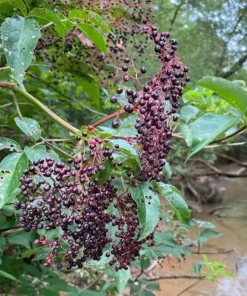
- Nutritious Fruit Production: Enjoy a harvest of dark, antioxidant-rich berries that can be used for jams, jellies, pies, wines, and teas, providing a healthy and delicious addition to your diet.
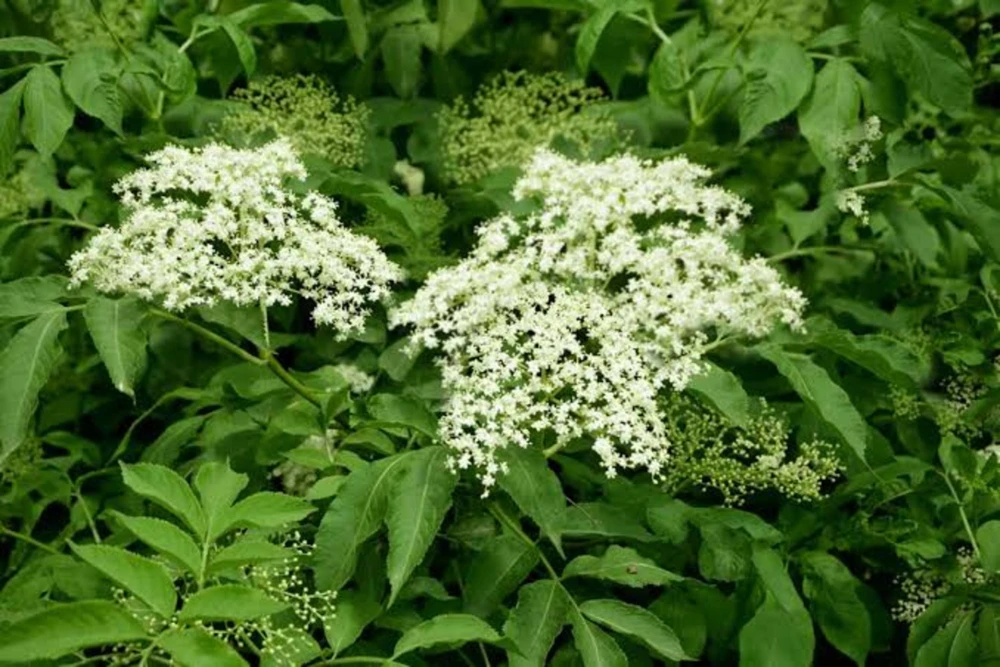
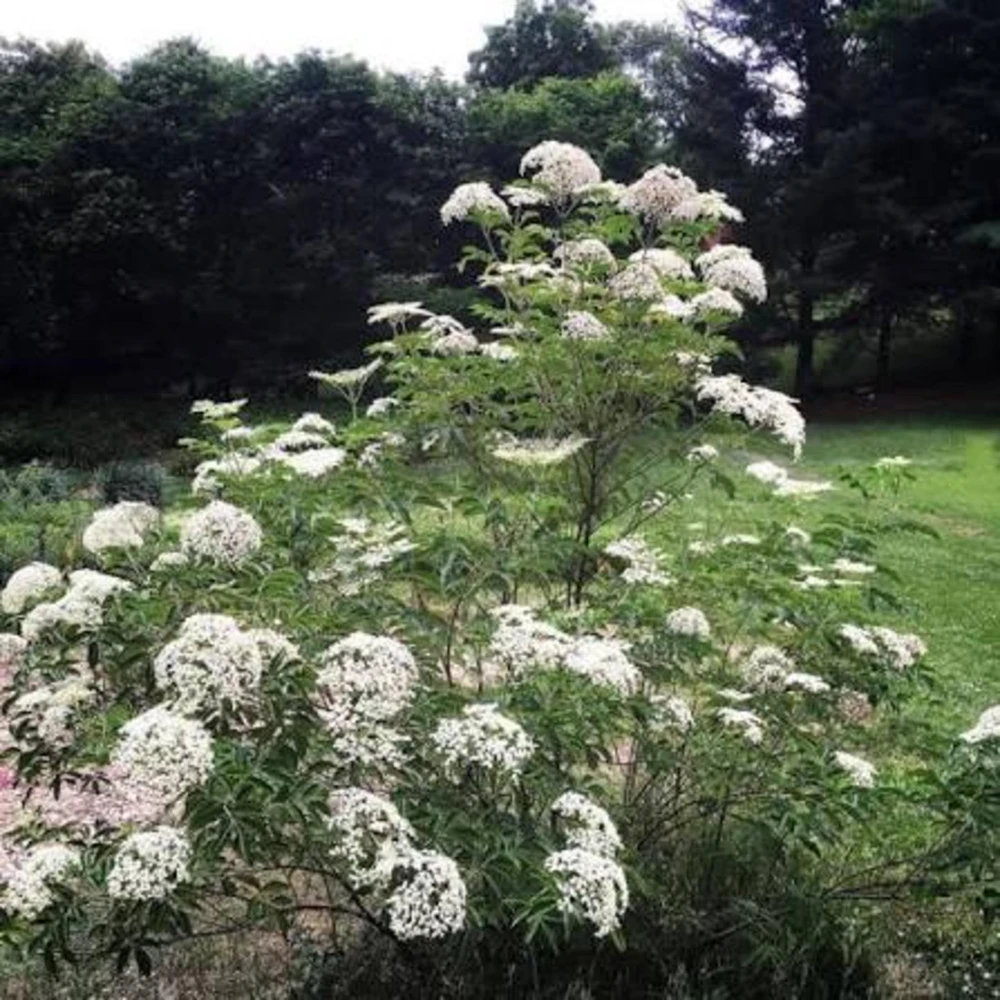
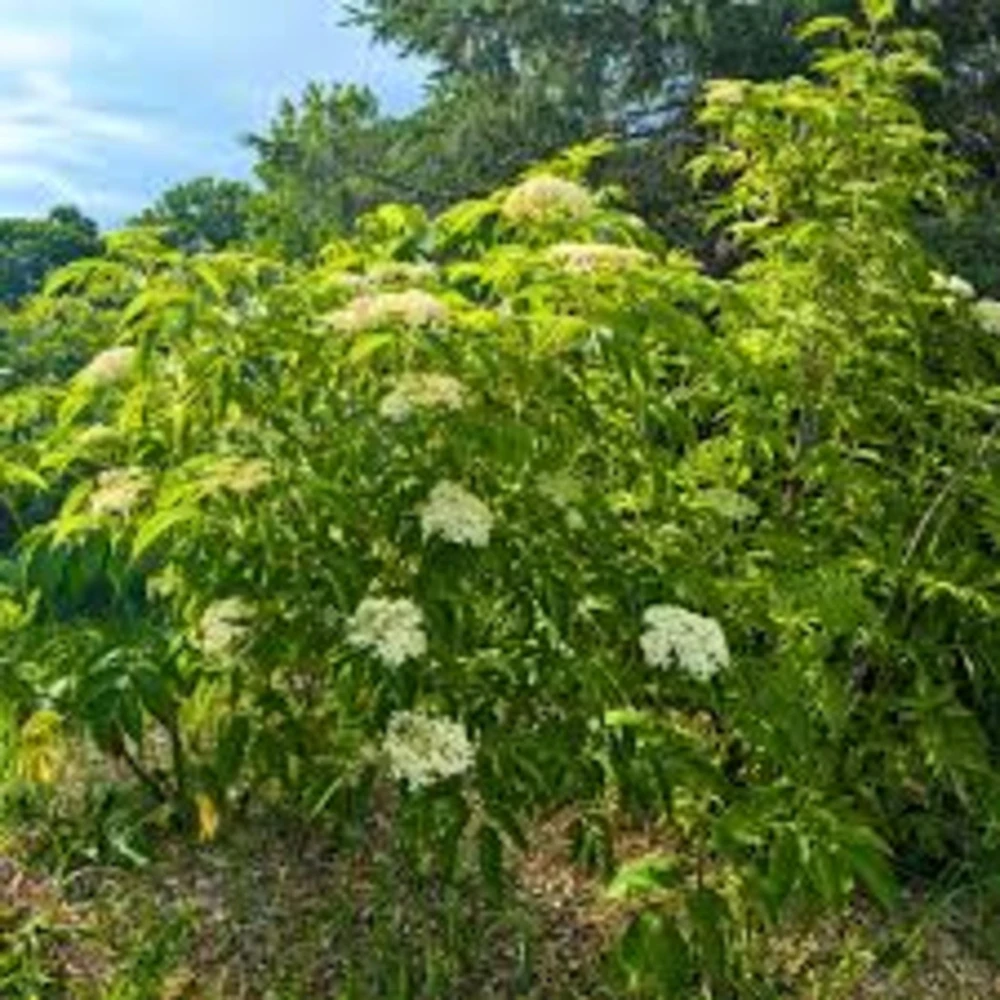
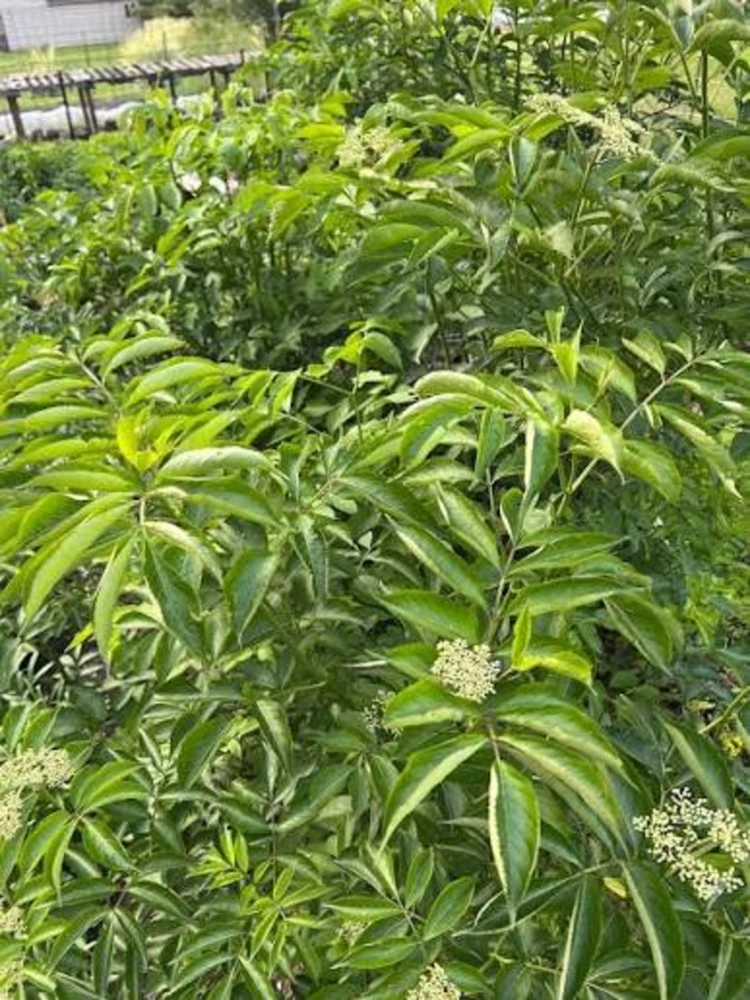
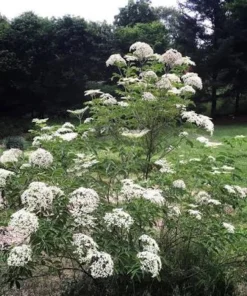
- Attractive Ornamental Value: Features lush green foliage in spring and summer, followed by clusters of fragrant white flowers, and then dramatic dark berries, enhancing the beauty of your garden through multiple seasons.
- Fast Growing & Easy Care: Known for its vigorous growth habit and resilience, this plant is relatively low-maintenance once established, making it suitable for gardeners of all experience levels.
- Supports Local Wildlife: The flowers attract pollinators like bees and butterflies, while the berries are a valuable food source for birds, contributing to local biodiversity.
- Ideal for Permaculture & Edible Landscaping: This native shrub integrates seamlessly into sustainable garden designs, providing food, habitat, and contributing to a balanced ecosystem, making it a perfect elderberry for permaculture.
- Medicinal Properties: Elderberries have a long history of use in traditional medicine for their purported immune-boosting properties.
- Adaptable & Hardy: The black elderberry plant is tolerant of a range of soil conditions and can thrive in various climates, making it a reliable choice for many regions.
Plant Care & Growing Tips
Caring for your elderberry starter plant is straightforward, and with proper attention, it will quickly establish and thrive. These plants prefer a location with at least 6 hours of full sun per day, though they can tolerate partial shade, especially in hotter climates. Adequate sunlight is crucial for optimal berry production. Ensure the planting site has good air circulation to prevent fungal issues.
Elderberries are not overly particular about soil, but they perform best in well-draining, fertile loam with a slightly acidic to neutral pH (6.0-7.0). Amend heavy clay soils with compost or organic matter to improve drainage and fertility. When planting, dig a hole twice as wide as the root ball and just as deep. Place the plant so the top of the root ball is level with the soil surface. Water thoroughly after planting. Consistent moisture is important, especially during the first year of establishment and during dry spells. Avoid waterlogging, as this can lead to root rot. A layer of mulch around the base of the plant will help retain soil moisture, suppress weeds, and regulate soil temperature.
Fertilize your sambucus nigra live plant in early spring with a balanced, slow-release granular fertilizer or organic compost. Pruning is essential for maintaining plant health and productivity; remove any dead, damaged, or crossing branches in late winter or early spring before new growth begins. You can also prune to shape the shrub or to encourage new, more productive growth. This resilient black elderberry plant is generally hardy in USDA zones 3-9, tolerating a wide range of temperatures. While generally pest-resistant, keep an eye out for common garden pests and address any issues promptly with organic solutions.
Size & Details
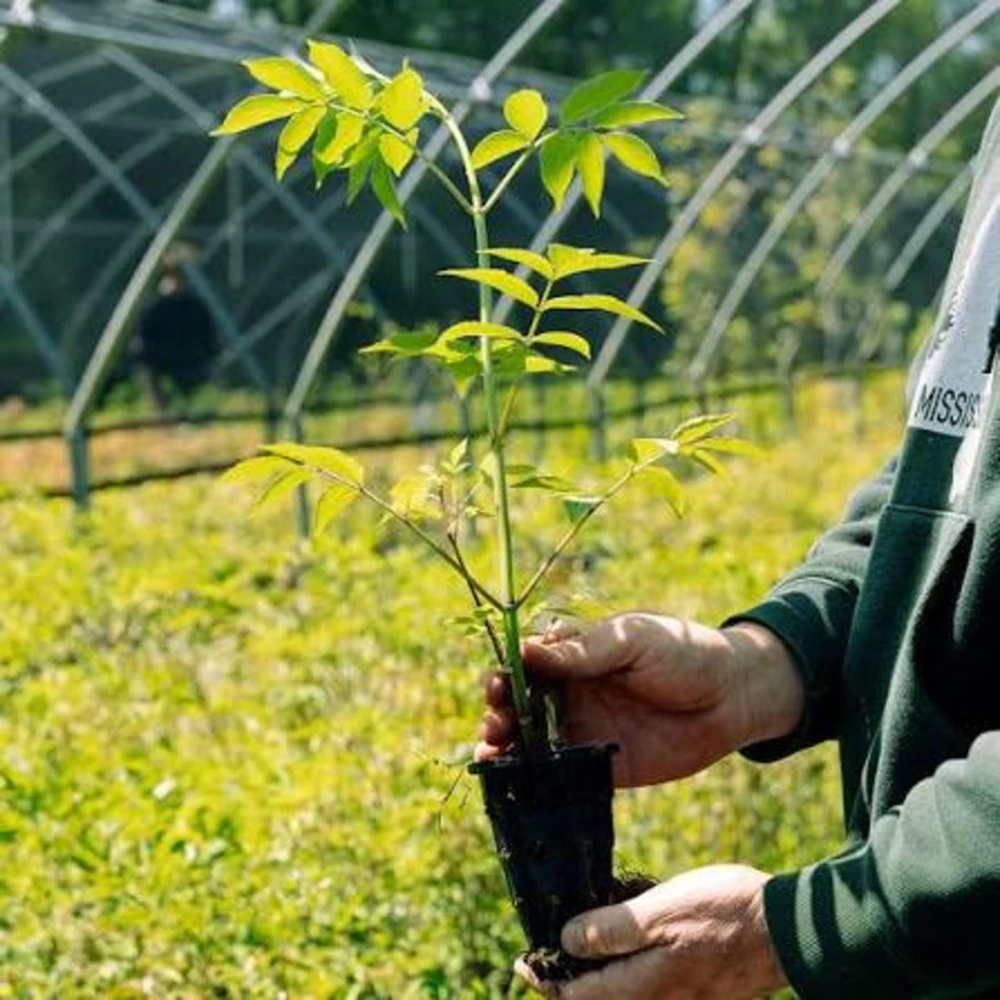
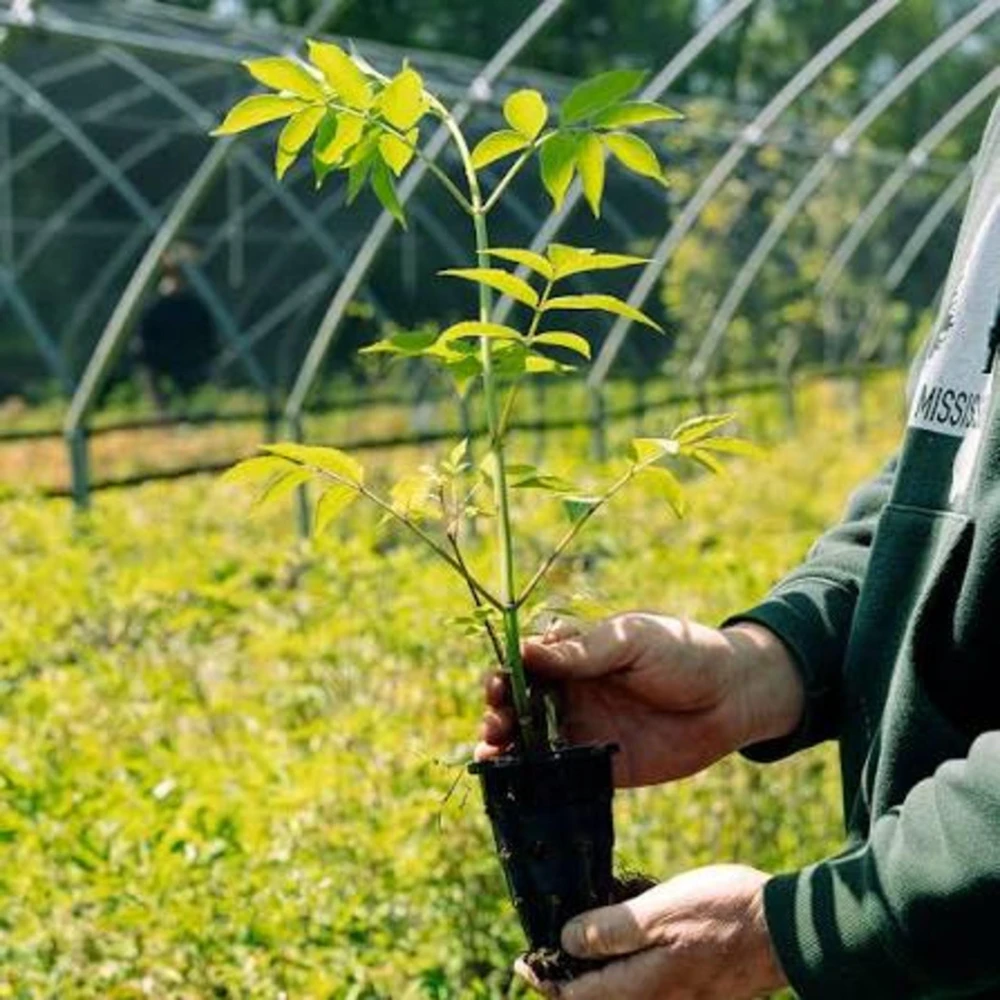
This offering includes a vigorous elderberry starter plant, typically ranging from 6 to 12 inches in height upon arrival. Each plant is well-rooted in a plug, ensuring a robust start for transplanting into your garden or a larger container. Elderberries are known for their relatively fast growth rate and can reach mature sizes of 6-12 feet tall and wide, depending on the variety and growing conditions. They typically begin producing berries within 1-2 years after planting, with full production achieved in 3-5 years.
The plants are shipped in their rooted plug form, minimizing transplant shock and making them easy to handle. This size is ideal for establishing a new edible garden shrub or adding to an existing permaculture system, allowing you to watch your plant grow and flourish. With proper care, this elderberry for permaculture will become a valuable and beautiful part of your landscape for years to come.
Frequently Asked Questions
- Q: How big does this elderberry starter plant get? A: This elderberry starter plant typically arrives at 6-12 inches tall. At maturity, elderberry shrubs can reach a height and spread of 6-12 feet, depending on the specific variety and growing conditions.
- Q: Is this an indoor or outdoor plant? A: Elderberry plants are primarily outdoor shrubs. They require ample sunlight and space to grow to their full potential and produce fruit.
- Q: How much sunlight does the sambucus nigra live plant need? A: For best results and fruit production, your sambucus nigra live plant needs at least 6 hours of direct sunlight per day. It can tolerate partial shade, especially in hot climates, but full sun is preferred.
- Q: Is this plant easy to care for? A: Yes, elderberry is considered a relatively easy-to-care-for shrub. Once established, it is quite hardy and low-maintenance, making it suitable for beginner gardeners interested in an edible garden shrub.
- Q: What condition will the elderberry plant arrive in? A: Your elderberry plant will arrive as a well-rooted starter plant in a plug, carefully packaged to ensure its health during transit. It’s normal for live plants to show minor stress after shipping, but they recover quickly with water and light.
- Q: When is the best time to plant an elderberry for permaculture? A: The best time to plant an elderberry for permaculture is in early spring or fall when temperatures are moderate. This allows the plant to establish its root system before extreme heat or cold.
- Q: Will the black elderberry plant survive winter in my zone? A: The black elderberry plant (Sambucus nigra) is generally hardy in USDA Zones 3-9. If you live within these zones, your plant should survive winter outdoors with proper care and mulching.
- Q: Can I use the berries from this plant for cooking? A: Yes, the berries from the elderberry plant are edible once cooked and can be used to make jams, jellies, pies, syrups, and wine. Raw berries are generally not recommended for consumption.
- Q: What type of soil does this plant prefer? A: Elderberries thrive in well-draining, fertile soil with a pH between 6.0 and 7.0. Amending the soil with compost can greatly benefit its growth.
- Q: How often should I water my elderberry starter plant? A: During its first year, water your elderberry starter plant regularly to keep the soil consistently moist but not waterlogged. Once established, it is more drought-tolerant but will still benefit from watering during dry periods.
Be the first to review “Elderberry Starter Plant 6-12″ – Sambucus Nigra Live Shrub for Edible Garden”
People Also Viewed
Vegetable Seeds
Flower Seeds
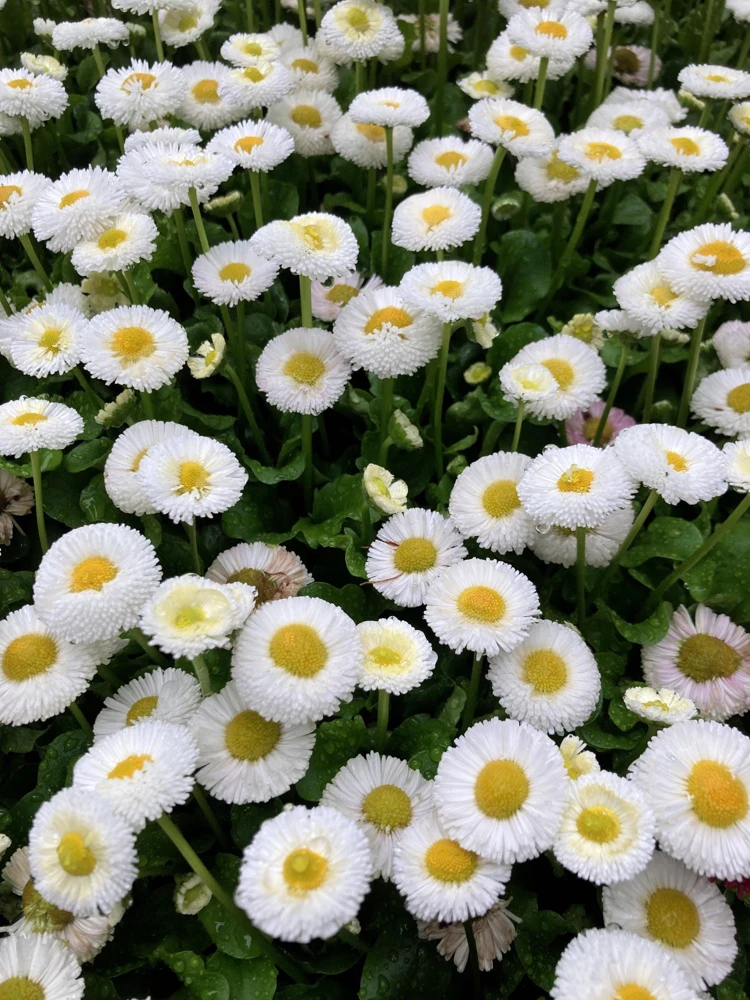
Dwarf White English Daisy Seeds – Bellis Perennis Flower Seeds – 500 Count – Hardy Perennial
Reviews
There are no reviews yet.