


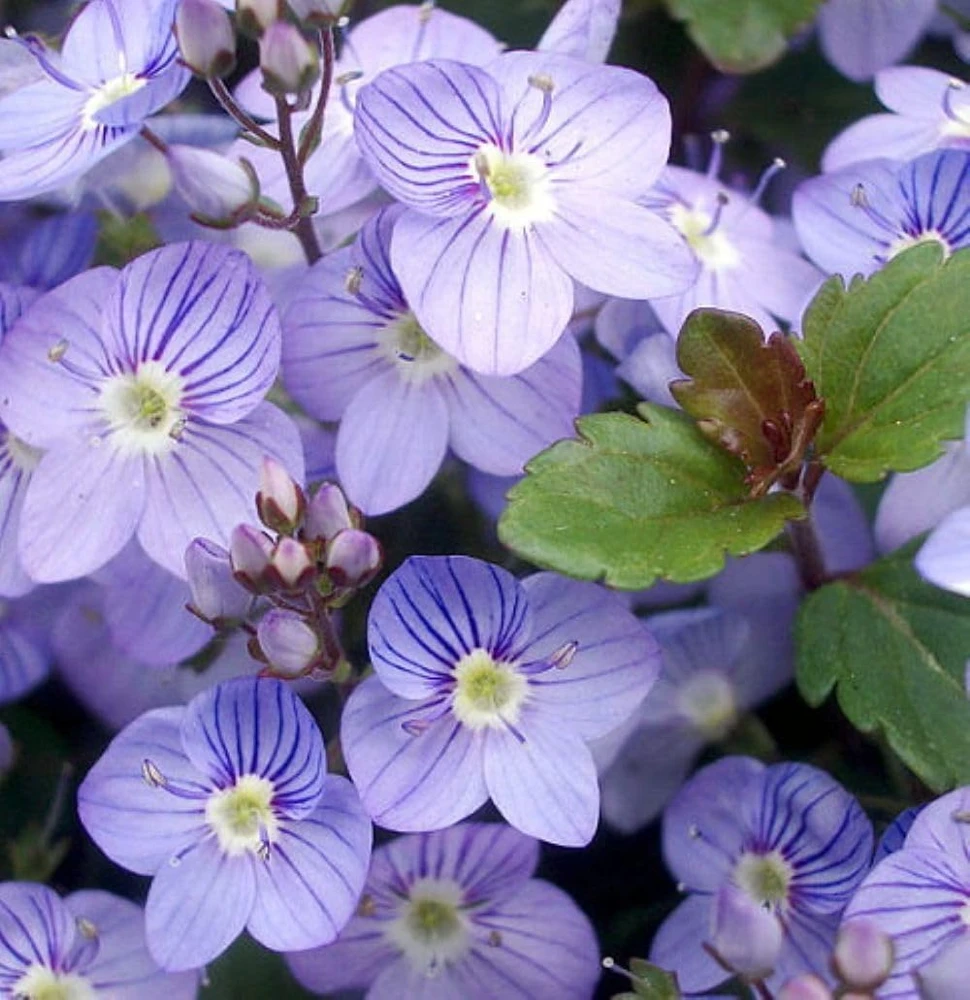
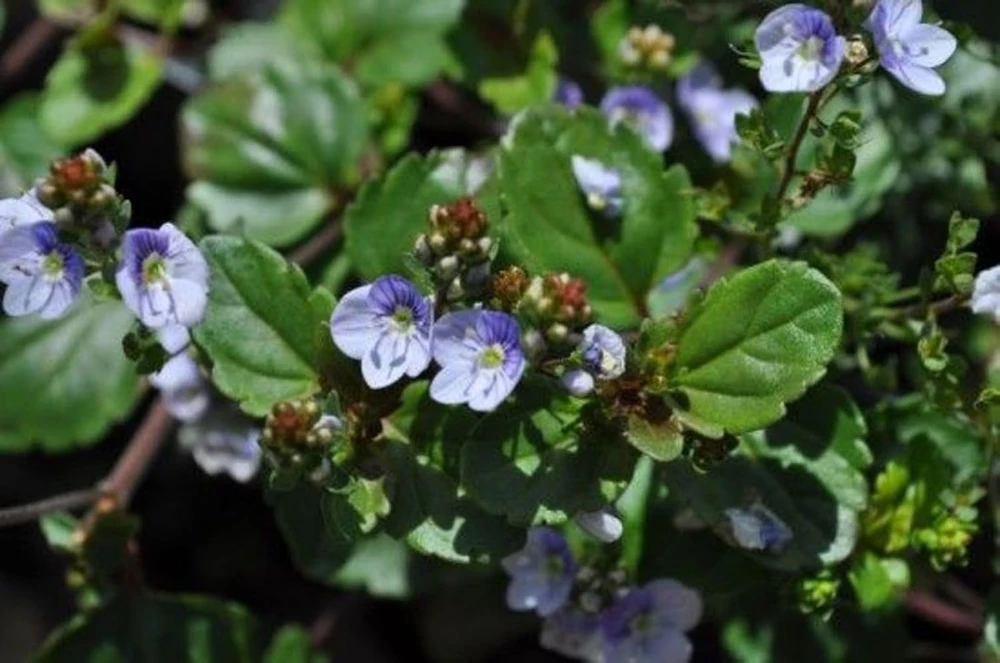
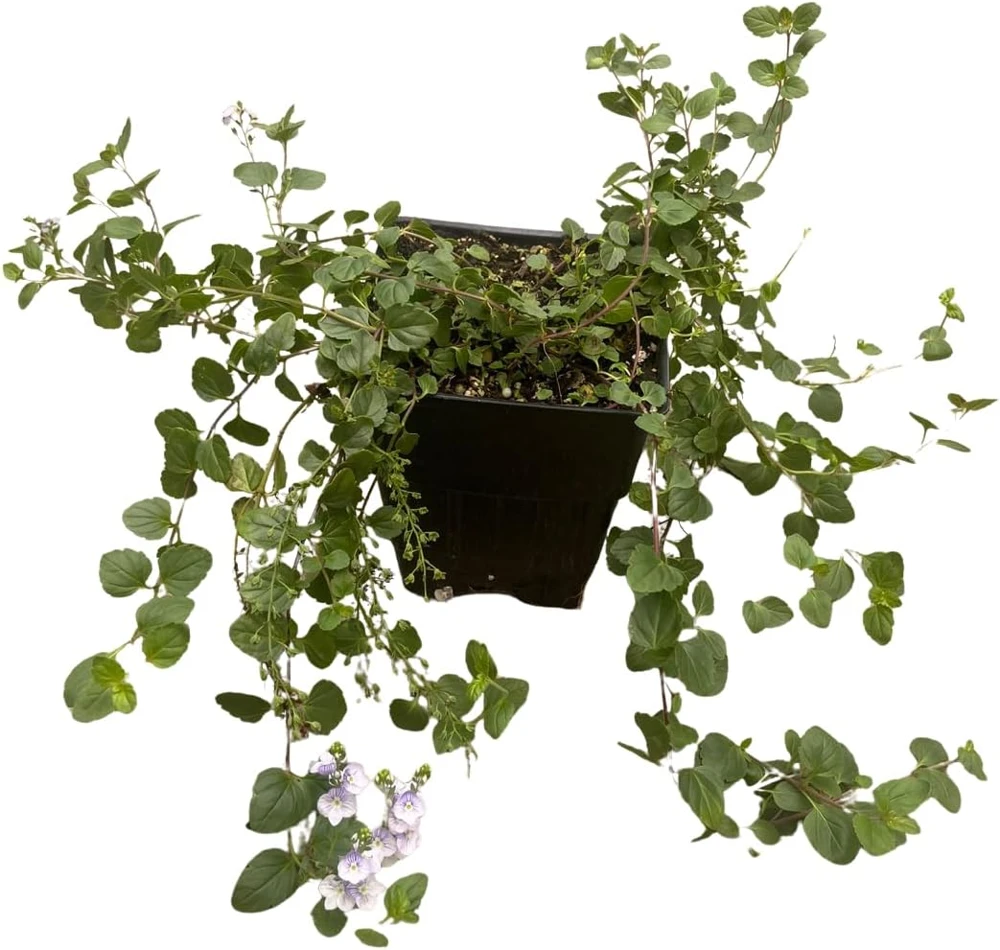
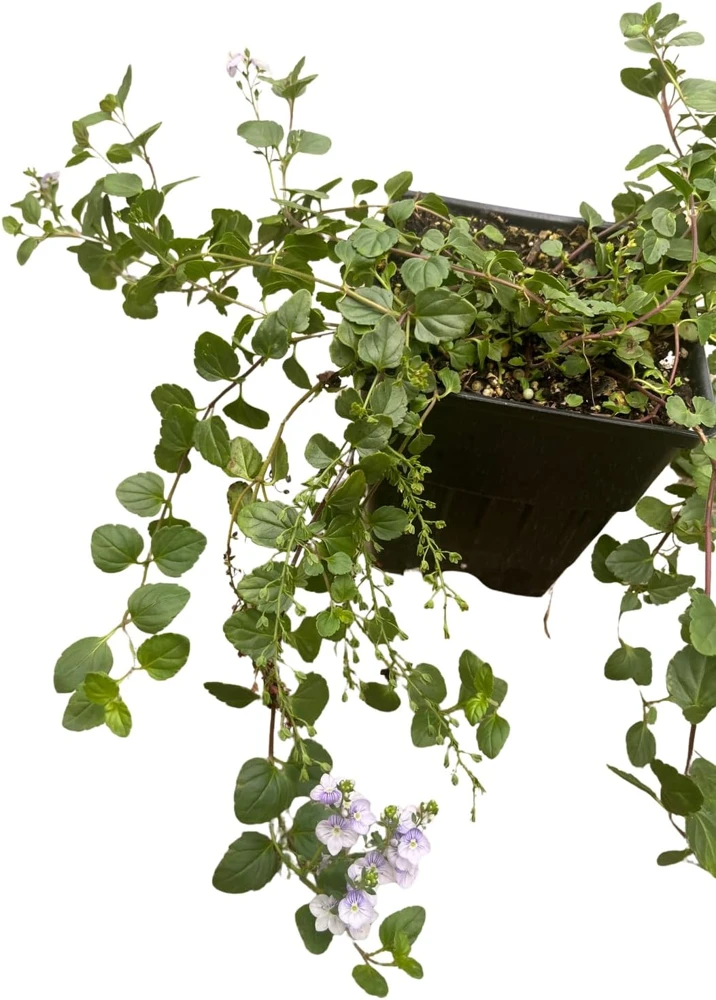
Waterperry Blue Veronica Creeping Speedwell Live Plant – Quart Pot – Outdoor Groundcover
Original price was: $46.99.$36.99Current price is: $36.99.
Enhance your garden with the stunning waterperry blue veronica live plant. This creeping speedwell care is easy, offering beautiful blue blooms and vibrant foliage, perfect as a veronica groundcover.
Estimated arrival
Sep 29
Oct 04 - Oct 06
Oct 09 - Oct 13
Shop With Confidence
30-Day Plant Health Guarantee
Arrives damaged? We’ll replace it free — see our return policy.
Responsive Support
Email us anytime, we reply within 1 business day.
Expert Packaging
Temperature-controlled shipping to protect your plants in transit.
Secure Checkout
Pay safely with Visa, Mastercard, PayPal.
Plant Specifications
-
USDA Hardiness Zone
5-9 -
Soil Type
Well-draining garden soil -
Sunlight Exposure
Full sun to partial shade -
Expected Planting Period
Spring to early fall
Overview
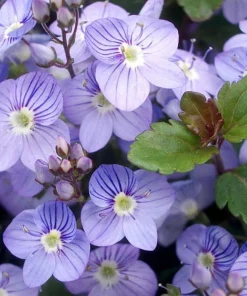
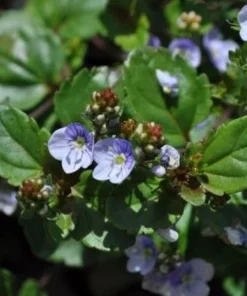
Introduce a touch of serene blue to your garden with the exquisite waterperry blue veronica live plant. This charming perennial, also known as Creeping Speedwell (Veronica peduncularis ‘Waterperry Blue’), is celebrated for its delicate yet abundant light blue flowers that emerge from mid-spring through summer. As a versatile groundcover, it creates a lush carpet of foliage that beautifully complements spring-flowering bulbs. Beyond its captivating blooms, the foliage of this blue flowering plant undergoes a stunning transformation as temperatures drop, transitioning to rich shades of copper, purple, and bronze, providing seasonal interest long after the flowers fade. Ideal for those seeking a vibrant, easy-to-manage addition to their landscape, this live plant arrives ready to thrive in your outdoor space.
The waterperry blue veronica live plant is a fantastic choice for gardeners of all experience levels, known for its resilience and striking visual appeal. Its spreading habit makes it an excellent solution for filling gaps, creating natural borders, or softening hard edges in garden beds. This creeping speedwell care is minimal, allowing you to enjoy its beauty without extensive upkeep. Whether you’re designing a new garden or enhancing an existing one, this plant offers consistent beauty and a dynamic display of color throughout the growing season.
Key Benefits
The waterperry blue veronica live plant offers a multitude of advantages for any garden, making it a highly desirable choice for both aesthetic appeal and practical functionality. Its robust nature and charming appearance contribute significantly to a vibrant and thriving outdoor environment.
- Exceptional Groundcover: This plant forms a dense, attractive mat, effectively suppressing weeds and reducing the need for constant weeding. Its sprawling habit makes it an ideal veronica groundcover solution for various landscape applications.
- Prolific Blue Blooms: Enjoy a long season of dainty, light blue flowers from mid-spring to summer, adding a serene and refreshing color to your garden. These blooms are a delightful sight and attract beneficial pollinators.
- Seasonal Foliage Color: Experience a dynamic display as the foliage transitions to beautiful shades of copper, purple, and bronze in cooler temperatures, extending the plant’s visual interest beyond its flowering period.
- Low Maintenance Perennial: Known for its ease of care, this low maintenance perennial requires minimal attention once established, making it perfect for busy gardeners or those new to gardening.
- Versatile Landscape Use: Excellent for planting along walkways, as an edger, in rock gardens, or among spring flowering bulbs, providing endless design possibilities for your outdoor space.
- Drought Tolerant: Once established, the waterperry blue veronica live plant exhibits good drought tolerance, reducing water consumption and making it a sustainable choice for your garden.
- Deer Resistant: Generally not favored by deer, this plant offers a reliable option for gardens in areas prone to deer browsing, protecting your investment and effort.
Plant Care & Growing Tips
Caring for your waterperry blue veronica live plant is straightforward, ensuring a beautiful and thriving addition to your garden with minimal effort. This resilient plant adapts well to various conditions, making creeping speedwell care a rewarding experience.
For optimal growth, plant your waterperry blue veronica live plant in a location that receives full sun to partial shade. Full sun encourages the most abundant blooms and vibrant foliage color, while partial shade can be beneficial in hotter climates to prevent scorching. Ensure the soil is well-draining, as this plant does not tolerate soggy conditions. A good quality garden soil amended with compost will provide the necessary nutrients and drainage. Once established, this veronica groundcover is quite drought tolerant, but consistent moisture during prolonged dry spells will promote healthier growth and more prolific flowering. Water deeply but infrequently, allowing the top inch or two of soil to dry out between waterings. Avoid overhead watering to prevent fungal issues.
The waterperry blue veronica live plant thrives in USDA Zones 5-9, tolerating a wide range of temperatures. Fertilize sparingly in spring with a balanced slow-release fertilizer, as too much nitrogen can encourage foliage growth at the expense of flowers. Pruning is generally not required, but you can trim back spent flower stalks to encourage a tidier appearance and potentially a second flush of blooms. Division can be done every few years in early spring or fall to rejuvenate the plant and expand your garden. Watch out for common garden pests like aphids, though they are rarely a significant problem for this robust plant. With these simple tips, your low maintenance perennial will flourish, providing years of beauty.
Size & Details
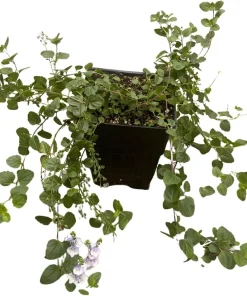
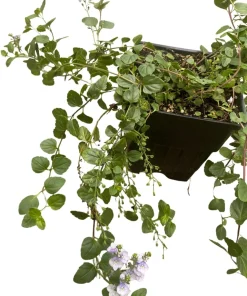
This waterperry blue veronica live plant is provided in a Quart Pot, ensuring a healthy and established specimen ready for immediate planting in your garden. The mature height of this creeping speedwell care variety typically reaches approximately 6 inches, making it a perfect low-growing groundcover. Its spreading nature means it will gradually expand to cover an area, providing excellent coverage for beds, borders, and rock gardens. The plant ships as a well-rooted live plant, carefully packaged to ensure its safe arrival. Expect vibrant blue blooms from May through July, followed by attractive foliage that develops copper, purple, and bronze tones in cooler weather, enhancing your garden’s aesthetic for multiple seasons. This blue flowering plant offers a moderate growth rate, establishing itself quickly and filling out your desired space effectively.
Frequently Asked Questions
- Q: How big does this waterperry blue veronica live plant get? A: The Waterperry Blue Veronica typically reaches a mature height of about 6 inches. It is a spreading groundcover, so its width will expand over time to cover an area, making it ideal for filling spaces.
- Q: Is this an indoor or outdoor plant? A: This is an outdoor plant, perfectly suited for garden beds, borders, and rockeries. It thrives in various outdoor conditions and is hardy in USDA Zones 5-9.
- Q: How much sunlight does the creeping speedwell care require? A: The Waterperry Blue Veronica prefers full sun to partial shade. For the best flowering and foliage color, aim for at least 6 hours of direct sunlight per day.
- Q: What condition will the waterperry blue veronica live plant arrive in? A: Your plant will arrive as a healthy, well-rooted live plant in a Quart Pot, ready for planting. We take great care in packaging to ensure it reaches you in excellent condition.
- Q: Is this plant easy to care for? A: Yes, the Waterperry Blue Veronica is known for being a low maintenance perennial. Once established, it requires minimal attention, making it a great choice for beginners and experienced gardeners alike.
- Q: When is the best time to plant this veronica groundcover? A: The best time to plant is in spring or early fall. This allows the plant sufficient time to establish its root system before the extreme temperatures of summer or winter.
- Q: Will this blue flowering plant survive winter in my zone? A: This plant is hardy in USDA Zones 5-9. If you are within these zones, it should successfully overwinter and return in spring. In colder zones, it may be treated as an annual or require winter protection.
- Q: What kind of soil does it need? A: It prefers well-draining soil. Amend heavy clay soils with organic matter to improve drainage. It is not particular about soil pH but prefers a neutral to slightly acidic range.
- Q: Does this plant attract pollinators? A: Yes, the dainty blue flowers of the Waterperry Blue Veronica are attractive to various pollinators, including bees and butterflies, contributing to a healthy garden ecosystem.
- Q: How often should I water my low maintenance perennial? A: Once established, water deeply but infrequently. Allow the top inch or two of soil to dry out completely between waterings. During periods of drought, more frequent watering may be necessary.
Be the first to review “Waterperry Blue Veronica Creeping Speedwell Live Plant – Quart Pot – Outdoor Groundcover”
People Also Viewed




Vegetable Seeds
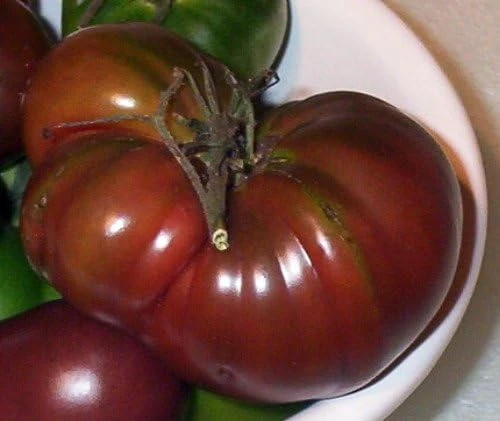
Black Russian Tomato Seeds – Heirloom, Indeterminate, 30 Count

Reviews
There are no reviews yet.