
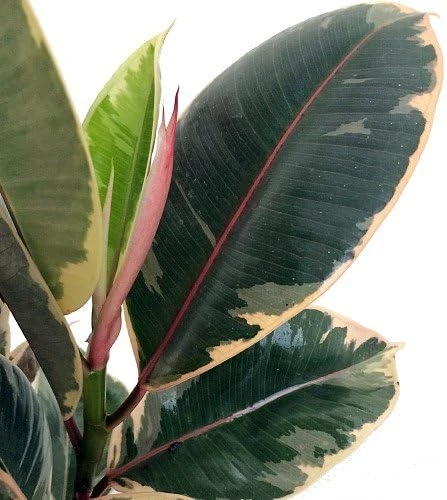
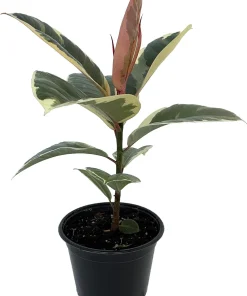
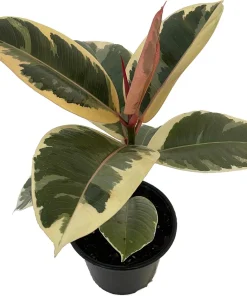
Tineke Rubber Tree Plant – Ficus Elastica Variegated Live Plant – 6 inch Pot
Original price was: $67.99.$57.99Current price is: $57.99.
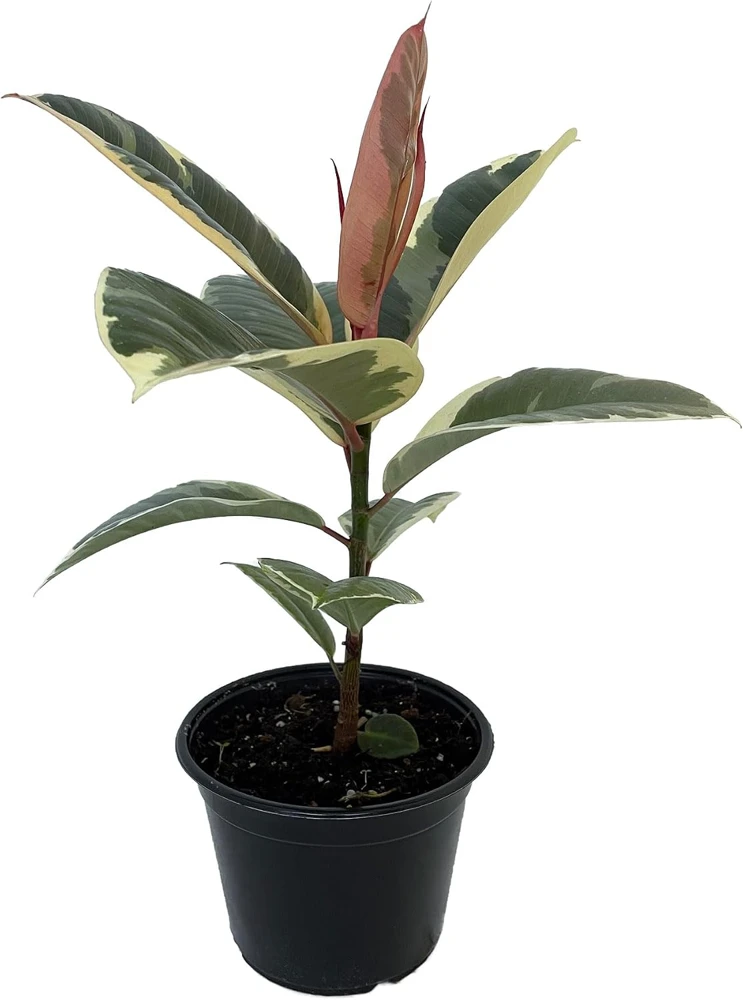
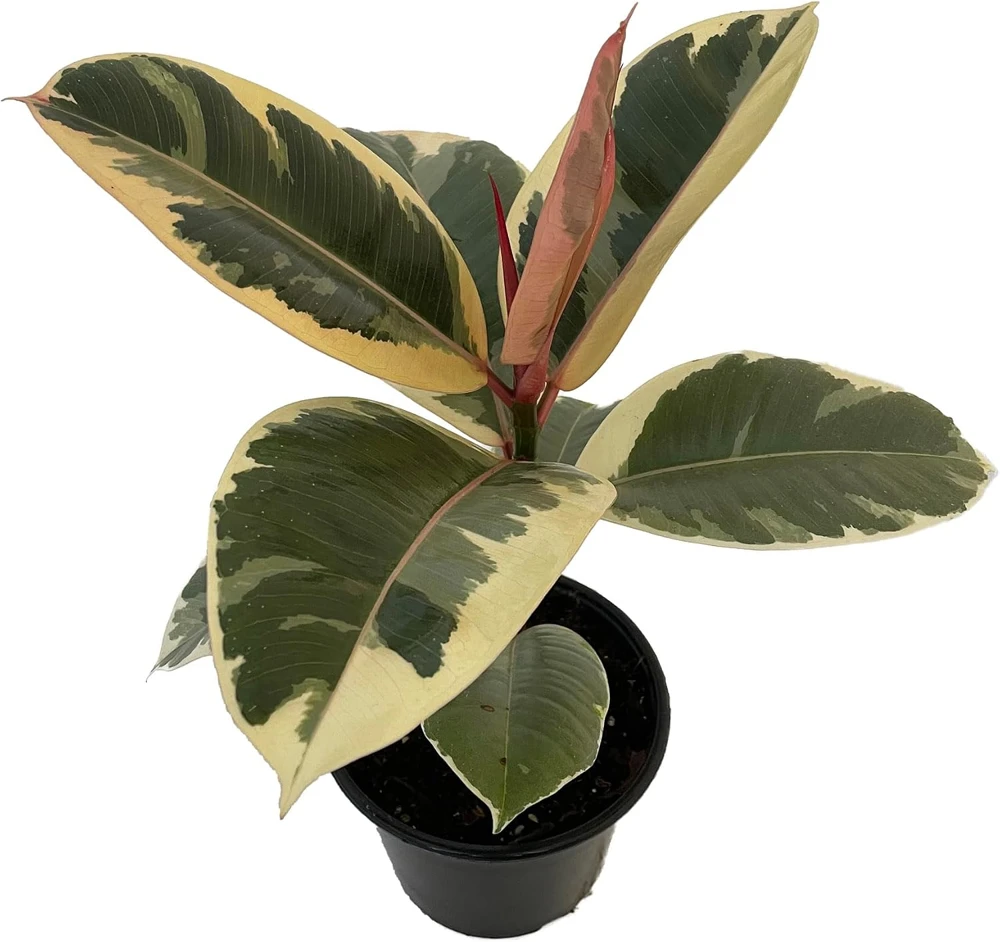
Bring vibrant variegation to your indoor space with the beautiful tineke rubber tree plant. This variegated rubber plant (Ficus elastica ‘Tineke’) comes in a 6-inch pot, offering striking cream, green, and gray-green leaves. An excellent choice for beginners, it’s known for its adaptability and ease of care, making it a perfect indoor ficus plant.
Estimated arrival
Sep 29
Oct 04 - Oct 06
Oct 09 - Oct 13
Shop With Confidence
30-Day Plant Health Guarantee
Arrives damaged? We’ll replace it free — see our return policy.
Responsive Support
Email us anytime, we reply within 1 business day.
Expert Packaging
Temperature-controlled shipping to protect your plants in transit.
Secure Checkout
Pay safely with Visa, Mastercard, PayPal.
Plant Specifications
-
USDA Hardiness Zone
USDA zones 10-11 (outdoors), suitable for year-round indoor growth in all zones -
Soil Type
Well-draining potting mix -
Sunlight Exposure
Bright indirect light -
Expected Planting Period
Year-round indoors
Overview
Introduce a touch of sophisticated greenery to your home with the stunning tineke rubber tree plant. This live plant, specifically the Ficus elastica ‘Tineke’, is renowned for its captivating variegated foliage, featuring a beautiful blend of cream, pink, green, and gray-green hues. Arriving in a convenient 6-inch pot, it’s ready to become a focal point in any room. The tineke rubber tree plant is a classic choice for indoor gardening, known for its robust nature and ability to thrive in various indoor conditions. Originating from India and Malaysia, Ficus elastica has a long history as a popular houseplant, and the ‘Tineke’ cultivar elevates its appeal with its unique coloration. Its elegant appearance and relatively low maintenance requirements make it a favorite among plant enthusiasts and novices alike.
Often referred to simply as a variegated rubber plant, this Ficus elastica ‘Tineke’ brings an exotic yet familiar charm. Its large, glossy leaves are not only visually appealing but also contribute to a healthier indoor environment. This particular cultivar offers a distinct aesthetic that can complement modern and traditional decor styles. Whether you’re looking to start your indoor plant collection or add a statement piece, the tineke rubber tree plant is an excellent selection that promises to grow into a magnificent specimen with proper care.
Key Benefits
The tineke rubber tree plant offers a multitude of benefits that make it an ideal addition to any indoor setting. Its striking appearance is just the beginning of what this resilient plant has to offer.
- Stunning Variegated Foliage: The Ficus elastica ‘Tineke’ boasts large, glossy leaves with a beautiful mix of cream, light green, and dark green, often with hints of pink, providing year-round visual interest and a vibrant pop of color to your decor. This makes it a truly unique variegated rubber plant.
- Air Purification: Like many Ficus varieties, the tineke rubber tree plant helps improve indoor air quality by filtering out common airborne toxins, contributing to a fresher and healthier living space.
- Low Maintenance: This plant is surprisingly adaptable and forgiving, making it an excellent choice for both experienced plant parents and those new to indoor gardening. It tolerates a range of conditions, making it an easy care houseplants option.
- Adaptable to Light Conditions: While it thrives in bright, indirect light, the Ficus elastica can adapt to lower light conditions, though its variegation may become less pronounced. This flexibility allows for placement in various rooms.
- Durable and Resilient: Known for its tough, leathery leaves and sturdy structure, the tineke rubber tree plant is less prone to common houseplant issues and can withstand occasional neglect, ensuring long-term enjoyment.
- Statement Piece: With its upright growth habit and impressive foliage, this plant naturally becomes a focal point, adding elegance and a tropical feel to any room. It’s a gorgeous indoor ficus plant.
- Pet-Friendly (with caution): While Ficus plants can be mildly irritating if ingested, many plant owners successfully keep them in homes with pets by placing them out of reach.
Plant Care & Growing Tips
Caring for your tineke rubber tree plant is straightforward, making it an enjoyable experience for gardeners of all levels. Understanding its basic needs will ensure your ficus elastica tineke thrives and maintains its beautiful variegation. This resilient plant is an excellent example of easy care houseplants when its fundamental requirements are met.
Sunlight: The ‘Tineke’ variety prefers bright, indirect light to maintain its vibrant variegation. Place it near a window where it receives plenty of light but is shielded from harsh, direct afternoon sun, which can scorch its leaves. A spot with eastern or northern exposure is often ideal. If the light is too low, the plant may revert to greener foliage and grow slower. Rotating the plant every few weeks will ensure even growth and light exposure.
Watering: Water thoroughly when the top 1-2 inches of soil feel dry to the touch. Allow excess water to drain completely from the bottom of the pot. Avoid overwatering, as this can lead to root rot, a common issue for Ficus plants. Conversely, don’t let the soil dry out completely for extended periods. In winter, reduce watering frequency as the plant’s growth slows. The key is consistent moisture without sogginess. Using a moisture meter can be helpful for beginners.
Soil & Potting: A well-draining potting mix is crucial for the health of your tineke rubber tree plant. A mix designed for houseplants or a general potting mix amended with perlite or orchid bark for improved drainage works well. Ensure the pot has drainage holes to prevent water accumulation. Repotting is generally needed every 2-3 years or when the plant becomes root-bound, typically in spring or early summer.
Temperature & Humidity: This tropical plant thrives in average indoor temperatures between 60-75°F (15-24°C). Protect it from cold drafts and sudden temperature fluctuations. While it tolerates average household humidity, it will appreciate higher humidity, especially in drier climates. Misting the leaves occasionally or placing the pot on a pebble tray with water can boost humidity. Keep it away from heating and AC vents.
Fertilization: Feed your ficus elastica tineke with a balanced liquid houseplant fertilizer every 2-4 weeks during the growing season (spring and summer). Reduce or cease fertilization during fall and winter when the plant is dormant. Always follow the fertilizer’s instructions for dilution to avoid over-fertilizing, which can burn the roots.
Pruning: Prune your variegated rubber plant to maintain its desired size and shape, or to encourage bushier growth. The best time to prune is in spring. Use sharp, clean shears. Be aware that the plant produces a milky sap when cut, which can be irritating, so wear gloves. Wiping the leaves regularly with a damp cloth will keep them dust-free and allow for better light absorption.
Size & Details
Your tineke rubber tree plant arrives as a vibrant live specimen in a 6-inch nursery pot, perfectly sized for immediate display or placement into a decorative container. At this stage, the plant typically stands about 10-14 inches tall from the base of the pot, offering a compact yet impactful presence. The Ficus elastica ‘Tineke’ is a moderate grower and, with optimal conditions, can reach impressive heights of 6-10 feet indoors over several years, though its growth can be managed through pruning. Its large, oval-shaped leaves can grow up to 10-12 inches long, showcasing the distinctive cream, green, and gray-green variegation that makes this variety so popular. This indoor ficus plant is shipped carefully packaged to ensure its safe arrival, ready to acclimate to its new environment and begin flourishing in your home.
Frequently Asked Questions
- Q: How big does this tineke rubber tree plant get? A: While this tineke rubber tree plant arrives in a 6-inch pot, typically 10-14 inches tall, it can grow to an impressive 6-10 feet tall indoors over several years with proper care. Its size can be managed with regular pruning.
- Q: Is this an indoor or outdoor plant? A: The Ficus elastica ‘Tineke’ is primarily grown as an indoor ficus plant in most climates. It can be moved outdoors to a sheltered, shaded spot during warm summer months in USDA zones 10-11 but must be brought inside before temperatures drop.
- Q: How much sunlight does my variegated rubber plant need? A: Your variegated rubber plant thrives in bright, indirect light. Direct afternoon sun can scorch its leaves, while too little light may cause its vibrant variegation to fade. A spot near an east or north-facing window is often ideal.
- Q: Is this plant easy to care for? A: Yes, the tineke rubber tree plant is considered one of the more easy care houseplants. It’s quite resilient and can tolerate some neglect, making it suitable for beginners, provided its basic light and watering needs are met.
- Q: What condition will my ficus elastica tineke arrive in? A: Your ficus elastica tineke will be carefully packaged and shipped in its 6-inch nursery pot, complete with soil. We take great care to ensure it arrives healthy and ready to thrive in your home.
- Q: How often should I water my tineke rubber tree plant? A: Water your tineke rubber tree plant when the top 1-2 inches of soil feel dry to the touch. It’s important to water thoroughly until water drains from the bottom, then allow the soil to dry out slightly before the next watering to prevent root rot.
- Q: Is the Tineke Rubber Tree Plant pet-safe? A: Ficus elastica plants contain a milky sap that can be mildly irritating if ingested by pets. It’s best to keep the plant out of reach of curious pets, or supervise them around it.
- Q: What kind of soil is best for this plant? A: A well-draining potting mix is essential for your tineke rubber tree plant. You can use a standard houseplant potting mix, or amend it with perlite or orchid bark to improve drainage.
- Q: When is the best time to repot this plant? A: Repotting is best done in the spring or early summer, typically every 2-3 years, or when you notice the plant has become root-bound. Choose a pot only one size larger than the current one.
- Q: Will my variegated rubber plant maintain its color? A: Yes, with adequate bright, indirect light, your variegated rubber plant will maintain its beautiful cream, green, and pink hues. Insufficient light can cause the variegation to become less prominent.
Be the first to review “Tineke Rubber Tree Plant – Ficus Elastica Variegated Live Plant – 6 inch Pot”
People Also Viewed

Reviews
There are no reviews yet.