
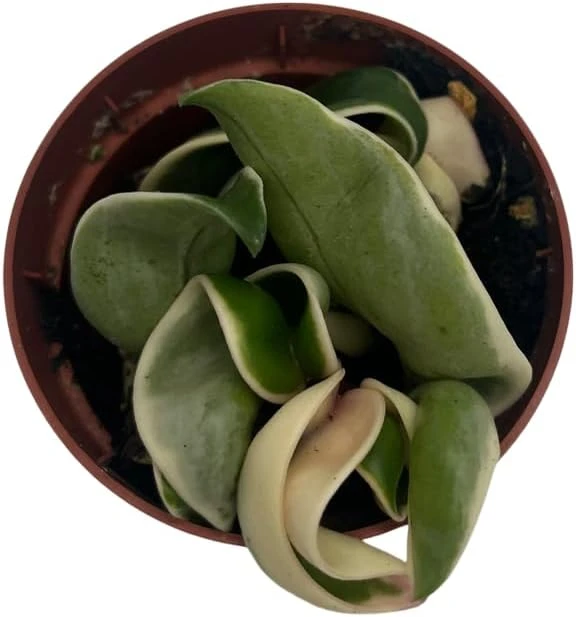
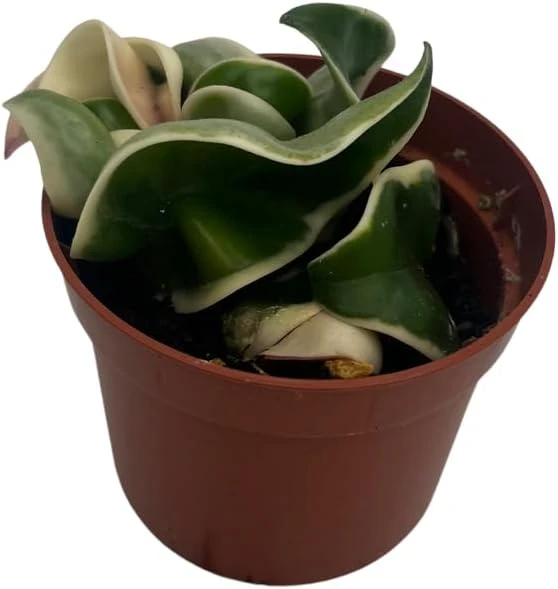
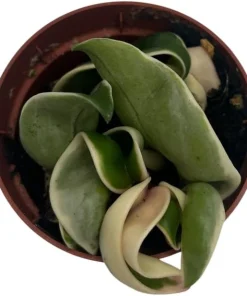
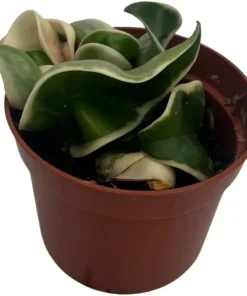
Variegated Hindu Rope Plant – Hoya carnosa variegata – Live Plant – 2.5″ Pot
Original price was: $40.99.$30.99Current price is: $30.99.
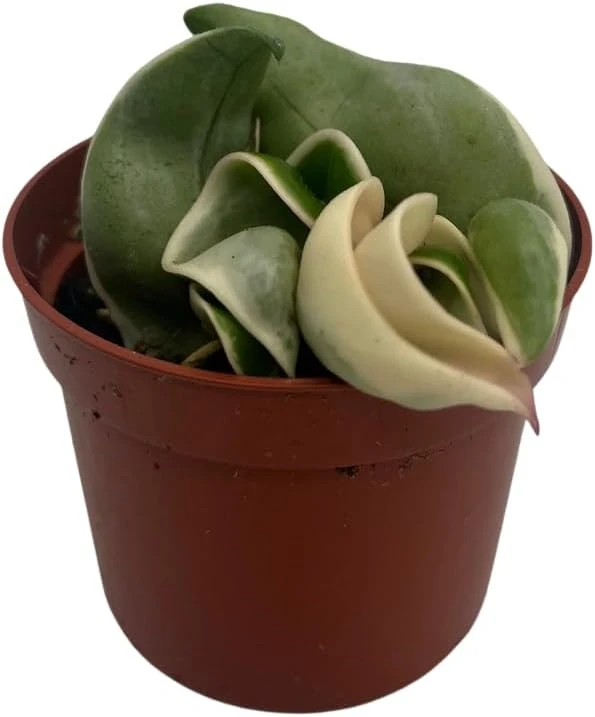
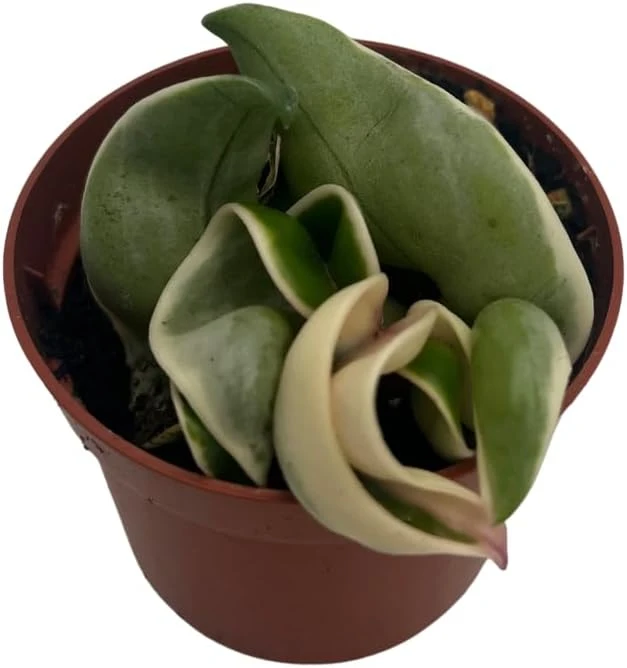
Bring unique texture and vibrant color to your indoor space with the variegated hindu rope plant. This captivating trailing houseplant, also known as Hoya carnosa variegata, features thick, convoluted green, pink, and white leaves arranged on twisted stems. Perfect for hanging baskets, it’s an easy-care wax plant relative that thrives in bright, indirect light.
Estimated arrival
Sep 29
Oct 04 - Oct 06
Oct 09 - Oct 13
Shop With Confidence
30-Day Plant Health Guarantee
Arrives damaged? We’ll replace it free — see our return policy.
Responsive Support
Email us anytime, we reply within 1 business day.
Expert Packaging
Temperature-controlled shipping to protect your plants in transit.
Secure Checkout
Pay safely with Visa, Mastercard, PayPal.
Plant Specifications
-
USDA Hardiness Zone
USDA Zones 10-11 (indoors elsewhere) -
Soil Type
Well-draining potting mix -
Sunlight Exposure
Bright indirect light -
Expected Planting Period
Year-round indoors
Overview
The variegated hindu rope plant (Hoya carnosa ‘Crispa Variegata’), also known by its botanical name Hoya carnosa variegata, is a truly unique and exotic addition to any indoor plant collection. Native to the far east, this fascinating succulent-like vine is cherished for its distinctive foliage. Its thick, waxy leaves are intricately convoluted and appear as if they have been twisted and folded, creating a ‘rope-like’ appearance. What makes this particular variety stand out are the stunning variegations of green, pink, and white that adorn each leaf, adding a vibrant splash of color and texture. As a live plant, it arrives ready to bring its charm to your home, thriving in a 2.5″ pot. This easy-to-care-for plant is perfect for both seasoned plant enthusiasts and beginners looking for something extraordinary.
This particular Hoya is a slow-growing but long-lived specimen, capable of reaching impressive lengths of over 8 feet when given proper care and conditions. Its unique form makes it an excellent choice for hanging baskets, allowing its trailing stems to cascade beautifully. The variegated hindu rope plant is not just a foliage plant; under ideal conditions, it may produce small, waxy, star-shaped flowers with red centers that emit a delightful, sweet fragrance, especially in the evening. It’s a true conversation starter and a testament to the beauty of nature’s designs.
Key Benefits
The variegated hindu rope plant offers a multitude of benefits, making it a highly sought-after indoor companion. Its distinct appearance and relatively low maintenance requirements contribute to its popularity:
-
Unique Ornamental Appeal: The primary draw of the variegated hindu rope plant is its extraordinary aesthetic. The thick, crinkled leaves with their striking green, pink, and white variegation create a sculptural quality that instantly elevates any space. It’s a living piece of art that adds architectural interest.
-
Low Maintenance: This Hoya is surprisingly easy to care for, making it ideal for busy individuals or those new to plant parenting. It tolerates a bit of neglect and doesn’t demand constant attention, preferring to be watered only when its soil is dry.
-
Air Purification: Like many houseplants, the Hoya carnosa variegata contributes to a healthier indoor environment by helping to filter airborne toxins. While not as potent as some other plants, it still plays a role in improving air quality.
-
Fragrant Blooms: Although its primary appeal is its foliage, mature plants can produce clusters of small, star-shaped, waxy flowers. These delicate blooms are not only visually appealing with their red centers but also release a sweet, alluring fragrance, especially at night.
-
Long Lifespan: With proper care, a variegated hindu rope plant can live for many years, becoming a long-term fixture and a cherished part of your home decor. Its slow growth means it won’t quickly outgrow its space.
-
Versatile Display: Its trailing habit makes it perfect for hanging baskets, high shelves, or as a feature plant on a desk or table where its unique foliage can be admired up close. It’s a truly adaptable trailing houseplant.
-
Pet-Friendly: While not completely non-toxic, Hoyas are generally considered much safer for pets than many other common houseplants, offering peace of mind for pet owners.
Plant Care & Growing Tips
Caring for your variegated hindu rope plant is straightforward, and with a few key considerations, it will thrive and bring beauty to your home for years. This plant prefers conditions that mimic its native tropical environment, but it’s also quite forgiving. Understanding the specific needs for a healthy hoya carnosa variegata will ensure its vibrant variegation and potential for beautiful blooms.
Sunlight Requirements: The variegated hindu rope plant thrives in bright, indirect light. A filtered light window, such as an east-facing window or a few feet away from a south or west-facing window, is ideal. Too much direct sun can scorch its delicate variegated leaves, causing them to yellow or brown, while too little light may result in leggy growth and less pronounced variegation. Aim for at least 4-6 hours of bright, indirect light daily to maintain its striking colors.
Watering Schedule and Soil Moisture: Overwatering is the most common mistake with Hoyas. This plant prefers to dry out thoroughly between waterings. Stick your finger about an inch or two into the soil; if it feels dry, it’s time to water. During warmer months, you might water every 1-2 weeks, reducing frequency in winter. Ensure excellent drainage to prevent root rot. The plant also prefers to be ‘pot bound,’ meaning it does well when its roots are somewhat crowded, so avoid repotting too frequently.
Soil Type and Drainage: A well-draining potting mix is crucial for the health of your variegated hindu rope plant. A good succulent or orchid mix, or a standard potting mix amended with perlite, orchid bark, or pumice, will provide the aeration and drainage this plant needs. This helps prevent water from sitting around the roots, which can lead to fungal issues and root rot.
Temperature Range and USDA Hardiness Zone: As a tropical plant, the Hoya carnosa variegata prefers warm temperatures, ideally between 65-80°F (18-27°C). It should be protected from cold drafts and temperatures below 50°F (10°C), which can cause damage. For outdoor cultivation, it is best suited for USDA Zones 10-11, where temperatures rarely drop to freezing. Indoors, maintain a consistent temperature for optimal growth.
Fertilization Schedule and Type: Fertilize your variegated hindu rope plant sparingly, primarily during its active growing season (spring and summer). Use a balanced liquid fertilizer diluted to half strength, once every 2-4 weeks. Reduce or cease fertilization during fall and winter when the plant’s growth slows down. Over-fertilization can lead to nutrient burn.
Common Problems and Solutions: Watch out for pests like mealybugs and spider mites, especially on the undersides of leaves and in the crinkles. Treat with insecticidal soap or neem oil. Yellowing leaves often indicate overwatering, while crispy leaves can signal underwatering or too much direct sun. Leggy growth suggests insufficient light. Addressing these issues promptly will help maintain a healthy and vibrant hindu rope plant care routine.
Size & Details
This offering is for one variegated hindu rope plant, carefully cultivated and shipped in a 2.5″ pot. The plant’s measurements are approximate, but it will be a healthy, well-rooted specimen ready to thrive in your home. While young plants will be compact, the Hoya carnosa variegata is a trailing vine capable of reaching impressive lengths of over 8 feet with maturity and ideal growing conditions. Its growth rate is moderate, allowing you to enjoy its development over time without it quickly outgrowing its space. The thick, convoluted leaves, arranged on twisted stems, display stunning variegation in shades of green, pink, and white, making each plant a unique display. It is shipped as a live, established plant in its nursery pot, ensuring a smooth transition to its new environment. Expect to see significant trailing growth within 1-2 years under optimal care, with potential for fragrant blooms once the plant is mature.
Frequently Asked Questions
-
Q: How big does this plant get? A: The variegated hindu rope plant is a trailing vine that can reach lengths of over 8 feet when mature and given optimal growing conditions. Its growth is relatively slow, making it manageable for indoor spaces.
-
Q: What size pot does it come in? A: This variegated hindu rope plant is shipped in a 2.5″ pot, a perfect size for a young, established plant ready for your home. You can keep it in this pot for a while as Hoyas prefer to be pot-bound.
-
Q: Is this an indoor or outdoor plant? A: The Hoya carnosa variegata is primarily grown as an indoor houseplant in most climates. It can be grown outdoors in USDA Zones 10-11 where temperatures remain consistently warm and frost-free.
-
Q: How much sunlight does it need? A: This plant thrives in bright, indirect light. Avoid direct, harsh sunlight which can scorch its variegated leaves. A spot near an east-facing window or a slightly shaded south/west window is ideal for good hindu rope plant care.
-
Q: Is this plant easy to care for? A: Yes, the variegated hindu rope plant is considered relatively easy to care for, making it suitable for both beginners and experienced plant enthusiasts. Its main requirements are bright indirect light and infrequent watering.
-
Q: What condition will it arrive in? A: Your variegated hindu rope plant will arrive as a healthy, live plant, carefully packaged in its nursery pot to ensure it reaches you in excellent condition and ready to thrive.
-
Q: Is it pet-safe? A: Hoyas are generally considered non-toxic to pets, though it’s always best to prevent pets from ingesting any plant material. This makes it a relatively safe choice for homes with animals.
-
Q: How often should I water my hindu rope plant? A: Water your variegated hindu rope plant only when the soil is completely dry to the touch, typically every 1-2 weeks depending on your environment. Overwatering is detrimental, so err on the side of caution.
-
Q: Will it produce flowers? A: Yes, mature Hoya carnosa variegata plants can produce clusters of small, fragrant, waxy flowers with red centers. This usually occurs when the plant is well-established and receiving optimal light and care.
-
Q: What kind of soil is best for a hindu rope plant? A: A well-draining potting mix is essential. Consider a succulent or orchid mix, or add perlite or orchid bark to a standard potting mix to ensure proper drainage and aeration for your wax plant relative.
Be the first to review “Variegated Hindu Rope Plant – Hoya carnosa variegata – Live Plant – 2.5″ Pot”
People Also Viewed

Trees
Emerald Green Arborvitae Live Plants – Privacy Trees 6-10″ Tall in 3.5″ Pots, Outdoor Evergreen
Reviews
There are no reviews yet.