
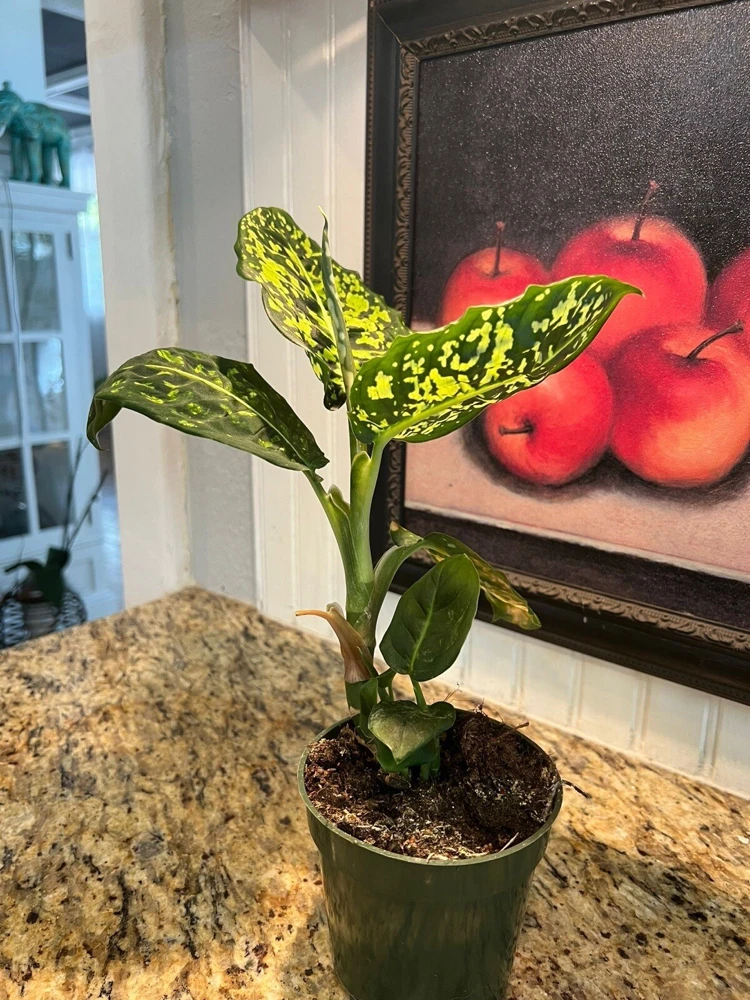
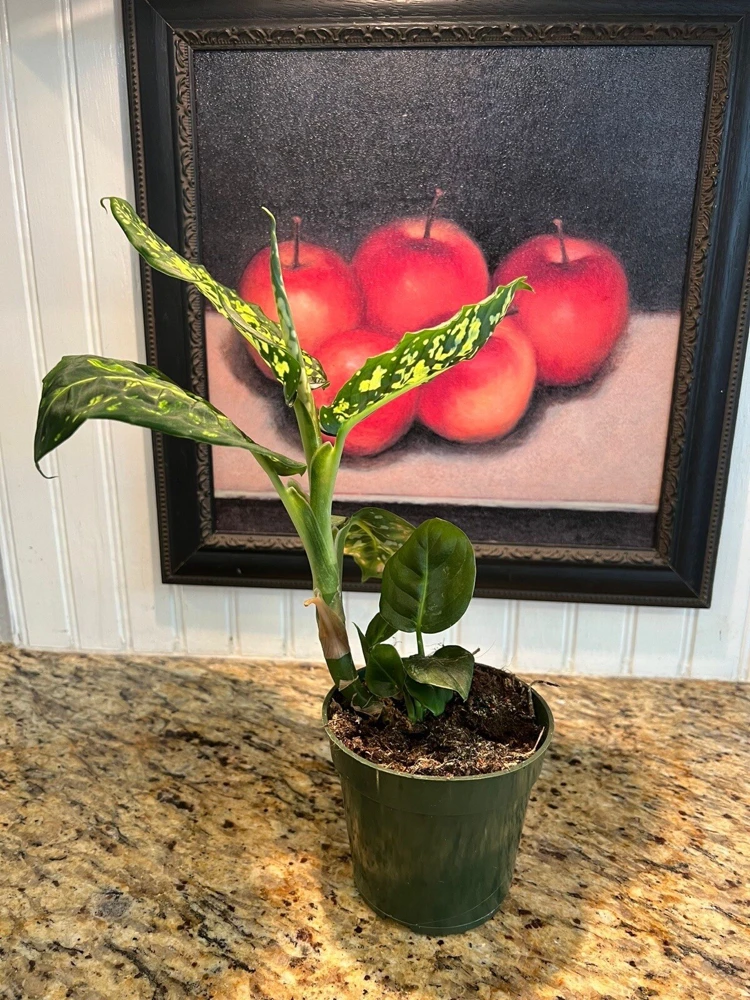
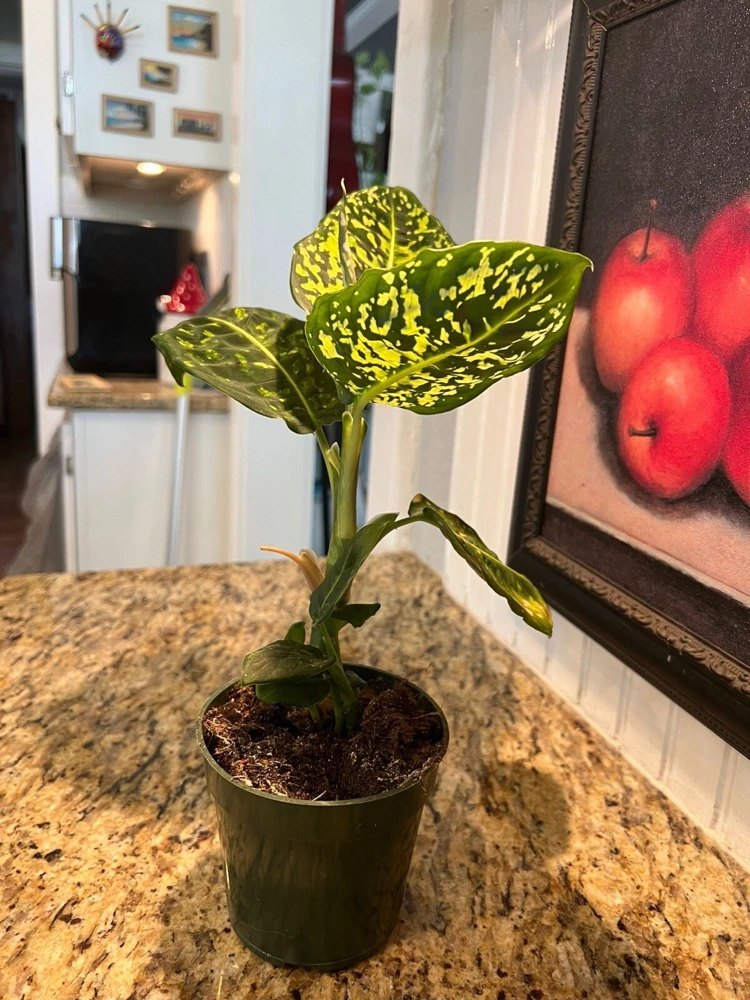
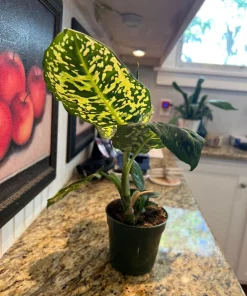
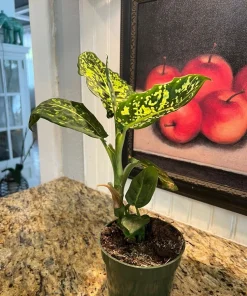
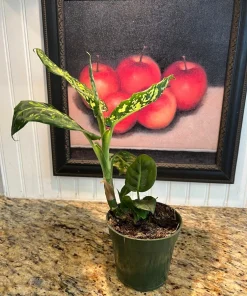
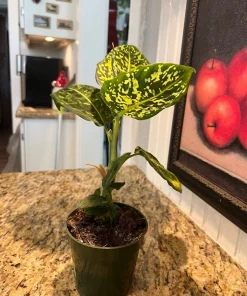
Dieffenbachia Live Plant – Dumb Cane Air Purifying Tropical Houseplant
Original price was: $48.99.$39.99Current price is: $39.99.
Bring tropical beauty indoors with this vibrant dieffenbachia live plant, also known as dumb cane houseplant. Renowned for its striking foliage and air-purifying qualities, it’s a perfect choice for adding a touch of nature to any room.
- Enhances indoor aesthetics
- Natural air purifier
- Easy to care for
Estimated arrival
Oct 27
Nov 01 - Nov 03
Nov 06 - Nov 10
Shop With Confidence
30-Day Plant Health Guarantee
Arrives damaged? We’ll replace it free — see our return policy.
Responsive Support
Email us anytime, we reply within 1 business day.
Expert Packaging
Temperature-controlled shipping to protect your plants in transit.
Secure Checkout
Pay safely with Visa, Mastercard, PayPal.
Plant Specifications
-
USDA Hardiness Zone
USDA zones 10-11 (outdoors), year-round indoors -
Soil Type
Well-draining, peat-based potting mix -
Sunlight Exposure
Bright indirect light -
Expected Planting Period
Year-round indoors
Overview
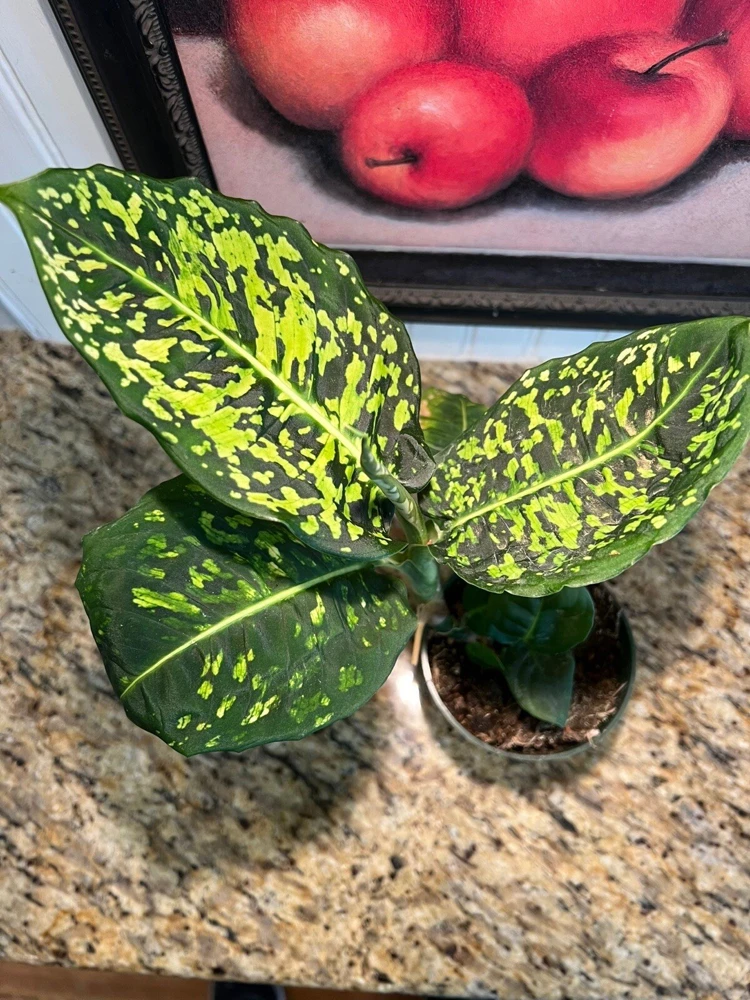
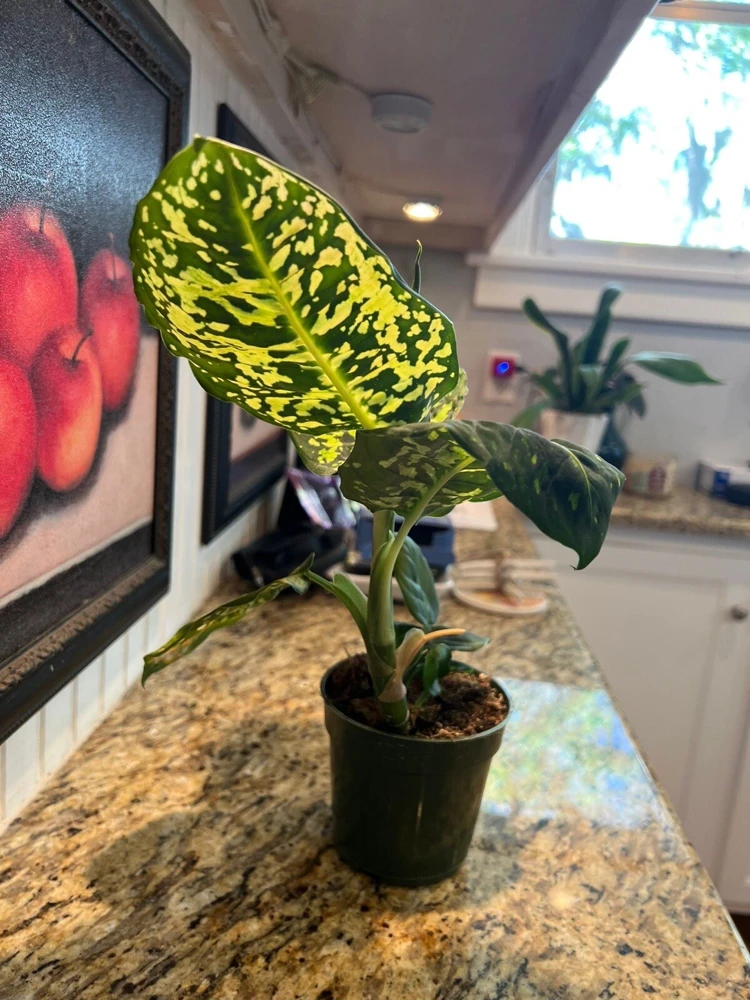
Introduce a touch of tropical elegance and natural air purification into your home with the exquisite dieffenbachia live plant. This stunning foliage plant, commonly known as dumb cane houseplant, is celebrated for its large, variegated leaves that feature captivating patterns of green, cream, and yellow. A popular choice for indoor gardening, the Dieffenbachia not only beautifies your living spaces but also contributes to a healthier environment by filtering common indoor toxins. Each dieffenbachia live plant is carefully cultivated to ensure a robust and healthy specimen, ready to thrive in its new home. Its vibrant appearance makes it a focal point in any room, effortlessly transforming ordinary spaces into lush, green sanctuaries. Whether you’re a seasoned plant enthusiast or a beginner, the Dieffenbachia offers a rewarding and visually appealing experience.
Key Benefits
The dieffenbachia live plant offers numerous advantages beyond its striking appearance, making it a valuable addition to any indoor plant collection. Its presence can significantly enhance both the aesthetic and atmospheric quality of your home.
- Air Purification: This dumb cane houseplant is known for its ability to filter indoor air, removing harmful toxins like formaldehyde, xylene, and toluene, contributing to a cleaner, fresher living environment.
- Exotic Visual Appeal: With its large, boldly patterned leaves, the Dieffenbachia adds a dramatic and tropical flair, instantly upgrading the decor of any room. Its vibrant colors and unique variegation make it a natural centerpiece.
- Low Maintenance: Despite its exotic looks, the dieffenbachia live plant is relatively easy to care for, making it suitable for both novice and experienced plant owners. It tolerates a range of indoor conditions, thriving with minimal fuss.
- Boosts Humidity: Like many tropical plants, Dieffenbachia releases moisture into the air, helping to increase indoor humidity levels, which can be beneficial for both humans and other plants, especially in dry climates or during winter months.
- Versatile Placement: Its adaptability to various light conditions (though it prefers bright, indirect light) allows for flexible placement within your home, from living rooms to offices, creating a lush ambiance wherever it goes.
- Stress Reduction: Studies suggest that having plants indoors can reduce stress, improve mood, and increase productivity. The calming presence of a dumb cane houseplant can contribute to a more tranquil and pleasant atmosphere.
- Natural Decor Element: The architectural form and striking foliage of the Dieffenbachia serve as a living piece of art, offering a dynamic and ever-changing element to your interior design.
Plant Care & Growing Tips
Caring for your dieffenbachia live plant is straightforward, ensuring it remains a vibrant and healthy addition to your home. Understanding its basic needs for light, water, and soil will help it thrive. This tropical beauty enjoys consistent conditions, mimicking its natural habitat.
For optimal growth, provide your dieffenbachia live plant with bright, indirect light. Direct sunlight can scorch its delicate leaves, causing unsightly brown spots. An east-facing window or a few feet away from a south or west-facing window is ideal. While it can tolerate lower light conditions, variegation may become less pronounced. Maintain a consistent watering schedule, allowing the top inch or two of soil to dry out between waterings. Overwatering is a common issue that can lead to root rot, so ensure your pot has good drainage. Water less frequently in winter when the plant’s growth slows down. The ideal temperature range for a dumb cane houseplant is between 65-75°F (18-24°C), and it prefers high humidity. If your home is dry, consider misting the leaves regularly or placing the pot on a pebble tray filled with water. Avoid cold drafts or sudden temperature fluctuations, which can stress the plant.
When it comes to soil, a well-draining, peat-based potting mix is best for this tropical houseplants. You can amend regular potting soil with perlite or orchid bark to improve drainage. Fertilize your Dieffenbachia every 2-4 weeks during the growing season (spring and summer) with a balanced liquid fertilizer diluted to half strength. Reduce or stop fertilization during fall and winter. Regularly wipe the leaves with a damp cloth to remove dust and allow for better photosynthesis. If you notice yellowing leaves, it could be a sign of overwatering or nutrient deficiency. Brown leaf tips often indicate low humidity or inconsistent watering. While handling, be aware that Dieffenbachia contains calcium oxalate crystals which can cause irritation if ingested, hence its common name dumb cane houseplant. It’s best to keep it away from pets and small children.
Size & Details
Your dieffenbachia live plant will arrive as a healthy, established specimen, ready to display. Typically, these plants grow to an average height of 2-4 feet indoors, though some can reach up to 6 feet under ideal conditions. The width of the plant can vary, often spreading to 2-3 feet as its large leaves unfurl. We ship our Dieffenbachia in a nursery pot, ensuring its roots are well-protected and the plant experiences minimal stress during transit. The growth rate is moderate, allowing you to enjoy its development over time without it outgrowing its space too quickly. With proper dieffenbachia care, you can expect a long-lasting and continuously beautiful display.
The plant is shipped in its nursery pot, which provides a stable environment for its journey to your home. Upon arrival, it can be immediately placed in a decorative planter of your choice, ensuring it has adequate drainage. The striking variegation of the leaves will be prominent, showcasing the plant’s unique patterns of green, cream, and yellow. This tropical houseplants will continue to produce new leaves from its central cane, contributing to its lush and full appearance. No special tools are required for planting, just a suitable pot and fresh potting mix if you choose to repot immediately.
Frequently Asked Questions
- Q: How big does this dieffenbachia live plant get? A: Indoors, a Dieffenbachia typically grows to about 2-4 feet tall, but with excellent care, some varieties can reach up to 6 feet. Its width can spread to 2-3 feet, creating a lush, full appearance.
- Q: Is this an indoor or outdoor plant? A: The dieffenbachia live plant is primarily an indoor plant in most climates due to its tropical nature. It can be placed outdoors in shaded, warm, and humid conditions during summer in USDA zones 10-11, but should be brought inside before temperatures drop.
- Q: How much sunlight does my dumb cane houseplant need? A: Dieffenbachia thrives in bright, indirect light. Direct sunlight can scorch its leaves, while too little light can cause leggy growth and less vibrant variegation. An east-facing window or a spot a few feet away from a south or west-facing window is ideal.
- Q: Is this plant easy to care for? A: Yes, the Dieffenbachia is considered relatively easy to care for, making it a good choice for both beginners and experienced plant enthusiasts. Consistent watering, proper light, and warmth are key to successful dieffenbachia care.
- Q: What condition will it arrive in? A: Your dieffenbachia live plant will arrive carefully packaged in its nursery pot, ensuring it is healthy and well-protected during transit. It will be ready to be placed in your home or repotted into a decorative container.
- Q: How often should I water my tropical houseplants? A: Water your Dieffenbachia when the top 1-2 inches of soil feel dry to the touch. It’s better to slightly underwater than to overwater, as excessive moisture can lead to root rot. Adjust watering frequency based on light, temperature, and humidity.
- Q: Is the Dieffenbachia safe for pets? A: No, Dieffenbachia is toxic if ingested, containing calcium oxalate crystals that can cause irritation to the mouth, throat, and digestive tract. It’s important to keep this dumb cane houseplant out of reach of pets and small children.
- Q: Can I improve its air-purifying qualities? A: While the plant naturally purifies air, ensuring good overall plant health through proper dieffenbachia care (adequate light, water, nutrients) will allow it to perform its air-purifying functions most effectively.
- Q: When is the best time to fertilize? A: Fertilize your Dieffenbachia every 2-4 weeks during its active growing season in spring and summer. Use a balanced liquid fertilizer diluted to half strength. Reduce or stop fertilizing during fall and winter.
- Q: What kind of soil does it prefer? A: A well-draining, peat-based potting mix is ideal for Dieffenbachia. You can enhance drainage by adding perlite or orchid bark to a standard potting mix, which helps prevent waterlogging.
Be the first to review “Dieffenbachia Live Plant – Dumb Cane Air Purifying Tropical Houseplant”
People Also Viewed

Reviews
There are no reviews yet.