
Turk’s Cap Lily Bulbs – 5 Count – Orange Spotted Wildflower – Zones 4-9
Original price was: $89.99.$69.99Current price is: $69.99.
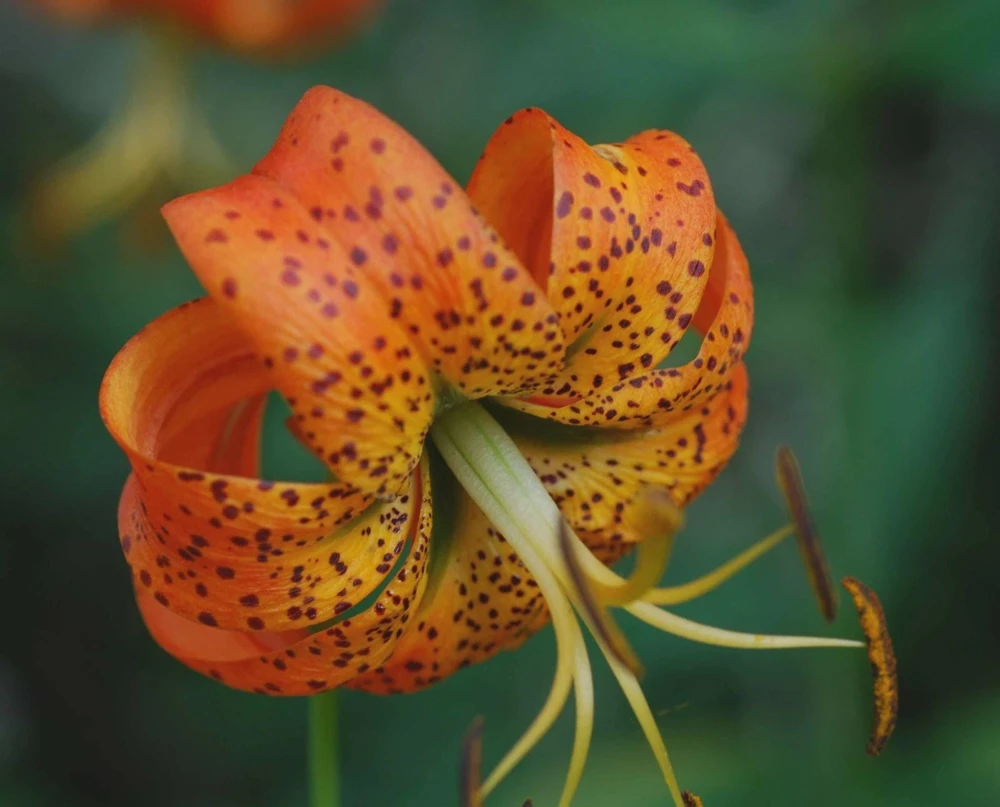
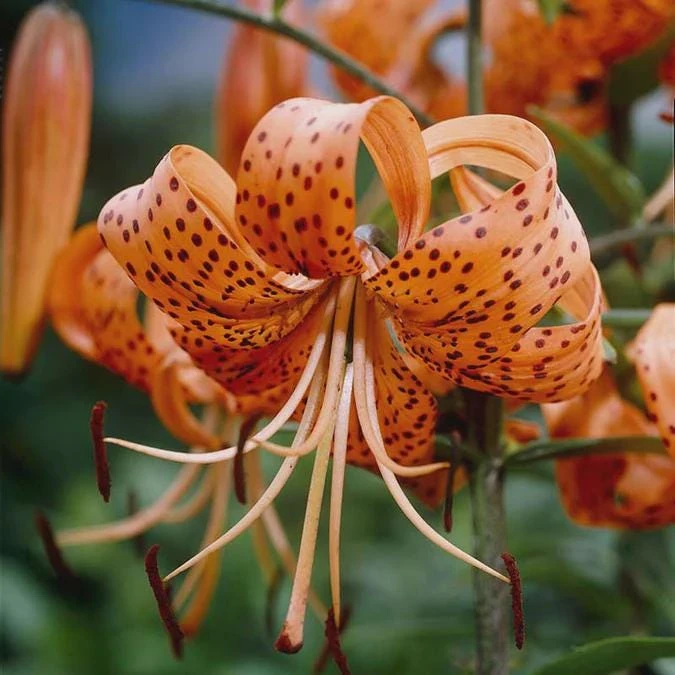
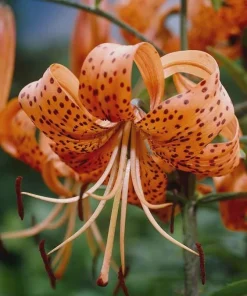
Bring vibrant color to your garden with Turk’s Cap Lily bulbs. These stunning wildflowers feature unique orange petals with distinctive brown spots, thriving in moist meadows and mulched beds. Hardy in USDA Zones 4-9, they prefer morning sun and well-drained soil.
Estimated arrival
Sep 20
Sep 25 - Sep 27
Sep 30 - Oct 04
Shop With Confidence
30-Day Plant Health Guarantee
Arrives damaged? We’ll replace it free — see our return policy.
Responsive Support
Email us anytime, we reply within 1 business day.
Expert Packaging
Temperature-controlled shipping to protect your plants in transit.
Secure Checkout
Pay safely with Visa, Mastercard, PayPal.
Plant Specifications
-
USDA Hardiness Zone
4-9 -
Soil Type
Well-draining soil -
Sunlight Exposure
Morning sun, partial shade -
Expected Planting Period
Fall to early spring
Overview
Transform your garden into a vibrant haven with these exquisite Turk’s Cap Lily bulbs. Known botanically as Lilium superbum, the American Turk’s Cap Lily is a truly impressive native wildflower, celebrated for its unique and striking appearance. Each bulb promises to produce a magnificent plant adorned with distinctive orange petals, elegantly speckled with brown spots, creating a captivating display. These resilient plants are a favorite among gardeners seeking to introduce natural beauty and a touch of the wild into their landscapes. Ideal for moist meadows, woodland gardens, or even mulched beds, the American Turk’s Cap Lily is a standout specimen that will draw attention and admiration from all who see it. Planting these bulbs is an investment in long-lasting beauty and ecological enrichment for your outdoor space.
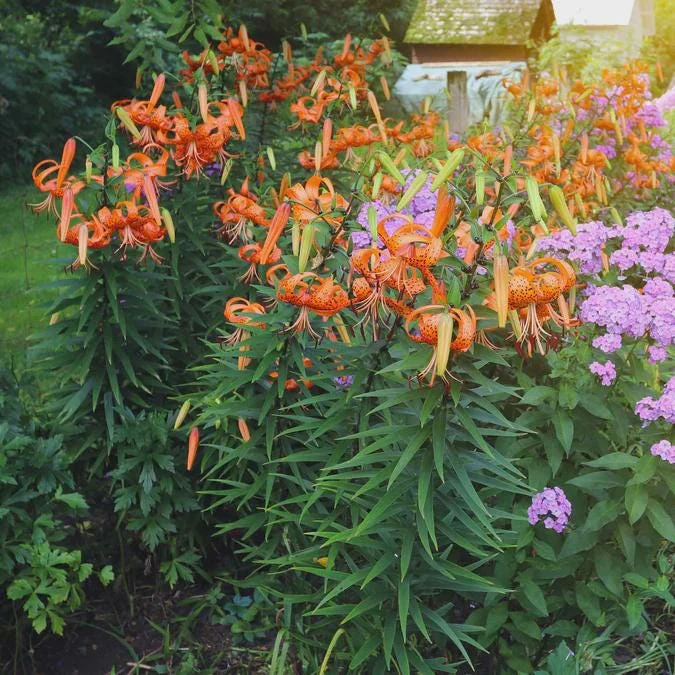
The Turk’s Cap Lily is not just beautiful; it’s also a robust and adaptable plant, making it a rewarding choice for various garden settings. Its tall, stately presence and intricate blooms make it a focal point in any perennial border or naturalized area. These particular bulbs offer the opportunity to cultivate one of nature’s most impressive floral spectacles right in your own backyard. Get ready to enjoy the splendor of these unique wildflowers.
Key Benefits
Cultivating the Turk’s Cap Lily offers numerous advantages for both the gardener and the environment. Its stunning visual appeal is just one of many reasons to include this native beauty in your landscape:
- Striking Visual Appeal: The unique orange petals with distinct brown spots create a dramatic and beautiful display, making the Turk’s Cap Lily bulbs a focal point in any garden. Their intricate design is truly captivating.
- Native Wildflower: As an American Turk’s Cap Lily, it is perfectly adapted to local ecosystems, supporting native pollinators and contributing to biodiversity. This helps maintain a healthy garden environment.
- Hardy and Resilient: Thriving in USDA Zones 4-9, these bulbs are incredibly hardy and can withstand a wide range of climatic conditions, ensuring reliable growth year after year.
- Low Maintenance: Once established, the Turk’s Cap Lily requires minimal care, making it an excellent choice for gardeners seeking high impact with less effort.
- Attracts Pollinators: The vibrant blooms are a magnet for hummingbirds and various beneficial insects, enhancing the ecological value of your garden and encouraging natural pollination.
- Versatile Planting: Does well in moist meadows, mulched beds, and woodland gardens, offering flexibility in landscape design.
- Unique Petal Structure: The recurved petals, resembling a Turk’s cap, give this lily its distinctive name and a truly exotic appearance.
Plant Care & Growing Tips
Ensuring the successful growth of your Turk’s Cap Lily bulbs involves providing the right conditions and consistent care. These wildflowers are relatively forgiving but thrive best when their specific needs are met. For optimal bloom, site selection is crucial. These lilies prefer morning sun, requiring more light than some other wild perennial flowers. A location that receives direct morning sunlight followed by some afternoon shade is often ideal, especially in warmer climates, to protect the delicate petals from scorching.
When it comes to soil, the Turk’s Cap Lily is quite adaptable, but it truly excels in well-drained soil. While it likes most soil types, excellent drainage is key to preventing bulb rot. Amending heavy clay soils with organic matter like compost or sand can significantly improve drainage. These lilies are hardy in USDA Zones 4-9, making them suitable for a broad range of temperate climates. Plant the bulbs in the fall or early spring, about 6-8 inches deep and 6 inches apart. They do exceptionally well in mulched beds, as the mulch helps retain soil moisture, regulate soil temperature, and suppress weeds, all of which benefit the emerging plant. Regular watering is important, especially during dry spells, to keep the soil consistently moist but not waterlogged. Avoid overwatering. Fertilize sparingly with a balanced, slow-release fertilizer in early spring as new growth emerges. Watch out for common lily pests like lily beetles and address them promptly to ensure the health of your wild lily bulbs. Proper care will ensure a spectacular display of these unique orange spotted lilies.
Size & Details
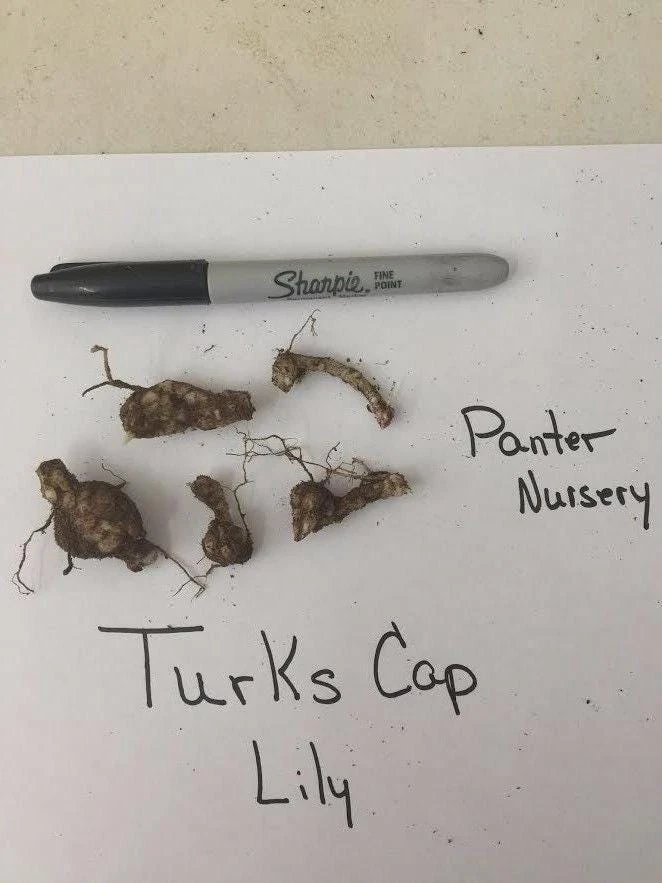
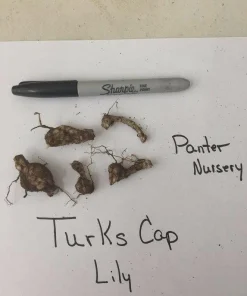
This offering includes 5 high-quality Turk’s Cap Lily bulbs, ready for planting in your garden. Each bulb has the potential to grow into a stately plant, typically reaching heights of 4 to 7 feet (1.2 to 2.1 meters) once mature, making them a dramatic vertical element in the landscape. The unique petals, orange with characteristic brown spots, will emerge from strong, erect stems. These bulbs are shipped dormant and ready to be planted upon arrival, ensuring a fresh start for your garden. Expect blooms to appear in mid to late summer, typically between July and August, providing a vibrant splash of color when many other flowers are starting to fade. The exact bloom time can vary slightly depending on your specific climate and planting conditions. With proper care, these bulbs will naturalize and multiply over the years, offering an increasingly impressive display of the orange spotted lily.
These bulbs are ideal for creating a naturalized look in meadows, enhancing woodland edges, or adding height and interest to perennial borders. Their robust nature ensures they will establish well and contribute to your garden’s beauty for many seasons to come. The mature plant will showcase a striking presence with its recurved petals.
Frequently Asked Questions
- Q: How big does the Turk’s Cap Lily get? A: The American Turk’s Cap Lily is quite tall, typically reaching heights of 4 to 7 feet (1.2 to 2.1 meters) when fully mature. Its impressive stature makes it a striking addition to the back of a border or a naturalized area.
- Q: What condition will the bulbs arrive in? A: Your order includes 5 healthy Turk’s Cap Lily bulbs, shipped dormant and ready for immediate planting. They are carefully packaged to ensure they arrive in excellent condition, prepared to thrive in your garden.
- Q: Is this an indoor or outdoor plant? A: The Turk’s Cap Lily is an outdoor plant, best suited for garden beds, moist meadows, and woodland settings. It is not typically grown as an indoor houseplant due to its size and light requirements.
- Q: How much sunlight does it need? A: These lilies prefer morning sun and need more light than some other wild perennial flowers. A location with partial sun, especially morning sun and afternoon shade, is ideal for optimal growth and bloom.
- Q: Is this plant easy to care for? A: Once established, the Turk’s Cap Lily bulbs are relatively low-maintenance. They are hardy and resilient, making them a good choice for gardeners who want a beautiful display without extensive effort.
- Q: When is the best time to plant these lily bulbs? A: The ideal time to plant Turk’s Cap Lily bulbs is in the fall or very early spring before new growth begins. This allows the bulbs to establish their root system before the growing season.
- Q: Will these lilies survive winter in my zone? A: Yes, these lilies are hardy in USDA Zones 4-9, meaning they are well-equipped to survive winter in a wide range of temperate climates. Mulching can provide additional protection in colder zones.
- Q: What kind of soil does the Turk’s Cap Lily prefer? A: While adaptable to most soils, the Lilium superbum thrives best in well-drained soil. Good drainage is crucial to prevent the bulbs from rotting. Amending heavy soils with organic matter is beneficial.
- Q: Do these lilies attract pollinators? A: Absolutely! The vibrant orange flowers of the Turk’s Cap Lily are known to attract hummingbirds and various beneficial insects, contributing to the biodiversity of your garden.
- Q: How long until it blooms after planting? A: If planted in the fall, you can expect blooms in the following summer, typically from July to August. If planted in early spring, they may bloom in the first year, but sometimes take a year to fully establish.
Be the first to review “Turk’s Cap Lily Bulbs – 5 Count – Orange Spotted Wildflower – Zones 4-9”
People Also Viewed

Trees
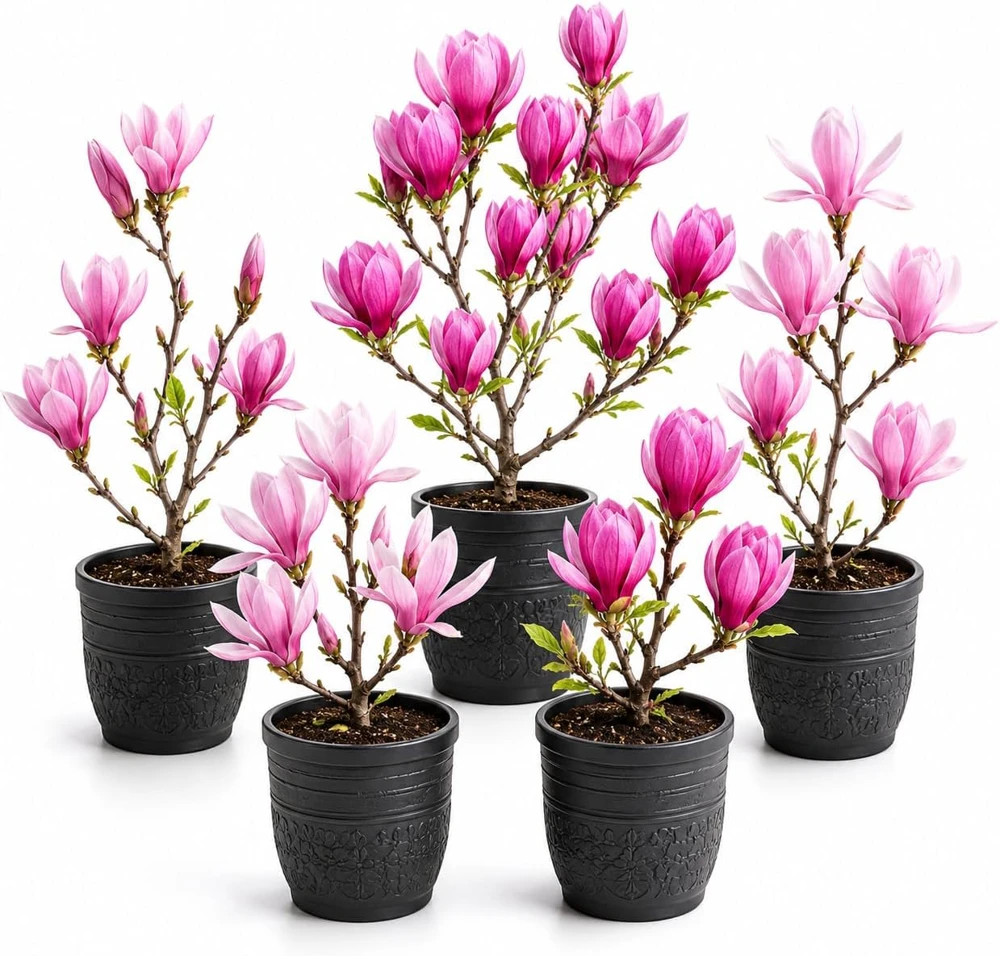
Magnolia Live Plant 2-Pack – Deciduous Magnolia Trees – 5-10 Inch Tall – 2.5 Inch Pot – Outdoor
Reviews
There are no reviews yet.