
20 Lily of the Valley Rhizomes – Fragrant White May Bells Bulbs
Original price was: $85.99.$65.99Current price is: $65.99.
Bring timeless elegance and sweet fragrance to your garden with 20 Lily of the Valley rhizomes. These easy-to-grow perennials produce delicate white, bell-shaped flowers, perfect for shady spots and groundcover. Enjoy the classic scent of fragrant May Bells.
Estimated arrival
Sep 20
Sep 25 - Sep 27
Sep 30 - Oct 04
Shop With Confidence
30-Day Plant Health Guarantee
Arrives damaged? We’ll replace it free — see our return policy.
Responsive Support
Email us anytime, we reply within 1 business day.
Expert Packaging
Temperature-controlled shipping to protect your plants in transit.
Secure Checkout
Pay safely with Visa, Mastercard, PayPal.
Plant Specifications
-
USDA Hardiness Zone
2-9 -
Soil Type
Rich, well-draining soil -
Sunlight Exposure
Partial to full shade -
Expected Planting Period
Early spring to fall
Overview
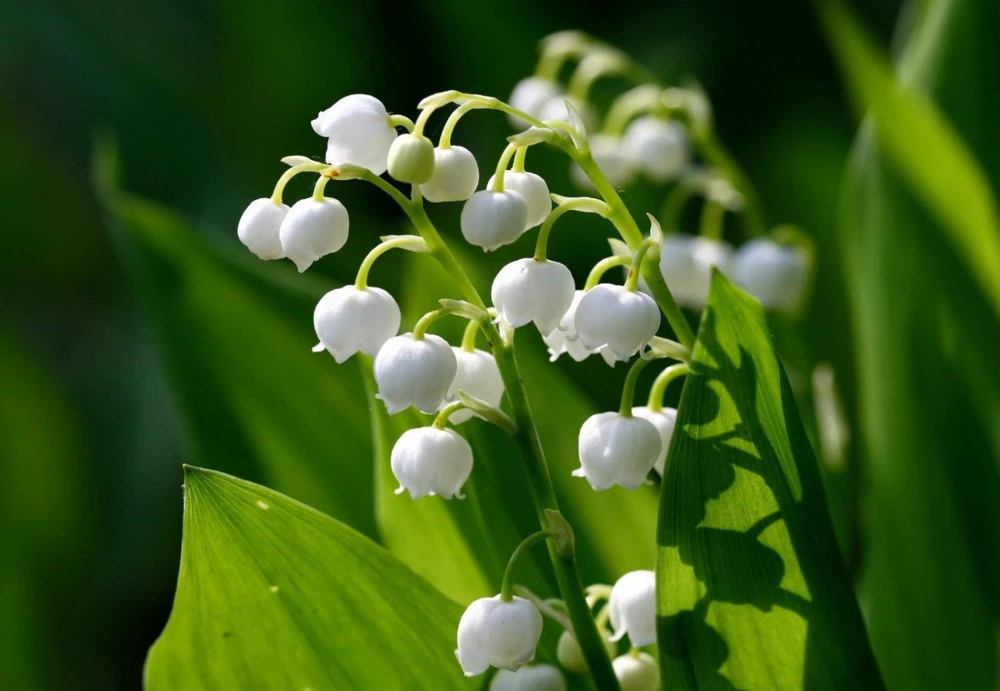
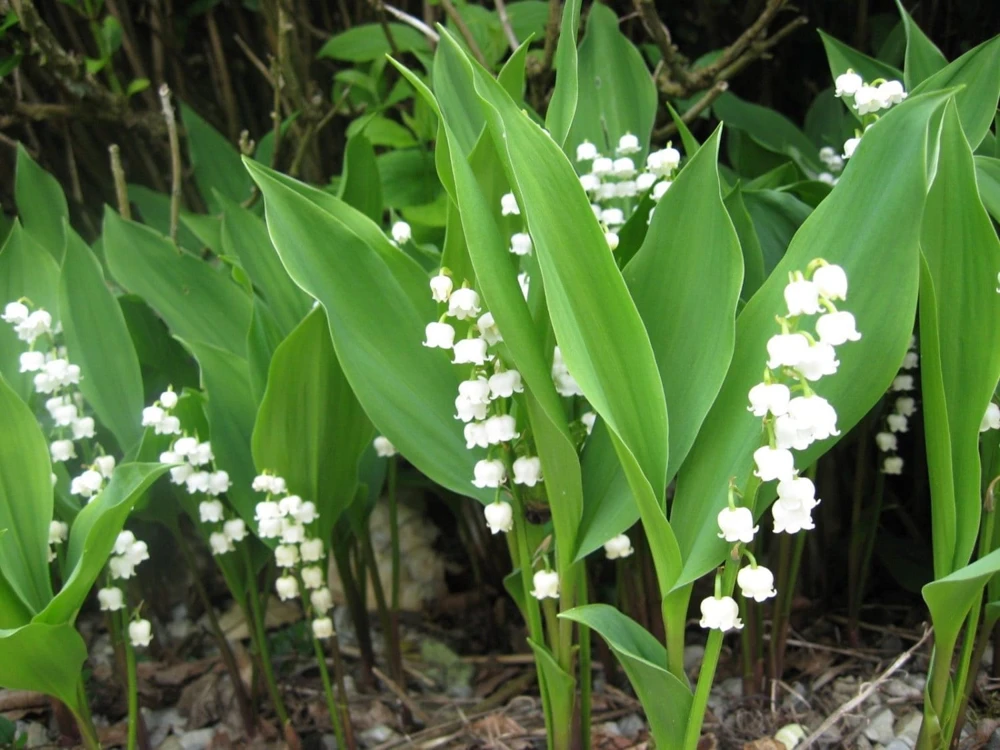
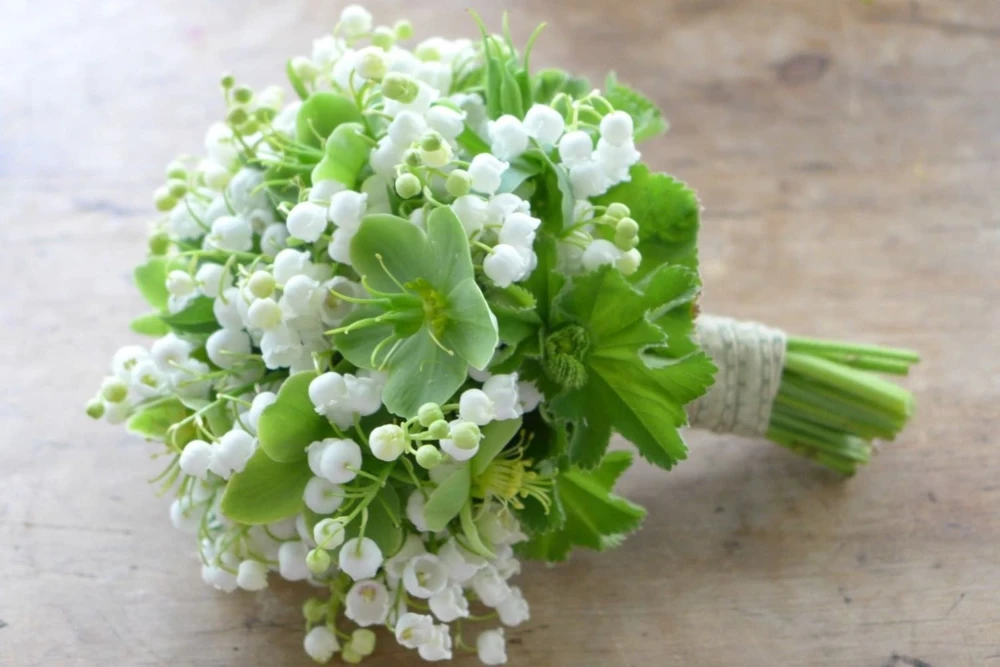
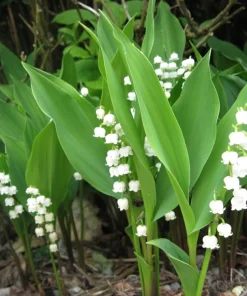
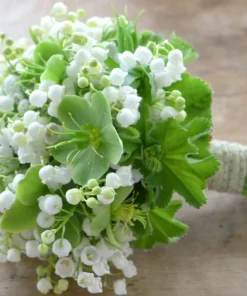
Introduce classic beauty and enchanting fragrance to your landscape with these lily of the valley rhizomes. You will receive 20 Lily of the Valley rhizomes, ready to plant and transform your garden into a springtime wonderland. Known for their delicate, nodding white flowers and sweet perfume, lily of the valley plants have been cherished for centuries, dating back to at least 1000 B.C. These resilient perennials are ideal for creating a charming groundcover or adding a touch of elegance to shaded areas. Their medium-bright green, lance-shaped leaves provide a lush backdrop for the tiny bell-shaped blooms, making them a captivating addition to any garden.
Lily of the Valley rhizomes are a fantastic choice for gardeners seeking a low-maintenance yet highly rewarding plant. These rhizomes establish quickly, forming a spreading mass that beautifies your garden year after year. The plants are robust and thrive in various conditions, making them suitable for a wide range of gardening expertise. Their historical significance and timeless appeal ensure they remain a beloved favorite among plant enthusiasts. Prepare to be delighted by the visual charm and intoxicating aroma these lily of the valley rhizomes bring.
Key Benefits
Investing in lily of the valley rhizomes offers a multitude of advantages for your garden and sensory experience. These plants are celebrated for their enchanting qualities and ease of care, providing lasting beauty and fragrance with minimal effort.
- Exquisite Fragrance: The primary allure of these plants is their intensely sweet and captivating perfume. The tiny white, bell-shaped flowers release a delightful aroma that can fill your garden, creating a truly immersive and pleasant atmosphere, especially during spring and early summer.
- Beautiful Groundcover:Lily of the Valley plants naturally form a spreading mass, making them an excellent choice for groundcover in shady or partially shaded areas. They effectively suppress weeds and create a lush, uniform carpet of green foliage, enhancing the aesthetic appeal of your garden beds.
- Low Maintenance Perennial: Once established, lily of the valley rhizomes are remarkably carefree. They are perennial in USDA Zones 2-9, meaning they return year after year without the need for replanting. This makes them a sustainable and economical choice for long-term garden beauty.
- Attractive Foliage and Seed Pods: Beyond their flowers, the medium-bright green, lance-shaped leaves provide attractive texture throughout the growing season. After flowering, red seed pods develop, adding another layer of visual interest and extending the plant’s appeal well into the summer.
- Versatile Planting Options: These plants are highly versatile and can be used in various garden settings. They are perfect for woodland gardens, borders, under trees, or in containers, providing flexibility in design and placement. Their ability to thrive in moisture-loving conditions also makes them suitable for damp garden spots.
- Historical and Cultural Significance: With a history spanning millennia, lily of the valley plants carry a rich cultural heritage. They symbolize purity, happiness, and humility, adding a deeper meaning and traditional charm to your garden. Many find joy in growing lily of the valley due to this rich background.
- Early Spring Blooms: As one of the first plants to bloom in spring, they provide much-needed color and fragrance after the winter months. Their early appearance heralds the arrival of warmer weather and invigorates the garden with life and vibrancy.
Plant Care & Growing Tips
Successful cultivation of lily of the valley rhizomes is straightforward, thanks to their resilient nature. These plants prefer specific conditions that mimic their natural woodland habitat. They thrive in partial to full shade, making them perfect for those tricky spots where other sun-loving plants struggle. While they can tolerate some morning sun, intense afternoon sun can scorch their delicate leaves. Ensure they receive consistent moisture, especially during dry spells, as they are moisture-loving plants. However, avoid waterlogging, which can lead to rot.
For soil, lily of the valley plants prefer rich, well-draining soil that is high in organic matter. Amending your soil with compost or leaf mold before planting will provide the ideal environment for these rhizomes to flourish. They are hardy in USDA Zones 2-9, demonstrating their ability to withstand a wide range of temperatures. Fertilization is generally not heavily required; a light application of a balanced, slow-release fertilizer in early spring can promote vigorous growth and abundant blooms. Keep an eye out for slugs and snails, which can occasionally munch on the leaves, and address any fungal issues promptly with appropriate treatments. Proper care ensures beautiful fragrant May Bells.
When you are growing lily of the valley, remember that they are quite vigorous spreaders. While this is excellent for groundcover, you might want to consider containment if you prefer them in a specific area. Planting them in a spot where their spreading nature is welcomed or using root barriers can help manage their growth. Deadheading spent flowers is not necessary for bloom production but can be done for aesthetic purposes. The red seed pods that follow the flowers are also quite attractive. These simple care tips will help you enjoy your lily of the valley rhizomes for many years.
Size & Details
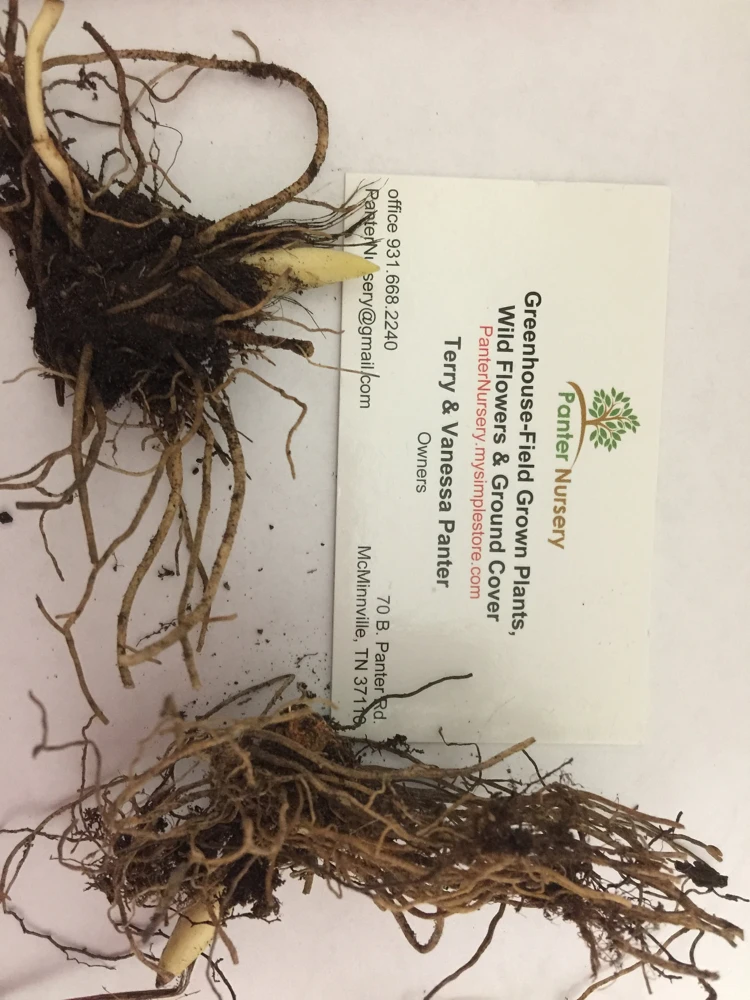
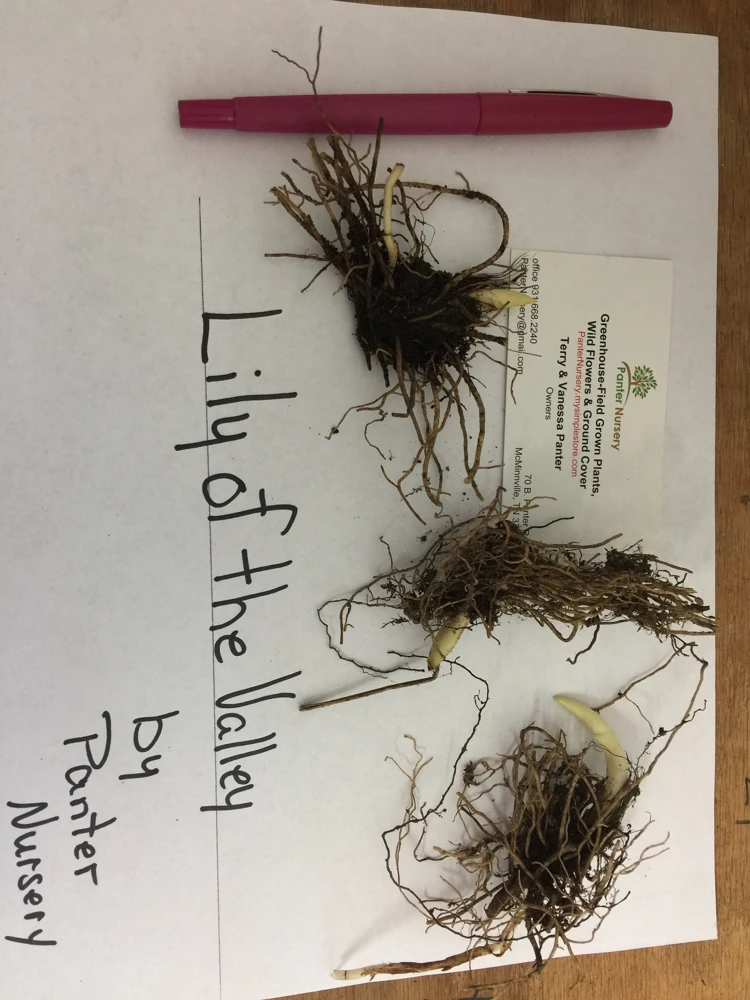
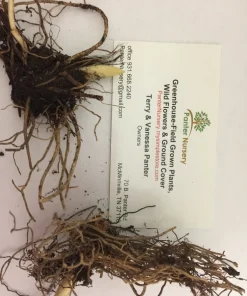
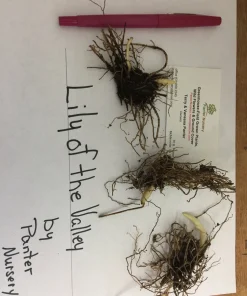
This offering includes 20 Lily of the Valley rhizomes, ready for planting upon arrival. These rhizomes are the underground stems from which new plants will emerge, ensuring robust growth and establishment. Once mature, lily of the valley plants typically reach a height of 4 to 8 inches and spread 3 to 5 inches wide, forming a dense, elegant groundcover. The plant’s growth rate is moderate to fast, allowing it to quickly fill in areas and create a beautiful display.
The rhizomes are shipped in dormant condition, making them easy to handle and plant. They are well-suited for planting in the northern temperate zone. Expect the first fragrant blooms, often referred to as fragrant May Bells, to appear in spring, typically May, after the plants have had a chance to establish. The red seed pods that remain after flowering add visual interest, ensuring your garden remains attractive even after the blooms have faded. These lily of the valley rhizomes are a reliable and charming addition to any garden.
Frequently Asked Questions
- Q: How big do these lily of the valley plants get? A: Once established, lily of the valley plants typically grow 4 to 8 inches high and spread 3 to 5 inches wide, forming a lovely, dense groundcover. They are known for their ability to spread and naturalize over time.
- Q: Is this an indoor or outdoor plant? A: Lily of the Valley rhizomes are primarily intended for outdoor planting. They thrive in garden beds, especially in shaded or partially shaded areas, and are hardy in USDA Zones 2-9.
- Q: How much sunlight do these lily of the valley rhizomes need? A: They prefer partial to full shade. While they can tolerate some morning sun, they should be protected from intense afternoon sunlight to prevent leaf scorch.
- Q: Are these lily of the valley plants easy to care for? A: Yes, growing lily of the valley is considered easy. They are low-maintenance perennials that, once established, require minimal care, making them excellent for both novice and experienced gardeners.
- Q: What condition will the lily of the valley rhizomes arrive in? A: The 20 Lily of the Valley rhizomes will arrive in a dormant state, which is normal for planting material and ensures successful establishment once planted in your garden.
- Q: When is the best time to plant lily of the valley rhizomes? A: The best time to plant lily of the valley rhizomes is typically in early spring or fall. This allows them to establish their root systems before extreme temperatures.
- Q: How long until I see flowers from these fragrant May Bells? A: You can expect to see the charming white flowers, often called fragrant May Bells, in the spring following their establishment. It might take one full growing season for them to settle in before blooming profusely.
- Q: Will lily of the valley plants survive winter in my zone? A: Yes, these plants are very hardy and will remain perennial in USDA Zones 2-9, meaning they can withstand cold winters and return each spring.
- Q: Do these plants produce red seed pods? A: Yes, after flowering, lily of the valley plants produce attractive red seed pods, which add another layer of visual interest to the plant and continue its decorative appeal after the blooms fade.
- Q: What type of soil is best for growing lily of the valley? A: They prefer rich, well-draining soil that is high in organic matter. Amending your soil with compost will help create the ideal growing conditions for your lily of the valley rhizomes.
Be the first to review “20 Lily of the Valley Rhizomes – Fragrant White May Bells Bulbs”
People Also Viewed
Flower Plants
Gartenmeister Fuchsia Live Plant – 2 Pack, 5″ Pot, Red-Orange Flowering Ornamental for Shade
Houseplants
Aglaonema Pictum Tricolor Live Plant – Rare Camouflage Chinese Evergreen Indoor Houseplant
Reviews
There are no reviews yet.