
3 Darrow’s Native Blueberry Starter Plugs – Vaccinium darrowii – Live Bush & Shrub
Original price was: $93.99.$68.99Current price is: $68.99.
Start your own blueberry patch with these 3 Darrow’s Native Blueberry starter plugs. Known botanically as Vaccinium darrowii, these low-growing shrubs are perfect for landscaping, attracting pollinators, and providing delicious fruit. Ideal for southeastern US climates.
Estimated arrival
Sep 29
Oct 04 - Oct 06
Oct 09 - Oct 13
Shop With Confidence
30-Day Plant Health Guarantee
Arrives damaged? We’ll replace it free — see our return policy.
Responsive Support
Email us anytime, we reply within 1 business day.
Expert Packaging
Temperature-controlled shipping to protect your plants in transit.
Secure Checkout
Pay safely with Visa, Mastercard, PayPal.
Plant Specifications
-
USDA Hardiness Zone
USDA Zones 7-10 -
Soil Type
Acidic, well-draining soil (pH 4.5-5.5) -
Sunlight Exposure
Full sun to partial shade -
Expected Planting Period
Early spring to fall
Overview
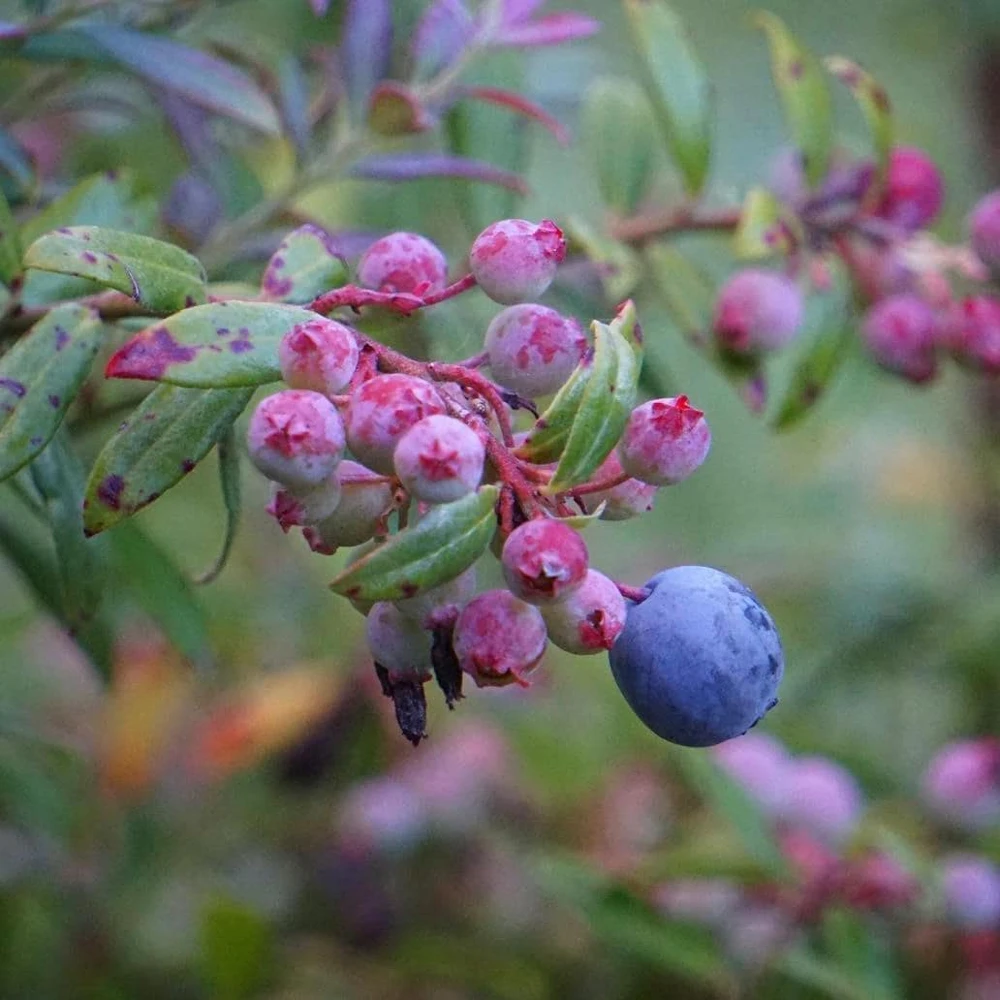
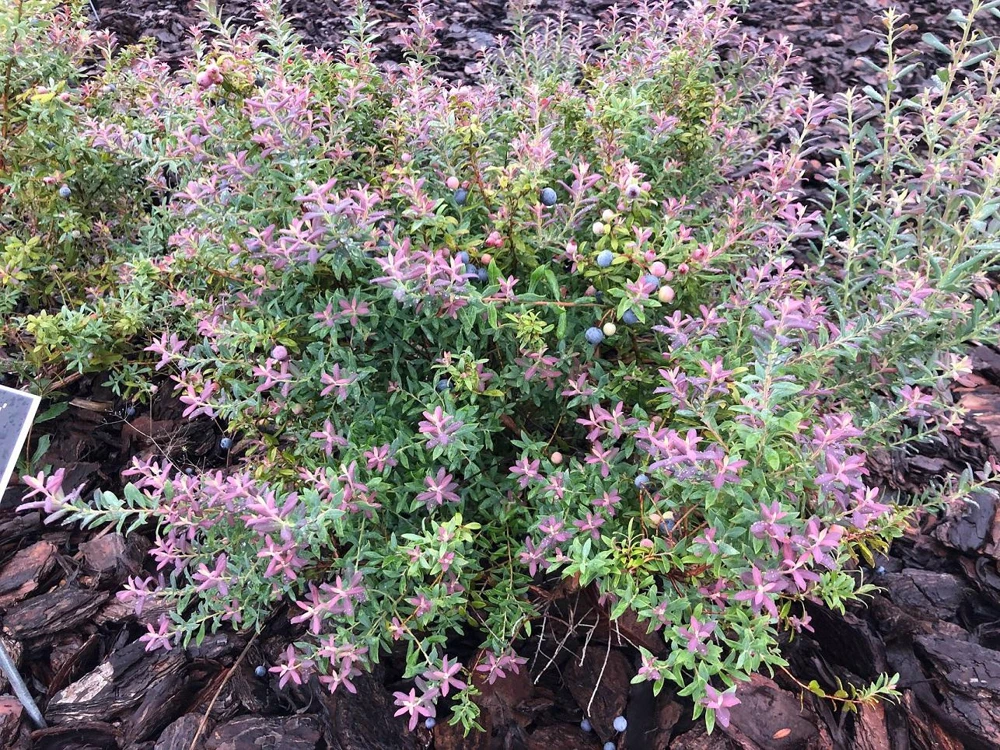
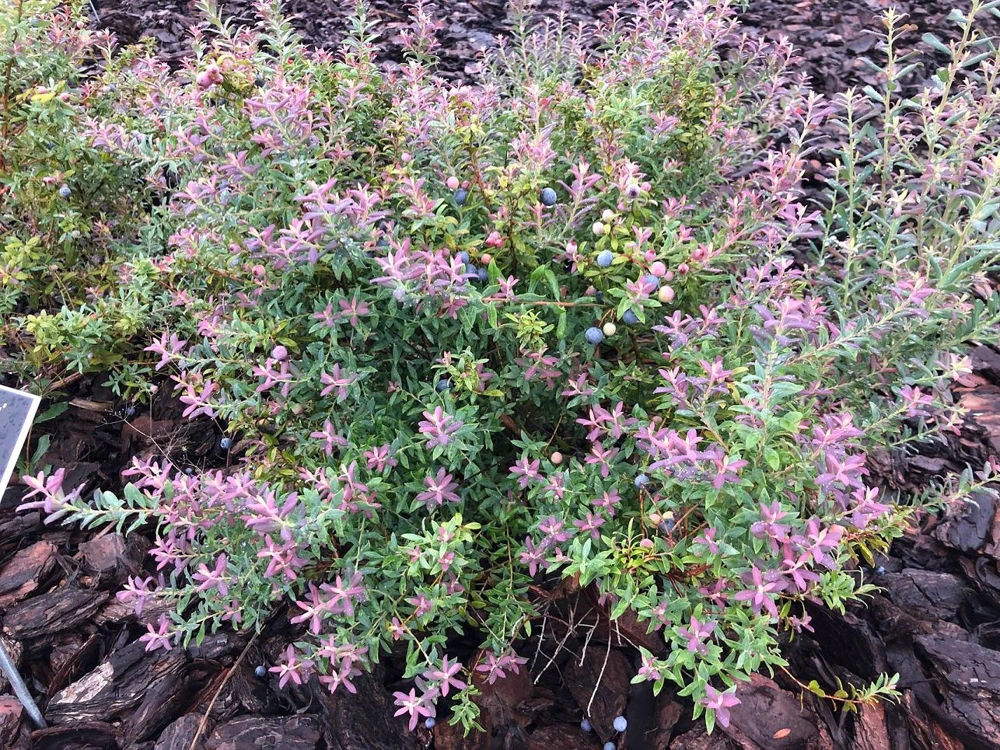
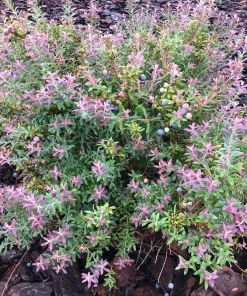
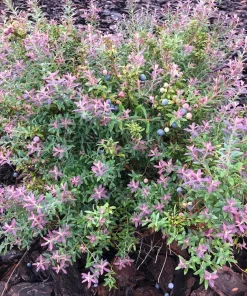
Cultivate a vibrant and productive garden with these 3 Darrow’s Native Blueberry starter plugs. Known scientifically as Vaccinium darrowii, this remarkable low-growing, evergreen shrub is indigenous to the southeastern United States, particularly Florida. It plays a crucial role in the development of many hybrid Southern highbush blueberry cultivars, making it a significant plant for both gardeners and agricultural enthusiasts. These starter plugs offer an excellent foundation for establishing a thriving blueberry patch, providing both ornamental beauty and delicious fruit. The Darrow native blueberry is a compact, mounded evergreen shrub, typically reaching a modest height and width of 1 to 3 feet, making it suitable for various garden designs and container planting.
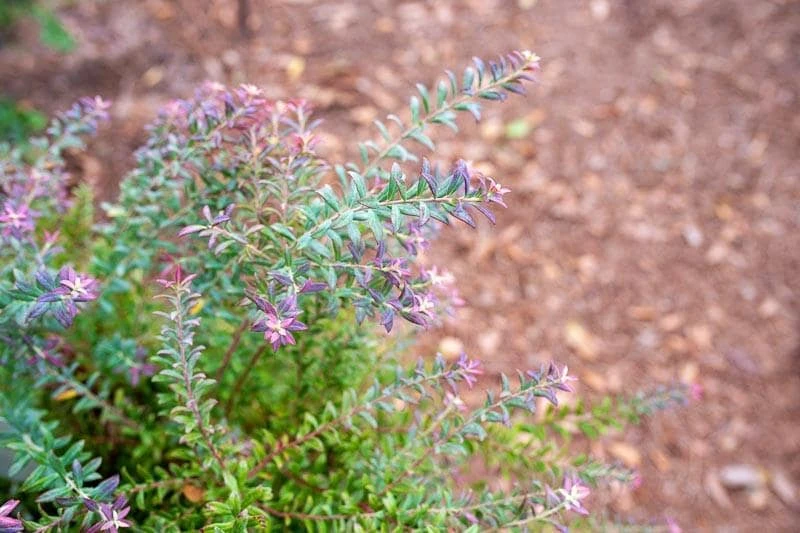
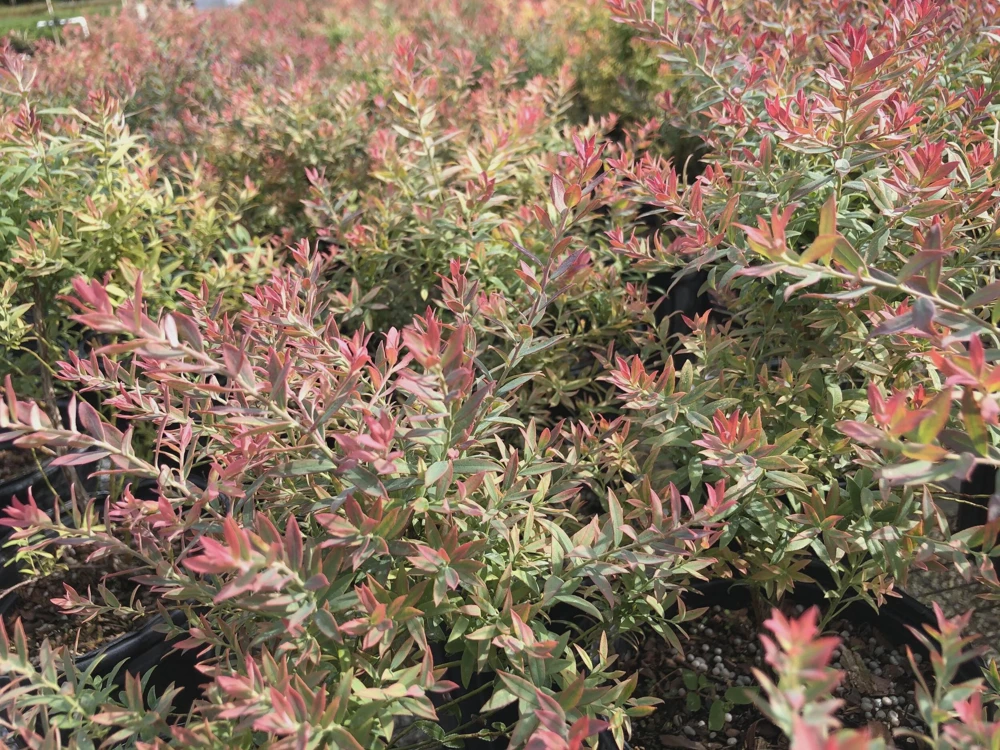
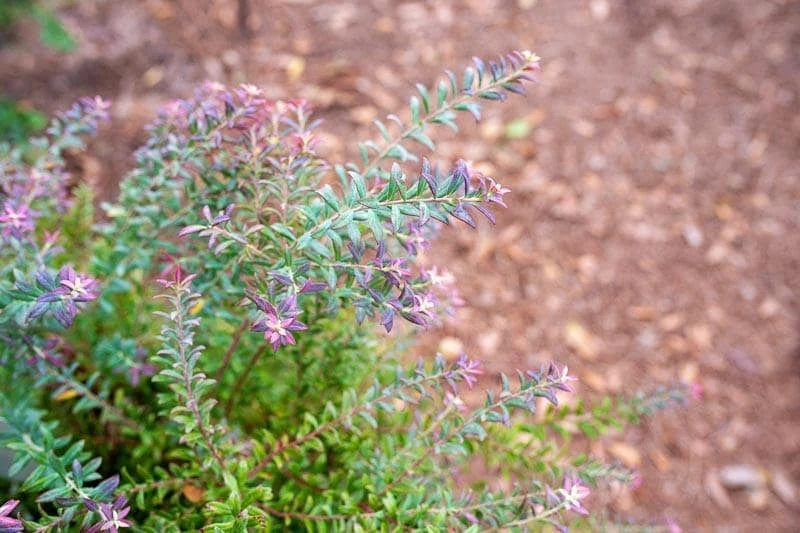
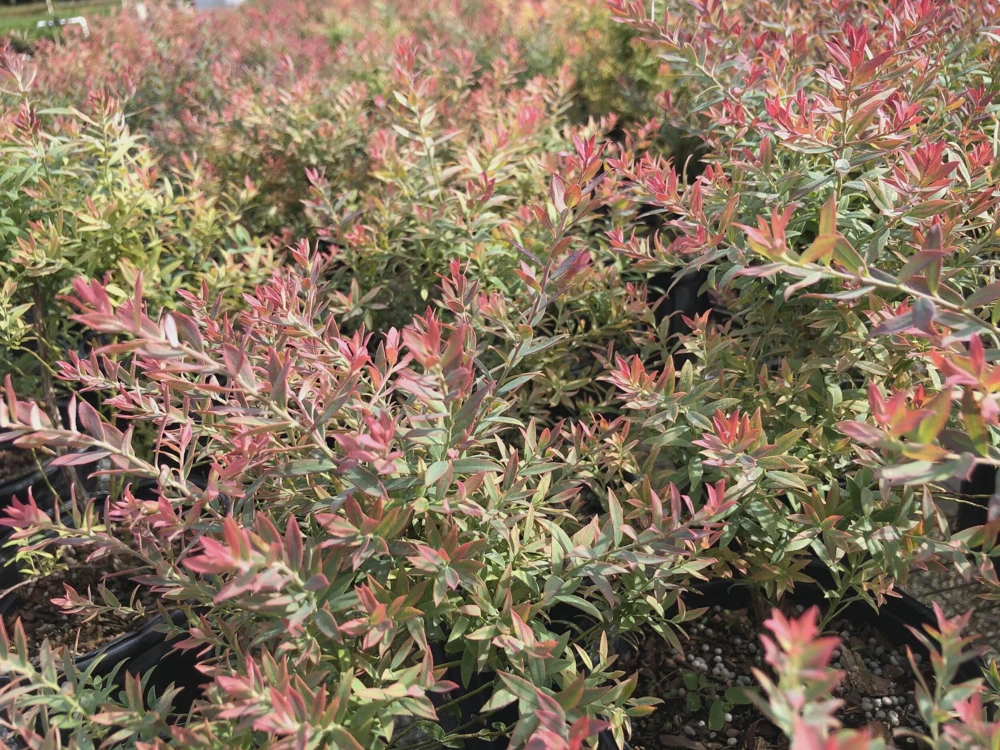
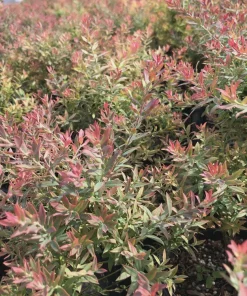
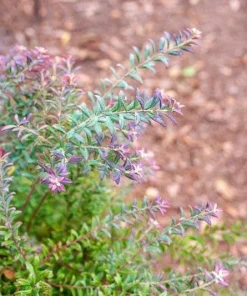
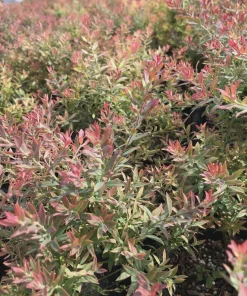
The appeal of the Darrow’s Native Blueberry extends beyond its fruit-bearing capabilities. Its foliage undergoes a captivating transformation throughout the seasons. New growth often emerges with an attractive purple or pinkish tint, gradually maturing into a distinct bluish-green hue. As autumn and winter approach, the leaves can deepen to a rich plum purple, adding year-round interest to your landscape. This plant is a fantastic choice for those looking to add a touch of native charm and ecological value to their outdoor spaces, providing food and habitat for local wildlife.
Key Benefits
Investing in Vaccinium darrowii brings numerous advantages to your garden and culinary endeavors. These plants are not only beautiful but also highly functional. Here are some of the key benefits:
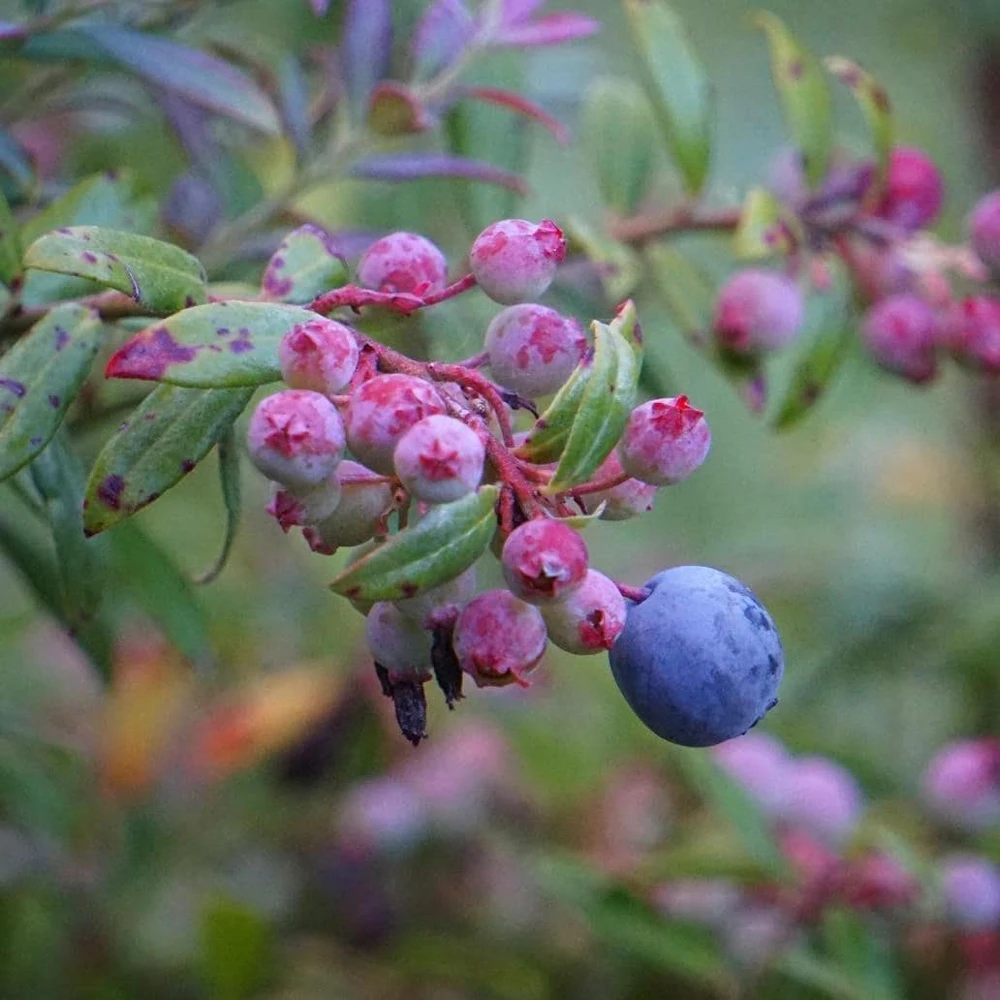
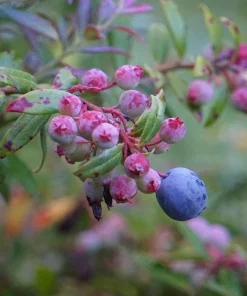
- Delicious, Healthy Fruit: Enjoy a harvest of small, sweet, and flavorful blueberries directly from your garden. Blueberries are packed with antioxidants and vitamins, offering a healthy snack or ingredient for various recipes. Growing your own ensures fresh, organic produce.
- Attractive Evergreen Foliage: The low-growing blueberry shrub maintains its leaves year-round, providing consistent greenery. Its seasonal color changes, from new purple-pink growth to mature bluish-green and winter plum purple, add dynamic visual interest to any landscape.
- Pollinator Magnet: The delicate flowers of the Darrow’s Native Blueberry attract essential pollinators like bees, enhancing the biodiversity of your garden and supporting local ecosystems. This makes your garden a haven for beneficial insects.
- Compact & Versatile Growth: With a mature size of 1-3 feet tall and wide, this shrub is ideal for small gardens, borders, ground cover, or container planting. Its compact nature makes it a perfect fit for various landscape designs without becoming overgrown.
- Native & Hardy: As a native species to the southeastern US, Vaccinium darrowii is well-adapted to its climate, often requiring less maintenance once established. Its inherent hardiness contributes to its longevity and vigor in appropriate zones.
- Foundation for Hybrid Cultivars: If you’re interested in plant breeding or simply appreciate horticultural significance, knowing that this species is a key parent in many Southern highbush blueberry cultivars adds an extra layer of appreciation for your plant.
- Low Maintenance: Once established, these blueberry starter plugs are relatively easy to care for, requiring consistent moisture and acidic soil. They are generally resistant to common pests and diseases, making them a gardener-friendly choice.
Plant Care & Growing Tips
Caring for your Darrow’s Native Blueberry plants is straightforward, especially when you understand their specific needs. These plants thrive in conditions that mimic their natural habitat. Proper care ensures vigorous growth, abundant fruit production, and vibrant foliage.
Sunlight Requirements:Vaccinium darrowii prefers full sun to partial shade. For optimal fruit production, aim for at least 6-8 hours of direct sunlight per day. In hotter climates, some afternoon shade can be beneficial to prevent leaf scorch. Ensure your planting location provides adequate light exposure throughout the day.
Watering Schedule and Soil Moisture: Blueberries require consistent moisture, particularly during dry spells and when fruit is developing. The soil should be kept evenly moist but never waterlogged. Overwatering can lead to root rot. A good rule of thumb is to water deeply when the top inch of soil feels dry to the touch. Using mulch around the base of the plant can help retain soil moisture and regulate soil temperature.
Soil Type and Drainage Requirements: The most crucial factor for successful blueberry cultivation is acidic, well-draining soil. The ideal pH range for Darrow’s Native Blueberry is between 4.5 and 5.5. If your soil is naturally alkaline, you may need to amend it with peat moss, elemental sulfur, or pine bark to lower the pH. Ensure good drainage to prevent water from sitting around the roots, as this can be detrimental to the plant’s health. Raised beds or containers are excellent options if your native soil is unsuitable.
Temperature Range and USDA Hardiness Zone: This species is native to the southeastern US, making it suitable for warmer climates. It is generally hardy in USDA Zones 7-10, though specific varieties might tolerate slightly different ranges. It requires some chill hours for fruit production but is more tolerant of warmer winters than Northern highbush varieties. Protect young plants from severe frost.
Fertilization Schedule and Type: Blueberries are sensitive to certain fertilizers. Use a fertilizer specifically formulated for acid-loving plants, such as azaleas or rhododendrons, or one designed for blueberries. Apply fertilizer in early spring as new growth begins and again after the fruit set. Avoid fertilizers containing nitrates, chlorides, or excessive amounts of nitrogen, which can harm the plant. Organic options like cottonseed meal or blood meal can also be beneficial.
Common Problems and Solutions: Watch out for common blueberry pests like birds (which love the fruit!) and occasional fungal diseases. Netting can protect berries from birds. Ensure good air circulation to prevent fungal issues. Yellowing leaves can indicate a pH imbalance or nutrient deficiency, so test your soil and adjust as needed. Overall, the native blueberry plants are quite robust when their basic needs are met.
Size & Details
These blueberry starter plugs provide a robust beginning for your garden. Each plug is a young, healthy plant ready for transplanting. Upon maturity, the Vaccinium darrowii typically grows into a compact, mounded evergreen shrub, reaching a height and width of 1 to 3 feet. This moderate size makes it an excellent choice for various landscaping applications, including borders, mass plantings, or even in larger containers on patios. The growth rate is moderate, allowing you to enjoy its development without excessive pruning.
The new foliage often displays an attractive purple or pinkish tinge, transitioning to a bluish-green as it matures. In the fall and winter, the leaves can turn a beautiful plum purple, adding seasonal color to your landscape. These plants ship as bare-root starter plugs, meaning they will arrive without a pot and with minimal soil around the roots, ready for immediate planting upon arrival. Expect fruit production to begin within 1-2 years after planting, with full production reached in 3-5 years, providing you with a steady supply of fresh, delicious blueberries.
Frequently Asked Questions
- Q: How big does this Darrow’s Native Blueberry plant get? A: The Darrow’s Native Blueberry typically grows to a compact size of 1 to 3 feet in both height and width, forming a mounded evergreen shrub. This makes it suitable for various garden spaces and container planting.
- Q: Is this an indoor or outdoor plant? A: This is primarily an outdoor plant, well-suited for garden beds, borders, and landscaping. While it can be grown in containers, it thrives best outdoors where it can receive adequate sunlight and chilling hours.
- Q: How much sunlight does Vaccinium darrowii need? A: For optimal growth and fruit production, Vaccinium darrowii requires at least 6-8 hours of direct sunlight per day. It can tolerate partial shade, especially in very hot climates, but full sun is preferred.
- Q: Is this plant easy to care for? A: Once established, these blueberry starter plugs are relatively low-maintenance, provided they are planted in acidic, well-draining soil and receive consistent moisture. They are a good choice for gardeners seeking a rewarding yet manageable fruit-bearing shrub.
- Q: What condition will the starter plugs arrive in? A: The starter plugs will ship bare root, meaning they will not be in a pot and will have minimal soil around their root systems. This method helps reduce shipping stress and is ideal for immediate planting.
- Q: When is the best time to plant Darrow’s Native Blueberry? A: The best time to plant is typically in early spring or fall, allowing the plant to establish its root system before extreme weather conditions. Ensure the soil is workable and not frozen.
- Q: What type of soil does this low-growing blueberry shrub prefer? A: This shrub absolutely requires acidic soil with a pH between 4.5 and 5.5. It also needs soil that is rich in organic matter and provides excellent drainage to prevent waterlogging.
- Q: How long until I can expect fruit from these native blueberry plants? A: You can typically expect your first harvest of blueberries within 1-2 years after planting. The plants will reach their full production potential in about 3-5 years.
- Q: Can I grow Darrow’s Native Blueberry in a container? A: Yes, due to its compact size, the Darrow’s Native Blueberry is well-suited for container gardening. Ensure the container is large enough, has good drainage, and is filled with an acidic potting mix.
- Q: Is this plant resistant to pests and diseases? A: As a native species, it generally exhibits good resistance to common pests and diseases when grown in suitable conditions. Maintaining proper cultural practices will further enhance its resilience.
Be the first to review “3 Darrow’s Native Blueberry Starter Plugs – Vaccinium darrowii – Live Bush & Shrub”
People Also Viewed
Reviews
There are no reviews yet.