
Canadian Columbine Flower Seeds – 100 Wild Aquilegia Canadensis
Original price was: $37.99.$17.99Current price is: $17.99.
Cultivate stunning native flowers with 100 Canadian Columbine seeds (Aquilegia Canadensis). These easy-to-grow seeds produce vibrant, bell-shaped blooms that are perfect for attracting hummingbirds and beneficial pollinators to your garden. Ideal for naturalized areas, woodland gardens, or adding a touch of wild beauty to borders.
Estimated arrival
Sep 18
Sep 23 - Sep 25
Sep 28 - Oct 02
Shop With Confidence
30-Day Plant Health Guarantee
Arrives damaged? We’ll replace it free — see our return policy.
Responsive Support
Email us anytime, we reply within 1 business day.
Expert Packaging
Temperature-controlled shipping to protect your plants in transit.
Secure Checkout
Pay safely with Visa, Mastercard, PayPal.
Plant Specifications
-
USDA Hardiness Zone
USDA Zones 3-8 -
Soil Type
Well-draining soil -
Sunlight Exposure
Partial shade to full sun -
Expected Planting Period
Late fall or early spring
Overview
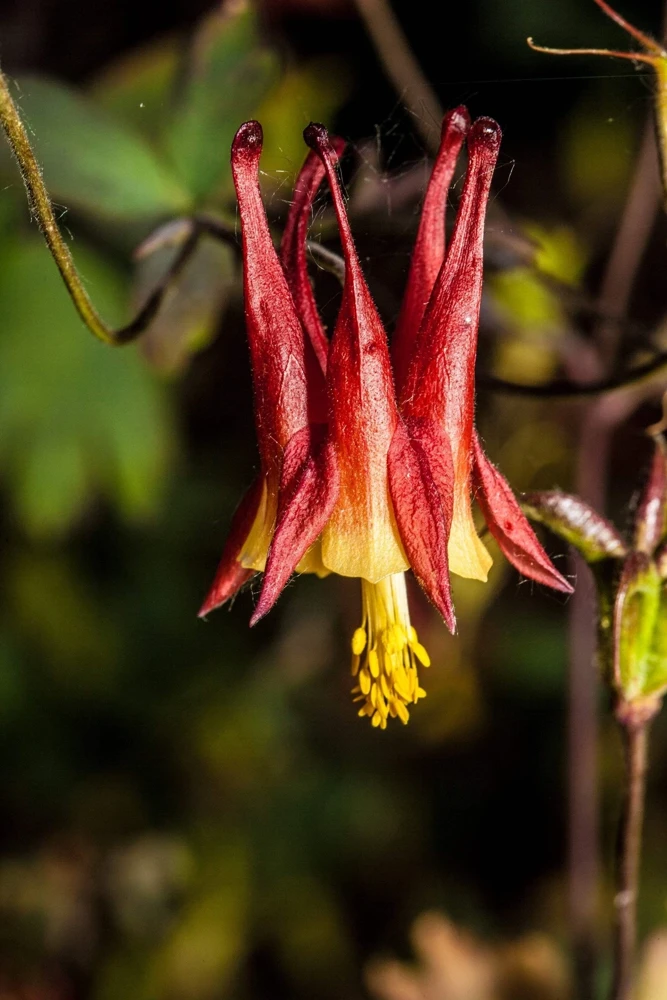
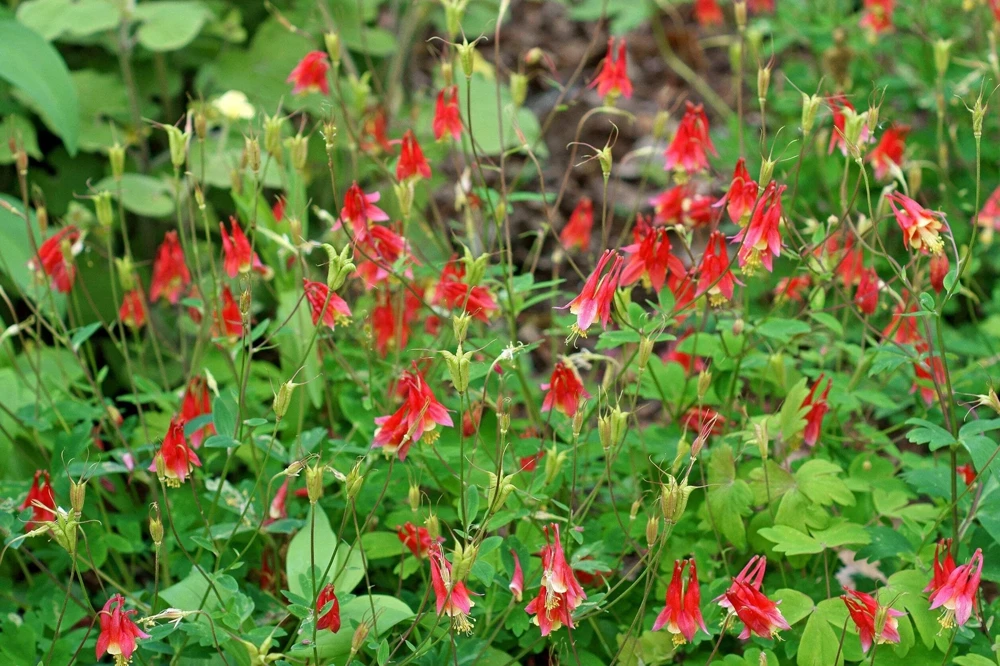
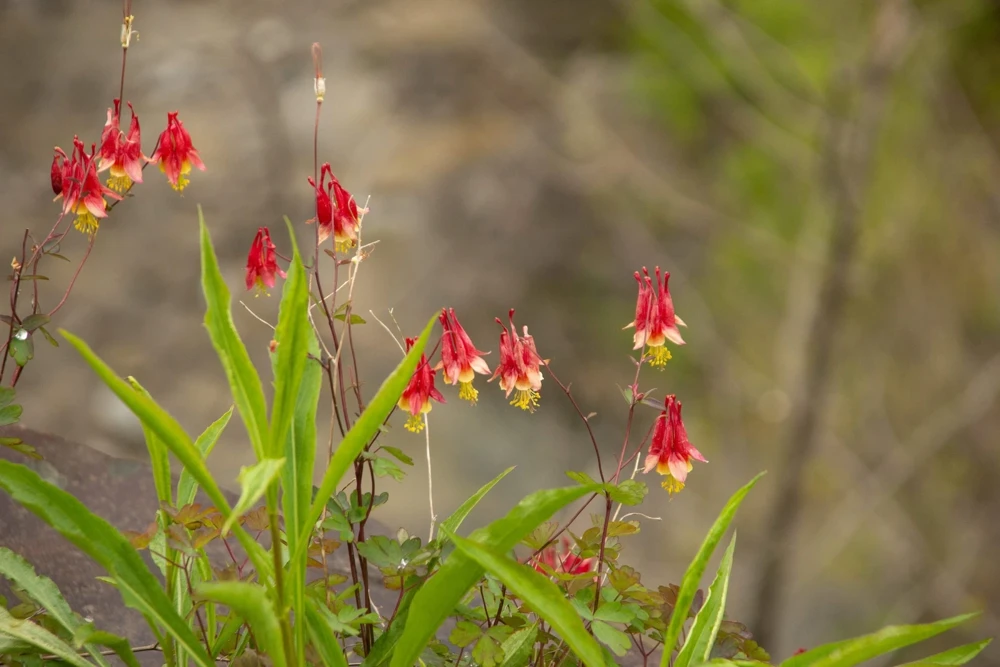
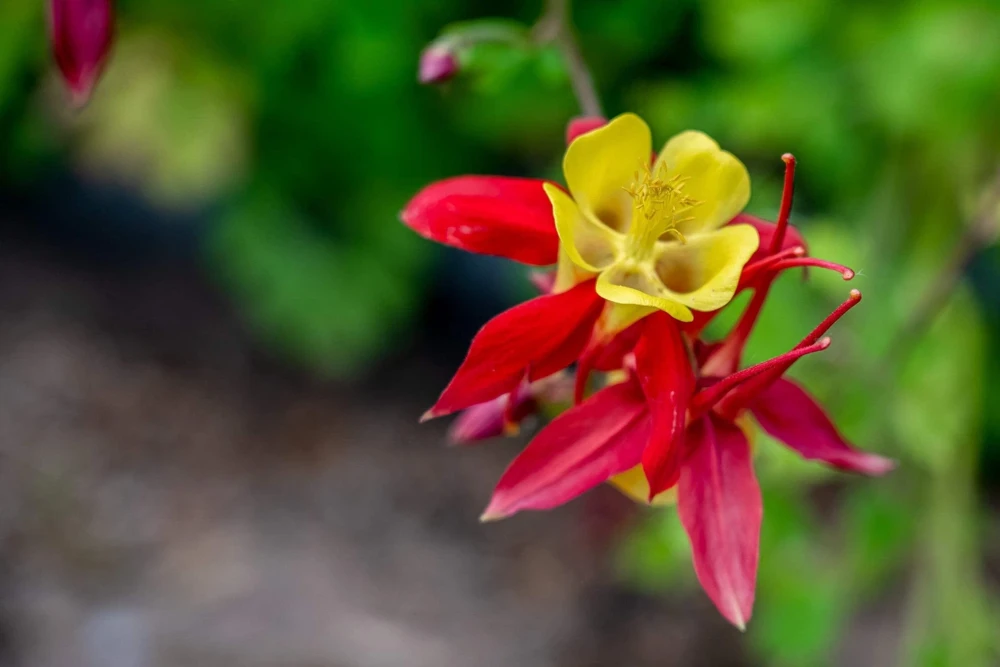
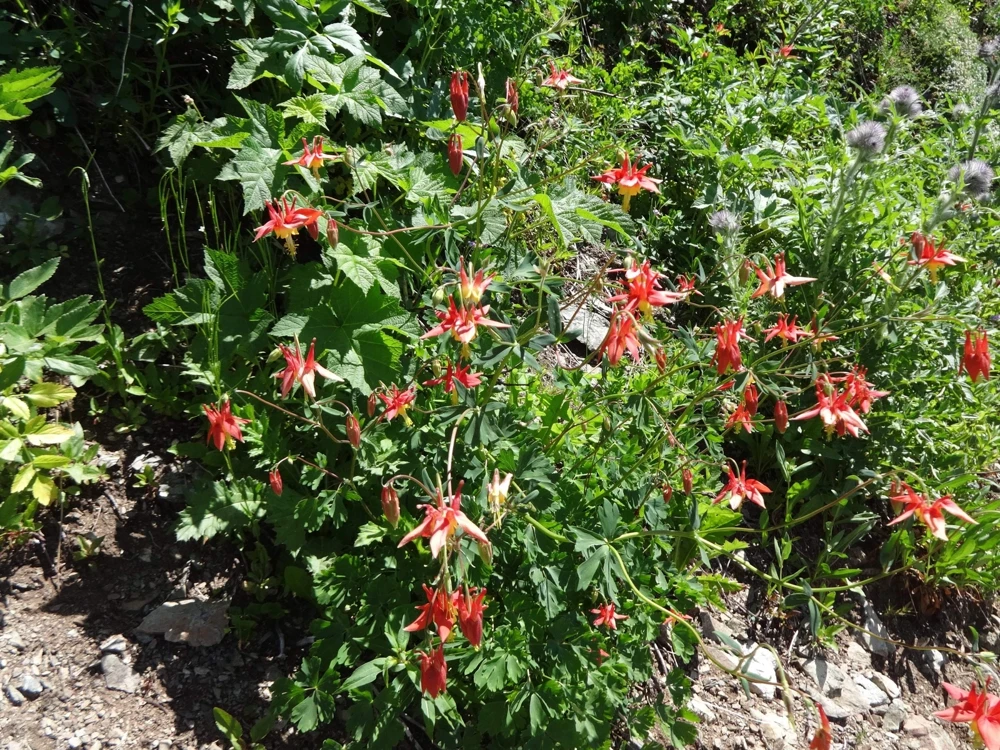
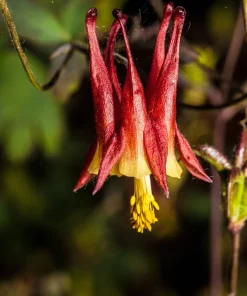
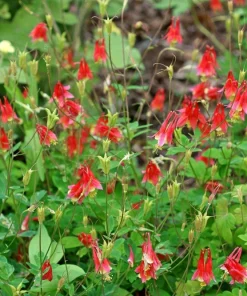
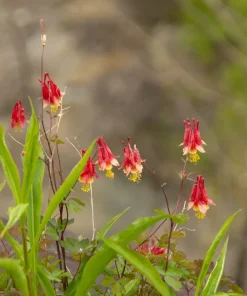
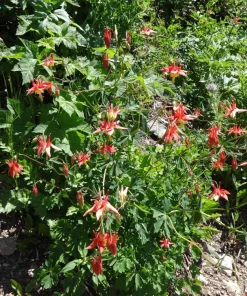
Bring the charm of native wildflowers to your garden with these premium Canadian Columbine seeds. Each packet contains 100 wild Aquilegia Canadensis flower seeds, allowing you to cultivate a beautiful display of unique, spurred blossoms. Known for their distinctive red and yellow flowers, Canadian Columbine is a resilient and enchanting perennial that thrives in a variety of conditions. This species, also commonly called Eastern Red Columbine, is a true North American native, offering both aesthetic appeal and ecological benefits. Perfect for naturalizing, rock gardens, or adding a vibrant splash of color to shaded borders, these seeds promise a rewarding growing experience for gardeners of all levels. Grow your own patch of these captivating wildflowers and enjoy their delicate beauty year after year.
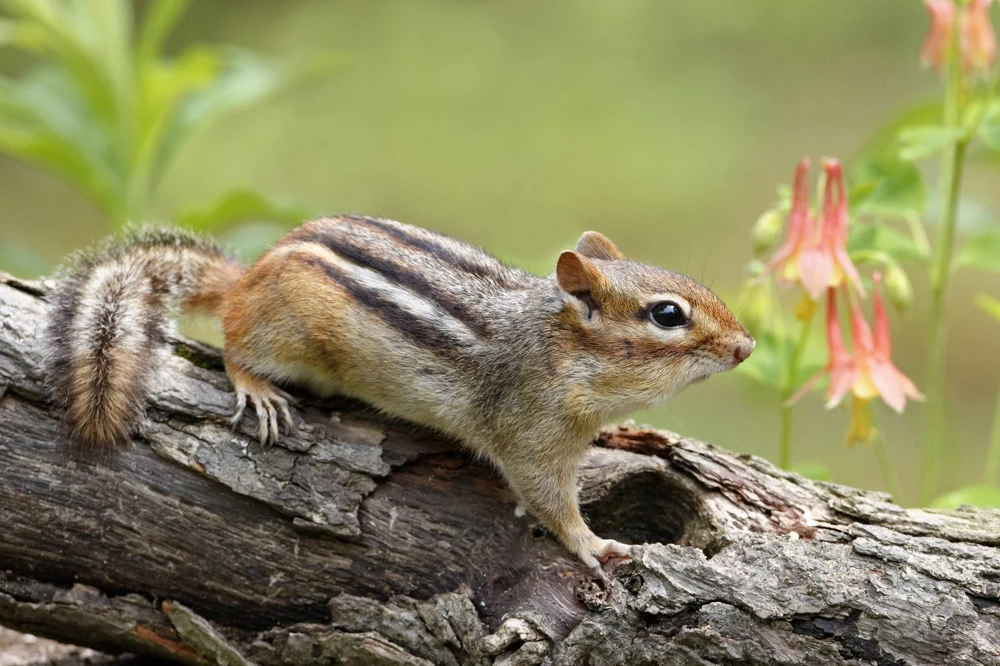
Aquilegia Canadensis seeds are an excellent choice for creating a wildlife-friendly garden. These adaptable plants are not only visually appealing but also play a vital role in supporting local ecosystems. By planting these wild columbine seeds, you contribute to biodiversity and provide essential resources for pollinators. Their unique flower structure makes them a favorite among hummingbirds, ensuring a lively and dynamic garden space.
Key Benefits
Planting Canadian Columbine seeds offers a multitude of advantages for both your garden and the environment. These native wildflowers provide a unique blend of beauty and ecological value, making them a superb addition to any landscape.
- Attracts Pollinators: The distinctive red and yellow flowers of Aquilegia Canadensis seeds are a magnet for hummingbirds, bees, and other beneficial insects, enhancing your garden’s biodiversity.
- Native and Resilient: As a native plant seeds variety, Canadian Columbine is well-adapted to North American climates, requiring less maintenance once established and contributing to local ecosystems.
- Unique and Showy Blooms: Enjoy intricate, spurred flowers that add an exotic yet natural touch to your garden, blooming profusely in spring and early summer.
- Deer and Rabbit Resistant: These plants are generally left alone by common garden pests like deer and rabbits, ensuring your beautiful blooms remain intact.
- Adaptable to Various Conditions: Thrives in a range of light conditions, from full sun to partial shade, making it versatile for different garden spots.
- Low Maintenance Perennial: Once established, Canadian Columbine requires minimal care, returning year after year to delight with its vibrant display.
- Erosion Control: Its fibrous root system can help stabilize soil on slopes and in naturalized areas, preventing erosion.
Plant Care & Growing Tips
Growing Canadian Columbine seeds is a straightforward and rewarding process. For best results, sow seeds directly outdoors in late fall or early spring. Cold stratification (a period of cold, moist conditions) is beneficial for germination. If sowing in spring, you can stratify seeds by mixing them with moist sand or peat moss in a plastic bag and refrigerating them for 3-4 weeks before planting. Plant seeds about 1/8 inch deep in well-draining soil. Lightly cover with soil and keep consistently moist until germination, which typically occurs in 2-4 weeks after stratification.
Once established, Aquilegia Canadensis is relatively low maintenance. It prefers well-draining soil and can tolerate a range of soil types, from sandy to clay, as long as drainage is adequate. For optimal growth, a slightly acidic to neutral pH is ideal. In terms of sunlight, Canadian Columbine performs best in partial shade, especially in hotter climates, but can also thrive in full sun if the soil remains consistently moist. In areas with intense summer heat, afternoon shade is highly recommended to prevent scorching. These plants are hardy in USDA Zones 3-8, capable of withstanding cold winters and returning reliably each spring.
Watering should be regular during dry spells, especially for young plants. Established plants are fairly drought-tolerant but will appreciate occasional watering during prolonged dry periods. Fertilization is generally not necessary in rich soil, but a light application of a balanced slow-release fertilizer in spring can encourage more vigorous growth and blooming. Deadhead spent flowers to encourage a second flush of blooms and prevent excessive self-seeding, or allow some to go to seed if you wish for the plants to naturalize. Watch out for common pests like leaf miners; prompt removal of affected leaves can help control infestations. These wild columbine seeds will develop into robust plants with proper care.
Size & Details
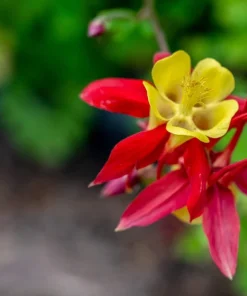
This product includes 100 Canadian Columbine seeds (Aquilegia Canadensis), providing a generous quantity for planting a significant area or sharing with fellow gardeners. Each seed has the potential to grow into a mature plant typically reaching a height of 1 to 3 feet (30-90 cm) and a spread of 1 to 1.5 feet (30-45 cm). The plants exhibit an upright, clumping growth habit, with delicate foliage and striking flower stalks. The unique bell-shaped flowers, approximately 1-2 inches long, feature prominent red sepals and spurs, with yellow petals, creating a captivating bi-color effect. These hummingbird flower seeds will mature into plants that typically bloom from mid-spring to early summer, providing a long season of interest.
The seeds are supplied as raw, untreated seeds, ideal for naturalistic planting. Germination can vary but is generally reliable with proper stratification. Expect the first blooms in the second year after planting, as Aquilegia Canadensis is a perennial that establishes its root system in the first season. These native plant seeds are perfect for creating a sustainable and vibrant garden space that supports local wildlife. The mature plants are known for their strong taproot, making them somewhat difficult to transplant once established, so choose your planting location wisely.
Frequently Asked Questions
- Q: How many Canadian Columbine seeds are included? A: This package contains 100 Canadian Columbine seeds, providing ample opportunity to grow a beautiful patch of these native wildflowers in your garden.
- Q: Is this an indoor or outdoor plant? A: Canadian Columbine (Aquilegia Canadensis) is primarily an outdoor plant, thriving in garden beds, borders, and naturalized areas. While it can be grown in containers, it is best suited for outdoor environments.
- Q: How much sunlight does Canadian Columbine need? A: These plants prefer partial shade, especially in warmer climates, but can tolerate full sun if the soil is kept consistently moist. In hot regions, afternoon shade is beneficial.
- Q: Is this plant easy to care for? A: Yes, once established, Aquilegia Canadensis is considered a low-maintenance perennial. It’s resilient and adapts well to various conditions, making it suitable for both experienced and novice gardeners.
- Q: What condition will the seeds arrive in? A: The seeds will arrive as raw, untreated seeds, ready for planting. They will be packaged to ensure their viability during transit.
- Q: When is the best time to plant Canadian Columbine seeds? A: The best time to sow wild columbine seeds is in late fall for natural cold stratification over winter, or in early spring after artificial cold stratification in your refrigerator.
- Q: How long until the plants bloom from seed? A: Canadian Columbine is a perennial, meaning it typically establishes its root system in the first year and begins to bloom in the second year after planting from seed.
- Q: Will it attract hummingbirds? A: Absolutely! The unique, spurred flowers of Canadian Columbine are a favorite nectar source for hummingbirds, making these hummingbird flower seeds an excellent choice for attracting them to your garden.
- Q: What USDA hardiness zone is this plant suitable for? A: Canadian Columbine is hardy in USDA Zones 3 through 8, capable of tolerating a wide range of winter temperatures.
- Q: What type of soil does Canadian Columbine prefer? A: It prefers well-draining soil and can adapt to various soil types, including sandy, loamy, or clay, as long as drainage is adequate. A slightly acidic to neutral pH is ideal.
Be the first to review “Canadian Columbine Flower Seeds – 100 Wild Aquilegia Canadensis”
People Also Viewed
Reviews
There are no reviews yet.