


2000 Alfalfa Medicago Sativa Seeds – Flower Plant Seeds for Garden
Original price was: $37.99.$17.99Current price is: $17.99.
Cultivate your garden with our high-quality alfalfa seeds. This pack contains 2000 Medicago Sativa seeds, perfect for growing nutrient-rich sprouts, enhancing soil as a cover crop, or establishing a forage crop. Easy to grow alfalfa for various uses.
Estimated arrival
Sep 17
Sep 22 - Sep 24
Sep 27 - Oct 01
Shop With Confidence
30-Day Plant Health Guarantee
Arrives damaged? We’ll replace it free — see our return policy.
Responsive Support
Email us anytime, we reply within 1 business day.
Expert Packaging
Temperature-controlled shipping to protect your plants in transit.
Secure Checkout
Pay safely with Visa, Mastercard, PayPal.
Plant Specifications
-
USDA Hardiness Zone
USDA zones 3-9 -
Soil Type
Well-draining loamy soil -
Sunlight Exposure
Full sun -
Expected Planting Period
Spring to early fall
Overview
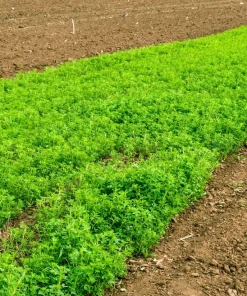
Discover the versatility and benefits of growing your own alfalfa seeds with this generous pack of 2000 Medicago Sativa seeds. Alfalfa, scientifically known as Medicago Sativa, is a highly valued perennial legume celebrated for its deep root system, which helps improve soil health and nutrient cycling. These seeds are an excellent choice for gardeners looking to grow alfalfa for a variety of purposes, from nutritious sprouts to effective cover crops. Whether you’re a seasoned gardener or just starting, these seeds provide a reliable way to cultivate this beneficial plant, known for its rapid growth and numerous applications.
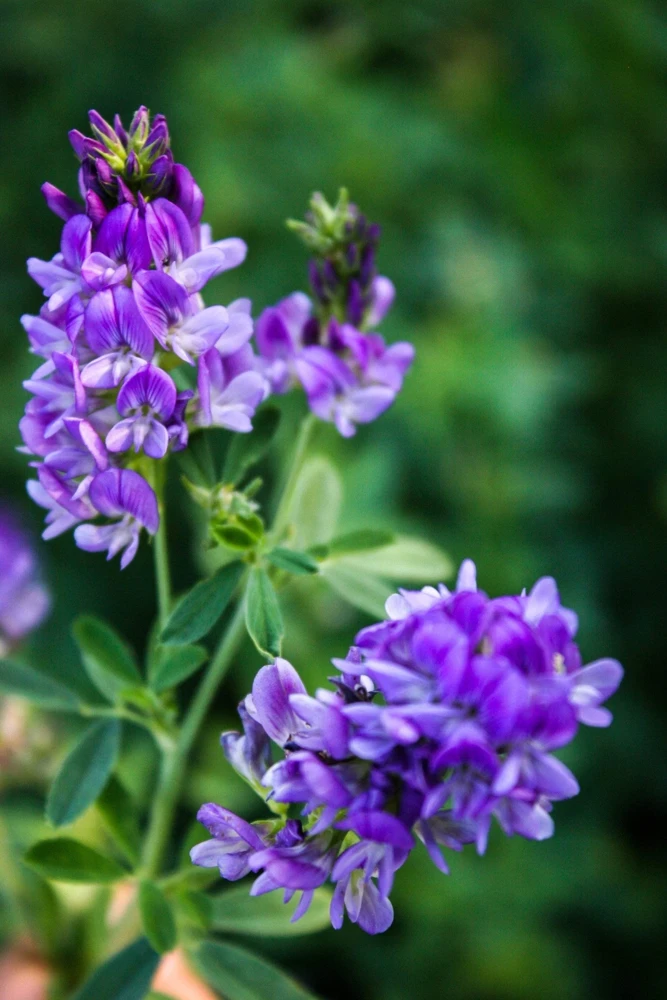
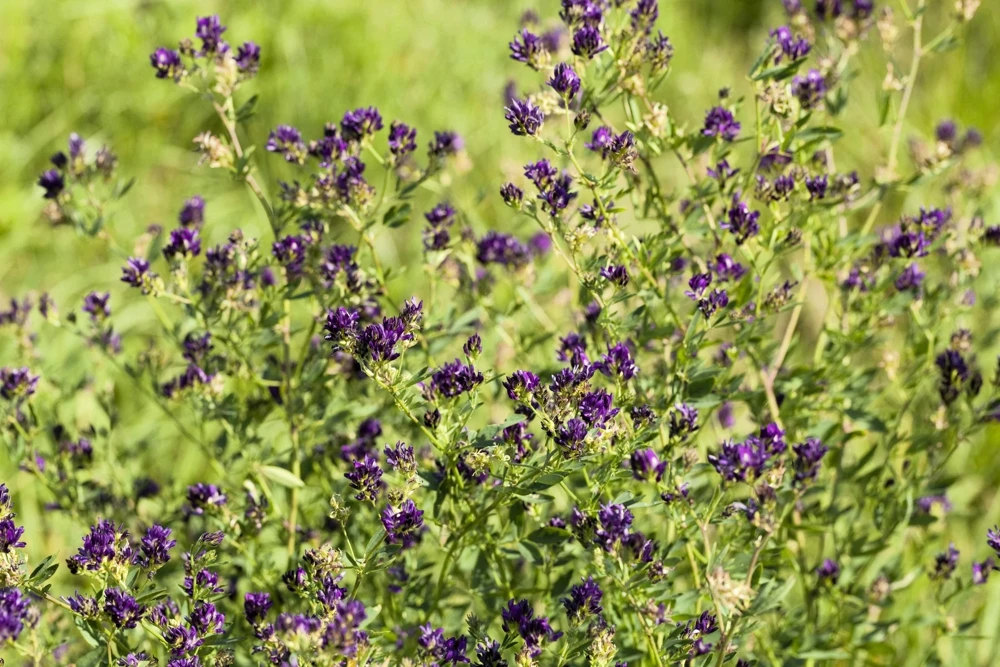
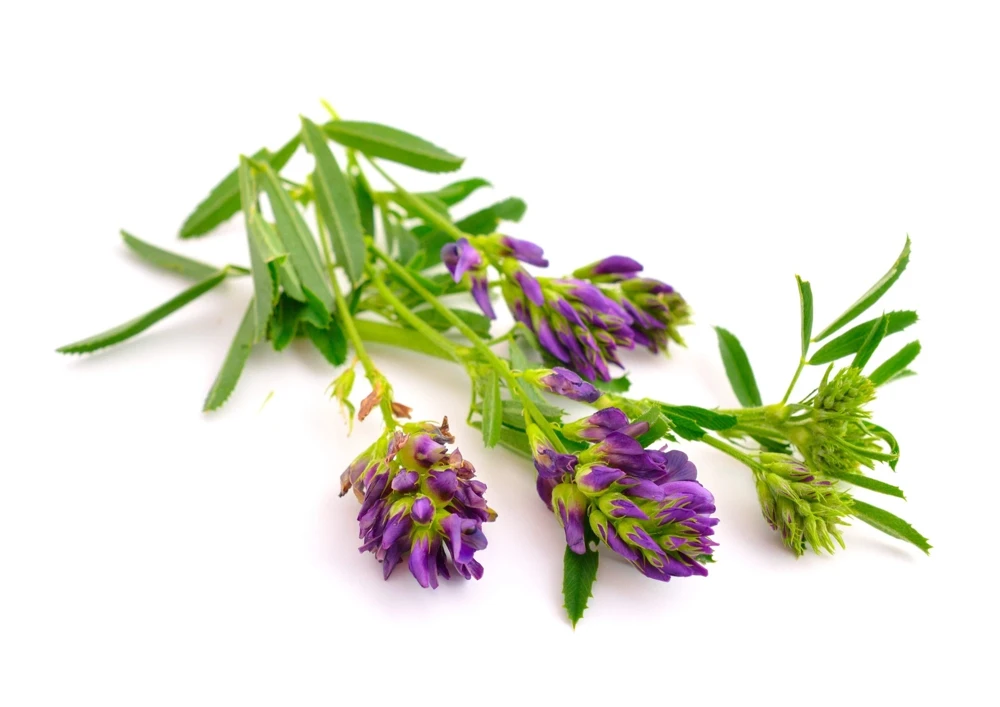
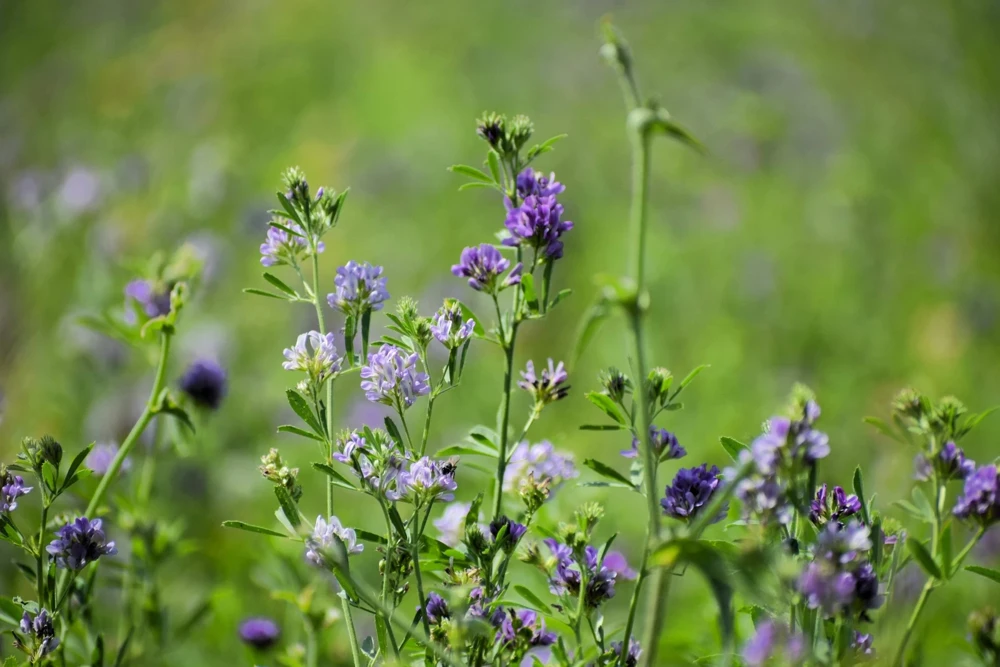
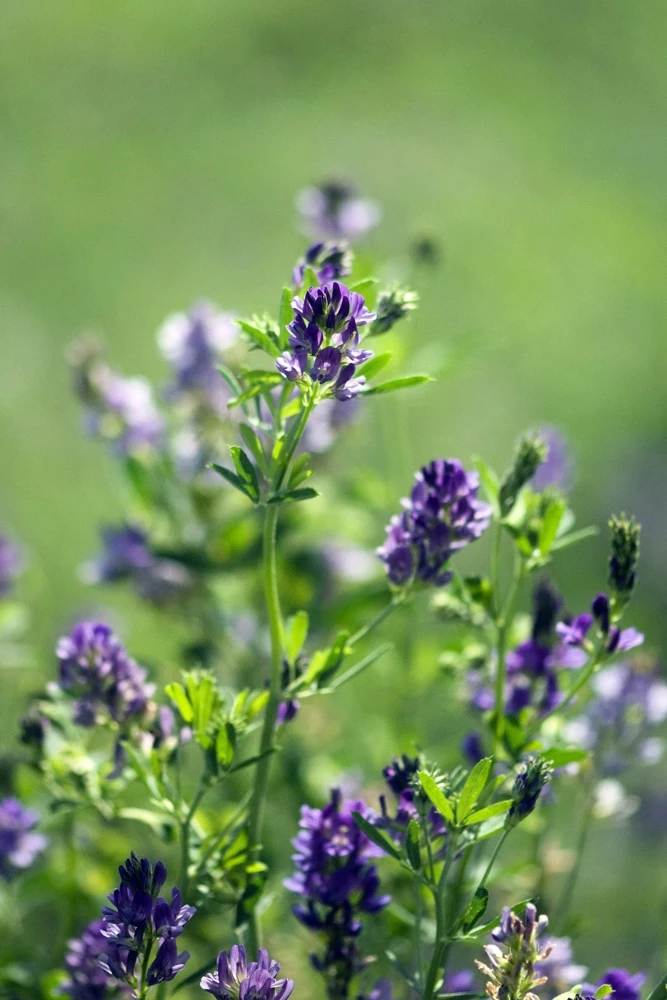
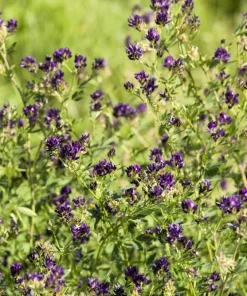
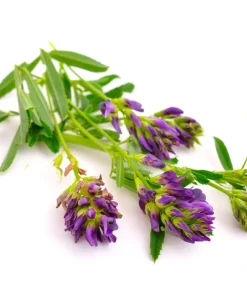
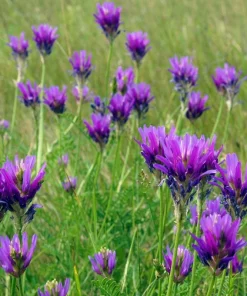
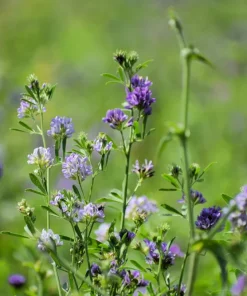
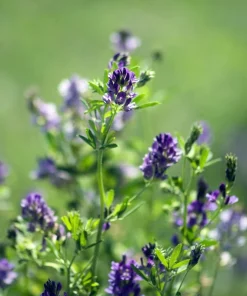
Our alfalfa seeds are selected for their viability and purity, ensuring a successful planting experience. Alfalfa is a robust plant that adapts well to various climates and soil conditions, making it a popular choice for sustainable gardening practices. Beyond its agricultural uses, alfalfa can also be grown for its delicate purple flowers, adding a touch of natural beauty to your garden space.
Key Benefits
Growing alfalfa seeds offers a multitude of advantages for both your garden and your diet. These seeds are incredibly versatile and provide significant value.
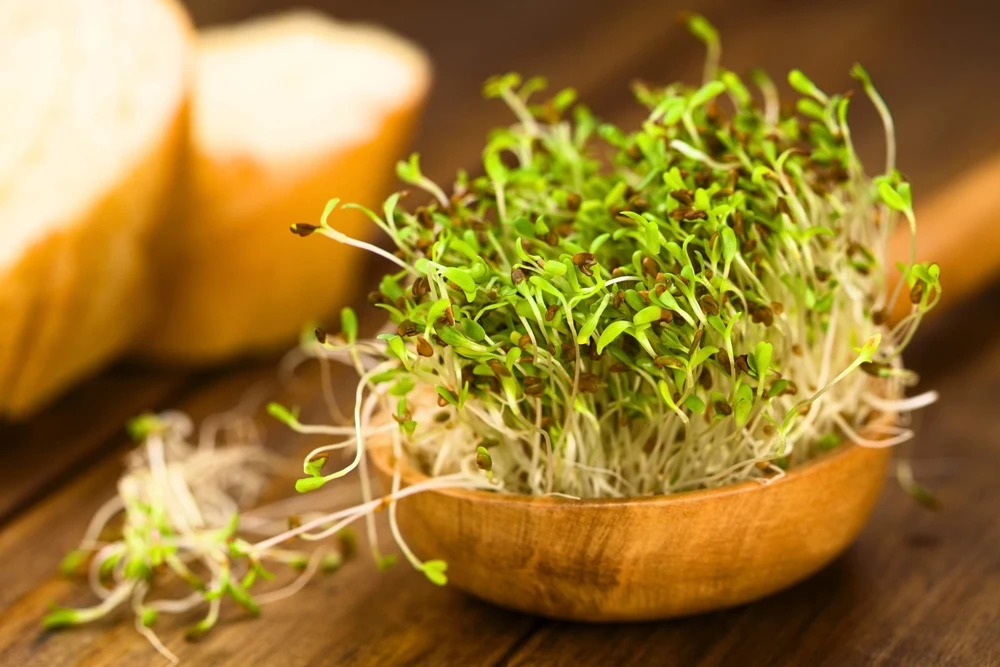
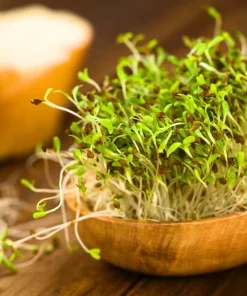
- Nutrient-Rich Sprouts: Enjoy fresh, healthy alfalfa sprouts packed with vitamins, minerals, and protein. They are an excellent addition to salads, sandwiches, and smoothies, offering a crisp texture and mild flavor. Growing your own sprouts ensures freshness and quality.
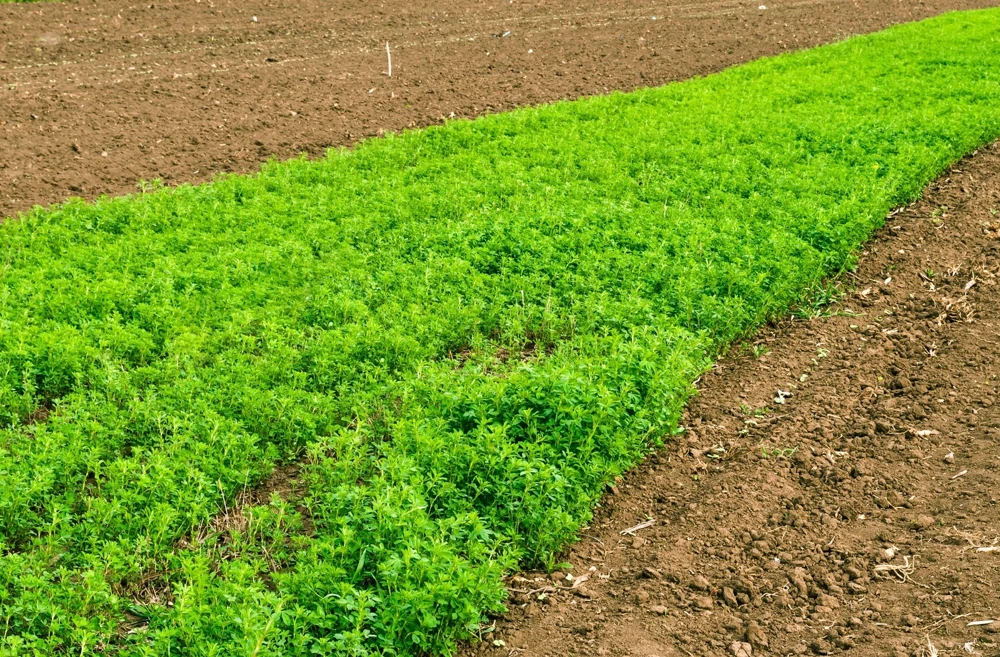
- Soil Improvement: As a leguminous plant, alfalfa is a natural nitrogen fixer. Planting these Medicago Sativa seeds as a alfalfa cover crop helps enrich your soil with essential nutrients, improving its structure and fertility for subsequent plantings. This reduces the need for synthetic fertilizers.
- Erosion Control: The deep and extensive root system of alfalfa plants helps stabilize soil, preventing erosion from wind and rain. This is particularly beneficial for sloped areas or gardens with loose soil.
- Forage for Livestock: Alfalfa is a highly nutritious forage crop for various livestock, including cattle, horses, and poultry. It provides a rich source of protein and fiber, contributing to animal health and productivity.
- Attracts Pollinators: The small, purple flowers produced by alfalfa plants are attractive to beneficial pollinators such as bees, helping to support local ecosystems and improve fruit and vegetable yields in your garden.
- Drought Tolerance: Once established, alfalfa plants are relatively drought-tolerant due to their deep root systems, making them a resilient choice for regions with limited water resources.
- Weed Suppression: A dense stand of alfalfa can effectively suppress weed growth, reducing the need for manual weeding and chemical herbicides in your garden beds.
Plant Care & Growing Tips
To successfully grow alfalfa from your alfalfa seeds, proper care and attention to growing conditions are essential. Alfalfa thrives in full sun, requiring at least 6-8 hours of direct sunlight per day for optimal growth. Choose a location in your garden that receives ample light throughout the day. It prefers well-draining soil with a pH between 6.5 and 7.5. Before planting, prepare the soil by removing weeds and loosening it to a depth of 6-8 inches. Incorporating some organic matter can further improve soil structure and fertility.
Watering is crucial during the establishment phase. Keep the soil consistently moist but not waterlogged until the seedlings are well-established. Once mature, alfalfa is relatively drought-tolerant, but regular watering during dry spells will promote healthier growth and better yields. Fertilization is generally not heavily required due to alfalfa’s nitrogen-fixing abilities, especially if grown as an alfalfa cover crop. However, a soil test can help determine if phosphorus or potassium supplements are needed. Alfalfa is hardy in USDA zones 3-9. While generally robust, monitor for common pests like aphids and diseases such as powdery mildew, addressing them promptly with organic pest control methods if they arise. Proper spacing of your Medicago Sativa seeds will ensure good air circulation and reduce disease risk.
Size & Details
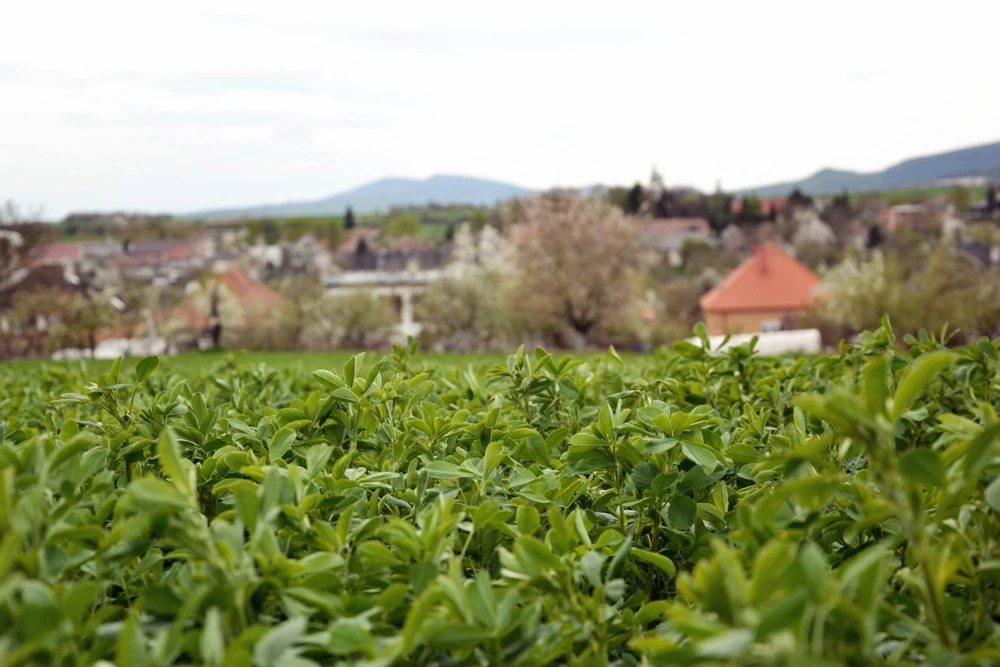
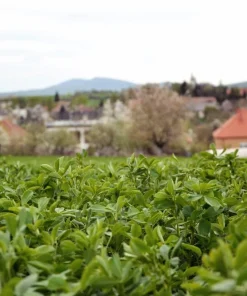
This product includes 2000 high-quality alfalfa seeds, providing a substantial quantity for various planting projects. When mature, alfalfa plants typically reach a height of 1 to 3 feet, forming a dense, leafy canopy. The growth rate is relatively fast, with sprouts ready for harvest in just 4-7 days and mature plants developing over a few weeks to months, depending on growing conditions and purpose. These seeds are suitable for both small home gardens and larger cultivation areas, offering flexibility for your gardening needs. The seeds arrive in a protective packet, ensuring their viability until planting. Expect multiple cuttings from established plants, especially when grown for forage or cover cropping.
Frequently Asked Questions
- Q: How many Alfalfa seeds are included in this pack? A: This pack contains 2000 high-quality alfalfa seeds, providing ample supply for various gardening and sprouting projects.
- Q: Is this an indoor or outdoor plant? A: While alfalfa is primarily an outdoor plant for gardens and fields, the alfalfa sprouts can be easily grown indoors year-round, making it versatile for different growing environments.
- Q: How much sunlight do Alfalfa plants need? A: Alfalfa thrives in full sun, requiring at least 6-8 hours of direct sunlight per day for optimal growth, especially when grown outdoors.
- Q: What condition will the seeds arrive in? A: The Medicago Sativa seeds will arrive in a well-sealed packet, ensuring their freshness and viability for planting.
- Q: Can I use Alfalfa for making sprouts? A: Yes, these alfalfa seeds are excellent for growing nutritious alfalfa sprouts, which are a popular addition to healthy meals.
- Q: When is the best time to plant Alfalfa seeds? A: The best time to plant alfalfa seeds is typically in early spring or late summer/early fall, when soil temperatures are conducive to germination.
- Q: What type of soil is best for growing Alfalfa? A: Alfalfa prefers well-draining soil with a neutral to slightly alkaline pH (6.5-7.5). Good soil preparation is key to successful growth.
- Q: How long does it take for Alfalfa sprouts to be ready for harvest? A: Alfalfa sprouts are typically ready for harvest in about 4-7 days after germination, depending on temperature and growing conditions.
- Q: Will these Alfalfa seeds work as an alfalfa cover crop? A: Absolutely! These Medicago Sativa seeds are an excellent choice for an alfalfa cover crop, improving soil health and suppressing weeds.
- Q: Is this Alfalfa suitable for animal forage? A: Yes, this variety of alfalfa seeds is suitable for growing high-quality forage for various livestock due to its high nutritional value.
Be the first to review “2000 Alfalfa Medicago Sativa Seeds – Flower Plant Seeds for Garden”
People Also Viewed

Reviews
There are no reviews yet.