


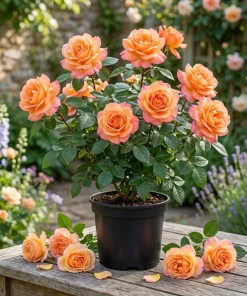



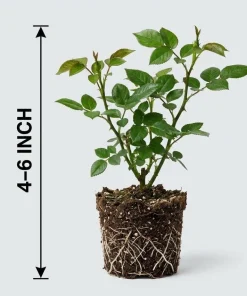
Tahitian Sunset Rose Bush Live Plant – Fragrant Heirloom Climbing Rose 4-6″ Tall Outdoor
Original price was: $58.99.$33.99Current price is: $33.99.
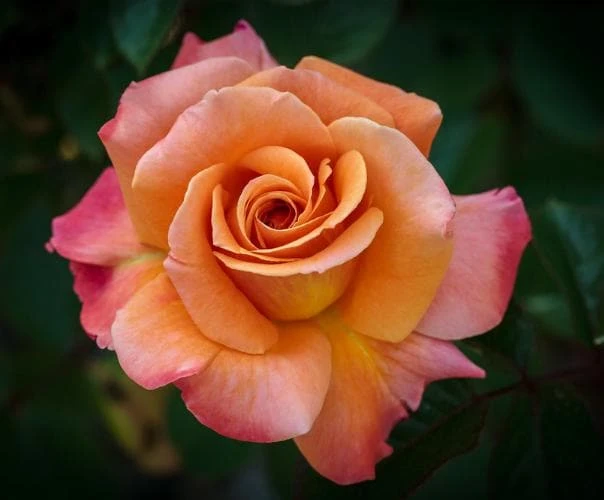
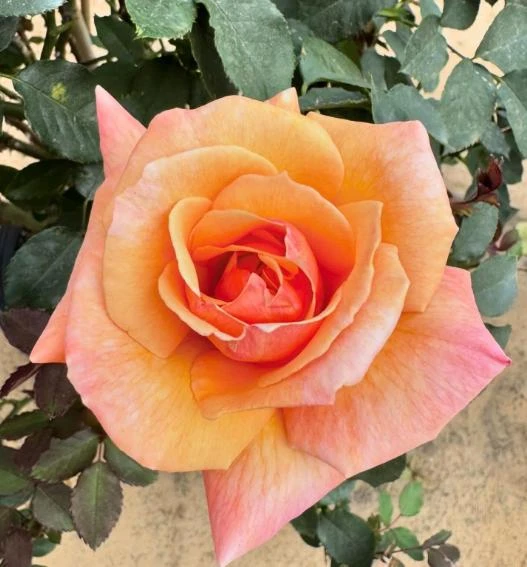
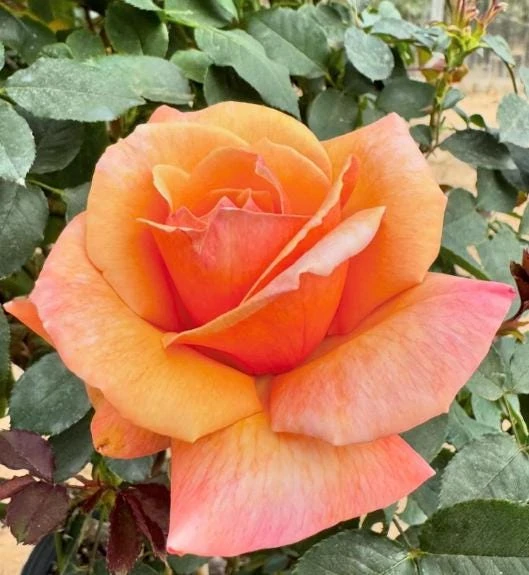
Bring tropical beauty to your garden with the Tahitian Sunset Rose Bush. This vigorous fragrant rose plant produces stunning, multi-hued blooms resembling a vibrant sunset, perfect for outdoor landscapes. Enjoy its continuous flowering from spring to fall.
Estimated arrival
Oct 14
Oct 19 - Oct 21
Oct 24 - Oct 28
Shop With Confidence
30-Day Plant Health Guarantee
Arrives damaged? We’ll replace it free — see our return policy.
Responsive Support
Email us anytime, we reply within 1 business day.
Expert Packaging
Temperature-controlled shipping to protect your plants in transit.
Secure Checkout
Pay safely with Visa, Mastercard, PayPal.
Plant Specifications
-
USDA Hardiness Zone
6 to 10 -
Soil Type
Well-draining, fertile soil -
Sunlight Exposure
Full sun -
Expected Planting Period
Spring to fall (blooming season)
Overview
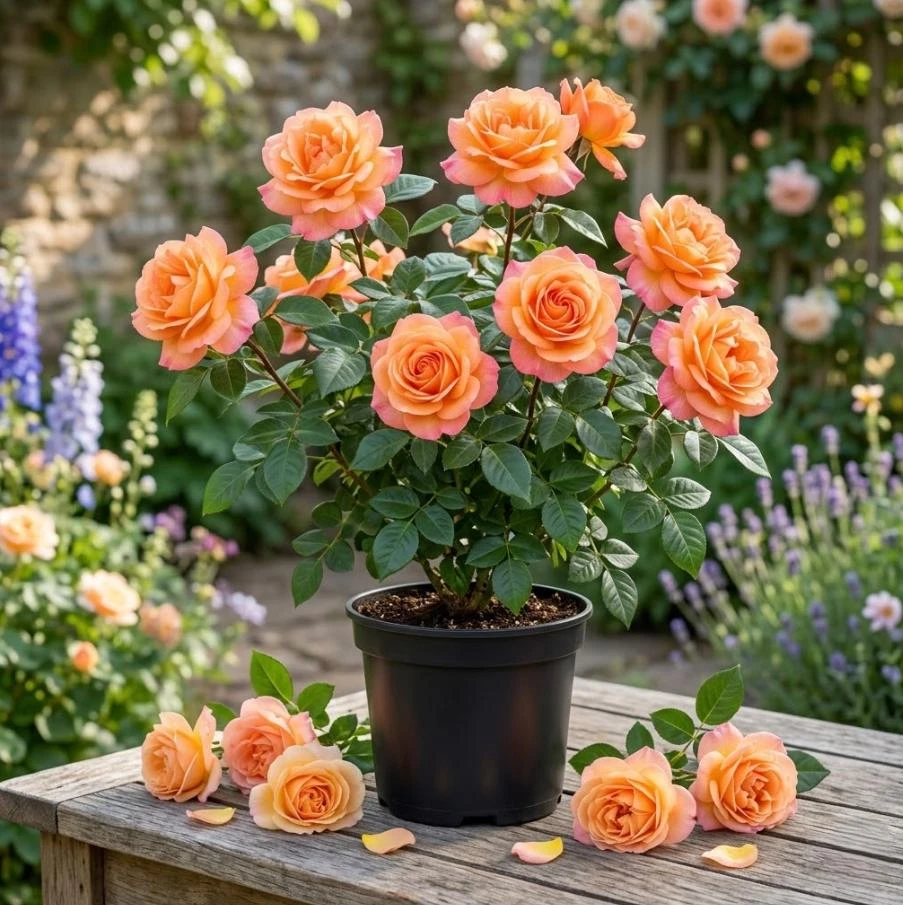
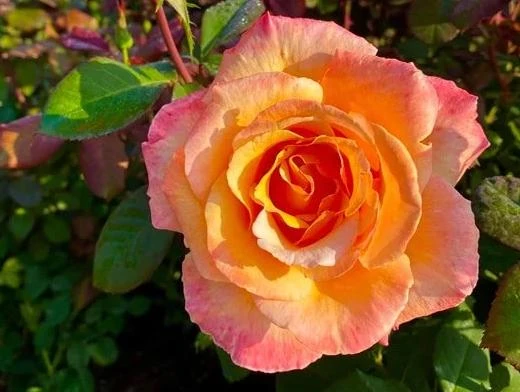
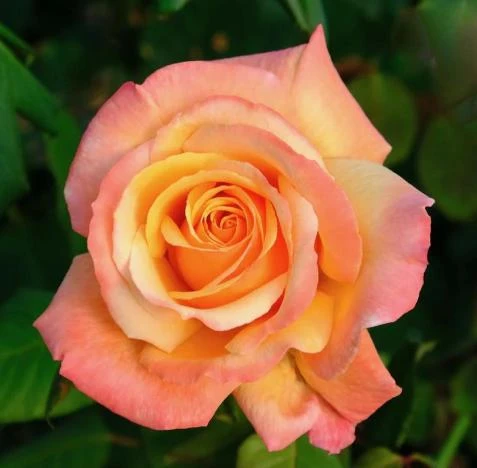
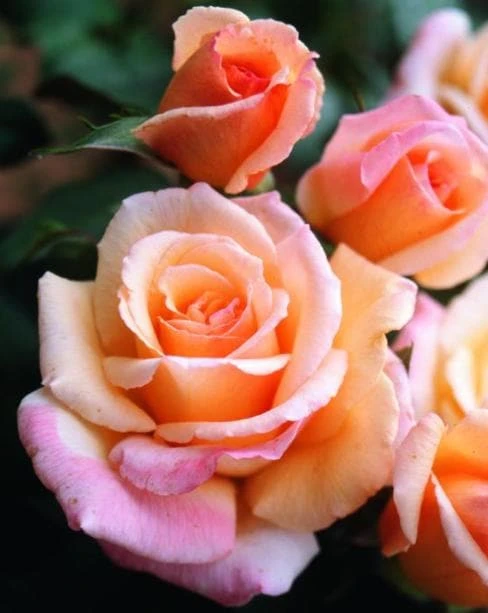
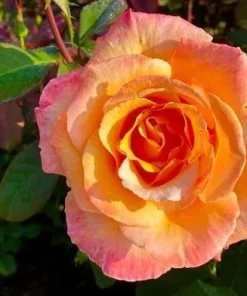
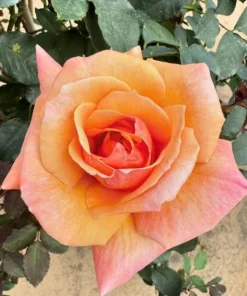
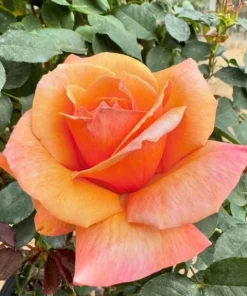
Transform your outdoor space into a vibrant paradise with the exquisite Tahitian Sunset Rose Bush. This live plant is celebrated for its spectacular, large, and ruffled blooms that artfully blend shades of apricot, coral, pink, and golden yellow, truly capturing the essence of a tropical sunset. As an heirloom climbing rose, it offers both vigorous growth and a delightful, light fragrance that will enchant any garden enthusiast. Ideal for adding a splash of continuous color and captivating aroma, this rose bush thrives in a variety of garden settings, making it a standout feature in borders, as a focal point, or trained on a trellis. Its robust nature ensures a rewarding gardening experience, providing beauty and charm throughout the growing season.
The Tahitian Sunset Rose Bush is a testament to nature’s artistry, offering a dynamic display of color that shifts with the light. Its glossy green foliage provides a perfect backdrop, making the vibrant blooms pop even more. This resilient plant is suitable for gardeners looking for both aesthetic appeal and ease of care, promising a continuous show of its unique, fragrant flowers. Whether you’re an experienced gardener or just starting, this rose will bring joy and a touch of exotic elegance to your landscape.
Key Benefits
The Tahitian Sunset Rose Bush offers a multitude of advantages for any garden. Its exceptional qualities make it a popular choice for those seeking both beauty and performance in their outdoor plants.
- Stunning Visual Appeal: Enjoy large, ruffled blooms that showcase a breathtaking blend of apricot, coral, pink, and golden yellow, creating a dynamic ‘tropical sunset rose’ effect that continuously captivates the eye.
- Delightful Fragrance: The flowers emit a light, pleasant fragrance that adds an extra sensory dimension to your garden, enhancing relaxation and enjoyment.
- Extended Bloom Season: This rose bush blooms repeatedly from spring through fall, ensuring a long period of vibrant color and beauty in your landscape.
- Vigorous Growth Habit: Known for its robust and upright growth, the Tahitian Sunset Rose Bush quickly establishes itself, making it an excellent choice for creating impressive garden displays.
- Versatile Landscaping Use: Perfect for garden beds, as a specimen plant, or even trained as an heirloom climbing rose, it adapts well to various garden designs and purposes.
- Attractive Foliage: The glossy green leaves provide a beautiful contrast to the colorful blooms, maintaining visual interest even when the plant is not in full flower.
- Resilient and Adaptable: Suitable for USDA Zones 6 to 10, this outdoor rose bush is a hardy choice that can thrive in a wide range of climates with proper care.
Plant Care & Growing Tips
Caring for your Tahitian Sunset Rose Bush is straightforward, ensuring a season full of beautiful blooms. This fragrant rose plant thrives best when its basic needs are met consistently. For optimal growth and flowering, select a location that receives full sun, meaning at least 6 hours of direct sunlight per day. Adequate light is crucial for producing abundant and vibrant ‘tropical sunset rose’ blooms. Ensure the soil is well-draining and fertile; amending with compost or other organic matter before planting can greatly improve soil structure and nutrient content. Avoid heavy, waterlogged soils, as roses are susceptible to root rot.
When it comes to watering, maintain consistent moisture, especially during dry spells and the blooming season. The soil should be kept evenly moist but never saturated. Deep watering encourages strong root development. Fertilize regularly during the growing season with a balanced rose-specific fertilizer, following package instructions. Pruning is essential for maintaining the shape of your Tahitian Sunset Rose Bush and encouraging new growth and blooms. Remove spent flowers (deadhead) to promote continuous flowering and prune in late winter or early spring to remove dead or weak canes and shape the plant. This care routine will help your heirloom climbing rose flourish.
Protect your ‘outdoor rose bush’ during colder months in USDA Zones 6 with proper winterization techniques, such as mounding soil or mulch around the base of the plant. Monitor for common rose pests and diseases, addressing them promptly with appropriate organic or chemical treatments. Good air circulation around the plant can help prevent fungal issues. With these dedicated care practices, your Tahitian Sunset Rose Bush will reward you with seasons of stunning, fragrant flowers.
Size & Details
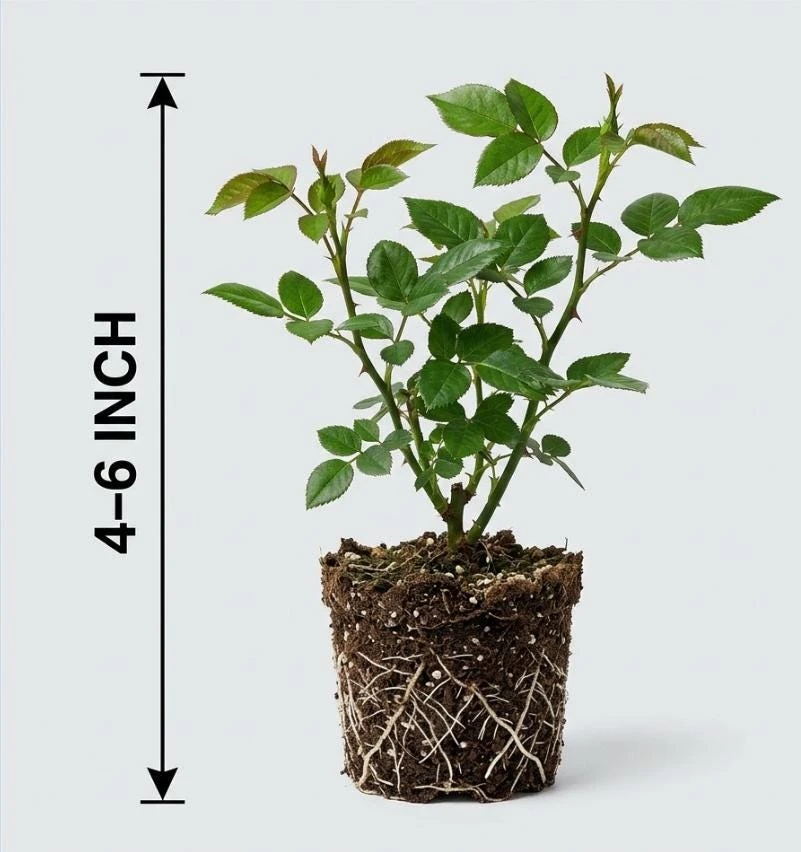
You will receive one Tahitian Sunset Rose Bush live plant, typically measuring 4-6 inches tall at the time of shipment. This vigorous fragrant rose plant is a young, healthy specimen ready to establish itself in your garden. It is shipped without a pot, as a bare root or carefully packaged with minimal soil to ensure safe transit and reduce shipping stress. Upon arrival, it should be planted promptly to encourage successful establishment and growth. Expect this heirloom climbing rose to mature into an upright shrub, reaching an average height of 4-6 feet and a spread of 3-4 feet, depending on growing conditions and pruning practices.
The ‘tropical sunset rose’ blooms are large and ruffled, appearing repeatedly from spring to fall. Its ideal growing environment includes well-draining, fertile soil, and moderate, regular watering to keep the soil evenly moist. This outdoor rose bush thrives in full sun and is hardy in USDA Zones 6 to 10. With proper care, you can anticipate beautiful, fragrant flowers within its first growing season, with more abundant blooms as the plant matures. The plant’s robust nature ensures a strong foundation for a long-lasting and beautiful addition to your landscape.
Frequently Asked Questions
- Q: How big does this Tahitian Sunset Rose Bush get? A: This Tahitian Sunset Rose Bush typically grows to an average height of 4-6 feet and spreads about 3-4 feet wide, depending on growing conditions and how it is pruned. As an heirloom climbing rose, it can also be trained for vertical growth.
- Q: Is this an indoor or outdoor rose plant? A: The Tahitian Sunset Rose Bush is an outdoor rose bush, best suited for garden beds, landscapes, and containers where it can receive ample sunlight and space to grow.
- Q: How much sunlight does the fragrant rose plant need? A: This rose plant requires full sun, meaning at least 6 hours of direct sunlight per day, to produce its best blooms and maintain vigorous growth.
- Q: What condition will the Tahitian Sunset Rose Bush arrive in? A: You will receive a live plant that is 4-6 inches tall. It is typically shipped without a pot, as a bare root or with minimal soil, and should be planted as soon as possible after arrival.
- Q: When is the best time to plant this tropical sunset rose? A: The best time to plant your ‘tropical sunset rose’ is typically in spring after the last frost, or in early fall. This allows the plant to establish its roots before extreme temperatures.
- Q: Is it easy to care for this outdoor rose bush? A: Yes, with proper care including full sun, well-draining soil, regular watering, and occasional feeding, the Tahitian Sunset Rose Bush is relatively easy to care for and rewarding for most gardeners.
- Q: Will this fragrant rose plant survive winter in my zone? A: This fragrant rose plant is hardy in USDA Zones 6 to 10. In Zone 6, some winter protection like mulching the base may be beneficial to ensure its survival.
- Q: How long until it blooms? A: Given proper care and suitable growing conditions, your Tahitian Sunset Rose Bush can begin to produce its beautiful, multi-toned blooms within its first growing season after planting.
- Q: Can I train this rose as a climbing rose? A: While described as an heirloom climbing rose in some contexts, its vigorous, upright shrub habit means it can also be supported and trained to climb a trellis or fence, or grown as a standalone bush.
- Q: What type of soil does this rose prefer? A: The Tahitian Sunset Rose Bush thrives in well-draining, fertile soil. Amending with organic matter can improve soil quality and drainage, which is crucial for healthy root development.
Be the first to review “Tahitian Sunset Rose Bush Live Plant – Fragrant Heirloom Climbing Rose 4-6″ Tall Outdoor”
People Also Viewed



Reviews
There are no reviews yet.