


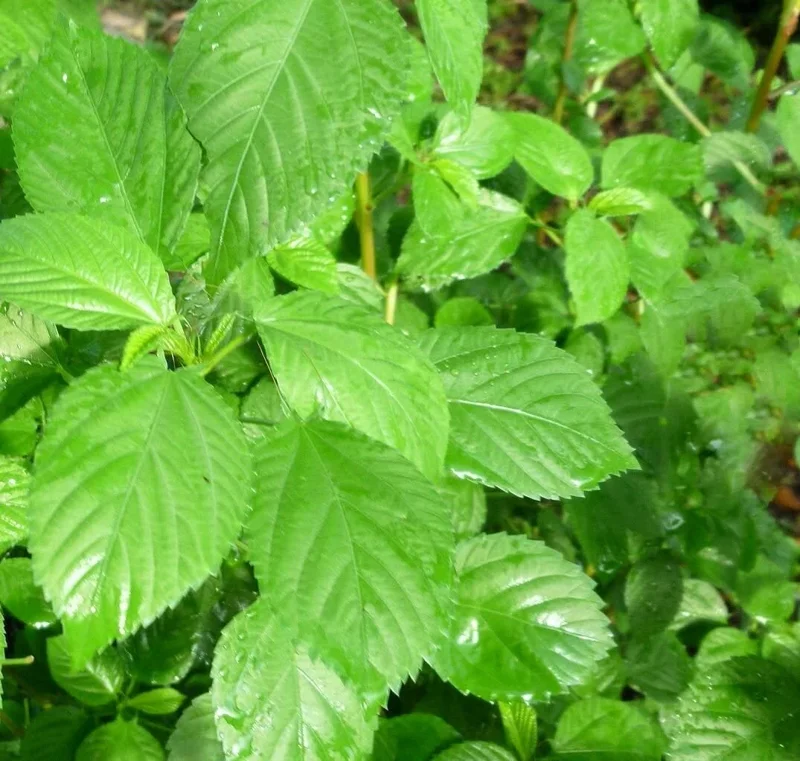
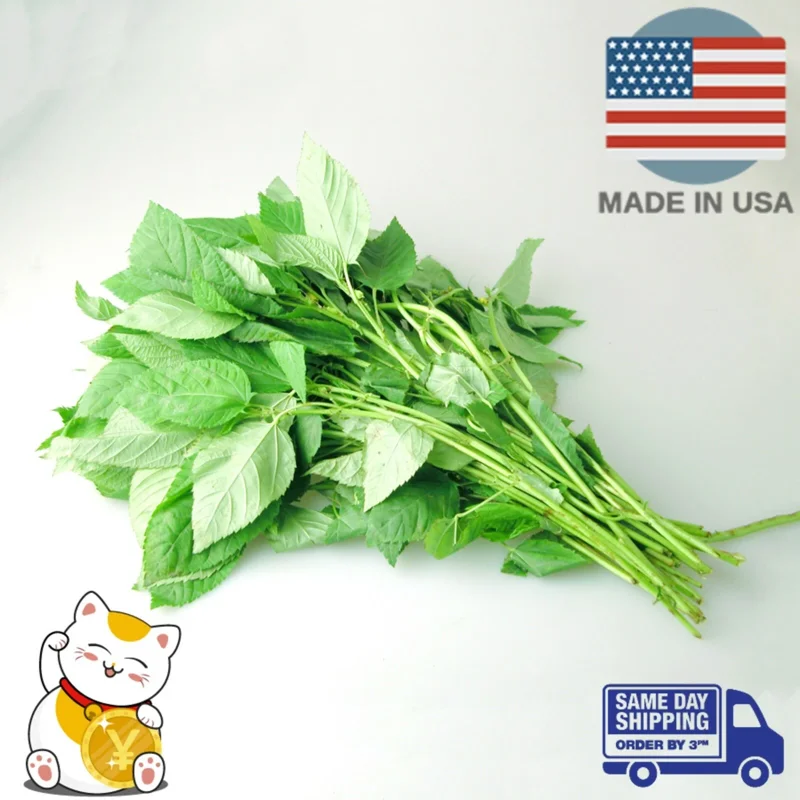

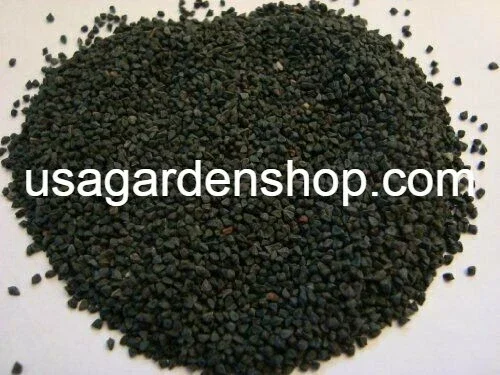
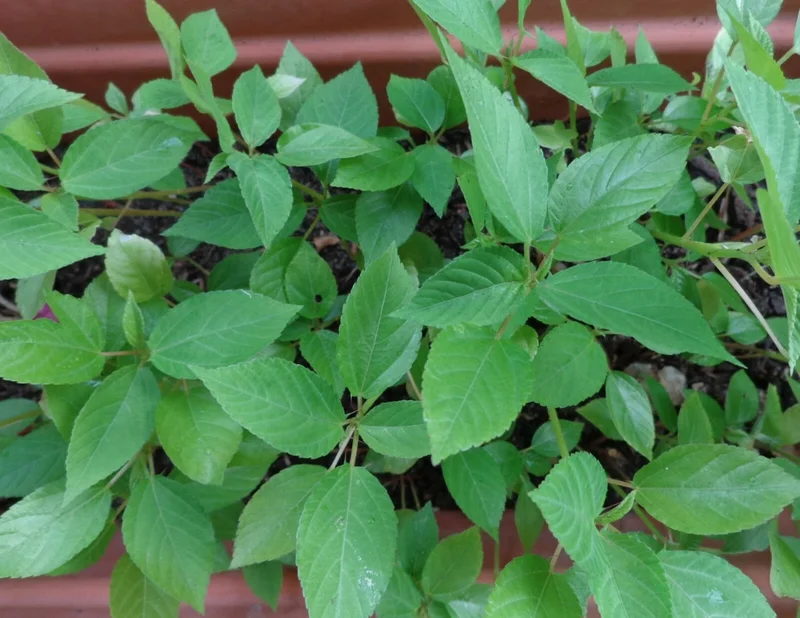
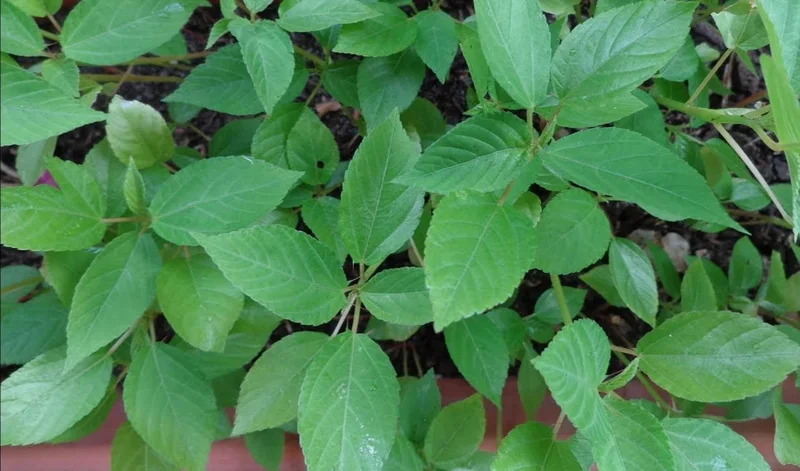
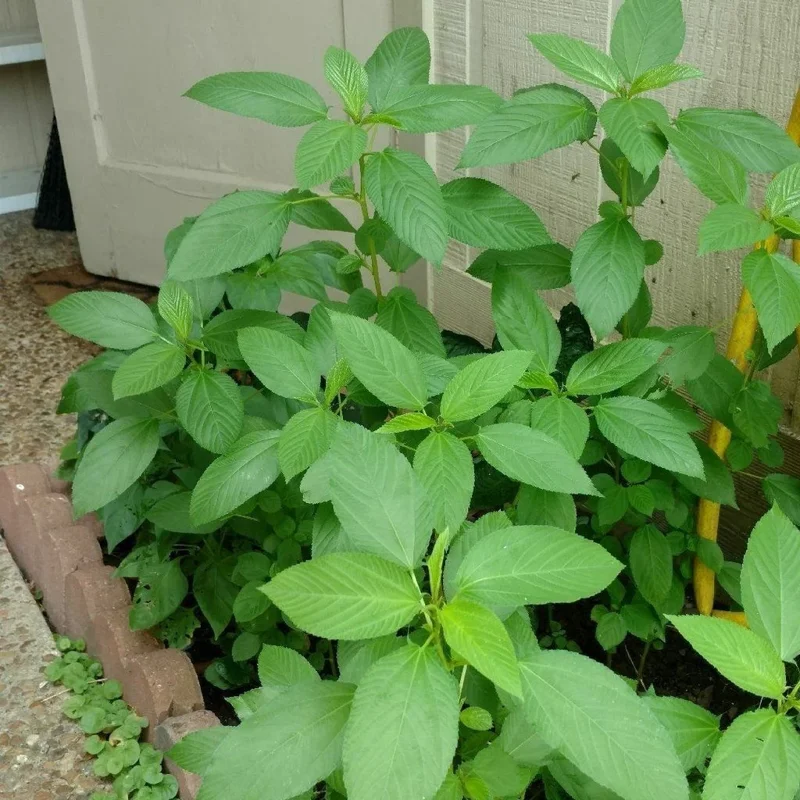
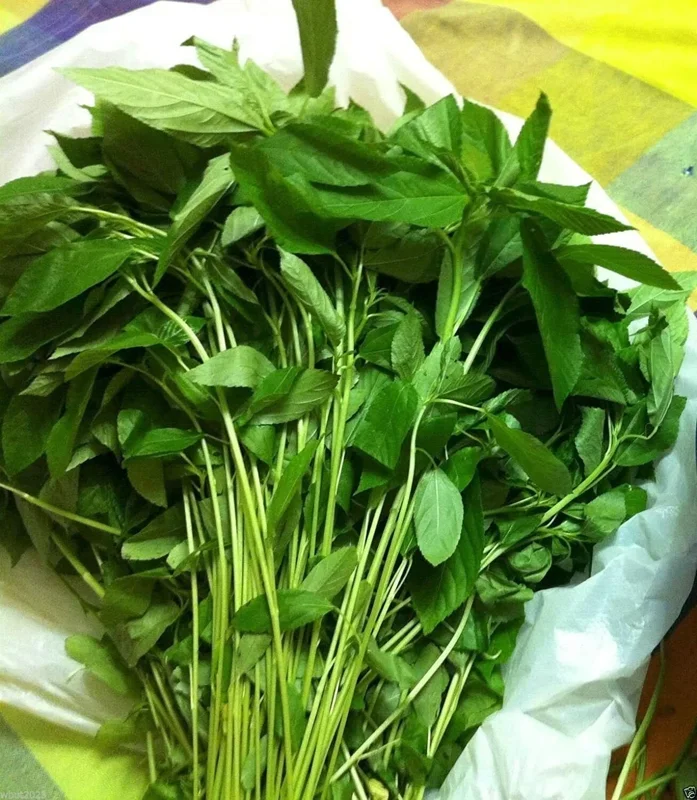
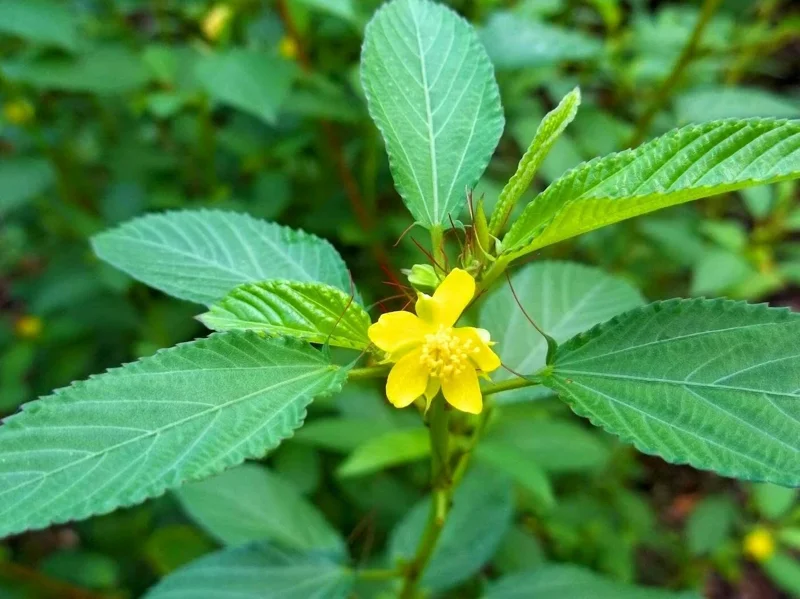
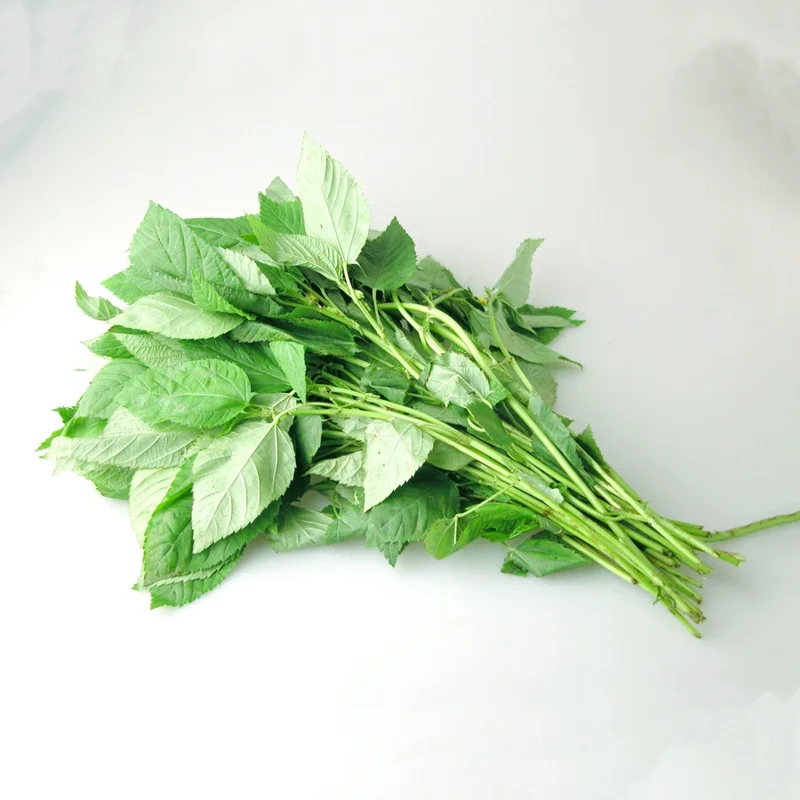
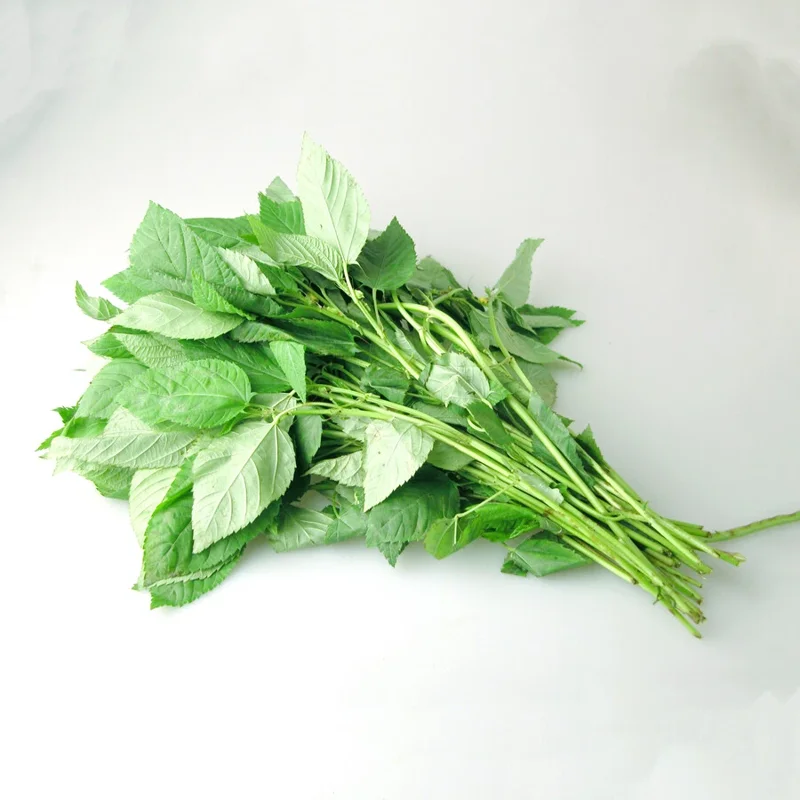

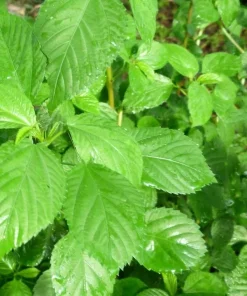


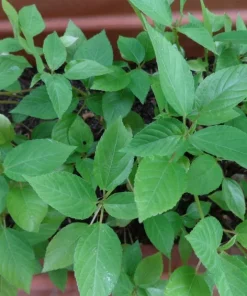
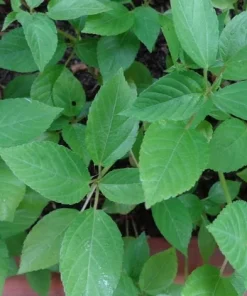
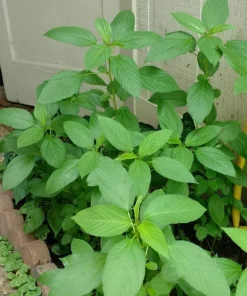
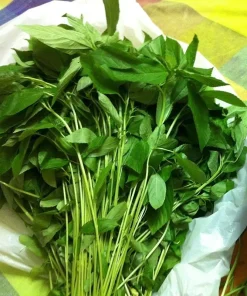
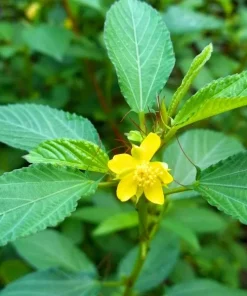
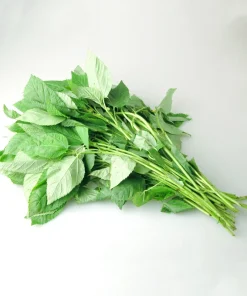
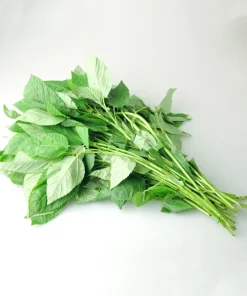

350+ Nalta Jute Seeds – Saluyot, Molokhia, Egyptian Spinach – Easy Grow
Original price was: $37.99.$12.99Current price is: $12.99.
Cultivate your own healthy greens with this pack of nalta jute seeds, offering over 350 seeds of this versatile plant. Known by many names including Saluyot, Molokhia, and Egyptian Spinach, these seeds are perfect for both indoor and outdoor gardening. Enjoy a bountiful harvest of nutrient-rich leaves, ideal for culinary use and easy to grow for gardeners of all levels.
Estimated arrival
Oct 15
Oct 20 - Oct 22
Oct 25 - Oct 29
Shop With Confidence
30-Day Plant Health Guarantee
Arrives damaged? We’ll replace it free — see our return policy.
Responsive Support
Email us anytime, we reply within 1 business day.
Expert Packaging
Temperature-controlled shipping to protect your plants in transit.
Secure Checkout
Pay safely with Visa, Mastercard, PayPal.
Plant Specifications
-
USDA Hardiness Zone
USDA zones 1-10 -
Soil Type
Well-draining soil (Chalk, Clay, Loam, Peat, Saline, Sand, Silt) -
Sunlight Exposure
Full Sun to Partial Shade -
Expected Planting Period
Year-round indoors, Spring to early summer outdoors
Overview
Embark on a rewarding gardening journey with our premium pack of nalta jute seeds. This generous offering includes over 350 seeds of the highly versatile Corchorus olitorius, a plant celebrated globally for its nutritional value and culinary uses. Commonly known as Saluyot, Molokhia, or Egyptian Spinach, this leafy green is a staple in many cuisines, from Asian to Middle Eastern. Growing your own nalta jute seeds allows you to enjoy fresh, organic greens right from your garden or windowsill. Whether you’re a seasoned gardener or just starting, these seeds provide an accessible and exciting way to cultivate a unique and healthy vegetable. The plant is known for its rapid growth and abundant yield, making it a fantastic choice for continuous harvests throughout the growing season. Its slightly mucilaginous texture and mild, earthy flavor make it a wonderful addition to soups, stews, and stir-fries, offering a distinct taste and a wealth of health benefits.
Key Benefits
Growing nalta jute seeds offers a multitude of advantages for both your garden and your health. This plant is not only easy to cultivate but also provides significant nutritional value and versatility in the kitchen.
- Nutrient-Rich Greens: Nalta jute leaves are packed with vitamins (A, C, E, K), minerals (iron, calcium, magnesium, potassium), and dietary fiber. Incorporating these greens into your diet can support overall health and well-being, boosting immunity and aiding digestion.
- Versatile Culinary Use: Known as Saluyot, Molokhia, or Egyptian Spinach, the leaves can be used in a variety of dishes. They are perfect for thickening soups and stews, adding a unique texture and flavor to stir-fries, or even enjoyed fresh in salads.
- Easy to Grow: These seeds are celebrated for their very easy cultivating difficulty. They adapt well to various climates and soil types, making them suitable for beginner gardeners and those looking for a low-maintenance crop.
- High Yield Potential: With proper care, nalta jute seeds produce vigorous plants that offer continuous harvests. You can pick leaves regularly, and the plant will continue to produce new growth, ensuring a steady supply of fresh greens.
- Adaptable to Indoor & Outdoor Environments: Whether you have a spacious garden, a small balcony, or even just a sunny window, these seeds can thrive. They can be grown indoors in containers or outdoors in garden beds, providing flexibility for different living situations.
- Sustainable Gardening Choice: Growing your own vegetables from molokhia seeds reduces your carbon footprint and provides a sustainable source of food. You control the growing conditions, ensuring no harmful pesticides or chemicals are used.
- Educational Experience: For families, cultivating egyptian spinach seeds can be an enriching educational experience, teaching children about plant life cycles, healthy eating, and where their food comes from.
Plant Care & Growing Tips
Caring for your nalta jute seeds and subsequent plants is straightforward, making it an excellent choice for gardeners of all skill levels. These resilient plants thrive in warm conditions and are quite forgiving, but a few key practices will ensure a bountiful harvest. For optimal growth, provide your jute plants with plenty of sunlight. They prefer full sun but can tolerate partial shade, especially in hotter climates where some afternoon shade can prevent scorching. Aim for at least 6-8 hours of direct sunlight daily for the best yields. When it comes to watering, Nalta jute prefers consistently moist soil but dislikes being waterlogged. Water regularly, especially during dry spells, ensuring the top inch of soil feels dry before re-watering. Good drainage is crucial to prevent root rot. These plants thrive in a variety of soil types, including chalk, clay, loam, peat, saline, sand, and silt, with a neutral soil pH. A well-draining soil rich in organic matter will provide the best environment for healthy growth.
The ideal planting time for grow saluyot seeds is typically in warmer months, after the last frost. In many regions, this means spring to early summer. However, with indoor cultivation, you can sow seeds year-round. Fertilize your jute plants every 4-6 weeks with a balanced, all-purpose liquid fertilizer to support vigorous leafy growth. While generally robust, keep an eye out for common garden pests like aphids or spider mites, and treat them with organic pest control methods if necessary. The plant is considered very easy to cultivate and is perennial in warmer climates, though often grown as an annual in temperate zones. With minimal effort, you can enjoy fresh leaves of this nutritious plant for months on end. Understanding jute plant care is key to a successful harvest, and these simple guidelines will set you up for success.
Size & Details
This offering includes over 350 nalta jute seeds, providing an ample supply for multiple plantings or a large harvest. The seeds are suitable for growing plants that exhibit a clumping growth habit. When mature, Nalta jute plants typically reach a height of 3-6 feet, though they can be kept smaller with regular harvesting. These seeds are ideal for both indoor and outdoor cultivation, adapting well to container gardening or direct sowing in garden beds. The life cycle of the Nalta jute is perennial in tropical climates but is often grown as an annual in temperate regions, allowing for a fresh crop each year. Expect to see germination within 7-14 days under optimal conditions, with leaves ready for harvest approximately 4-6 weeks after planting. These seeds are a fantastic way to introduce a unique and healthy vegetable to your garden.
Frequently Asked Questions
- Q: How many seeds are included in this pack? A: This pack contains over 350 nalta jute seeds, providing a generous quantity for multiple plantings and ensuring a successful yield for your garden.
- Q: Is Nalta jute easy to grow for beginners? A: Yes, Nalta jute is considered to have a very easy cultivating difficulty. It’s an excellent choice for beginner gardeners due to its resilience and adaptability.
- Q: What are the common names for this plant? A: The plant from these seeds is widely known as Saluyot, Molokhia, and Egyptian Spinach, besides its botanical name Corchorus olitorius.
- Q: Can I grow these molokhia seeds indoors? A: Absolutely! These seeds are suitable for both indoor and outdoor cultivation. When growing indoors, ensure they receive ample sunlight, preferably from a south-facing window or under grow lights.
- Q: What kind of sunlight does Nalta jute prefer? A: Nalta jute thrives in full sun, requiring at least 6-8 hours of direct sunlight per day for the best growth and leaf production. It can tolerate partial shade, especially in very hot climates.
- Q: What USDA Hardiness Zones are suitable for Nalta jute? A: Nalta jute can be grown across a wide range of USDA Hardiness Zones, from 1 to 10, typically as an annual in colder zones and a perennial in warmer, tropical regions.
- Q: How often should I water my egyptian spinach seeds plants? A: Water regularly to keep the soil consistently moist but not waterlogged. Allow the top inch of soil to dry out slightly between waterings.
- Q: When is the best time to plant these seeds? A: For outdoor planting, sow the seeds after the last frost in spring. For indoor cultivation, you can plant them year-round.
- Q: What kind of soil is best for grow saluyot? A: Nalta jute is adaptable to various soil types, including chalk, clay, loam, peat, saline, sand, and silt, preferring a neutral pH and good drainage.
- Q: Can I use the leaves in cooking? A: Yes, the leaves are highly prized for their culinary uses, especially in soups, stews, and stir-fries, offering a unique texture and flavor.
Be the first to review “350+ Nalta Jute Seeds – Saluyot, Molokhia, Egyptian Spinach – Easy Grow”
People Also Viewed
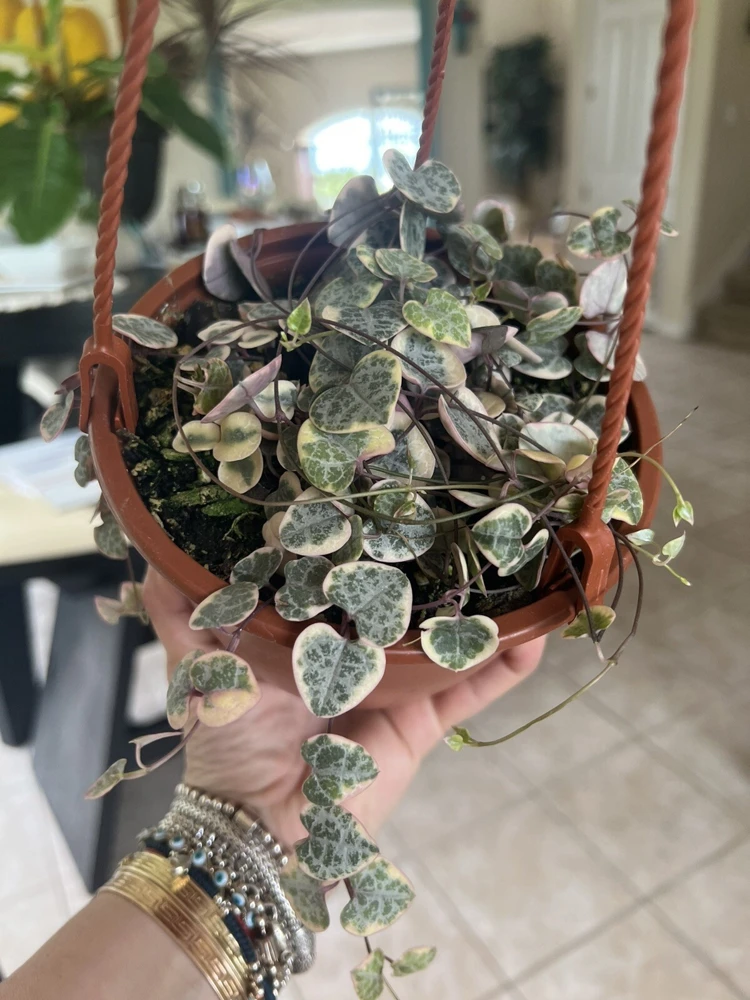
Houseplants
Variegated String of Hearts Live Plant – 6 inch Hanging Basket – Super Full – Indoor Vine
Houseplants
Shrubs
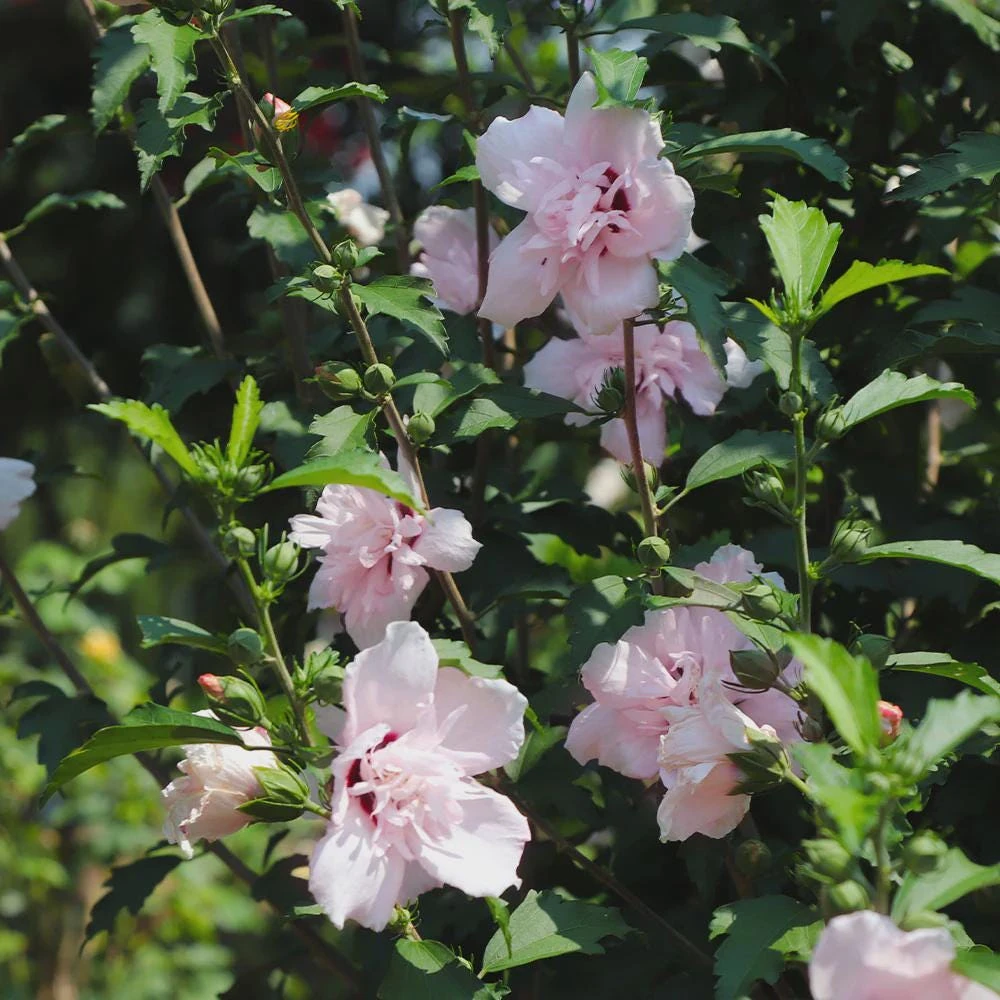
Pink Rose of Sharon Hibiscus syriacus Live Plant – 3 Althea Starter Plants, 12-24″ Tall, Quart Pot

Reviews
There are no reviews yet.