
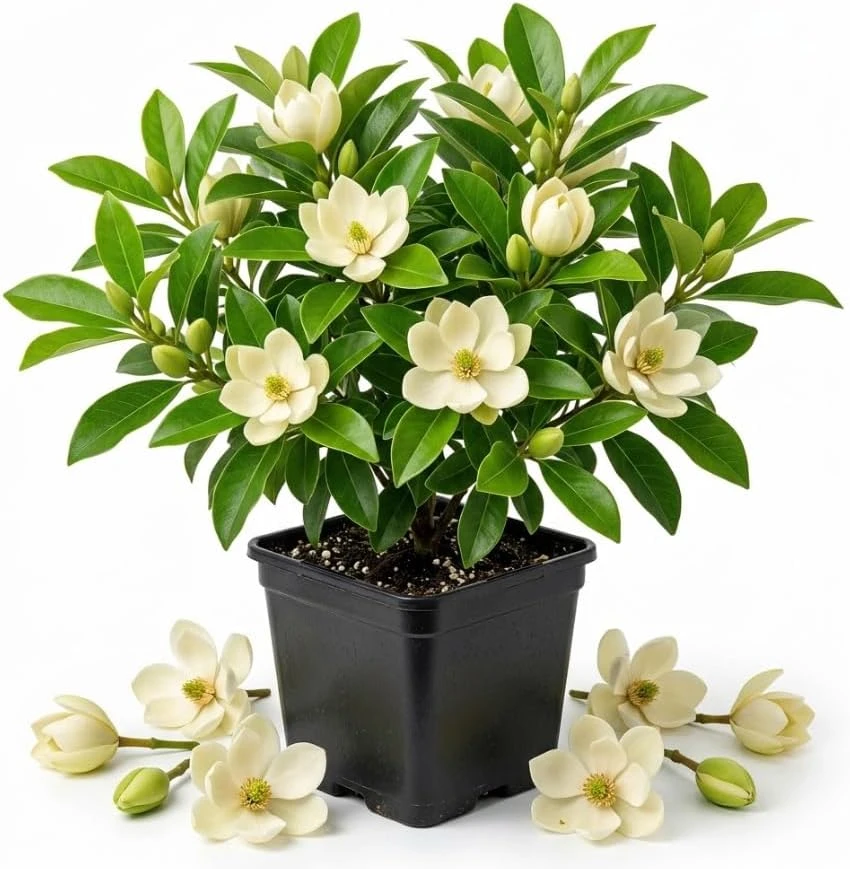
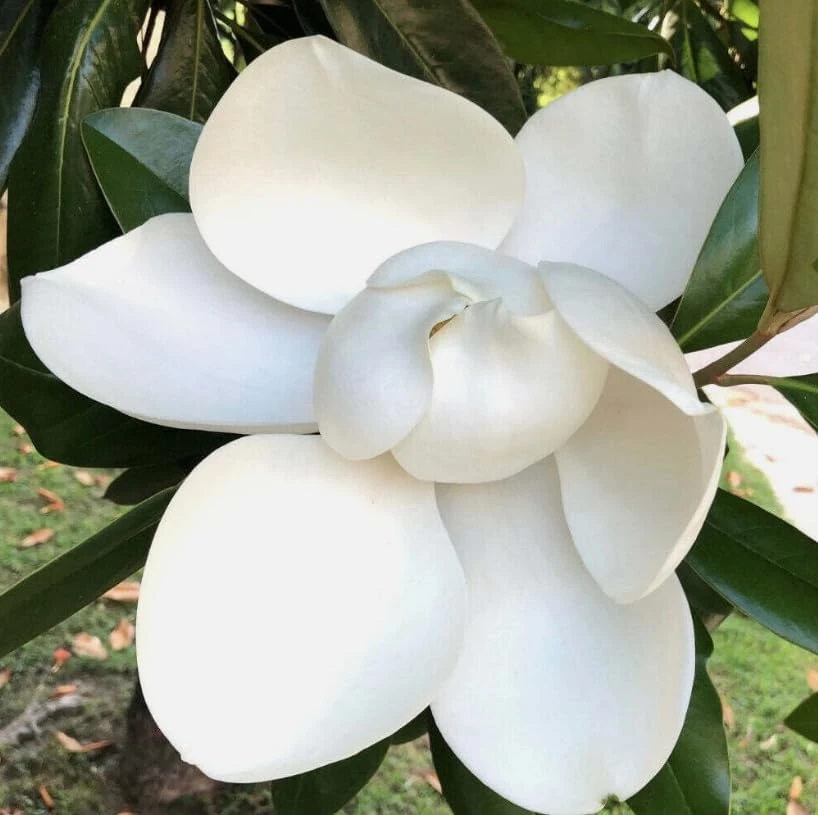
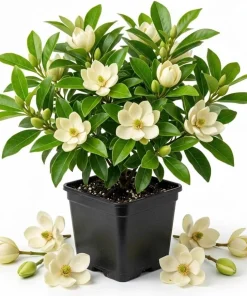
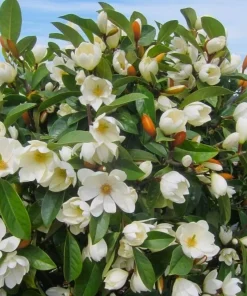
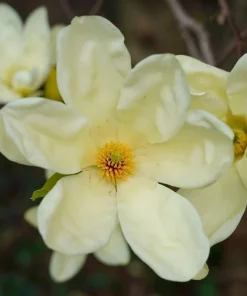
Sweetbay Magnolia Tree Live Plant, White Flowers, 9-18″ Tall in Qt Pot, Outdoor Shrub
Original price was: $43.98.$21.99Current price is: $21.99.
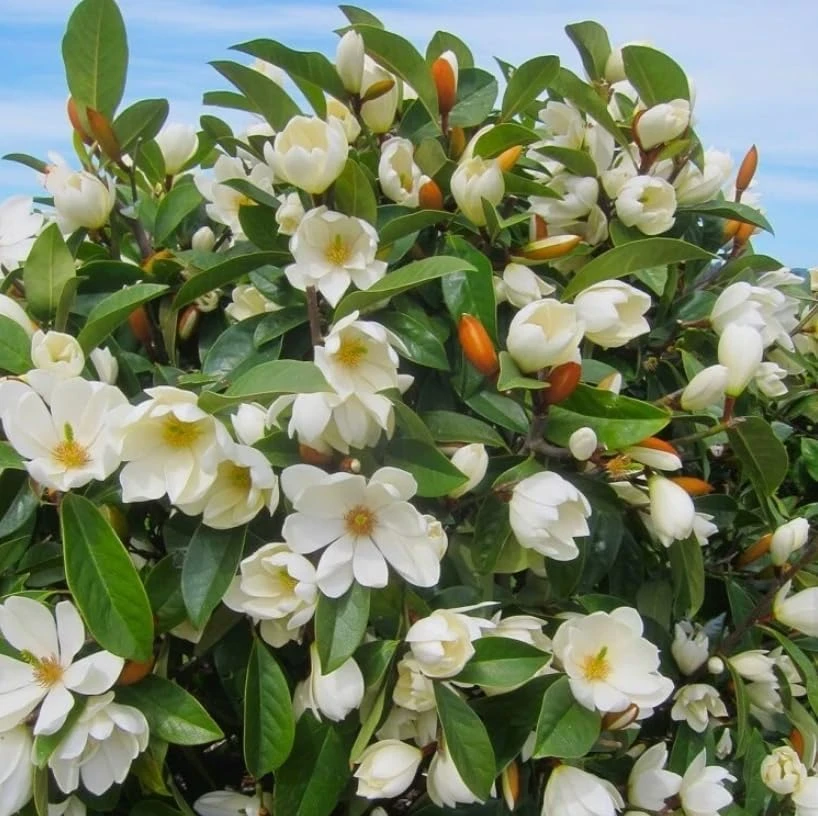
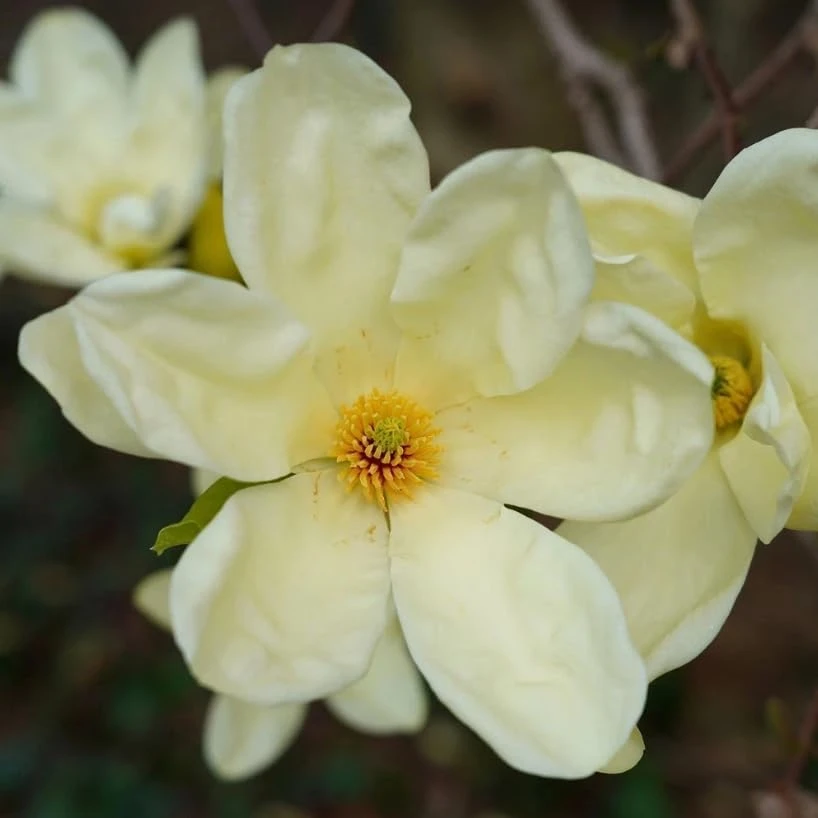
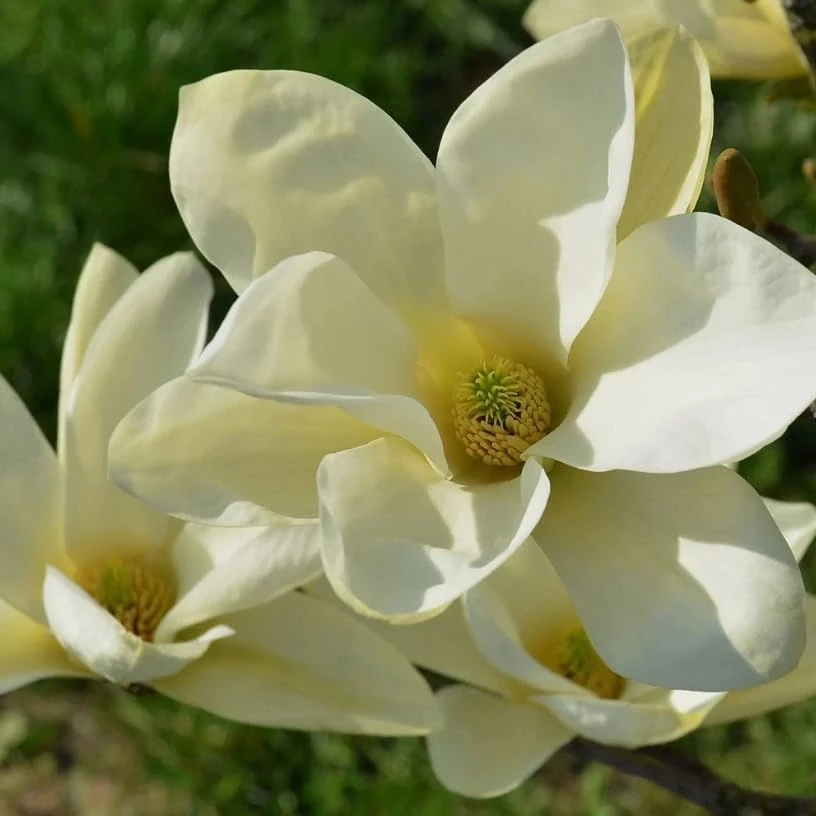
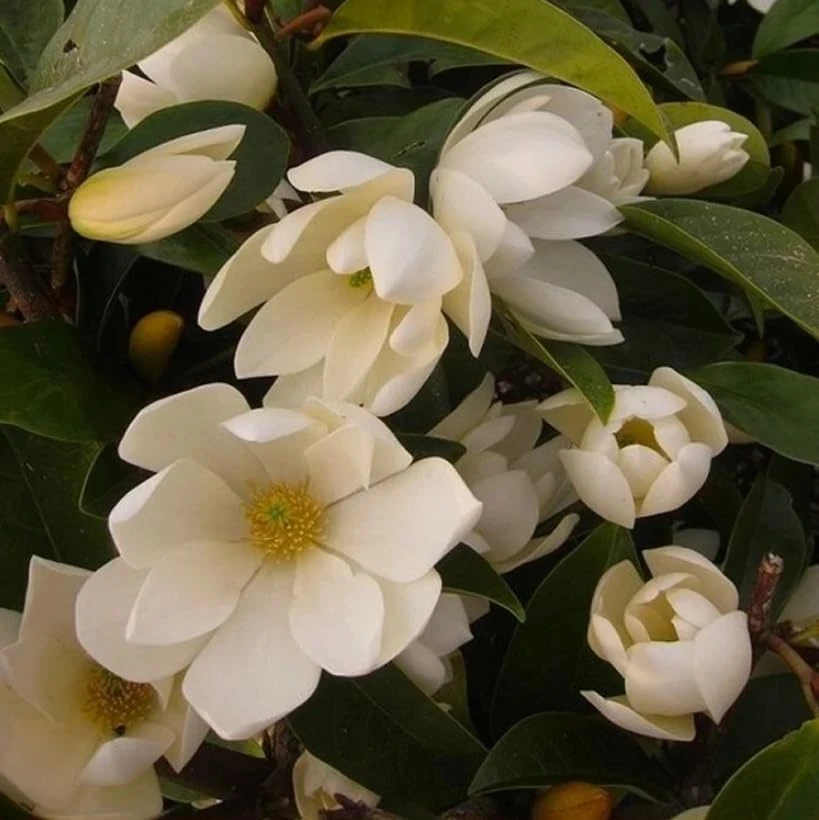
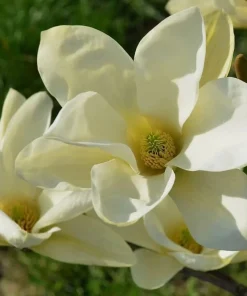
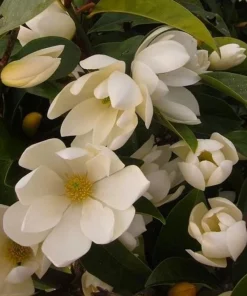
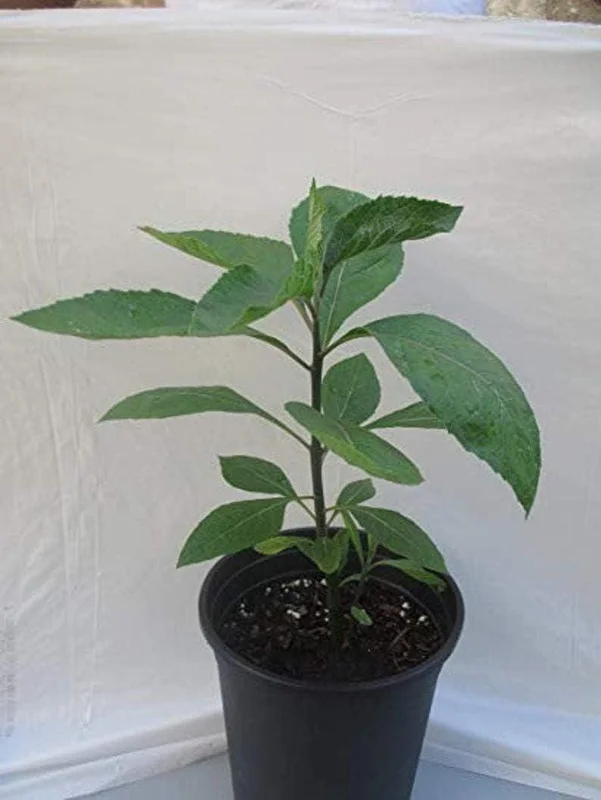
Bring timeless beauty to your garden with a sweetbay magnolia tree. This versatile deciduous shrub or small tree features stunning, fragrant white blooms. Arrives 9-18 inches tall in a quart pot, ready for planting outdoors.
Estimated arrival
Oct 14
Oct 19 - Oct 21
Oct 24 - Oct 28
Shop With Confidence
30-Day Plant Health Guarantee
Arrives damaged? We’ll replace it free — see our return policy.
Responsive Support
Email us anytime, we reply within 1 business day.
Expert Packaging
Temperature-controlled shipping to protect your plants in transit.
Secure Checkout
Pay safely with Visa, Mastercard, PayPal.
Plant Specifications
-
USDA Hardiness Zone
USDA Zones 5-9 -
Soil Type
Consistently moist, well-draining soil -
Sunlight Exposure
Full sun to partial shade -
Expected Planting Period
Spring to early fall
Overview
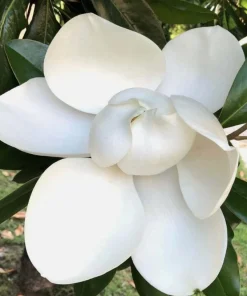
Introduce classic elegance to your landscape with the beautiful sweetbay magnolia tree. This adaptable live plant, also known as Magnolia virginiana, is celebrated for its exquisite, large white flowers that emit a delightful, sweet fragrance. Unlike some other magnolias, the sweetbay magnolia tree offers a more refined and often multi-stemmed growth habit, making it a versatile addition to various garden designs. Whether you’re looking for a specimen plant, a privacy screen, or a border shrub, this plant provides enduring beauty and a touch of sophistication. Each healthy plant arrives carefully nurtured in a quart pot, standing between 9 and 18 inches tall, ensuring a strong start for your gardening success.
The Sweetbay Magnolia is a deciduous or semi-evergreen tree, depending on your climate, providing interest through multiple seasons. Its glossy green leaves have a silvery underside, creating a lovely shimmering effect in the breeze. Beyond its visual charm, the sweet fragrance of its blossoms will transform your outdoor space into a serene and inviting sanctuary. This robust plant is known for its resilience and ability to thrive in a range of conditions, making it an excellent choice for both experienced gardeners and those new to cultivating magnolias. Discover the joy of growing a magnolia tree live plant that promises years of stunning floral displays and lush foliage.
Key Benefits
The sweetbay magnolia tree offers a multitude of advantages for any garden. From its captivating appearance to its adaptability, this plant is a true gem. Here are some of the key benefits you can expect:
- Stunning Fragrant Blooms: Enjoy large, showy white flowers with an intoxicating sweet fragrance that can perfume your entire garden space, attracting pollinators and delighting senses. The blossoms appear from late spring into summer, providing a long season of beauty.
- Versatile Landscape Use: This plant can be grown as a multi-stemmed shrub or trained into a small, elegant tree, making it perfect for various applications such as a specimen plant, privacy screen, border shrub, or even in a rain garden. Its adaptability allows for creative landscaping solutions.
- Adaptable to Various Conditions: The sweetbay magnolia tree thrives in both full sun and partial shade, and it tolerates a range of soil types, including moist conditions, which is uncommon for many trees. This makes it a robust and forgiving choice for diverse environments.
- Attractive Foliage: Beyond its flowers, the sweetbay magnolia boasts glossy, dark green leaves with a distinctive silvery underside, adding visual interest and texture to your garden throughout the growing season. In warmer climates, it can retain its leaves longer, sometimes remaining semi-evergreen.
- Low Maintenance: Once established, the sweetbay magnolia is relatively low maintenance, requiring minimal pruning and general care. This allows you to enjoy its beauty without extensive upkeep, making it an ideal choice for busy gardeners.
- Wildlife Attractor: The flowers attract bees and other pollinators, while the red seeds that follow the blooms provide food for birds, contributing to the biodiversity of your garden.
Plant Care & Growing Tips
Caring for your sweetbay magnolia tree is straightforward, ensuring years of beautiful blooms and healthy growth. Understanding its specific needs will help it flourish in your landscape. This deciduous magnolia shrub is quite resilient once established.
Sunlight Requirements
The Sweetbay Magnolia is quite flexible when it comes to sunlight. It performs best in full sun to partial shade. Full sun (at least 6 hours of direct sunlight per day) will encourage the most abundant flowering, while partial shade (2-4 hours of direct sun, especially in the afternoon) can help protect it from scorching in hotter climates. It can even tolerate more shade, though flowering may be reduced. When planting, choose a location where it will receive adequate light for optimal health and bloom production.
Watering & Soil Preferences
This magnolia prefers consistently moist, well-draining soil. It is more tolerant of wet feet than many other magnolia species, making it suitable for damp locations or near water features. During its establishment period, water regularly to keep the soil evenly moist. Once mature, it is more drought-tolerant but will still benefit from irrigation during prolonged dry spells. The ideal soil pH is slightly acidic to neutral. Amend heavy clay soils with organic matter to improve drainage, or sandy soils to improve water retention. A good quality, rich, well-draining soil mix will provide the best environment for your magnolia tree live plant.
Temperature & USDA Hardiness Zones
The Sweetbay Magnolia is hardy in USDA Zones 5-9. It is quite cold-tolerant, surviving winters with proper care. In the colder parts of its range (Zones 5-6), it will be fully deciduous, losing all its leaves in winter. In warmer zones (7-9), it may be semi-evergreen, retaining some or all of its foliage throughout the winter months. Protect young plants from harsh winter winds in colder regions. This plant generally adapts well to various temperature fluctuations within its hardiness range.
Fertilization & Pruning
Fertilize your sweetbay magnolia tree in early spring with a balanced, slow-release granular fertilizer formulated for trees and shrubs. Follow the product instructions for application rates. Avoid over-fertilizing, especially for young plants. Pruning is generally minimal and should focus on removing dead, damaged, or crossing branches. You can also prune to shape the plant or to encourage a more tree-like form, typically in late winter or early spring before new growth begins. For a healthy and thriving plant, understanding sweetbay magnolia care is essential.
Size & Details
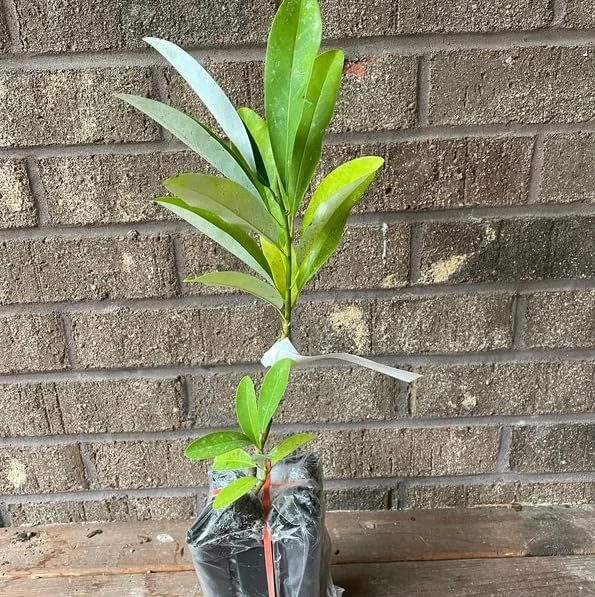
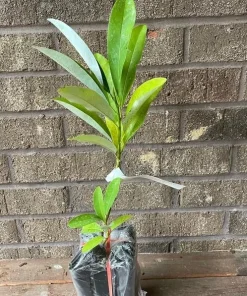
This listing is for a healthy sweetbay magnolia tree, delivered as a live plant. Each specimen arrives planted in a quart-sized container, ensuring the root system is well-established and ready for transplanting into your garden. The plants typically stand between 9 to 18 inches tall from the top of the soil, providing a robust start. The Sweetbay Magnolia is known for its moderate growth rate, typically adding 1 to 2 feet per year once established. Over time, it can reach a mature height of 10-20 feet and a spread of 10-15 feet, though it can be maintained at smaller sizes through pruning. Expect the first fragrant white magnolia blooms to appear within a few years of planting, becoming more prolific as the plant matures. This deciduous to semi-evergreen plant will bring long-lasting beauty to your outdoor space.
Frequently Asked Questions
- Q: How big does this sweetbay magnolia tree get at maturity? A: The Sweetbay Magnolia typically grows to a mature height of 10-20 feet with a spread of 10-15 feet. Its ultimate size can vary based on growing conditions and whether it’s pruned as a shrub or trained as a small tree.
- Q: What size pot does the plant come in? A: Each magnolia tree live plant is shipped in a quart-sized nursery pot, providing a secure and established root system for successful transplanting into your garden or a larger container.
- Q: Is this an indoor or outdoor plant? A: The Sweetbay Magnolia is an outdoor plant, best suited for garden beds, landscapes, or large outdoor containers. It requires outdoor conditions to thrive and produce its signature blooms.
- Q: How much sunlight does a sweetbay magnolia tree need? A: This plant thrives in full sun (at least 6 hours direct sun) to partial shade (2-4 hours direct sun). It’s quite adaptable, but more sun generally means more abundant flowering.
- Q: Is this plant easy to care for? Is it good for beginners? A: Yes, the Sweetbay Magnolia is considered relatively easy to care for, especially once established. Its adaptability to various soil and light conditions makes it a good choice for gardeners of all experience levels, making sweetbay magnolia care quite manageable.
- Q: What condition will the plant arrive in? Is it shipped in soil? A: Your fragrant white magnolia plant will arrive carefully packaged in its quart pot with soil, ensuring its roots are protected and moist during transit. It will be ready for immediate planting upon arrival.
- Q: When is the best time to plant a Sweetbay Magnolia? A: The best time to plant a Sweetbay Magnolia is in spring or early fall, allowing the plant sufficient time to establish its root system before extreme temperatures.
- Q: Will it survive winter in my zone? What’s the minimum temperature? A: The Sweetbay Magnolia is hardy in USDA Zones 5-9. It can tolerate winter temperatures well below freezing, losing its leaves in colder zones but reliably returning in spring.
- Q: Can I grow a deciduous magnolia shrub in a container? A: Yes, a Sweetbay Magnolia can be grown in a large container, especially when young. Ensure the container has good drainage and use a high-quality potting mix. You may need to repot into a larger container as it grows.
- Q: What are the benefits of choosing a magnolia tree live plant? A: Choosing a live plant ensures you get a healthy, established specimen that will begin to grow and flower sooner than starting from seed, providing immediate impact and beauty to your landscape.
Be the first to review “Sweetbay Magnolia Tree Live Plant, White Flowers, 9-18″ Tall in Qt Pot, Outdoor Shrub”
People Also Viewed

Flower Seeds
Reviews
There are no reviews yet.