
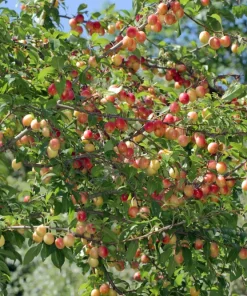
1 Chickasaw Plum Tree Starter Plant 12-24″ Tall (Quart Pot) – Prunus angustifolia
Original price was: $75.99.$50.99Current price is: $50.99.
Estimated arrival
Sep 30
Oct 05 - Oct 07
Oct 10 - Oct 14
Shop With Confidence
30-Day Plant Health Guarantee
Arrives damaged? We’ll replace it free — see our return policy.
Responsive Support
Email us anytime, we reply within 1 business day.
Expert Packaging
Temperature-controlled shipping to protect your plants in transit.
Secure Checkout
Pay safely with Visa, Mastercard, PayPal.
Plant Specifications
“`json { “meta_title”: “Chickasaw Plum Tree Starter Plant – Prunus angustifolia”, “google_title”: “Chickasaw Plum Tree Starter Plant – 12-24″ Tall Prunus angustifolia (Bare Root)”, “meta_description”: “Discover the beautiful and beneficial Chickasaw Plum Tree, a native American plant known for its fragrant flowers, edible fruit, and wildlife value.”, “meta_focus_keyword”: “chickasaw plum tree, prunus angustifolia plant, native plum tree, wildlife habitat plant, edible plum tree”, “categories”: “Trees”, “google_product_category_path”: “Home & Garden> Plants> Trees”, “google_product_category_id”: “unknown”, “short_description”: “
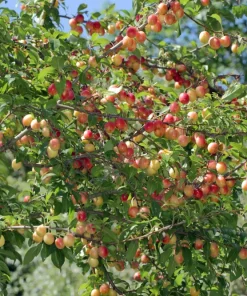
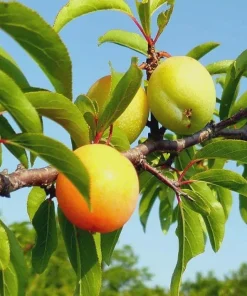
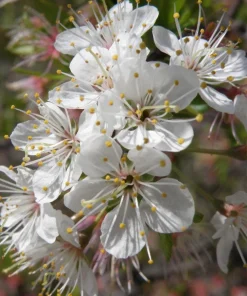
Bring a piece of native American beauty to your landscape with the chickasaw plum tree. This prunus angustifolia plant offers fragrant white flowers, tart edible fruit, and provides excellent habitat for local wildlife. Ships as a bare root plant, 12-24 inches tall.
“, “long_description”: “
Overview
n
Introduce a touch of natural elegance and ecological benefit to your garden with the chickasaw plum tree. This starter plant, scientifically known as Prunus angustifolia, is a remarkable North American native celebrated for its rapid growth and versatility. It’s a fantastic choice for gardeners looking to enhance biodiversity, enjoy delicious fruit, and add a resilient, attractive element to their outdoor space. As a fast-growing small tree or shrub, the chickasaw plum tree is a true multi-tasker, offering visual appeal, sustenance, and environmental value from its fragrant spring blossoms to its tart, edible plums. This offering is a bare root plant, ensuring a strong start in your landscape.
n
The prunus angustifolia plant is not just another ornamental; it’s a dynamic species that contributes significantly to local ecosystems. Its early-spring white flowers are a vital nectar source for pollinators, and its tart fruit provides food for both humans and a variety of wildlife. Known for its ability to form dense thickets, it also serves as excellent cover for birds and small animals, making it an invaluable addition to any wildlife-friendly garden or naturalized area. Its hardiness and adaptability make it a superb choice for a wide range of growing conditions across the United States.
n
Key Benefits
n
The chickasaw plum tree offers a multitude of benefits, making it an excellent investment for any gardener. From its aesthetic appeal to its ecological contributions, this plant is truly exceptional.
n
- n
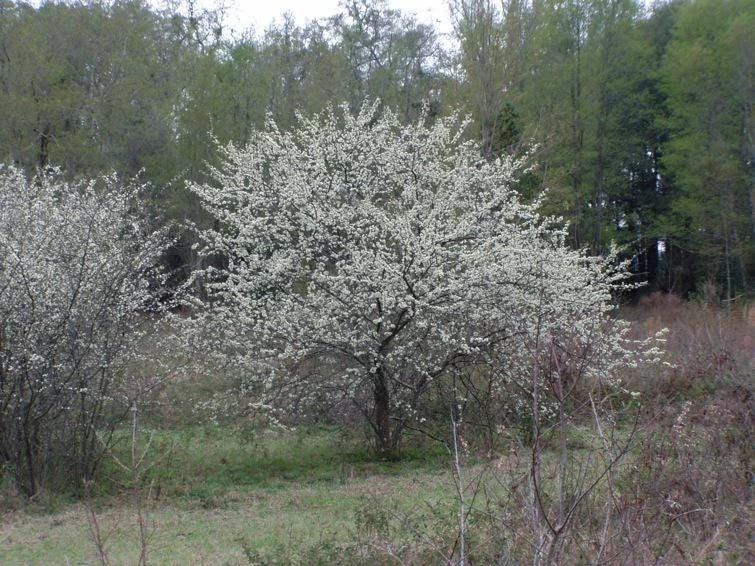
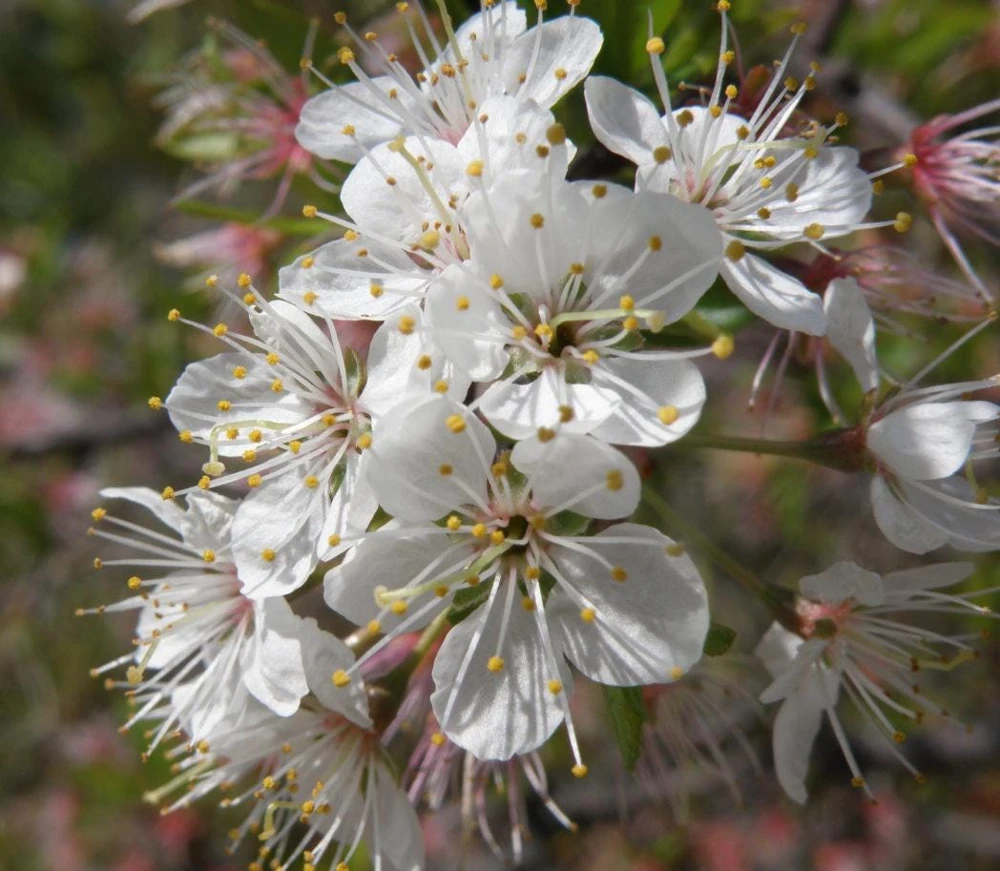
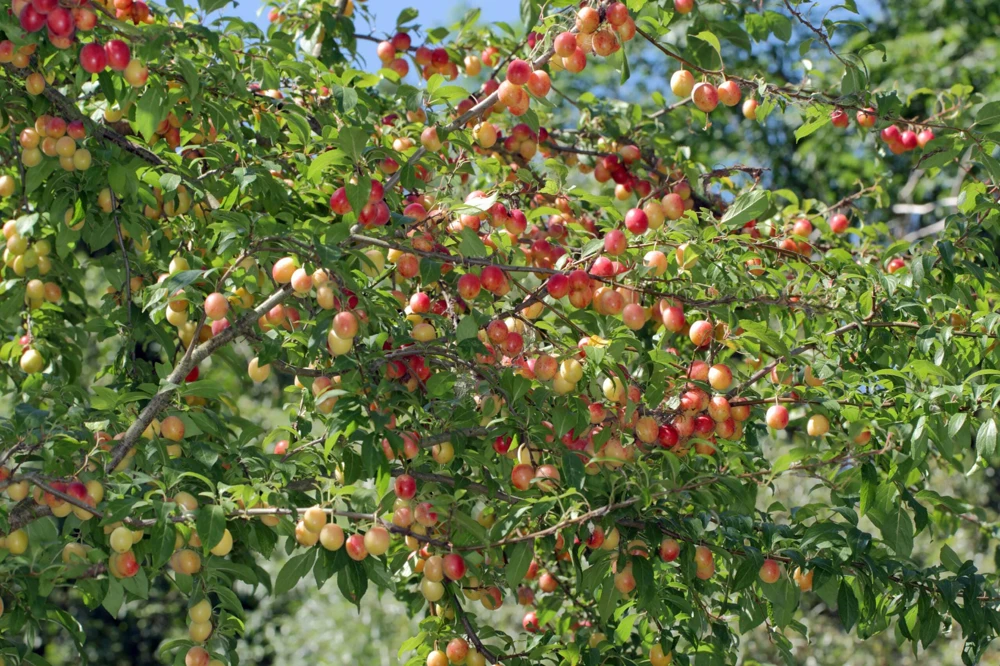
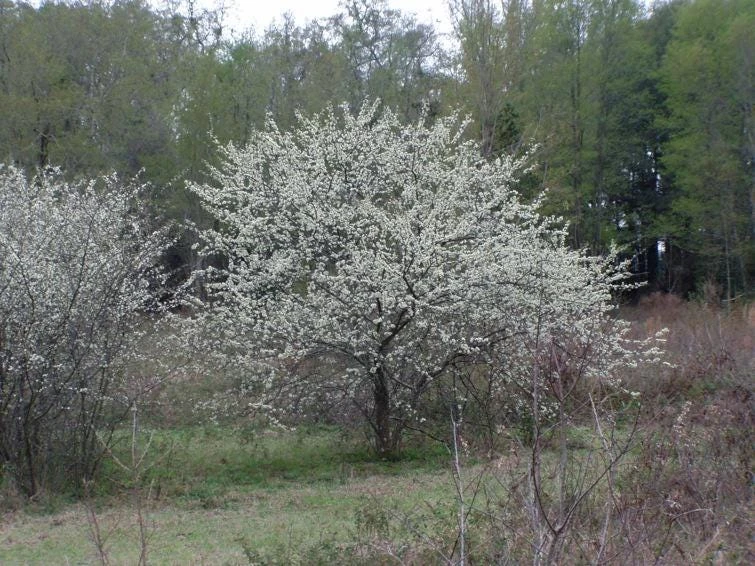
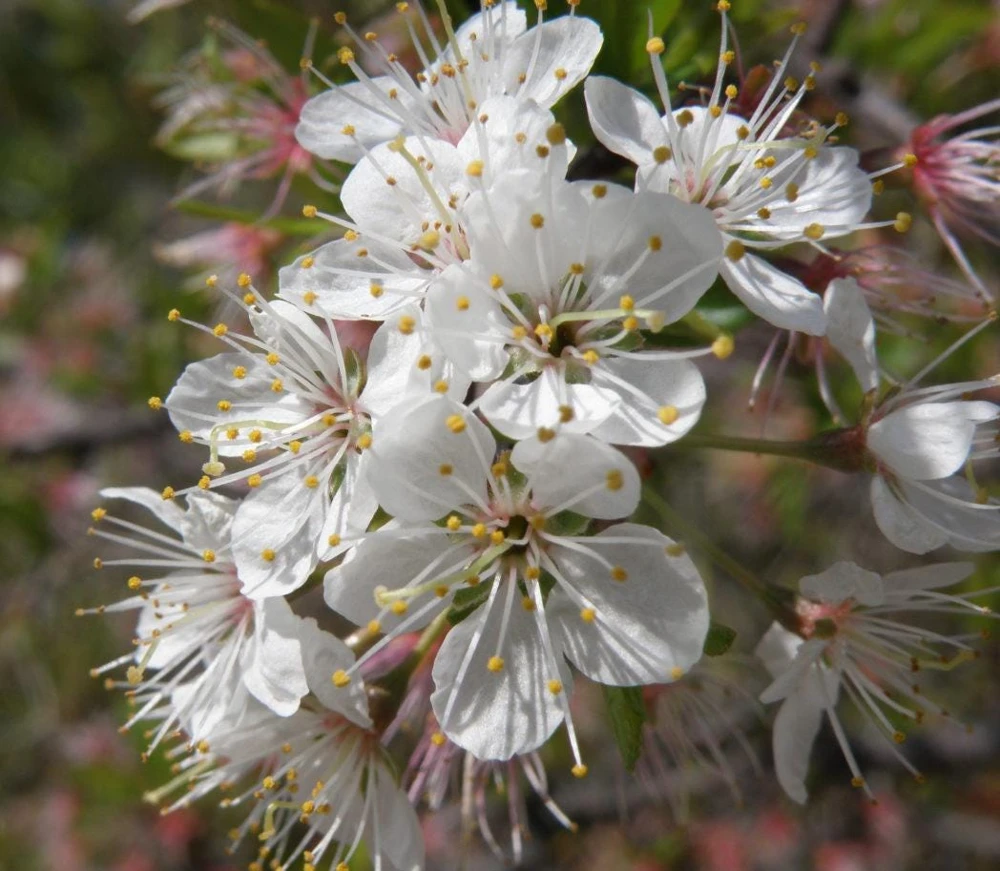
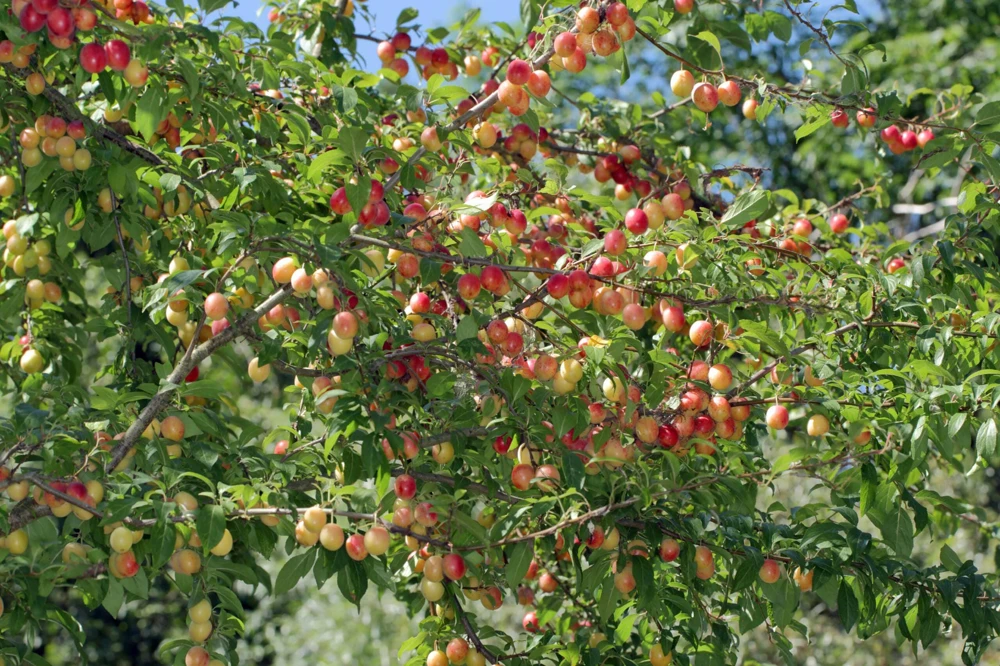
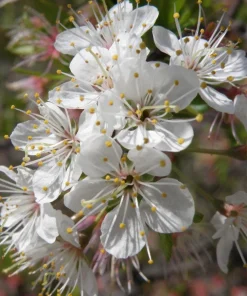
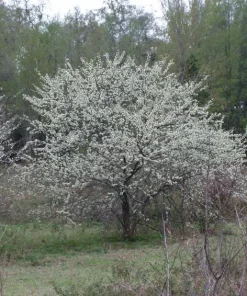
- Beautiful Spring Blooms: Enjoy a stunning display of fragrant white flowers in early spring, signaling the arrival of warmer weather and providing a crucial food source for early pollinators. These blossoms transform your garden into a vibrant, perfumed sanctuary.
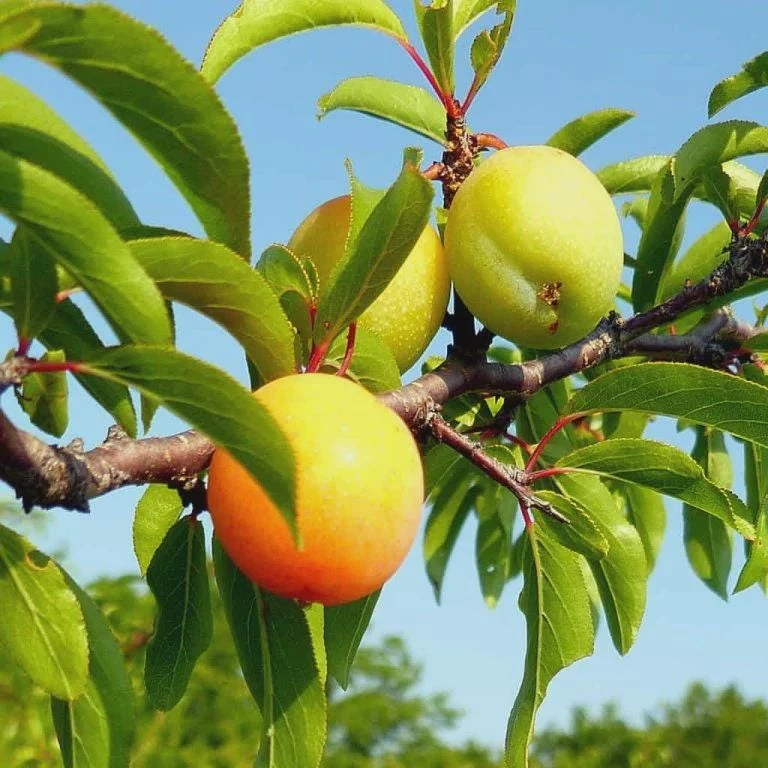
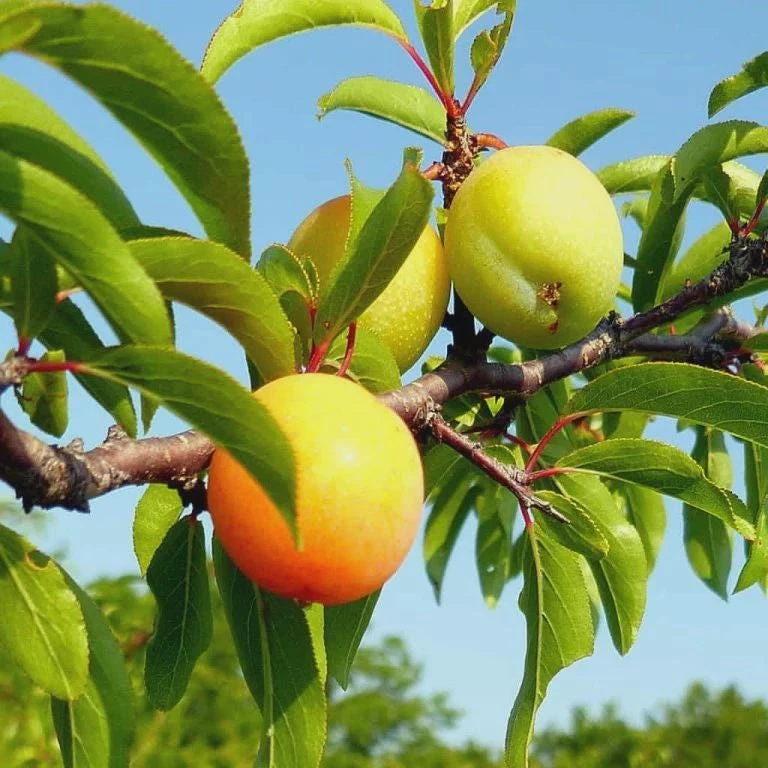
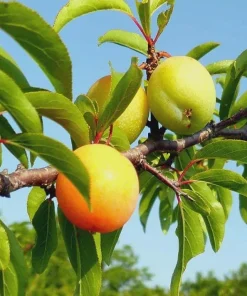
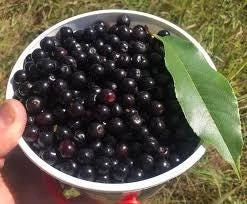
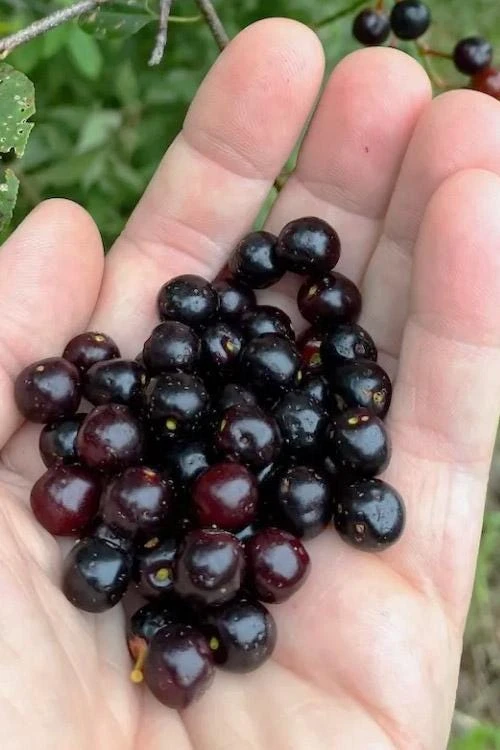
- Delicious Edible Fruit: Harvest tart, flavorful plums that are perfect for fresh eating, making jams, jellies, or preserves. The fruit of this native plum tree offers a unique taste experience and a bounty for your kitchen.
- Exceptional Wildlife Habitat: This plant is a magnet for local wildlife, providing food, shelter, and nesting sites. Its dense growth offers protection for birds and small mammals, making it a crucial wildlife habitat plant.
- Erosion Control: Due to its natural tendency to spread by root suckers and form thickets, the prunus angustifolia plant is highly effective at stabilizing soil and preventing erosion, especially on slopes or disturbed areas.
- Low Maintenance & Hardy: Once established, the chickasaw plum tree is remarkably drought-tolerant and requires minimal care, thriving in a range of soil conditions. It’s hardy in USDA zones 5 through 9, making it suitable for many climates.
- Fast Growing: Experience rapid growth with this dynamic species, allowing you to quickly establish a mature landscape feature or a productive fruit source.
- Versatile Landscape Use: Whether you’re looking for a specimen tree, a hedgerow, a windbreak, or a naturalized area, this edible plum tree fits seamlessly into various garden designs.
n
n
n
n
n
n
n
n
Plant Care & Growing Tips
n
Caring for your chickasaw plum tree is straightforward, thanks to its robust and adaptable nature. To ensure optimal growth and fruit production, understanding its basic needs is key. This native plum tree thrives in a variety of conditions, but a few considerations will help it flourish. It’s a deciduous plant, so expect it to lose its leaves in the fall and re-emerge with fresh growth in spring. The starter plant you receive will be a bare root plant, which means special attention during planting is beneficial.
n
For sunlight, the prunus angustifolia plant performs best in full sun, meaning at least 6 hours of direct sunlight per day. While it can tolerate partial shade, fruit production and overall vigor will be reduced. When it comes to watering, young plants require consistent moisture to establish their root systems. Once mature, the chickasaw plum tree is quite drought-tolerant, but regular watering during dry spells will promote better fruit development. Well-draining soil is crucial; it adapts to sandy, loamy, or clay soils as long as they don’t remain waterlogged. The USDA hardiness zones for this species are 5 through 9, indicating its resilience across a broad climatic range. Fertilization is generally not heavily required once established, but a balanced slow-release fertilizer in early spring can boost growth, especially for young trees or those in poor soil. Look out for common plum tree pests and diseases, and address them promptly with organic or appropriate treatments. Pruning can be done in late winter to remove dead or crossing branches, and to shape the tree, promoting better air circulation and fruit production.
n
Size & Details
n
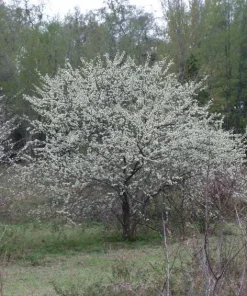
Your chickasaw plum tree will arrive as a bare root plant, typically measuring 12 to 24 inches tall. This size is ideal for establishing a strong root system quickly once planted in your garden. The species generally grows to a mature height of 6 to 12 feet, but with optimal conditions, it can reach up to 25 feet, forming a rounded, somewhat “twiggy” mass. Its branches are slender, reddish, and may have thorns, adding to its natural charm and protective qualities for wildlife. The edible plum tree is known for its fast growth rate, allowing you to enjoy its benefits relatively quickly after planting. It naturally spreads by root suckers, which can form dense thickets over time, making it excellent for creating natural barriers or for erosion control. Expect to see the first flowers and fruit within a few years of planting, with increasing yields as the tree matures.
n
Frequently Asked Questions
n
- n
- Q: How big does this plant get? A: The chickasaw plum tree typically grows to a height of 6 to 12 feet, but under ideal conditions, it can reach up to 25 feet. It forms a rounded, spreading canopy.
- Q: What condition will it arrive in? A: This product is shipped as a bare root plant, meaning it will arrive without soil around its roots. This is a common and effective method for shipping deciduous trees, ensuring healthy establishment.
- Q: Is this an indoor or outdoor plant? A: The chickasaw plum tree is an outdoor plant, best suited for gardens, landscapes, and naturalized areas. It requires outdoor conditions to thrive and produce fruit.
- Q: How much sunlight does it need? A: This prunus angustifolia plant requires full sun, which means at least 6 hours of direct sunlight daily, for the best growth and fruit production. It can tolerate partial shade, but performance may be reduced.
- Q: Is this plant easy to care for? A: Yes, the chickasaw plum tree is known for being relatively easy to care for. Once established, it is quite hardy, drought-tolerant, and requires minimal maintenance, making it a great choice for various gardeners.
- Q: Can I eat the plums from this tree? A: Absolutely! The plums produced by the edible plum tree are tart but delicious, perfect for fresh eating, making jellies, jams, or other culinary creations.
- Q: When is the best time to plant this bare root plant? A: The best time to plant a bare root plant like the chickasaw plum tree is typically in late winter or early spring, before new growth begins, allowing the roots to establish before the stress of summer heat.
- Q: Will it survive winter in my zone? A: The chickasaw plum tree is hardy in USDA zones 5 through 9, making it resilient to winter conditions across a wide range of climates in the United States.
- Q: Is it a good plant for attracting wildlife? A: Yes, this is an excellent wildlife habitat plant. Its flowers attract pollinators, and its fruit provides food for birds and other small animals, while its dense thickets offer cover.
- Q: Does the plant have thorns? A: The prunus angustifolia plant can have slender, reddish, and sometimes thorny branches. These thorns can provide an added layer of protection for wildlife seeking shelter within its thickets.
n
n
n
n
n
n
n
n
n
n
“, “key_features”: { “usda_zone”: “USDA zones 5 through 9”, “soil_type”: “Well-draining soil (sandy, loamy, or clay)”, “sunlight_exposure”: “Full sun”, “expected_planting_period”: “Late winter to early spring” } } “`
Be the first to review “1 Chickasaw Plum Tree Starter Plant 12-24″ Tall (Quart Pot) – Prunus angustifolia”
People Also Viewed

Flower Seeds
Purple Coneflower Seeds – Echinacea purpurea – 200 Seeds – Hardy Perennial – Pollinator Favorite
Reviews
There are no reviews yet.