


Orange Milkweed Live Plants Set of 2 – 4-6 Inch Tall Outdoor Garden
Original price was: $40.99.$25.99Current price is: $25.99.
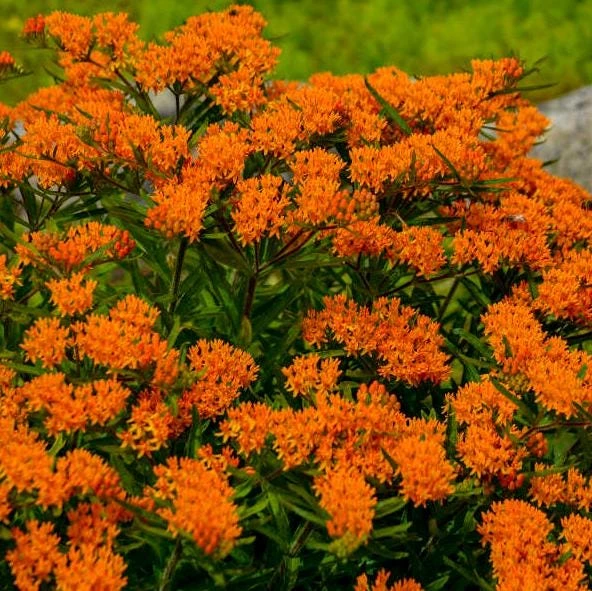
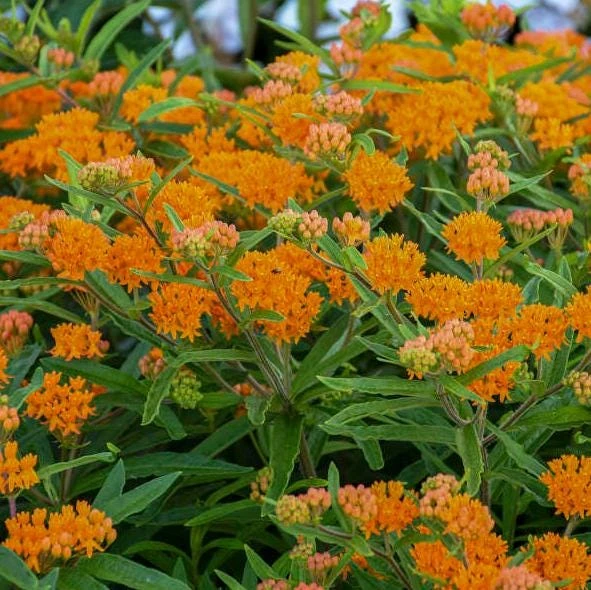
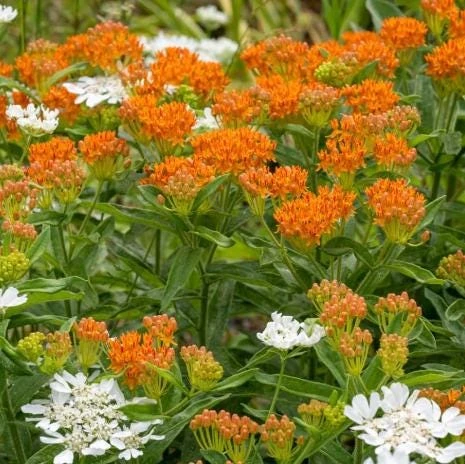
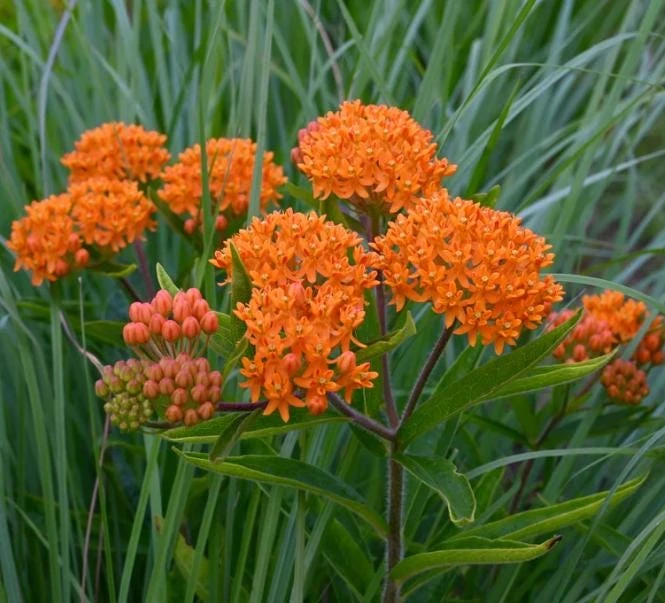
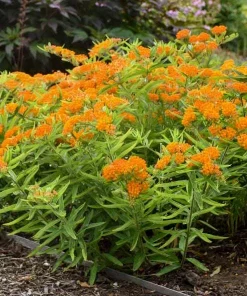
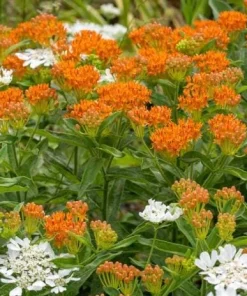
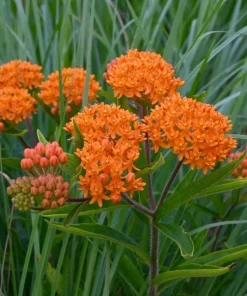
Bring a burst of color and life to your garden with this set of two orange milkweed live plant specimens. Also known as Butterfly Weed, these vibrant plants feature dazzling orange to yellow-orange flower clusters that are irresistible to butterflies, bees, and hummingbirds. Ideal for outdoor gardens, they arrive 4 to 6 inches tall and are perfect for establishing a pollinator-friendly habitat.
Estimated arrival
Oct 14
Oct 19 - Oct 21
Oct 24 - Oct 28
Shop With Confidence
30-Day Plant Health Guarantee
Arrives damaged? We’ll replace it free — see our return policy.
Responsive Support
Email us anytime, we reply within 1 business day.
Expert Packaging
Temperature-controlled shipping to protect your plants in transit.
Secure Checkout
Pay safely with Visa, Mastercard, PayPal.
Plant Specifications
-
USDA Hardiness Zone
USDA Zones 4 to 9 -
Soil Type
Well-drained sandy or loamy soil -
Sunlight Exposure
Full sun (at least 6–8 hours direct sunlight daily) -
Expected Planting Period
Spring to summer
Overview
Introduce a splash of vibrant color and ecological benefit to your garden with this exquisite set of two orange milkweed live plant specimens. Renowned for their stunning beauty and critical role in supporting pollinator populations, these plants, scientifically known as Asclepias tuberosa, are a must-have for any nature enthusiast. Often referred to as Butterfly Weed, this particular variety of milkweed is celebrated for its brilliant orange to yellow-orange flower clusters that emerge profusely from spring through summer. Each plant in this set arrives at a healthy 4 to 6 inches tall, ready for immediate planting in your outdoor garden. The orange milkweed live plant is a perennial favorite, returning year after year to provide nectar for a wide array of beneficial insects and hummingbirds, making your garden a lively sanctuary.
Unlike some other milkweed species, Asclepias tuberosa does not produce a milky sap, hence its common name, Butterfly Weed. This characteristic makes it safe and appealing for various garden settings. Its cheerful blooms are not only aesthetically pleasing but are also a vital food source, particularly for monarch butterfly caterpillars, as it is a host plant for these iconic insects. By planting this orange milkweed live plant, you contribute directly to the conservation of these beautiful creatures and enhance the biodiversity of your outdoor space. These plants are robust and relatively easy to care for, thriving in conditions that mimic their natural habitats across much of North America.
Key Benefits
Cultivating an orange milkweed live plant in your garden offers a multitude of advantages, transforming your outdoor area into a haven for wildlife and a visual delight. These benefits extend beyond simple aesthetics, contributing to ecological health and providing a deeply rewarding gardening experience.
- Attracts Pollinators: The most prominent benefit of the orange milkweed live plant is its incredible ability to draw in a diverse range of pollinators. Its bright, nectar-rich flowers are a magnet for butterflies, including the iconic Monarch, as well as various bee species, and even hummingbirds, all of which play crucial roles in ecosystem health.
- Supports Monarch Butterflies: As a host plant for Monarch butterfly caterpillars, this butterfly weed plant is indispensable for their life cycle. Female Monarchs lay their eggs exclusively on milkweed, and the caterpillars feed on its leaves before pupating. Planting this milkweed directly aids in the conservation of these endangered insects.
- Drought Tolerant: Once established, Asclepias tuberosa is remarkably drought-tolerant, making it an excellent choice for xeriscaping or gardens in regions with dry summers. It prefers moderate to dry soil moisture and avoids the need for frequent watering, making it a low-maintenance option.
- Long Blooming Season: Enjoy vibrant color in your garden from spring through much of the summer. The extended blooming period ensures a continuous supply of nectar for pollinators and sustained visual interest for gardeners.
- Low Maintenance: This perennial requires minimal care once established. It is generally pest-resistant and does not require extensive pruning or fertilization, allowing you to enjoy its beauty without constant effort.
- Adaptable to Various Soils: While preferring well-drained sandy or loamy soil, the asclepias tuberosa plants are quite adaptable to a range of soil types, as long as drainage is adequate. This flexibility makes them suitable for many garden environments.
- Enhances Garden Biodiversity: By providing food and habitat for pollinators, the milkweed for pollinators significantly increases the biodiversity of your garden, creating a more balanced and resilient ecosystem.
Plant Care & Growing Tips
Caring for your orange milkweed live plant is straightforward, especially when you understand its basic needs. These plants are robust and designed to thrive with minimal intervention once established, making them perfect for both novice and experienced gardeners. The key to successful growth lies in providing the right environment for your butterfly weed plant to flourish and attract its winged visitors. Proper care ensures a profusion of blooms and a healthy, long-lived perennial.
When it comes to sunlight, the orange milkweed live plant absolutely demands full sun exposure. This means it needs at least 6–8 hours of direct sunlight daily to produce its characteristic vibrant orange flowers and maintain strong growth. Plant them in an area of your garden that receives unobstructed sunlight throughout the day. For soil and water, these plants prefer well-drained sandy or loamy soil. They are highly adaptable but absolutely cannot tolerate soggy conditions or overwatering, which can lead to root rot. Allow the soil to dry out between waterings, as they are moderately drought-tolerant once established. Avoid heavy clay soils unless amended significantly to improve drainage. The ideal growing temperatures are between 65 degrees Fahrenheit and 90 degrees Fahrenheit, and they are hardy in USDA Zones 4 to 9, making them suitable for a wide range of climates across the US. They are herbaceous perennials, meaning they lose their leaves and die back to the ground in winter, re-emerging vigorously in spring.
Fertilization is generally not heavily required for asclepias tuberosa plants, especially if planted in reasonably fertile soil. However, if your soil is poor, a light application of a balanced, slow-release fertilizer in early spring can encourage more robust growth and flowering. Avoid high-nitrogen fertilizers, which can promote leafy growth at the expense of flowers. Common problems are few, but watch out for aphids, which can sometimes appear on milkweed. A strong blast of water or insecticidal soap can usually manage these pests. Ensure good air circulation to prevent fungal issues. Understanding these aspects of orange milkweed care will ensure your plants are healthy and provide a stunning display for years to come.
Size & Details
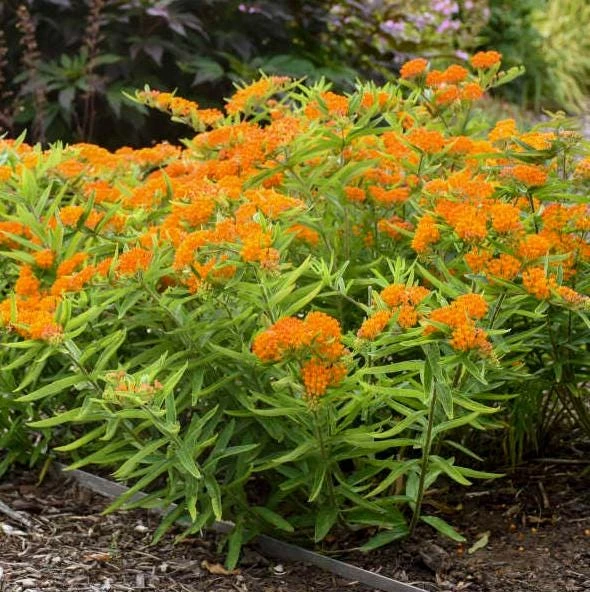
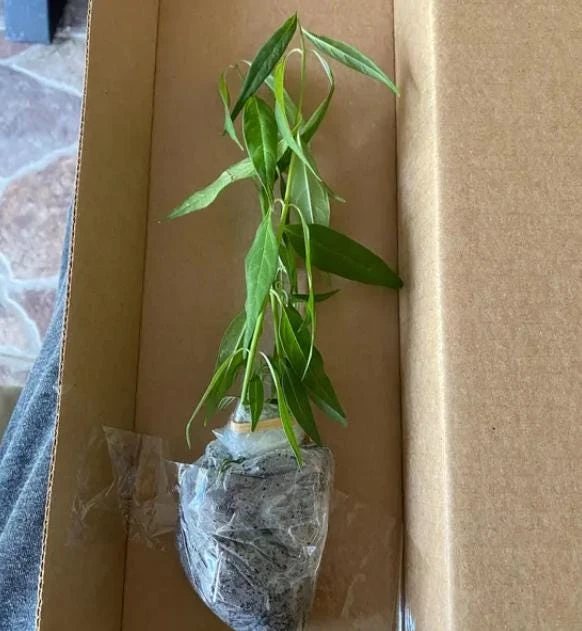
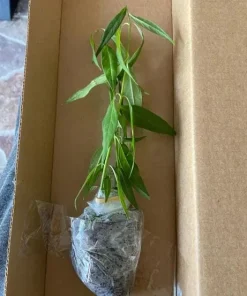
This offering includes a set of two healthy orange milkweed live plant specimens, each standing approximately 4 to 6 inches tall upon arrival. These young plants are ready to be transplanted into your garden, allowing them to establish strong root systems and grow into mature, flowering perennials. When fully mature, Asclepias tuberosa typically reaches a height of 1-3 feet and spreads about 1-2 feet wide, forming a bushy clump of upright stems. They are shipped as live plants, carefully packaged to ensure they arrive in excellent condition, ready for planting.
The blooming season for these plants extends from late spring through summer, providing a long period of vibrant color and pollinator activity. As herbaceous perennials, they will die back to the ground in colder months but vigorously re-emerge from their roots in the spring. They have a moderate growth rate, establishing well within their first year and producing abundant flowers in subsequent seasons. These milkweed for pollinators are an investment in your garden’s beauty and ecological health, promising years of enjoyment and support for crucial wildlife.
Frequently Asked Questions
- Q: How big does this orange milkweed live plant get? A: Each orange milkweed live plant typically grows to be about 1 to 3 feet tall and spreads 1 to 2 feet wide when mature. The plants you receive will be 4 to 6 inches tall, ready to grow into their full size in your garden.
- Q: Is this an indoor or outdoor plant? A: This is an outdoor plant. Orange milkweed live plant thrives in full sun conditions in garden beds or large outdoor containers and is not suitable for indoor cultivation.
- Q: How much sunlight does it need? A: Butterfly weed plant requires full sun, meaning at least 6-8 hours of direct sunlight per day, to produce the most vibrant blooms and maintain healthy growth.
- Q: Is this plant easy to care for? A: Yes, asclepias tuberosa plants are considered easy to care for. They are drought-tolerant once established and require minimal maintenance, making them great for gardeners of all experience levels.
- Q: What condition will it arrive in? A: Your orange milkweed live plant will arrive healthy and carefully packaged, typically 4 to 6 inches tall, with its root ball intact, ready for planting.
- Q: When is the best time to plant orange milkweed? A: The best time to plant orange milkweed care specimens is in spring after the last frost, or in early fall. This allows them to establish their root system before extreme weather.
- Q: Will it survive winter in my zone? A: Yes, orange milkweed live plant is hardy in USDA Zones 4 to 9. It will die back to the ground in winter and re-emerge from its roots in the spring in these zones.
- Q: What kind of soil does orange milkweed prefer? A: It prefers well-drained sandy or loamy soil. Good drainage is crucial, and it does not tolerate soggy conditions.
- Q: Why is orange milkweed important for butterflies? A: Milkweed for pollinators, especially orange milkweed, is the sole host plant for Monarch butterfly caterpillars, meaning Monarchs lay their eggs exclusively on milkweed, and their larvae feed on its leaves.
- Q: Do I need to fertilize my orange milkweed? A: Generally, orange milkweed care doesn’t require heavy fertilization. If your soil is poor, a light application of a balanced, slow-release fertilizer in spring can be beneficial.
Be the first to review “Orange Milkweed Live Plants Set of 2 – 4-6 Inch Tall Outdoor Garden”
People Also Viewed


Herb Seeds
Creeping Thyme Herb Flower Seeds – Blue Ground Cover, Thymus Serpyllum, 100+ Seeds, Perennial



Reviews
There are no reviews yet.