










Creeping Thyme Herb Flower Seeds – Blue Ground Cover, Thymus Serpyllum, 100+ Seeds, Perennial
Original price was: $41.99.$16.99Current price is: $16.99.
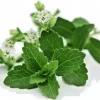
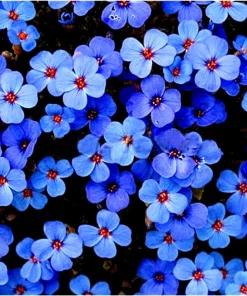
Cultivate a vibrant, fragrant landscape with over 100 creeping thyme herb flower seeds. Ideal for creating a beautiful blue ground cover, these perennial seeds (Thymus Serpyllum) are perfect for rock gardens, pathways, and erosion control. Enjoy their low-maintenance nature and attractive blooms.
Estimated arrival
Oct 15
Oct 20 - Oct 22
Oct 25 - Oct 29
Shop With Confidence
30-Day Plant Health Guarantee
Arrives damaged? We’ll replace it free — see our return policy.
Responsive Support
Email us anytime, we reply within 1 business day.
Expert Packaging
Temperature-controlled shipping to protect your plants in transit.
Secure Checkout
Pay safely with Visa, Mastercard, PayPal.
Plant Specifications
-
USDA Hardiness Zone
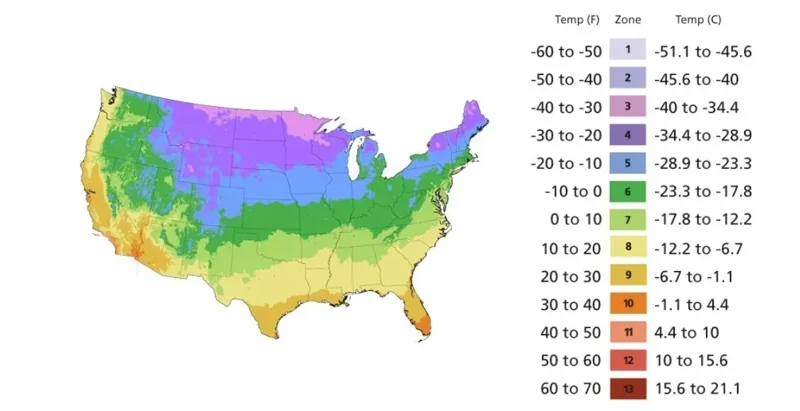
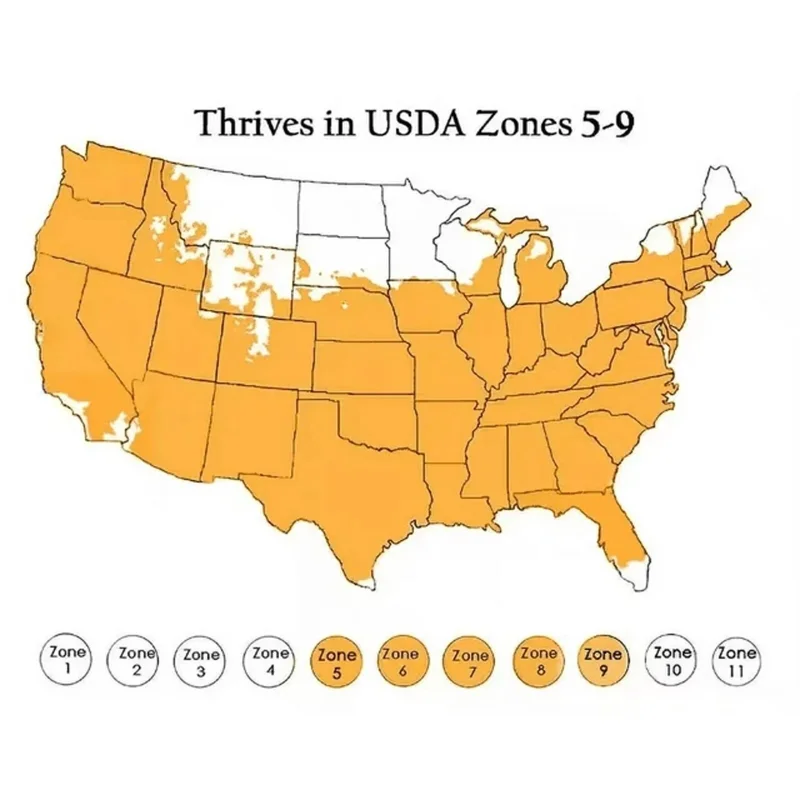
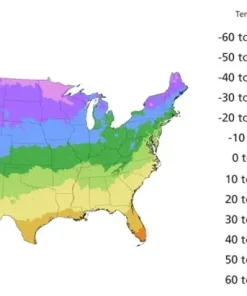
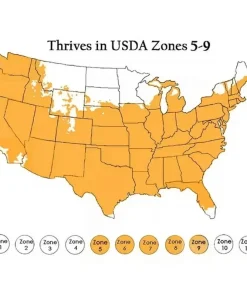
2 (-50 to -40 °F) to 9 -
Soil Type
Well-draining, adaptable to clay, loam, peat, sand; neutral pH -
Sunlight Exposure
Full Sun to Partial Shade -
Expected Planting Period
Spring to Summer
Overview
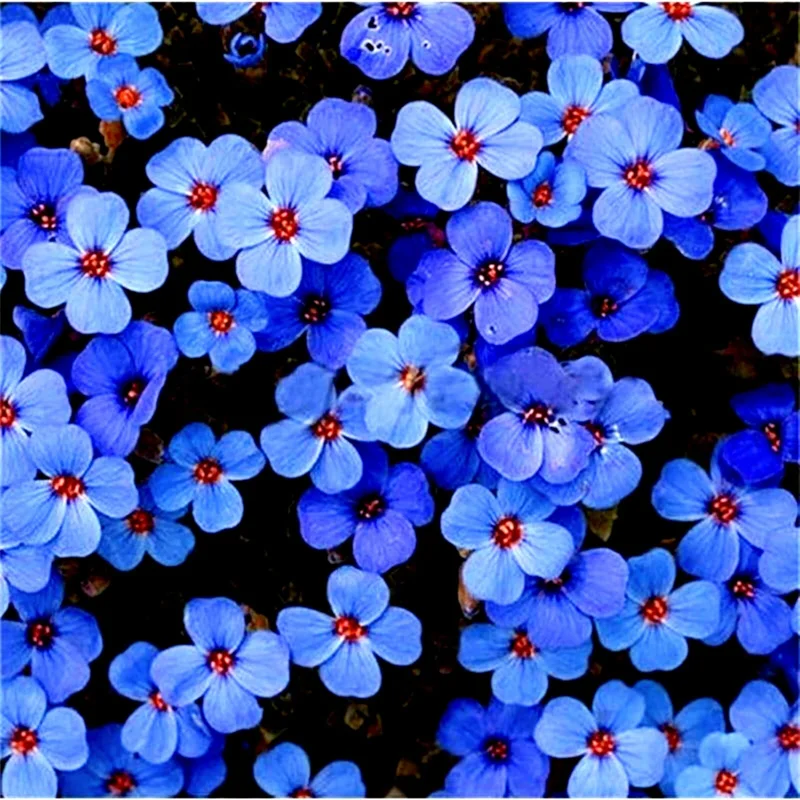
Transform your garden into a fragrant, beautiful haven with our premium creeping thyme herb flower seeds. This offering includes over 100 high-quality seeds of Thymus Serpyllum, commonly known as Wild Thyme or Creeping Thyme. Renowned for its low-growing, mat-forming habit, creeping thyme is an exceptional choice for ground cover, filling in spaces between pavers, or cascading over rock walls. Its delicate blue flowers emerge in summer, creating a stunning visual display and attracting beneficial pollinators like bees and butterflies. These hardy perennial seeds are easy to sow and establish, making them a fantastic addition for both novice and experienced gardeners looking to add year-round interest and a lovely aroma to their outdoor spaces.
Key Benefits
Discover the numerous advantages of incorporating creeping thyme herb flower seeds into your landscape design. This versatile plant offers both aesthetic appeal and practical benefits, enhancing the natural beauty and functionality of your garden.
- Beautiful Ground Cover: Forms a dense, attractive mat that suppresses weeds and provides a lush, green carpet with charming blue blooms throughout the summer. It’s an excellent alternative to traditional lawns in low-traffic areas.
- Fragrant Foliage: The leaves release a delightful herbaceous fragrance when walked upon or brushed against, adding an aromatic dimension to your garden experience.
- Attracts Pollinators: The small, abundant blue flowers are a magnet for bees, butterflies, and other beneficial insects, supporting local ecosystems and improving garden biodiversity.
- Low Maintenance: Once established, creeping thyme is drought-tolerant, requiring minimal watering and care, making it perfect for busy gardeners or xeriscaping projects.
- Erosion Control: Its spreading root system helps to stabilize soil on slopes and embankments, preventing erosion and maintaining the integrity of your landscape.
- Versatile Use: Ideal for rock gardens, pathways, borders, between stepping stones, or as a lawn substitute. It thrives in various settings, adding charm wherever it grows.
- Hardy Perennial: As a perennial herb, it returns year after year, providing continuous beauty and fragrance without the need for annual replanting of new thymus serpyllum seeds.
Plant Care & Growing Tips
Growing creeping thyme herb flower seeds is a rewarding experience, and with a few simple care guidelines, you can ensure a thriving, beautiful ground cover. This hardy plant is known for its resilience and adaptability, making it a favorite among gardeners.
Sunlight Requirements: Creeping thyme thrives in full sun, meaning it needs at least 6 hours of direct sunlight per day to produce the most abundant blooms and maintain dense growth. While it can tolerate partial shade, too much shade may result in leggy growth and fewer flowers. For optimal results, choose a location that receives ample morning sun and some afternoon shade in extremely hot climates to prevent scorching.
Watering Schedule and Soil Moisture Preferences: Once established, creeping thyme is quite drought-tolerant and prefers drier conditions. Water thoroughly when the top inch or two of soil feels dry to the touch, then allow the soil to dry out completely before watering again. Overwatering can lead to root rot, so ensure good drainage. During prolonged dry spells or in very hot weather, supplemental watering may be necessary.
Soil Type and Drainage Requirements: This plant is not particular about soil type and can grow in clay, loam, peat, or sand, but it absolutely requires well-draining soil. Poorly draining soil is the biggest enemy of creeping thyme. If your soil is heavy clay, amend it with organic matter or sand to improve drainage. A neutral soil pH is generally preferred, but it can tolerate a range of conditions. The plant habit is bedding (ground cover), so it will spread nicely.
Temperature Range and USDA Hardiness Zone: Creeping thyme is incredibly cold resistant and hardy, thriving in USDA Hardiness Zones 2 to 9, making it suitable for a wide range of climates from cold to tropical. It can withstand temperatures as low as -50°F. It is adaptable to various climates including arid, highland, humid continental, humid subtropical, and marine west coast conditions. It is a perennial herb with a life cycle that ensures it returns every year.
Fertilization Schedule and Type: Creeping thyme is a light feeder and generally does not require much fertilization. If your soil is very poor, a light application of a balanced, slow-release granular fertilizer in early spring can be beneficial. Avoid over-fertilizing, as this can lead to excessive foliage growth at the expense of flowers and can make the plant less compact. These perennial herb seeds are designed for robust, natural growth.
Common Problems and Solutions: The most common issues for creeping thyme are related to overwatering and poor drainage, which can cause root rot. Ensure proper soil conditions and avoid excessive moisture. Pests are rarely a problem, but occasionally spider mites or aphids may appear. These can usually be managed with a strong spray of water or an insecticidal soap if necessary. Its features include being edible, evergreen, fast-growing, and flowering, adding to its appeal.
Size & Details
Our offering provides over 100 high-quality creeping thyme herb flower seeds, ensuring you have ample supply to establish a beautiful ground cover. These seeds will grow into plants that typically reach a height of 4-6 inches (10-15 cm) and spread up to 18-24 inches (45-60 cm) wide, forming a dense, mat-like habit. The growth habit is clumping, but it will spread to fill spaces. The plant is classified as a decorative plant with blue flowers. The seeds are from a fresh harvest, ensuring good germination rates. The plant type is herb seeds, and it has a moderate cultivating difficulty. It is known for being draught resistant and evergreen, providing year-round interest in many zones. The scientific name is Thymus Serpyllum, and it is a wonderful choice for creating a living carpet.
Frequently Asked Questions
- Q: How big does creeping thyme get? A: Creeping thyme typically grows to a height of 4-6 inches and can spread up to 18-24 inches wide, forming a dense, mat-like ground cover. Its low-growing habit makes it perfect for pathways and rock gardens.
- Q: Is this an indoor or outdoor plant? A: While primarily grown outdoors as a ground cover, creeping thyme can be grown indoors in a sunny spot with good drainage. However, it thrives best in outdoor garden settings.
- Q: How much sunlight does creeping thyme need? A: Creeping thyme prefers full sun, requiring at least 6 hours of direct sunlight daily for optimal growth and flowering. It can tolerate partial shade but may not bloom as profusely.
- Q: Is creeping thyme easy to care for? A: Yes, creeping thyme is considered moderate in cultivating difficulty and is relatively low-maintenance once established. It’s drought-tolerant and generally pest-free, making it a great choice for beginners.
- Q: What condition will the seeds arrive in? A: You will receive over 100 high-quality creeping thyme herb flower seeds in a packet, ready for planting. They are from a fresh harvest to ensure good germination rates.
- Q: How long until creeping thyme blooms? A: From seed, creeping thyme typically establishes its foliage in the first year and may start to produce its beautiful blue flowers in the second year, blooming primarily in the summer.
- Q: Will creeping thyme survive winter in my zone? A: Yes, creeping thyme is very cold resistant and hardy, thriving in USDA Zones 2-9. It is a perennial, meaning it will return year after year, even after cold winters.
- Q: Can I walk on creeping thyme? A: Yes, blue creeping thyme is tolerant of light foot traffic. When walked upon, it releases a pleasant herbal fragrance, adding to its appeal as a ground cover.
- Q: What kind of soil is best for these thymus serpyllum seeds? A: Creeping thyme prefers well-draining soil, but is adaptable to various soil types including clay, loam, peat, and sand. The most crucial factor is excellent drainage to prevent root rot.
- Q: Is creeping thyme edible? A: Yes, creeping thyme is an edible herb. Its leaves can be used fresh or dried in culinary applications, similar to common thyme, adding a delicate flavor to dishes.
Be the first to review “Creeping Thyme Herb Flower Seeds – Blue Ground Cover, Thymus Serpyllum, 100+ Seeds, Perennial”
People Also Viewed

Reviews
There are no reviews yet.