



Sweet Autumn Clematis Vine Live Plant – Fragrant White Flowers – 2.5″ Pot – Outdoor
Original price was: $52.99.$42.99Current price is: $42.99.
Enhance your garden with the beautiful sweet autumn clematis vine. This vigorous climber produces abundant, fragrant white flowers in late summer to autumn. Ideal for trellises, fences, and arbors, it offers a stunning display of blooms. Enjoy the delightful scent and visual appeal of this easy-to-grow perennial vine.
Estimated arrival
Sep 29
Oct 04 - Oct 06
Oct 09 - Oct 13
Shop With Confidence
30-Day Plant Health Guarantee
Arrives damaged? We’ll replace it free — see our return policy.
Responsive Support
Email us anytime, we reply within 1 business day.
Expert Packaging
Temperature-controlled shipping to protect your plants in transit.
Secure Checkout
Pay safely with Visa, Mastercard, PayPal.
Plant Specifications
-
USDA Hardiness Zone
USDA Zones 4-8 -
Soil Type
Fertile, humus-rich, well-drained soil -
Sunlight Exposure
Full sun to partial shade (roots prefer shade) -
Expected Planting Period
Spring to early autumn
Overview
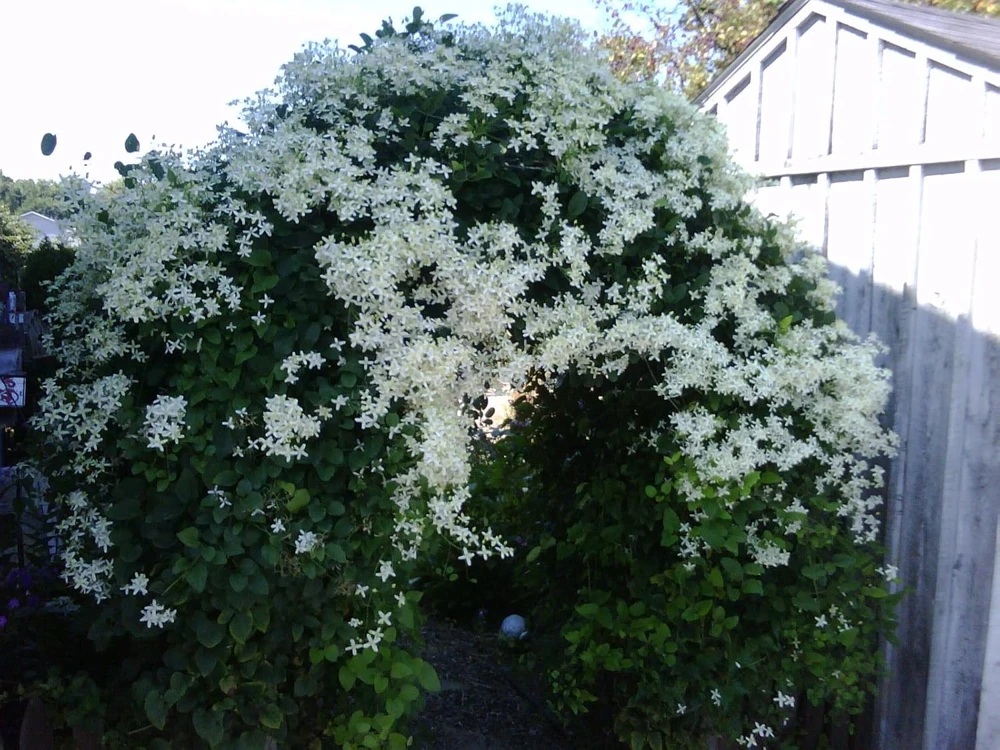
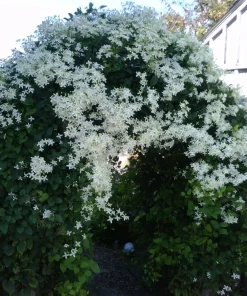
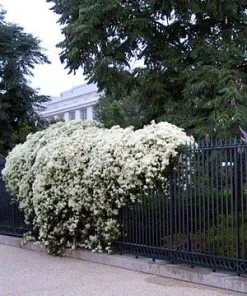
Introduce a breathtaking display of late-season beauty to your landscape with the sweet autumn clematis vine. This remarkable live plant, botanically known as Clematis paniculata, is celebrated for its vigorous growth and an abundance of small, star-shaped white flowers that release a delightful, sweet fragrance. Often referred to as the “Queen of Vines,” nothing quite matches the spectacular show this clematis puts on in full bloom. It’s a semi-evergreen or deciduous vine that can rapidly climb up to 30 feet, making it an excellent choice for decorating mailboxes, trellises, fences, and porches. Its glossy, deep green compound leaves provide an attractive backdrop for the billowy masses of white flowers that can make the vine appear covered in snow from late summer through autumn. This plant is not only visually stunning but also relatively easy to grow, making it a perfect addition for both experienced gardeners and beginners looking to add vertical interest and charm to their outdoor spaces.
The sweet autumn clematis vine is known for its resilience and ability to thrive in a variety of conditions, making it a versatile choice for many gardens across the United States. Its ability to cover large areas quickly makes it an ideal solution for natural screening or adding a lush, flowering element to structures. The fragrant blooms attract pollinators, contributing to a healthy garden ecosystem. Even after the flowers fade, the silvery-gray, feather-like seed heads offer continued ornamental interest well into winter. This robust vine ensures a long season of enjoyment, from its initial vigorous growth to its spectacular autumn bloom and unique seed pods.
Key Benefits
The sweet autumn clematis vine offers numerous advantages for any garden, combining aesthetic appeal with ease of care:
- Spectacular Late Season Blooms: Enjoy an explosion of countless small, star-shaped white flowers from late summer through autumn, providing a crucial burst of color when many other plants have finished blooming. This extended bloom period ensures your garden remains vibrant and engaging.
- Delightful Fragrance: The abundant white flowers release a sweet, alluring scent, making this vine a perfect choice for planting near patios, windows, or entryways where its perfume can be fully appreciated. The fragrance adds another sensory layer to your garden experience.
- Vigorous Growth & Coverage: As a robust climber, the sweet autumn clematis vine can reach up to 30 feet, quickly covering trellises, arbors, fences, and pergolas. It provides excellent privacy screening and adds a lush, natural aesthetic to any structure.
- Low Maintenance & Easy Care: Despite its grand appearance, this clematis is surprisingly easy to grow and maintain, making it suitable for gardeners of all skill levels. With proper planting and basic care, it will flourish and reward you with abundant blooms.
- Attractive Foliage & Seed Heads: Beyond its stunning flowers, the vine features glossy, deep green compound leaves that remain attractive throughout the growing season. After flowering, it produces decorative silvery-gray, feather-like seed heads, offering continued visual interest.
- Pollinator Friendly: The profusion of fragrant flowers attracts beneficial pollinators such as bees and butterflies, contributing to the health and biodiversity of your garden ecosystem. This makes it an environmentally conscious choice for your landscape.
- Hardy and Adaptable: This clematis is hardy in USDA zones 4-8, demonstrating good adaptability to various climates and conditions. Its resilience ensures it will return year after year, providing reliable beauty.
Plant Care & Growing Tips
Caring for your sweet autumn clematis vine is straightforward, especially when you follow a few key guidelines to ensure its vigorous growth and abundant flowering. This plant thrives with a particular balance of sun and shade, often summarized by the saying, “Tops in the sun and feet in the shade.” This means the vine itself prefers ample sunlight for optimal blooming, ideally at least 6 hours of direct sun per day. However, its roots benefit from being kept cool and shaded. You can achieve this by planting small, low-growing plants or a ground cover like ivy, myrtle, or pachysandra around the base of the clematis, or by applying a thick layer of mulch.
When it comes to watering, consistent moisture is key, especially during dry periods and in its first year of establishment. The clematis paniculata care routine should include deep watering when the top inch or two of soil feels dry to the touch, ensuring the water penetrates to the root zone. Good drainage is crucial, as clematis does not tolerate soggy feet. Plant in fertile, humus-rich, well-drained soil. Amend heavy clay soils with organic matter to improve drainage and aeration. For fertilization, feed your fragrant clematis plant once a month during the growing season with a balanced fertilizer, or a fertilizer slightly higher in phosphorus to encourage flowering. Mulch with composted manure or compost annually in spring to enrich the soil and retain moisture. Pruning for Sweet Autumn Clematis is generally light; it blooms on new wood, so prune in late winter or early spring, removing dead or weak stems and shaping as desired.
Protecting your white clematis for trellis during winter in colder zones involves ensuring the base is well-mulched. While generally disease-resistant, watch for common clematis issues like wilt, which can be managed by good air circulation and proper planting depth. Providing a sturdy support structure from the start, such as a trellis or arbor, is essential for this robust climber. With these care tips, your autumn flowering vine will provide years of stunning, fragrant blooms.
Size & Details
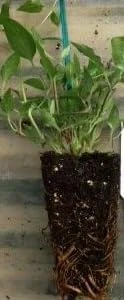
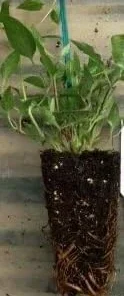
This sweet autumn clematis vine is offered as a live plant, typically arriving in a 2.5-inch nursery pot, ready for planting. At maturity, this vigorous vine can reach impressive heights of 20 to 30 feet with a spread of 6 to 10 feet, making it an excellent choice for substantial vertical coverage. Its rapid growth rate means it will quickly establish itself and begin to provide a lush display. The star-shaped white flowers are approximately 1.25 inches across and are borne in numerous branching panicles, creating a dense, billowy effect. Expect the first significant flush of fragrant blooms from late summer through autumn, specifically from August to September, with established plants providing an even more spectacular show. This plant is hardy in USDA Zones 4-8, indicating its resilience across a wide range of climates.
Frequently Asked Questions
- Q: How big does this plant get? A: The sweet autumn clematis vine is a vigorous grower and can reach heights of 20 to 30 feet, with a spread of 6 to 10 feet. It’s an excellent choice for covering large structures quickly.
- Q: What size pot does it come in? A: This live plant typically arrives in a 2.5-inch nursery pot, ready for you to transplant into your garden or a larger container.
- Q: Is this an indoor or outdoor plant? A: The sweet autumn clematis vine is an outdoor plant, best suited for gardens where it can climb and receive ample sunlight. It is hardy in USDA Zones 4-8.
- Q: How much sunlight does it need? A: For optimal blooming, this clematis requires at least 6 hours of direct sunlight per day for its foliage, but its roots prefer to be kept cool and shaded.
- Q: Is this plant easy to care for? A: Yes, the clematis paniculata care is considered relatively easy. It’s a robust and adaptable plant, making it suitable for both beginner and experienced gardeners.
- Q: What condition will it arrive in? A: Your fragrant clematis plant will arrive as a healthy, live plant in a 2.5-inch pot, carefully packaged to ensure its safe journey to your home.
- Q: How long until it blooms? A: Established plants typically begin blooming from late summer through autumn, usually August to September. You may see some blooms in its first year, with more prolific flowering in subsequent years.
- Q: When is the best time to plant? A: Spring or early autumn are generally the best times to plant the sweet autumn clematis vine, allowing it to establish its root system before extreme temperatures.
- Q: Will it survive winter in my zone? A: This clematis is hardy in USDA Zones 4-8. In colder zones, ensure the base is well-mulched for winter protection.
- Q: What’s the minimum temperature it can tolerate? A: Being hardy in USDA Zone 4, it can tolerate winter temperatures down to approximately -30°F to -20°F (-34°C to -29°C) once established.
- Q: Can I use this for a privacy screen? A: Absolutely! Its vigorous growth and ability to climb up to 30 feet make it an excellent choice for creating natural privacy screens on fences, pergolas, or large trellises.
Be the first to review “Sweet Autumn Clematis Vine Live Plant – Fragrant White Flowers – 2.5″ Pot – Outdoor”
People Also Viewed

Reviews
There are no reviews yet.