


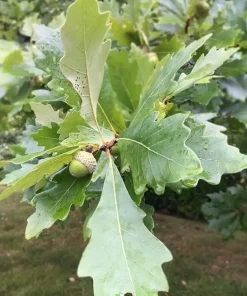
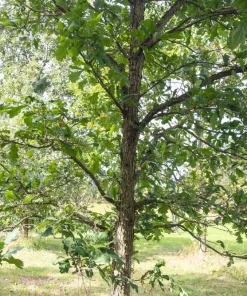
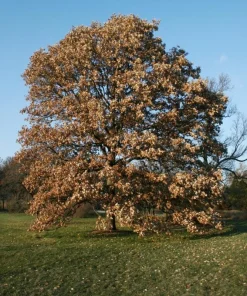
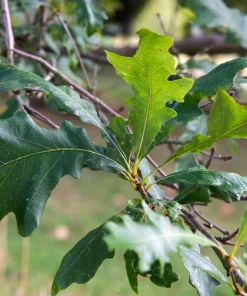
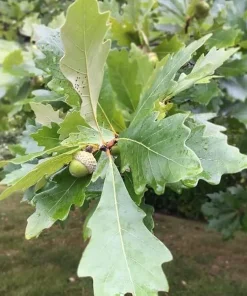
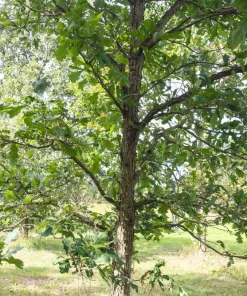
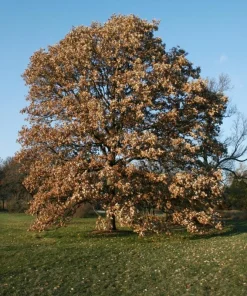
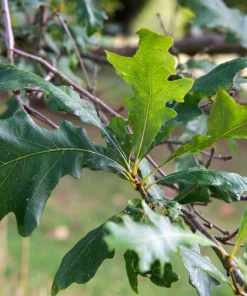
Swamp White Oak Tree (Quercus bicolor) Live Plant – 12-24″ Tall Starter Plant
Original price was: $79.99.$54.99Current price is: $54.99.
Cultivate a majestic swamp white oak tree in your landscape. This Quercus bicolor starter plant, measuring 12-24 inches, offers striking two-toned leaves and adaptability to various soil conditions, making it an excellent native shade tree for supporting local wildlife.
Estimated arrival
Sep 29
Oct 04 - Oct 06
Oct 09 - Oct 13
Shop With Confidence
30-Day Plant Health Guarantee
Arrives damaged? We’ll replace it free — see our return policy.
Responsive Support
Email us anytime, we reply within 1 business day.
Expert Packaging
Temperature-controlled shipping to protect your plants in transit.
Secure Checkout
Pay safely with Visa, Mastercard, PayPal.
Plant Specifications
-
USDA Hardiness Zone
USDA Zones 4-8 -
Soil Type
Adaptable; prefers deep, rich, acidic, well-drained loam but tolerates wet clay soils -
Sunlight Exposure
Full sun to partial shade -
Expected Planting Period
Early spring or late fall
Overview
Introduce a magnificent addition to your landscape with the swamp white oak tree (Quercus bicolor). This live starter plant, typically 12-24 inches tall, is a distinguished native North American shade tree renowned for its unique two-toned leaves and impressive longevity, often thriving for over 300 years. The Quercus bicolor starter plant is an excellent choice for those looking to establish a robust and ecologically valuable tree. Despite its name, the swamp white oak does not require standing water but flourishes in low-lying, wet, or poorly drained areas that may experience occasional flooding, making it an incredibly adaptable oak tree. Its presence significantly enhances local ecosystems, providing food and shelter for a variety of wildlife. This tree is not only a beautiful ornamental but also a crucial component for a thriving natural environment.
The swamp white oak tree is a large, deciduous species that contributes significantly to a healthy environment. It’s an ideal selection for homeowners and landscapers seeking a durable and beneficial tree that can withstand varied environmental conditions. Its ability to adapt to both wet and dry soils makes it a versatile choice for many planting sites. Growing a Quercus bicolor starter plant means investing in a long-term landscape feature that will provide beauty and ecological benefits for generations.
Key Benefits
The swamp white oak tree offers a multitude of benefits for both your property and the local ecosystem. Its hardiness and ecological value make it a superior choice for many landscapes.
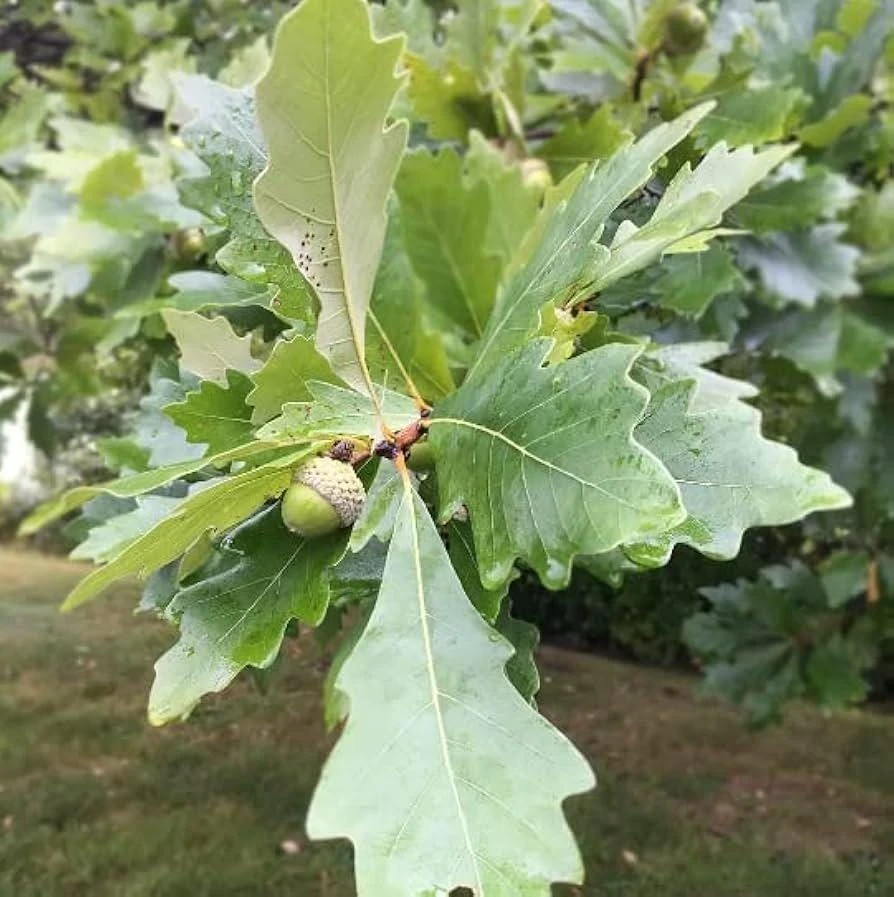
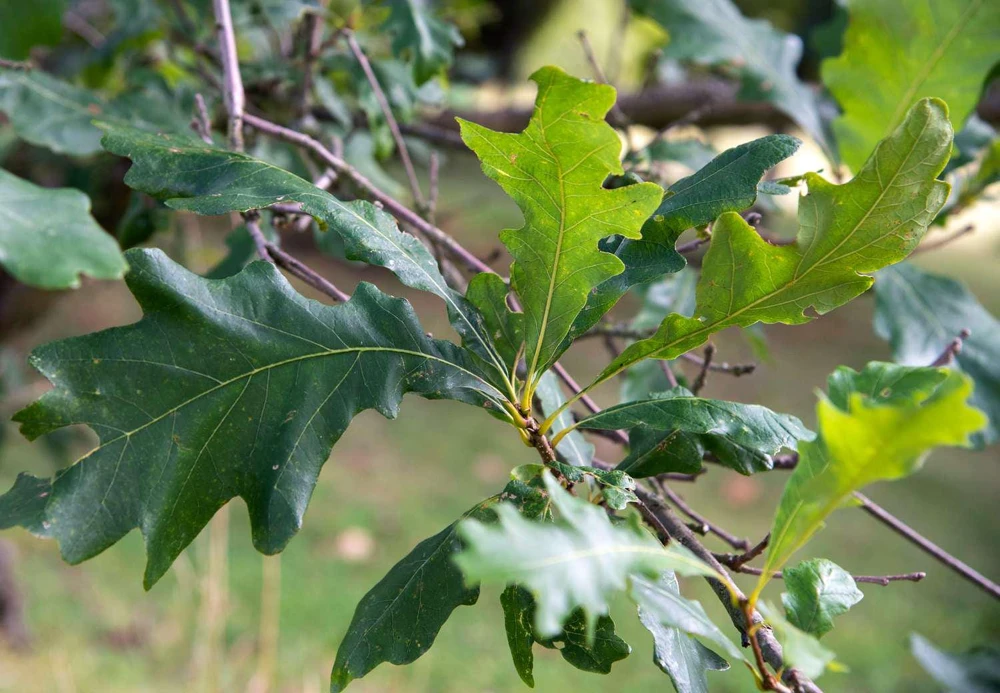
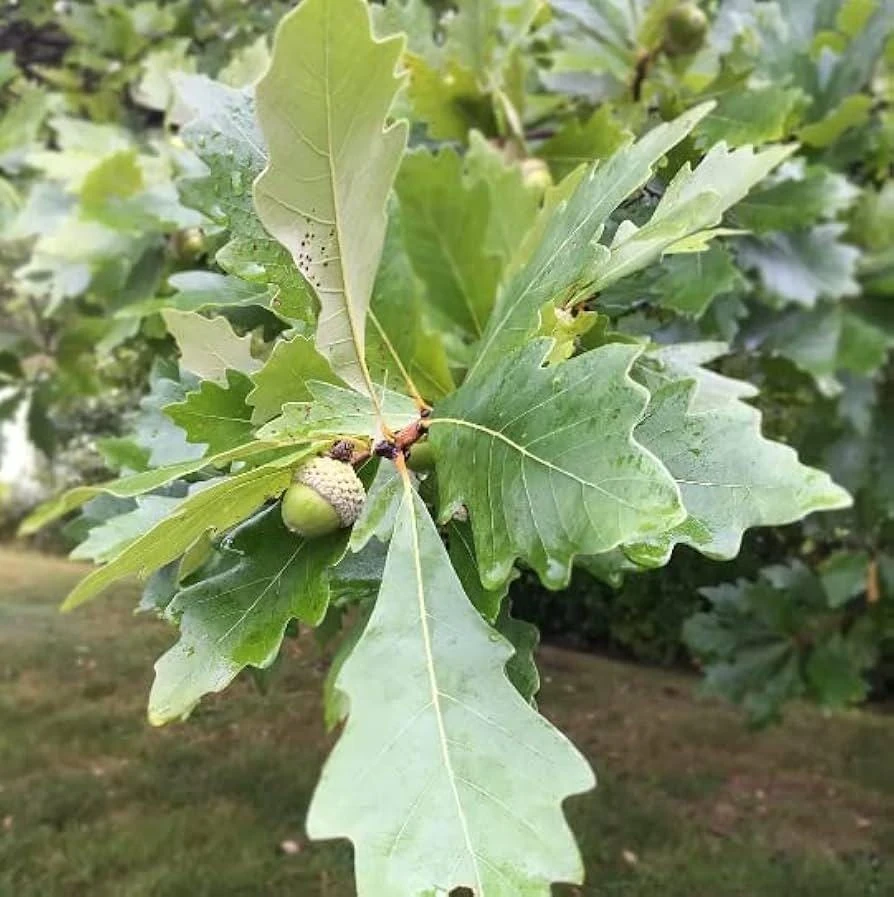
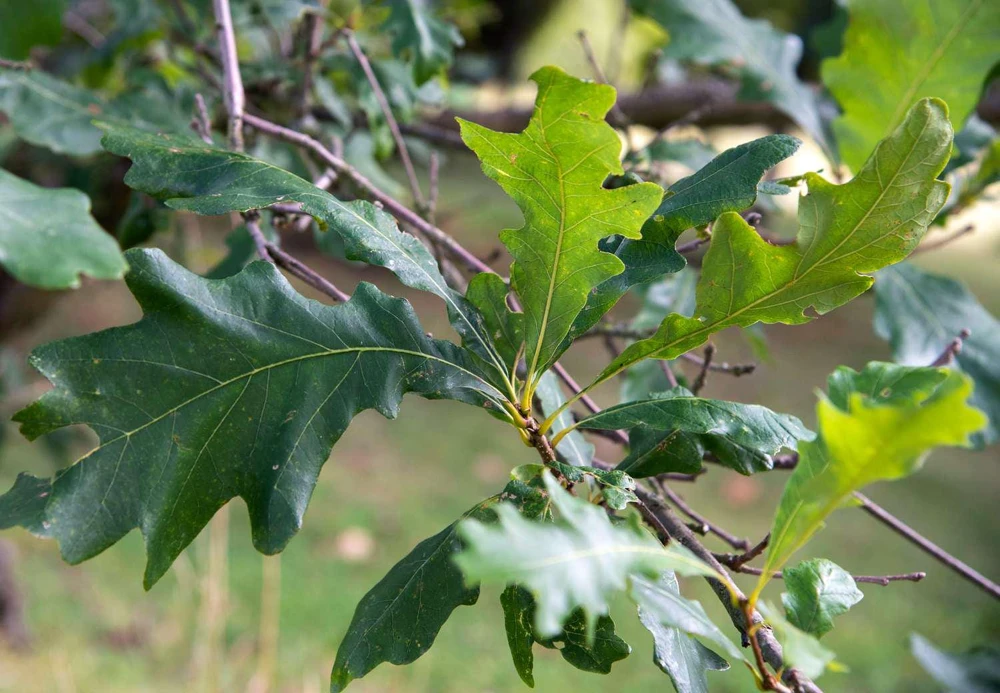
- Striking Foliage: The leaves feature a distinctive two-toned appearance, dark green on top and silvery-white underneath, providing visual interest throughout the growing season. This unique characteristic makes it stand out among other shade trees.
- Wildlife Support: Produces acorns that mature in a single season, serving as a vital food source for a wide array of wildlife, including squirrels, deer, turkeys, and ducks. Planting this tree helps create a robust wildlife habitat tree.
- Adaptability: Highly tolerant of various soil conditions, including wet, poorly drained, and occasionally flooded areas, as well as surprisingly adaptable to drier sites once established. This makes it a truly adaptable oak tree for diverse landscapes.
- Long Lifespan: Known for its impressive longevity, often living for more than 300 years, ensuring a lasting legacy and a mature shade canopy for future generations.
- Native Species: As a native North American species, it is well-suited to the climate and generally more resistant to local pests and diseases, requiring less intervention.
- Shade Provider: Develops into a large, stately shade tree, offering substantial cooling and comfort during hot summer months, reducing energy costs for nearby structures.
- Erosion Control: Its extensive root system helps stabilize soil, making it valuable for erosion control, especially in areas prone to periodic flooding.
Plant Care & Growing Tips
Caring for your swamp white oak tree involves understanding its specific needs to ensure robust growth and longevity. This native shade tree is relatively low-maintenance once established, but proper initial care is crucial. For best results, plant your Quercus bicolor starter plant in a location that receives full sun to partial shade, meaning at least 6 hours of direct sunlight per day. While it tolerates a range of soil types, it prefers deep, rich, acidic, and well-drained loamy soils. However, its notable adaptability allows it to thrive in wetter, heavier clay soils where many other oaks would struggle.
Watering is critical during the first few years after planting. Ensure the soil remains consistently moist but not waterlogged. Deep watering once or twice a week, depending on rainfall and temperature, will encourage a strong root system. Once established, the swamp white oak tree becomes quite drought-tolerant. Fertilization is generally not necessary for established trees in good soil, but a balanced, slow-release fertilizer can be applied in early spring for young trees or those in poor soil conditions. Pruning should be done in late winter or early spring to remove dead, damaged, or crossing branches, focusing on maintaining a strong central leader. This will help your adaptable oak tree develop its characteristic strong structure. Monitor for common oak pests and diseases, though this species is generally resistant.
The swamp white oak tree thrives in USDA Hardiness Zones 4-8. It is tolerant of urban conditions and road salt, making it a good choice for various settings. Ensure adequate space for its mature size, as it can reach heights of 50-60 feet with a similar spread. Regular mulching around the base helps retain soil moisture, regulate temperature, and suppress weeds, contributing to the overall health of your wildlife habitat tree.
Size & Details
This offering is for one swamp white oak tree live starter plant, measuring approximately 12-24 inches tall at the time of shipping. These plants are typically shipped as bare root specimens, ready for immediate planting upon arrival. The minimum height will be 6-12 inches, ensuring a healthy young plant to start with. The Quercus bicolor starter plant will establish quickly with proper care, developing into a significant landscape feature over time. Swamp white oaks are known for their moderate to fast growth rate, typically adding 1-2 feet per year once established. Expect your tree to begin producing acorns within 10-20 years, contributing to the local ecosystem as a valuable wildlife habitat tree.
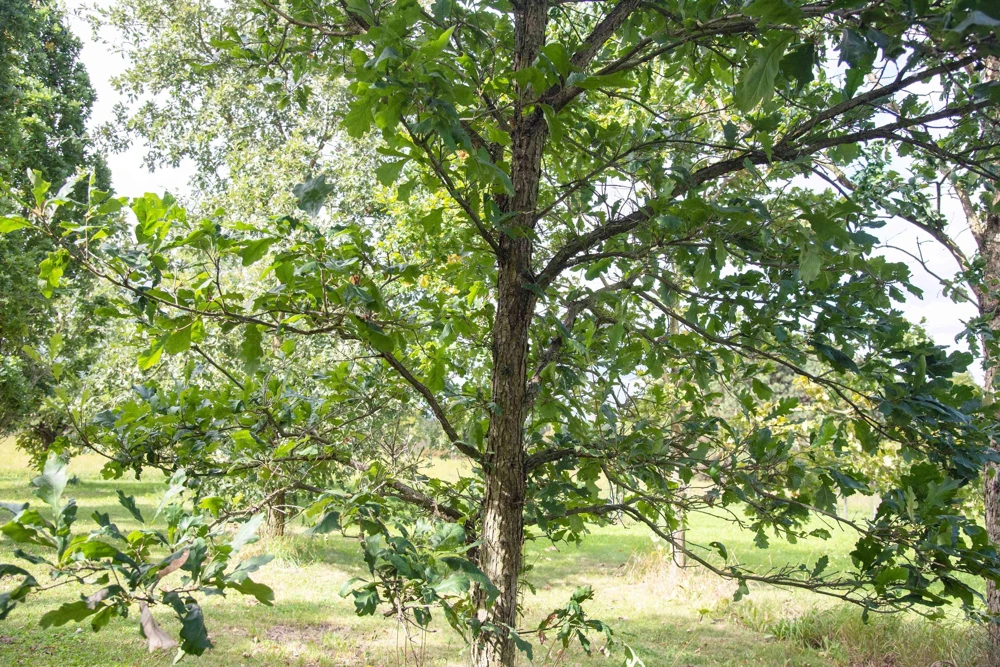
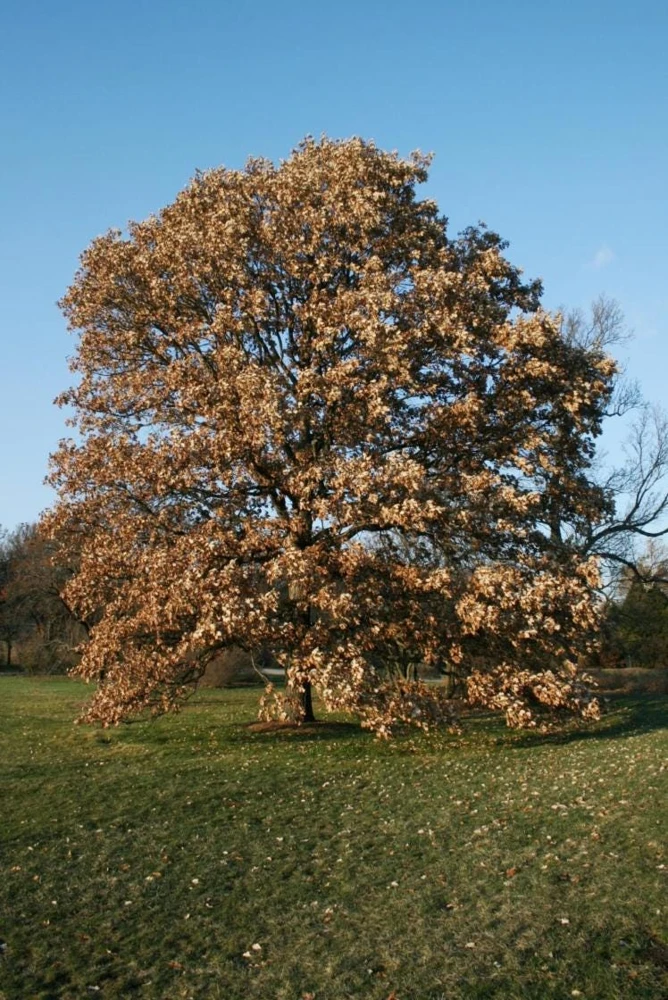
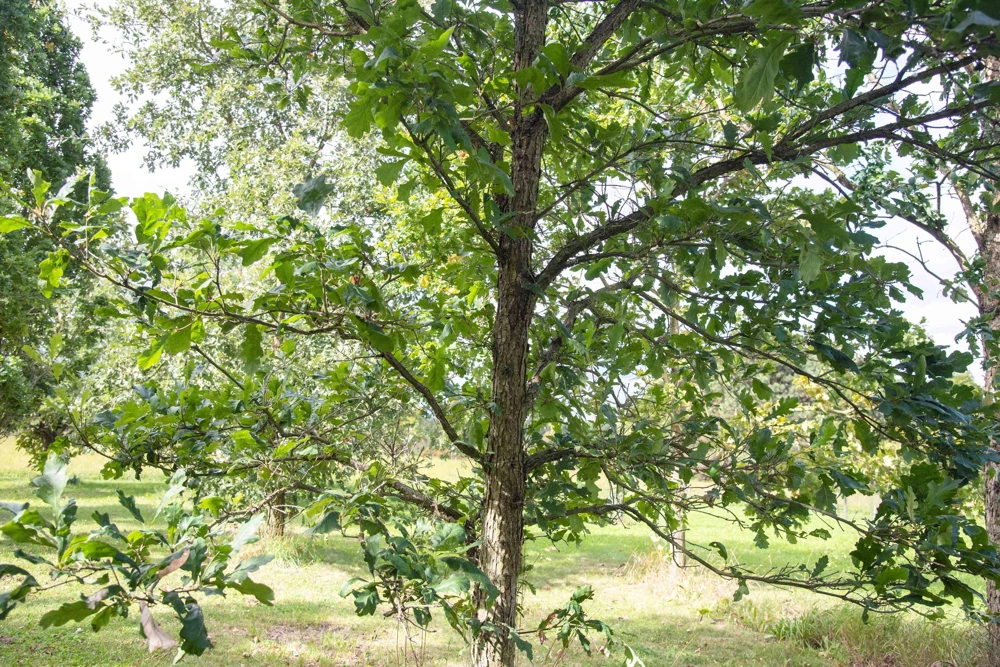
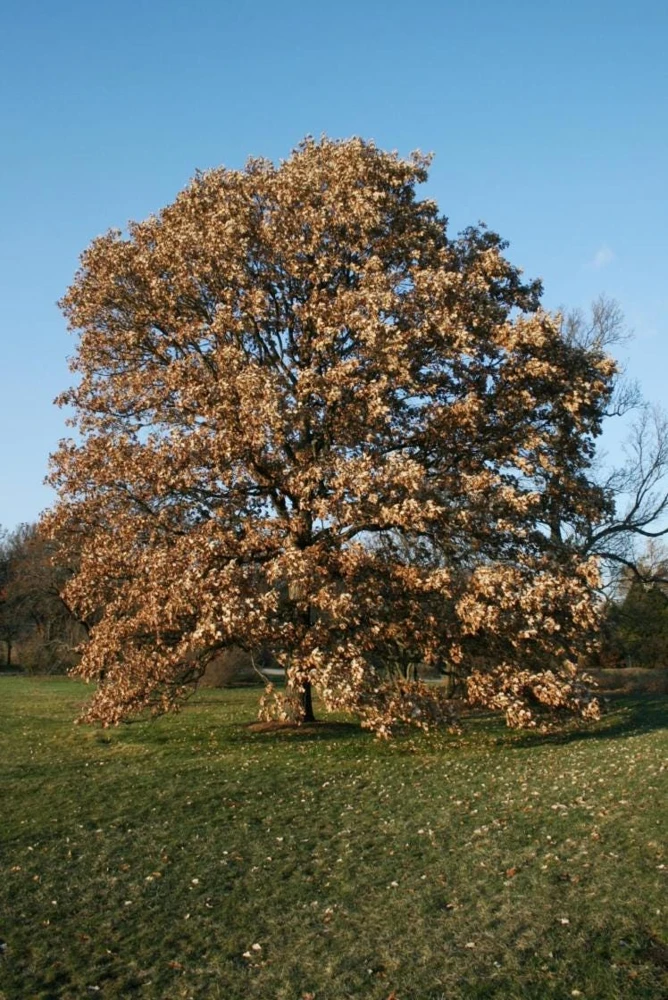
At maturity, a swamp white oak tree can reach an impressive height of 50-60 feet with a spread of 50-60 feet, forming a broad, rounded canopy. Its substantial size makes it an ideal choice for large landscapes, parks, or as a street tree where ample space is available. The adaptability of this adaptable oak tree to various soil conditions, including those with poor drainage, makes it a resilient choice for challenging sites. Its robust nature and long lifespan ensure that this tree will be a prominent and beneficial part of your environment for many decades to come.
Frequently Asked Questions
- Q: How big will the swamp white oak tree get at maturity? A: A mature swamp white oak tree typically reaches heights of 50-60 feet with a similar spread, forming a broad, rounded canopy that provides excellent shade.
- Q: What condition will the Quercus bicolor starter plant arrive in? A: Your Quercus bicolor starter plant will typically ship as a bare root specimen, meaning it will be carefully packaged without soil to ensure safe transport and easy planting upon arrival.
- Q: Is this an indoor or outdoor plant? A: The swamp white oak tree is a large deciduous tree and is intended for outdoor planting. It requires ample space to grow and thrive.
- Q: How much sunlight does the adaptable oak tree need? A: This adaptable oak tree thrives in full sun to partial shade, ideally receiving at least 6 hours of direct sunlight per day for optimal growth.
- Q: Is the swamp white oak tree easy to care for? A: Yes, once established, the swamp white oak tree is relatively low-maintenance. It is known for its hardiness and adaptability to various soil conditions.
- Q: When is the best time to plant a bare root swamp white oak tree? A: The best time to plant a bare root swamp white oak tree is in early spring, after the last frost but before the tree breaks dormancy, or in late fall after leaf drop.
- Q: Will the wildlife habitat tree attract pests? A: While no tree is entirely immune, the swamp white oak tree is generally resistant to many common pests and diseases that affect other oak species, making it a resilient choice for a wildlife habitat tree.
- Q: What kind of soil does the swamp white oak prefer? A: While it prefers deep, rich, acidic, and well-drained loamy soils, the swamp white oak tree is highly adaptable and can tolerate heavier clay soils and even periodically wet conditions.
- Q: How quickly does the Quercus bicolor starter plant grow? A: Once established, the Quercus bicolor starter plant exhibits a moderate to fast growth rate, typically adding 1-2 feet of height per year.
- Q: Is this tree suitable for urban environments? A: Yes, the swamp white oak tree shows good tolerance to urban conditions, including road salt and compacted soils, making it a viable option for city landscapes.
Be the first to review “Swamp White Oak Tree (Quercus bicolor) Live Plant – 12-24″ Tall Starter Plant”
People Also Viewed
Shrubs
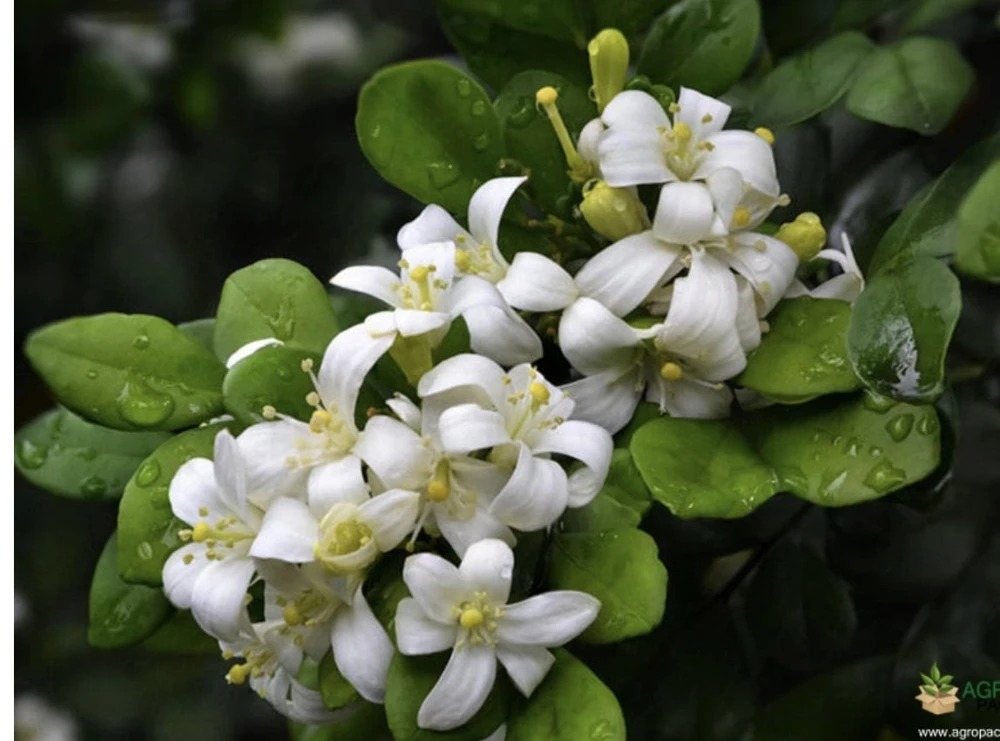
Large Orange Jasmine in 10″ Pot, Murraya paniculata. No SHIP to CA, HI, Tx, Az, La, Pr, Guam, Vi, Al
Houseplants
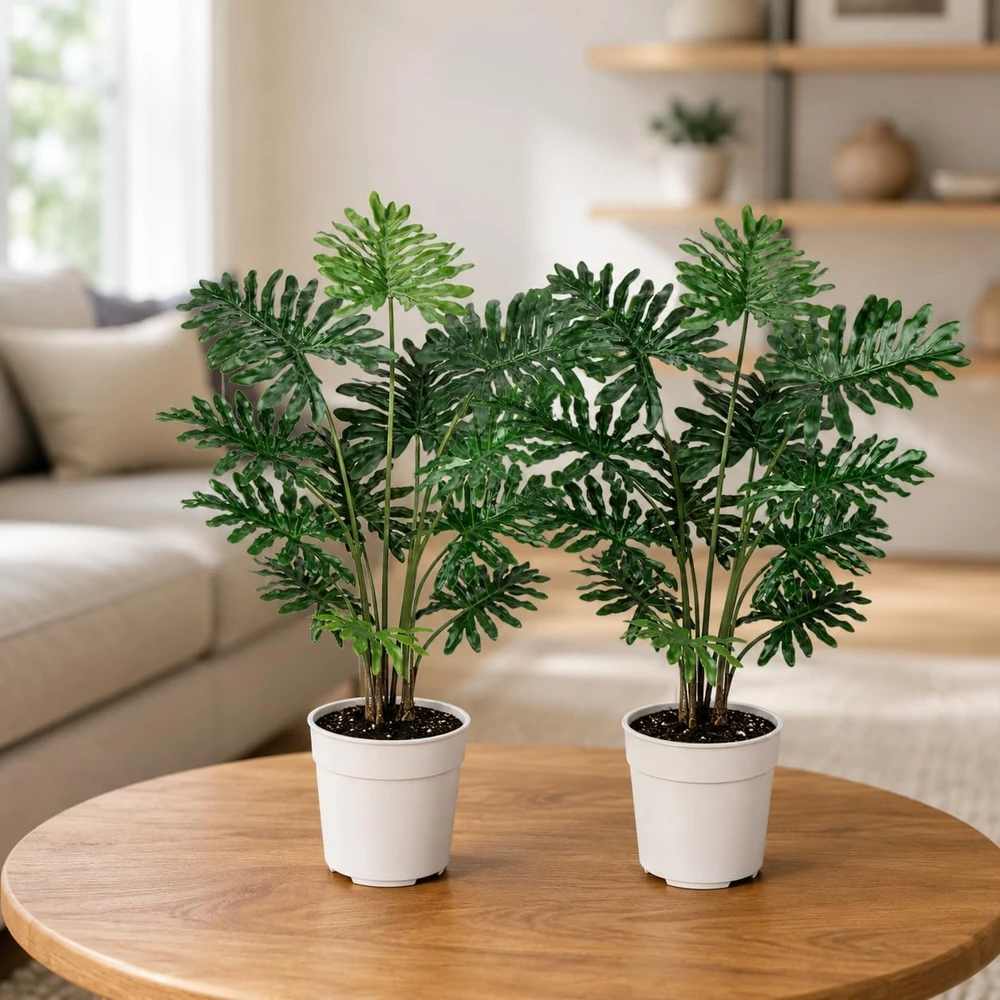
Set of 2 Tree Philodendron Live Plants, Faux Monstera, Indoor Tropical, 5-8 Inch Tall, 4 Inch Pot
Flower Seeds
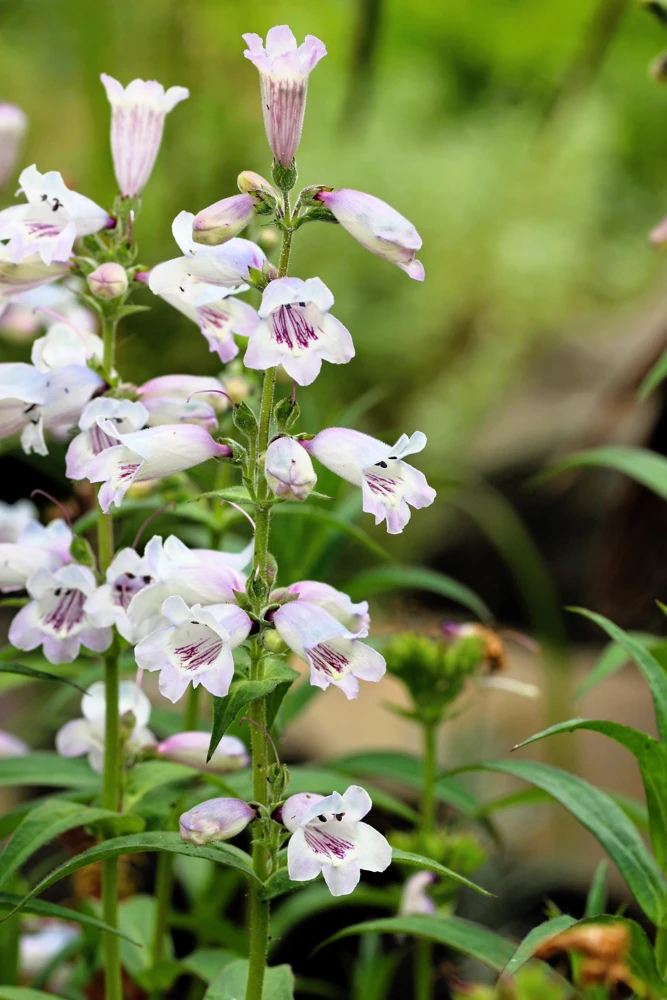
Pale Beardtongue Penstemon Pallidus Flower Seeds – 500 Seeds, White Lavender, Zones 4-8
Reviews
There are no reviews yet.