
Pigeon Pea Seeds – 30 Count Cajanus Cajan Vegetable Seeds for Planting
Original price was: $36.99.$16.99Current price is: $16.99.
Cultivate your own nutritious pigeon pea seeds, perfect for warm climates. These Cajanus Cajan seeds yield high-protein vegetables, known also as Gungo or Dhal, ideal for a variety of culinary uses.
Estimated arrival
Sep 17
Sep 22 - Sep 24
Sep 27 - Oct 01
Shop With Confidence
30-Day Plant Health Guarantee
Arrives damaged? We’ll replace it free — see our return policy.
Responsive Support
Email us anytime, we reply within 1 business day.
Expert Packaging
Temperature-controlled shipping to protect your plants in transit.
Secure Checkout
Pay safely with Visa, Mastercard, PayPal.
Plant Specifications
-
USDA Hardiness Zone
9-10 -
Soil Type
Average - Dry, well-draining -
Sunlight Exposure
Full Sun -
Expected Planting Period
When soil temp warms to 70F
Overview
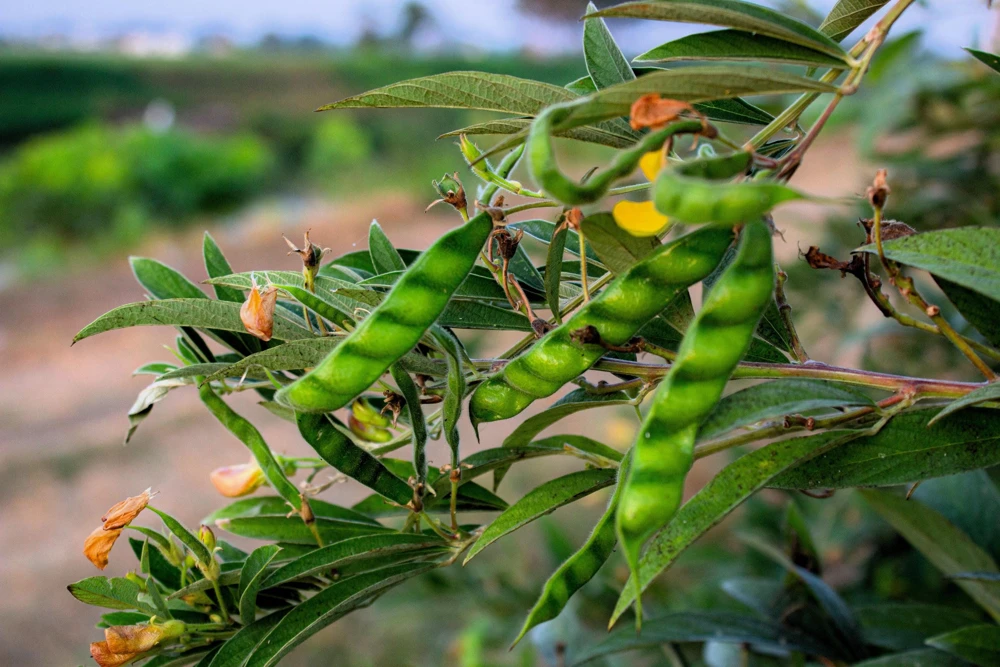
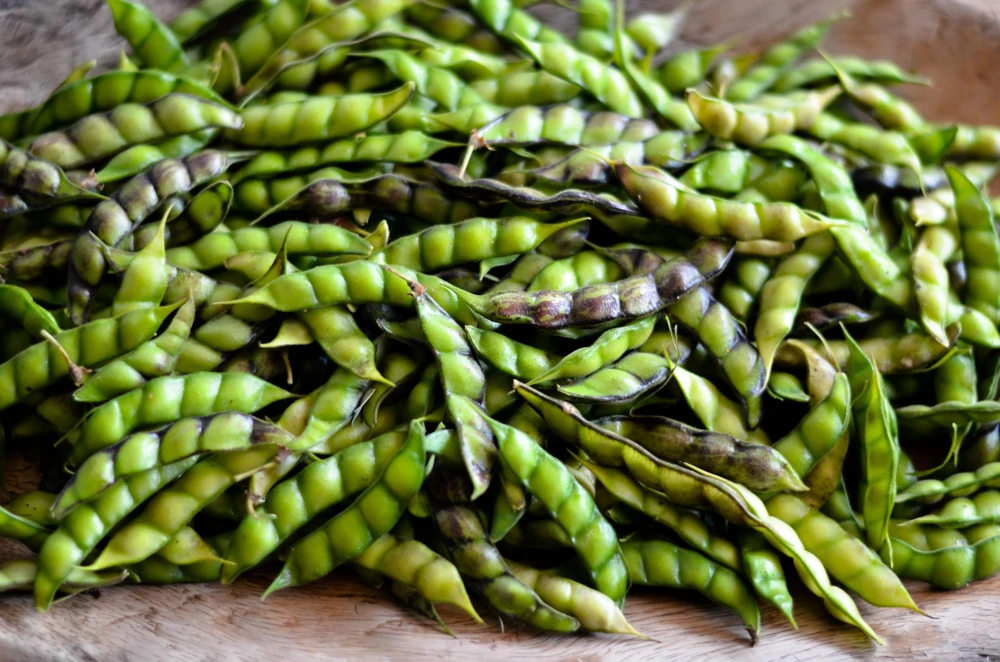
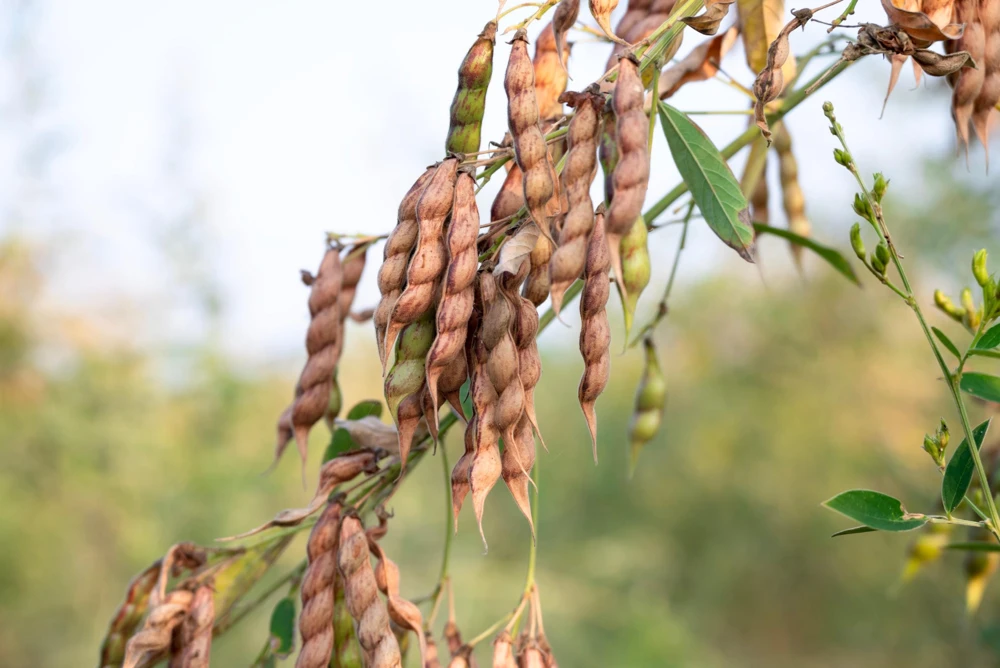
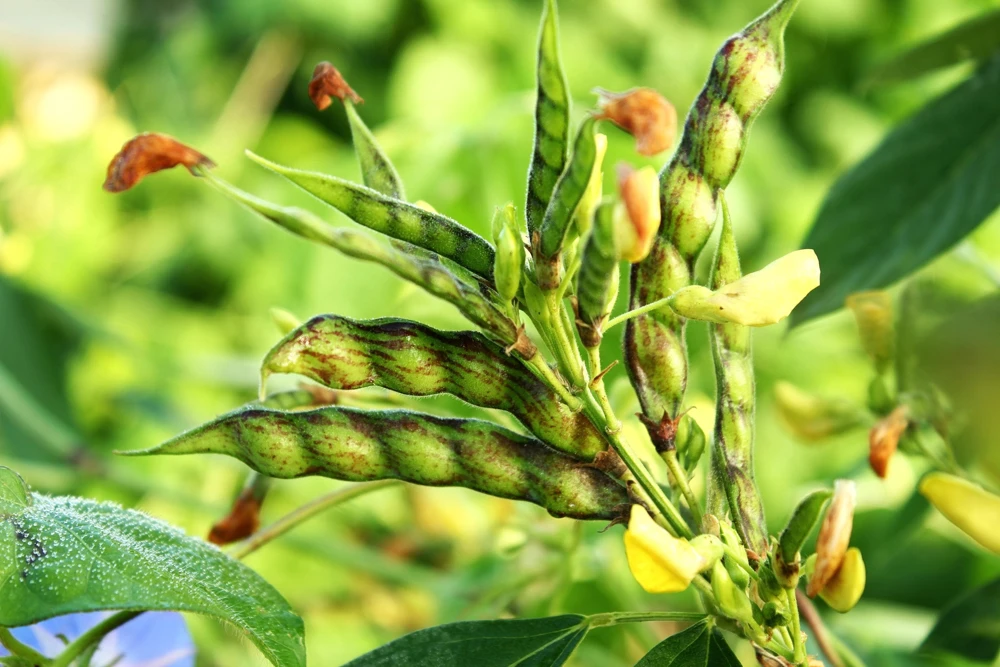
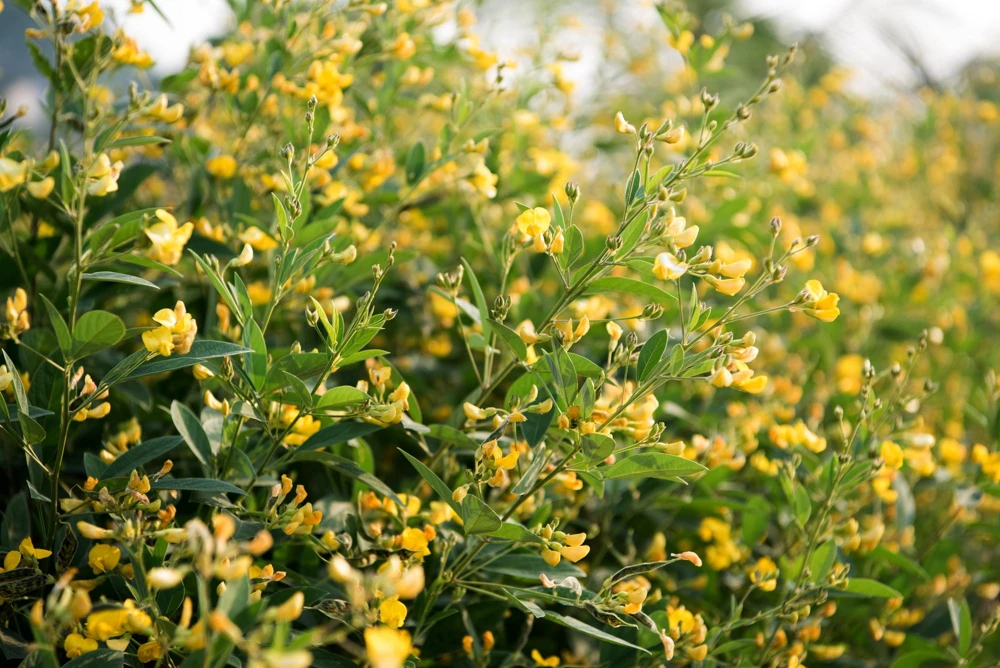
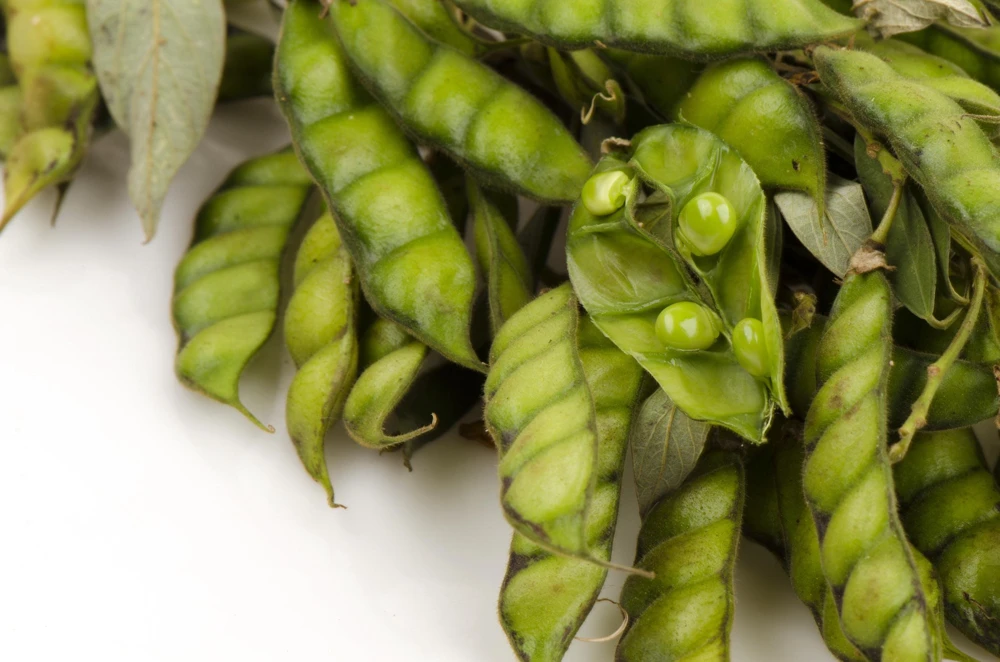
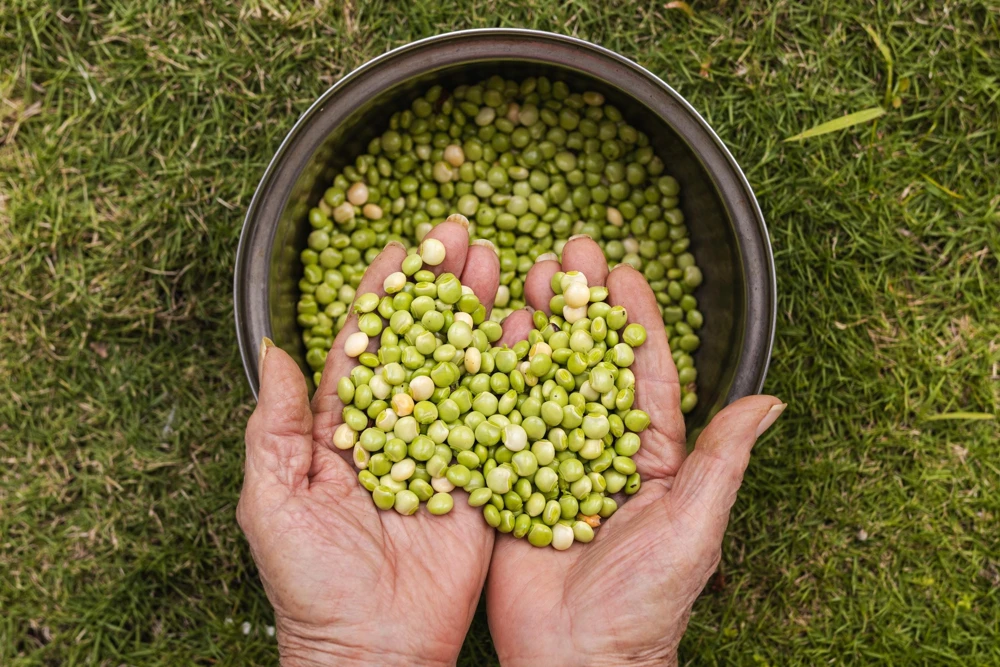
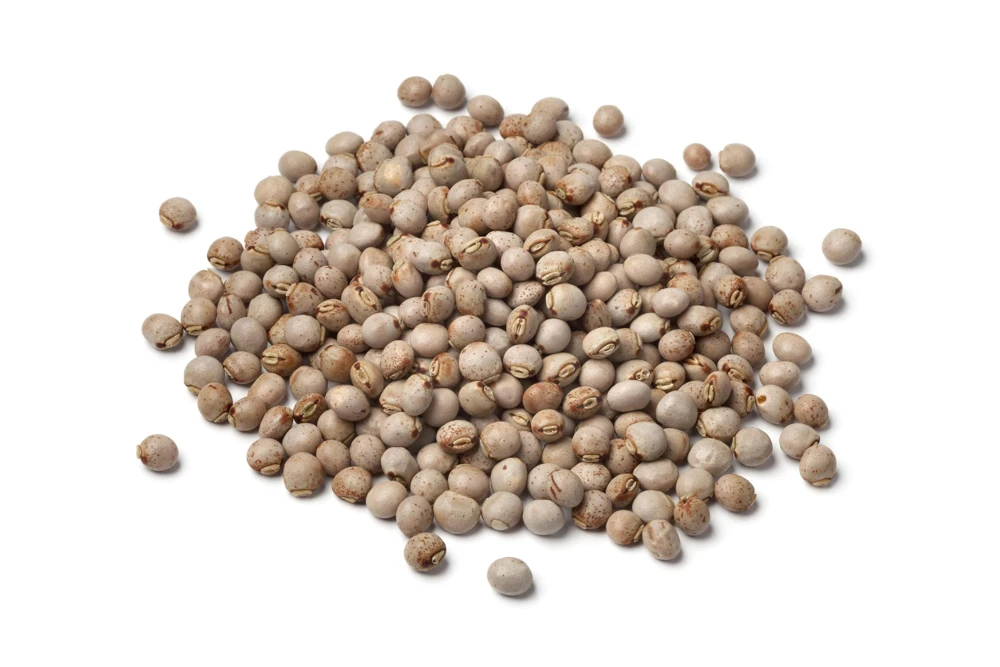
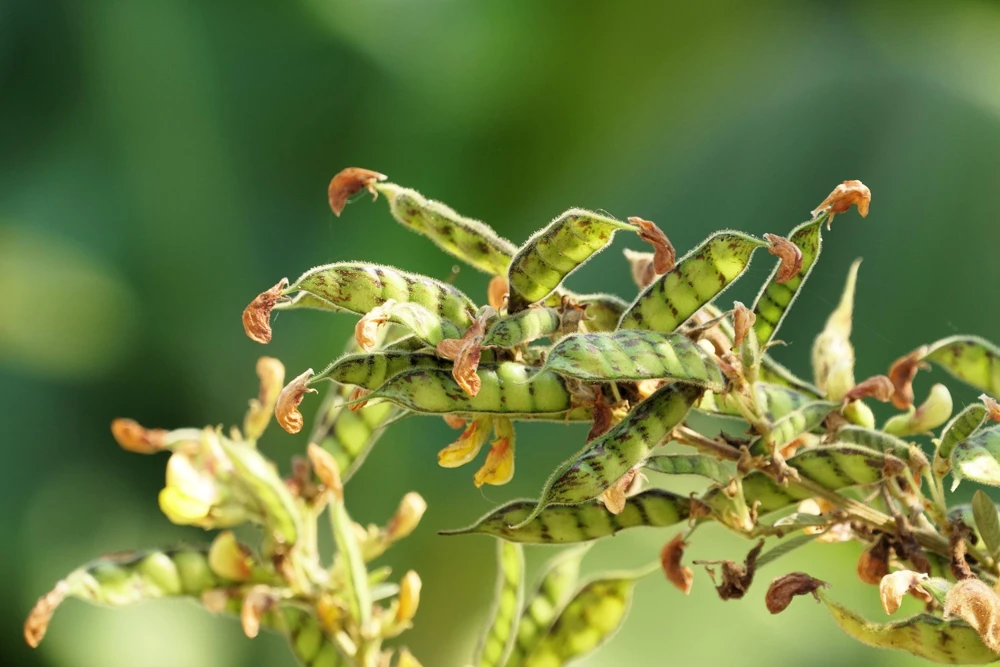
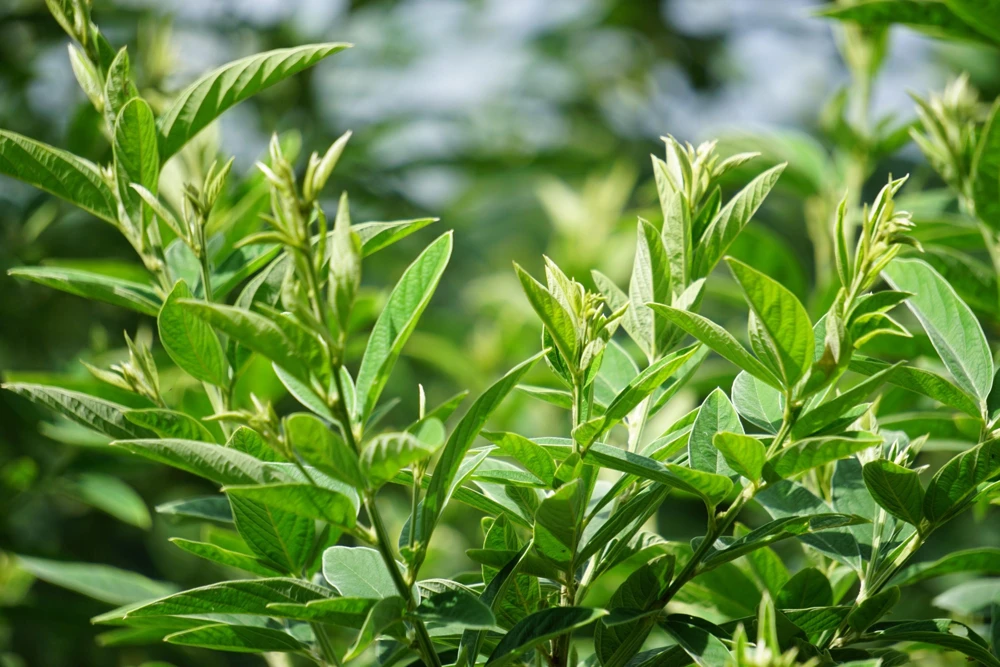
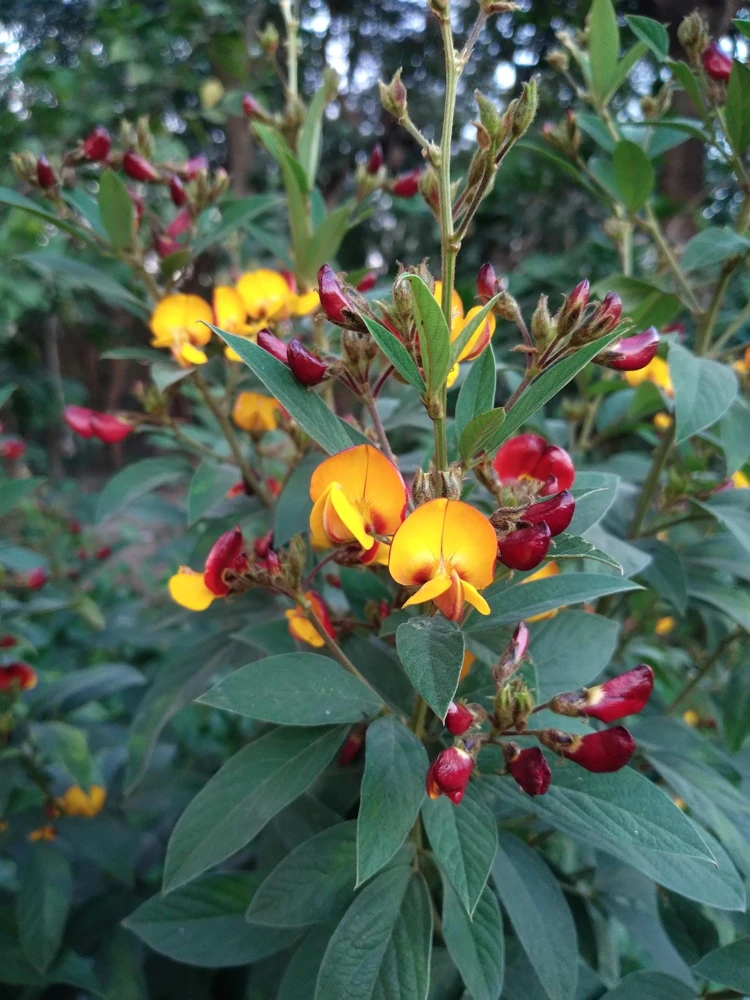
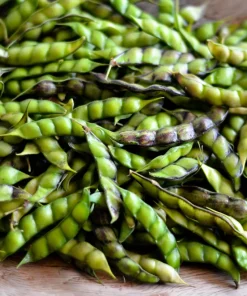
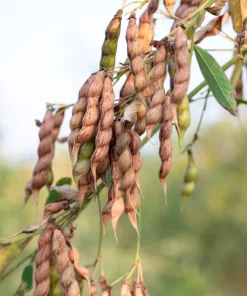
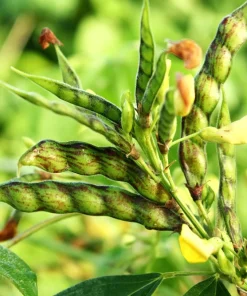
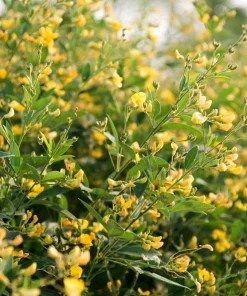
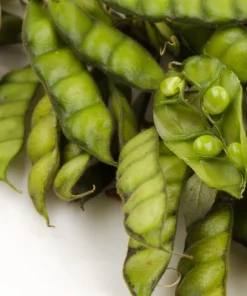
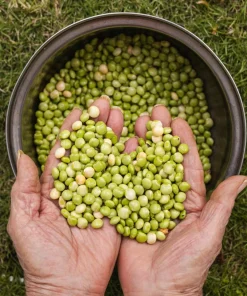
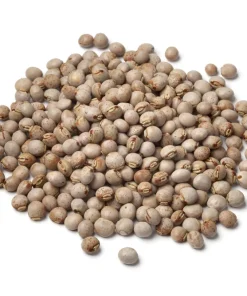
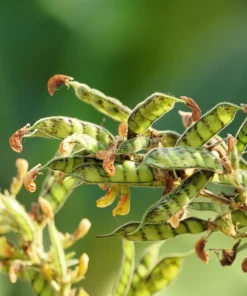
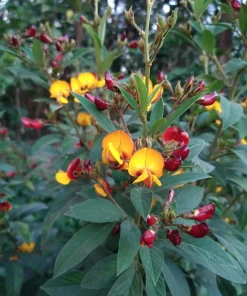
Embark on a rewarding gardening journey with our premium quality pigeon pea seeds (Cajanus Cajan). These versatile legumes, also commonly known as Puerto Rico Bean, Gandul, Dhal, Congo Pea, or Jamaican Gungo, are a staple food grain in many tropical and semi-tropical regions worldwide. Cultivated for over 3,500 years, the pigeon pea is cherished for its nutritional value and adaptability. Our 30-count packet of Cajanus Cajan seeds provides an excellent opportunity to grow this resilient plant, which produces yellow flowers and green pods, eventually yielding beige seeds rich in protein. Whether you’re looking to enhance your diet with a sustainable protein source or improve your garden’s soil fertility, growing pigeon pea seeds offers numerous benefits.
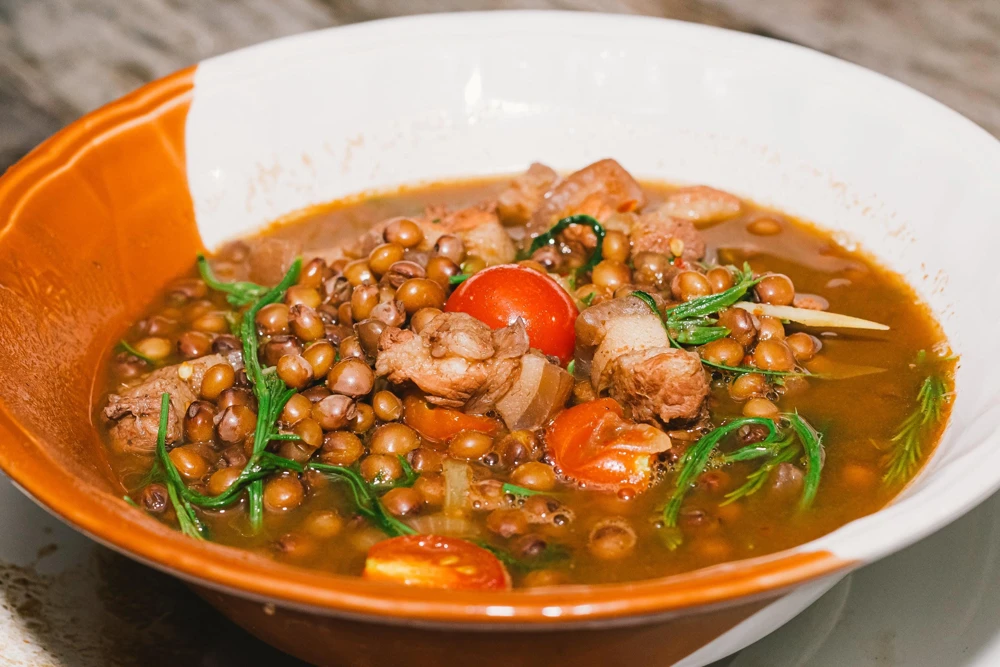
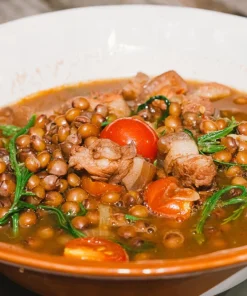
The pigeon pea plant is not only a fantastic food crop but also serves as an excellent green manure crop, enriching the soil with nitrogen. It’s remarkably drought-resistant, making it a suitable choice for various growing conditions, particularly in warmer climates. These high protein vegetable seeds are perfect for gardeners seeking a low-maintenance yet highly productive plant. From hearty stews and soups to savory rice dishes, the culinary applications of pigeon peas are vast, offering a delicious and healthy addition to any meal. Discover the joy of harvesting your own fresh pigeon peas with these easy-to-grow seeds.
Key Benefits
Growing pigeon pea seeds in your garden offers a multitude of advantages, from nutritional gains to ecological benefits. These plants are a powerhouse of goodness, providing both culinary delight and environmental support.
- Nutrient-Rich Food Source: Pigeon peas are an excellent source of protein, making them a fantastic meat replacement for vegetarian and vegan diets. They are also packed with dietary fiber, vitamins, and minerals, contributing to a well-balanced diet. Enjoy the satisfaction of growing your own healthy food with these pigeon pea seeds.
- Soil Improvement: As a legume, Cajanus Cajan has the natural ability to fix nitrogen in the soil. This process significantly improves soil fertility and structure, benefiting other plants in your garden. It’s a sustainable way to enhance your garden’s ecosystem.
- Drought Resistance: These plants are incredibly resilient and can thrive in dry conditions once established. This makes them an ideal choice for gardeners in areas with limited water resources or those seeking low-water-use crops.
- Versatile Culinary Uses: From fresh green peas to dried dhal, pigeon peas can be used in a wide array of dishes. They are perfect for stews, soups, curries, and can even be sprouted for a unique flavor. Explore the diverse culinary potential of these Gandul seeds.
- Long Growing Season: With flowers blooming approximately two months after sowing and harvest typically occurring 3-6 months on, pigeon peas offer a sustained yield, providing fresh produce over an extended period.
- Easy to Grow: Requiring minimal care, these Cajanus Cajan seeds are suitable for both experienced gardeners and beginners. They adapt well to average soil conditions and require full sun exposure.
Plant Care & Growing Tips
Cultivating pigeon pea seeds successfully requires attention to a few key environmental factors, ensuring a bountiful harvest. These resilient plants are relatively low-maintenance, making them a great addition to many gardens. The ideal time to plant your pigeon pea seeds is when the soil temperature consistently warms to 70°F (21°C). This warmth is crucial for germination and initial growth. Choose a location that receives full sun, as pigeon peas thrive with ample sunlight, which is essential for healthy development and pod production.
Pigeon peas prefer average to dry soil conditions, demonstrating their drought-resistant nature. Ensure the soil is well-draining to prevent waterlogging, which can be detrimental to the roots. While they are not overly particular about soil type, a moderately fertile, well-aerated soil will encourage robust growth. Watering should be consistent during the initial growth phase, but once established, the plants can tolerate periods of dryness. Fertilization is generally not heavily required due to their nitrogen-fixing capabilities as a legume, but a balanced, organic fertilizer can be applied if soil nutrients are particularly low. These plants are hardy in USDA Zones 9-10, thriving in tropical and semi-tropical climates.
Space your Cajanus Cajan seeds approximately 24-48 inches apart to allow for proper air circulation and growth, as the plants can reach heights of 48-60 inches. Monitor for common pests and diseases, although pigeon peas are generally quite hardy. Regular harvesting of pods will encourage further production. Learning how to grow pigeon peas is a straightforward process that yields satisfying results, providing fresh, nutritious legumes for your culinary adventures. These high protein vegetable seeds will reward you with a continuous supply of healthy food.
Size & Details
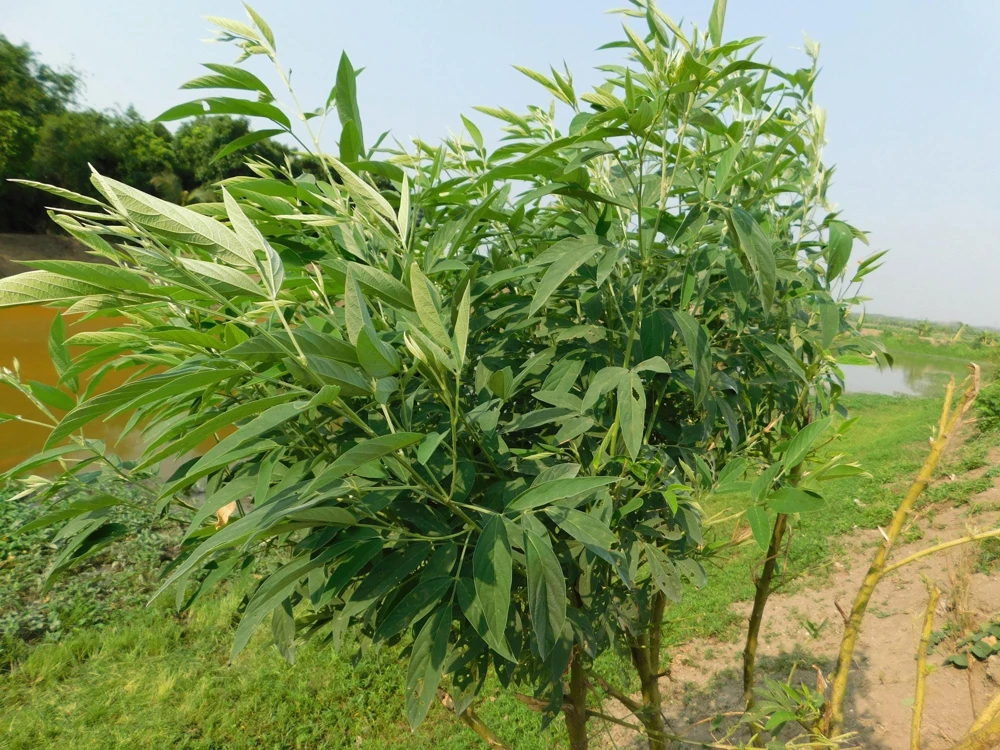
This offering includes a packet containing 30 pigeon pea seeds, providing you with ample opportunity to establish a thriving crop. Each seed is ready for planting when your soil temperature reaches a consistent 70°F. The plants typically grow to a height of 48-60 inches, creating a substantial presence in your garden. For optimal growth, ensure a plant spacing of 24-48 inches to allow for adequate development and air circulation. You can expect to see yellow flowers blooming approximately two months after sowing, adding a touch of color to your garden before the pods develop.
Harvesting usually begins 3-6 months after planting, offering a sustained yield of fresh pigeon peas. These plants are suitable for outdoor cultivation in USDA Hardiness Zones 9-10, flourishing in full sun conditions. The seeds are beige, contained within green pods, and mature into a versatile ingredient for a wide range of dishes. These Gandul seeds are an excellent choice for gardeners looking for a productive and resilient vegetable. You will receive a quantity of 30 viable pigeon pea seeds, ready to be sown and cultivated into healthy, productive plants.
Frequently Asked Questions
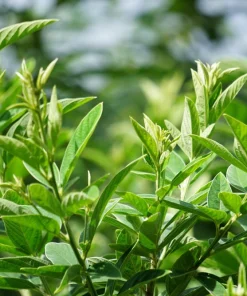
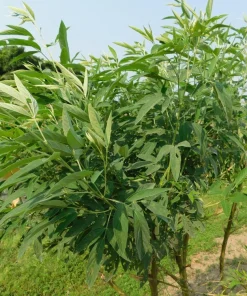
- Q: How big do these pigeon pea plants get? A: These plants typically grow to a height of 48-60 inches (4-5 feet), forming a bushy structure. Adequate spacing of 24-48 inches between plants is recommended to support their growth.
- Q: When is the best time to plant pigeon pea seeds? A: The ideal time to plant is when the soil temperature consistently reaches 70°F (21°C). This ensures proper germination and a strong start for the seedlings.
- Q: Is this an indoor or outdoor plant? A: Pigeon pea plants are best grown outdoors in warm climates. They thrive in full sun and are hardy in USDA Zones 9-10.
- Q: How much sunlight does the Cajanus Cajan plant need? A: These plants require full sun exposure to flourish, meaning at least 6-8 hours of direct sunlight per day is ideal for optimal growth and pod production.
- Q: Are these high protein vegetable seeds easy to care for? A: Yes, pigeon pea plants are known for being relatively low-maintenance. They are drought-resistant once established and help improve soil fertility, making them suitable for beginners and experienced gardeners alike.
- Q: What condition will the seeds arrive in? A: You will receive 30 high-quality, viable pigeon pea seeds in a protective packet, ready for planting upon arrival.
- Q: Can I use these Gandul seeds for cooking? A: Absolutely! Pigeon peas are a popular ingredient in various cuisines, used in stews, soups, curries, and rice dishes. They can be used fresh, dried, or even sprouted.
- Q: How long until the plants produce pods? A: You can expect to see yellow flowers blooming around 2 months after sowing, with the first harvest of pods typically occurring 3-6 months from planting.
- Q: What kind of soil do pigeon pea seeds prefer? A: Pigeon peas prefer average to dry soil conditions. Well-draining soil is crucial to prevent waterlogging, and they can adapt to various soil types.
- Q: Will these plants survive winter in my zone? A: These plants are perennial in USDA Hardiness Zones 9-10, where they can survive mild winters. In colder zones, they are typically grown as an annual crop.
Be the first to review “Pigeon Pea Seeds – 30 Count Cajanus Cajan Vegetable Seeds for Planting”
People Also Viewed

Reviews
There are no reviews yet.