
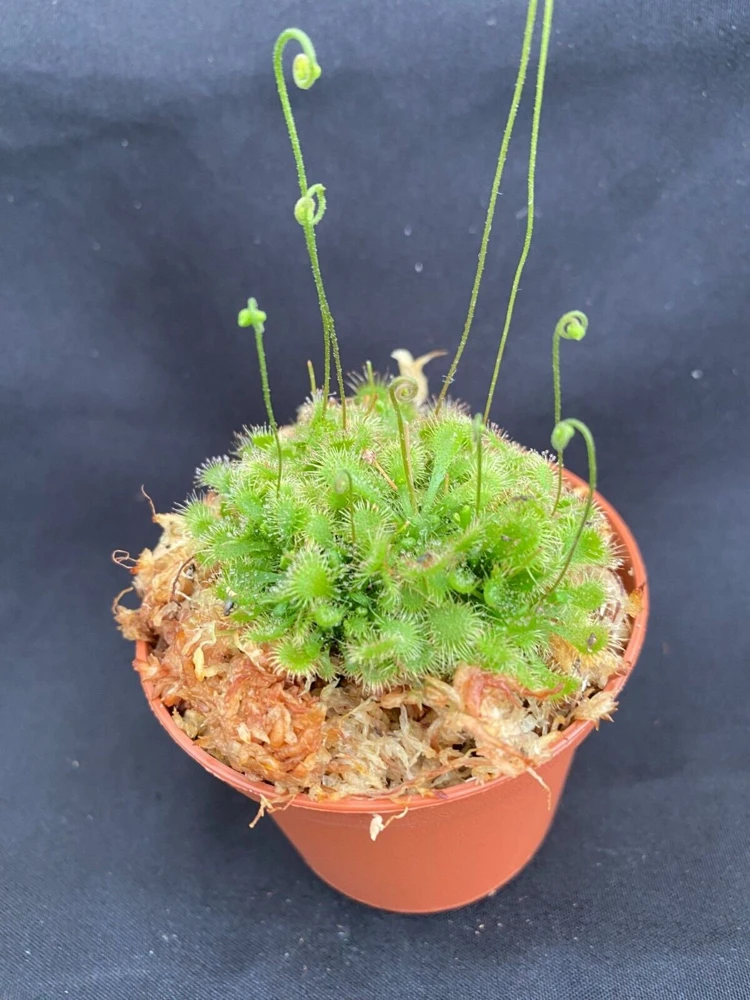
Spoonleaf Sundew Live Carnivorous Plant – Drosera spatulata – 2.5 inch Pot
Original price was: $52.99.$32.99Current price is: $32.99.
Bring home a captivating Spoonleaf Sundew live plant, a unique carnivorous specimen known for its sticky traps. This Drosera spatulata is shipped rooted in a 2.5 inch pot, ready to thrive in your collection. Perfect for natural insect control and adding exotic appeal to any indoor space.
Estimated arrival
Sep 22
Sep 27 - Sep 29
Oct 02 - Oct 06
Shop With Confidence
30-Day Plant Health Guarantee
Arrives damaged? We’ll replace it free — see our return policy.
Responsive Support
Email us anytime, we reply within 1 business day.
Expert Packaging
Temperature-controlled shipping to protect your plants in transit.
Secure Checkout
Pay safely with Visa, Mastercard, PayPal.
Plant Specifications
-
USDA Hardiness Zone
USDA zones 9-11 (for outdoor), otherwise indoor plant -
Soil Type
Peat moss and perlite/sand mix (nutrient-poor, acidic) -
Sunlight Exposure
Bright direct light (4-6+ hours daily) -
Expected Planting Period
Year-round indoors
Overview
Introduce a touch of the extraordinary to your home or office with the fascinating Spoonleaf Sundew live plant. This captivating carnivorous plant, scientifically known as Drosera spatulata, is a true marvel of nature, renowned for its distinctive spoon-shaped leaves covered in glistening, sticky tentacles. These tentacles, tipped with a sweet, adhesive dew, are incredibly effective at luring, trapping, and digesting small insects, making the sundew an excellent natural pest control solution. Each plant is carefully grown from tissue culture, ensuring robust health and vigor upon arrival. Shipped rooted in a 2.5 inch pot, your new Spoonleaf Sundew is ready to be admired and cared for, providing endless fascination as it actively hunts its prey. It’s an ideal choice for both seasoned plant collectors and those new to the world of carnivorous plants, offering a unique and engaging botanical experience.
The Spoonleaf Sundew is a compact and visually appealing specimen, perfect for terrariums, windowsills, or bog gardens. Its small white flowers with delicate pink buds add another layer of charm, blooming periodically and enhancing its ornamental value. This resilient and adaptable carnivorous plant care is relatively straightforward, making it accessible to a wide range of plant enthusiasts. Witness firsthand the intricate beauty and predatory prowess of this remarkable species, a testament to the diverse and intriguing plant kingdom. Adding a Spoonleaf Sundew live plant to your collection not only brings a unique aesthetic but also offers an engaging insight into the adaptations of carnivorous flora.
Key Benefits
The Spoonleaf Sundew live plant offers a range of unique benefits, combining aesthetic appeal with practical advantages for any plant enthusiast. Its intriguing nature and specific care requirements make it a rewarding addition to any collection.
- Natural Insect Control: The primary benefit of the Spoonleaf Sundew is its exceptional ability to trap and digest small flying insects like gnats and fruit flies. Its sticky, dewy tentacles act as natural fly traps, helping to keep your indoor environment clearer of common household pests without the need for chemicals.
- Unique Ornamental Appeal: With its glistening, jewel-like tentacles and compact rosette form, the Drosera spatulata is a visually stunning plant. It adds an exotic and captivating element to any plant display, making it a conversation starter and a focal point in terrariums or on bright windowsills.
- Easy to Care for Carnivorous Plant: Compared to some other carnivorous species, the Spoonleaf Sundew is known for its relatively forgiving nature. It’s a great entry point for beginners interested in carnivorous plant care, provided its basic needs for light, water, and soil are met.
- Blooms with Delicate Flowers: Beyond its insect-trapping leaves, this sundew produces charming small white flowers with pink buds. These delicate blooms add another layer of beauty and interest to the plant, enhancing its overall ornamental value.
- Educational and Engaging: Observing the sundew in action, from luring to trapping insects, offers an educational experience for all ages. It provides a fascinating glimpse into the adaptations of carnivorous plants and the intricate balance of nature, making it more than just a decorative item.
- Compact Size: Shipped in a 2.5 inch pot, the Spoonleaf Sundew maintains a manageable size, making it ideal for small spaces, desktop gardens, or terrariums where space is at a premium.
Plant Care & Growing Tips
Proper carnivorous plant care is essential for the health and vitality of your Spoonleaf Sundew live plant. These plants thrive in specific conditions that mimic their natural boggy habitats. The most crucial elements are water quality, light exposure, and appropriate potting medium. Always use distilled water, rainwater, or reverse osmosis water for your sundew, as tap water often contains minerals and chemicals that can harm or kill the plant over time. Keep the soil consistently moist, never allowing it to dry out completely. A common method is to place the potted plant in a tray of about an inch of water, allowing it to absorb moisture from the bottom.
For sunlight, the Drosera spatulata requires bright, direct light for at least 4-6 hours a day to produce abundant dew and maintain vibrant coloration. A south-facing window is often ideal, or you can supplement with a grow light if natural light is insufficient. Insufficient light will result in a lack of dew production and overall weaker growth. The soil should be a nutrient-poor, acidic mix, typically composed of peat moss and perlite or horticultural sand in a 1:1 ratio. Avoid using standard potting soil, which contains fertilizers that are toxic to carnivorous plants. Fertilization is generally not needed, as the plant obtains its nutrients from the insects it catches. If the plant is not catching enough insects, you can occasionally feed it small, flightless insects or dried bloodworms.
Temperatures between 65-85°F (18-29°C) are generally suitable for this Spoonleaf Sundew. While some sundews require a winter dormancy, Drosera spatulata is typically a tropical species and does not require a cold dormancy period, thriving year-round in consistent conditions. Be mindful of humidity; while not strictly demanding, higher humidity can be beneficial, especially in very dry indoor environments. If you notice the plant’s tentacles losing dew or looking shriveled, it often indicates a lack of humidity or insufficient watering. Regularly checking for pests like aphids or mealybugs is also good practice, though they are less common on carnivorous plants. With these care tips, your fly trap plant will flourish.
Size & Details
The Spoonleaf Sundew live plant you receive is a healthy, established specimen, shipped rooted and ready for its new home. Each plant arrives securely nestled in a 2.5 inch nursery pot, providing a compact and convenient size for immediate display or transplanting into a larger terrarium or bog garden. The plant’s rosette typically measures a few inches in diameter, making it an excellent choice for small spaces, windowsills, or as part of a diverse carnivorous plant collection. Its growth rate is moderate, and with proper care, it will gradually expand its rosette and produce more of its characteristic dew-covered leaves. Expect to see the plant’s full beauty and dew production intensify as it acclimates to its new environment and receives adequate light and water.
This species, Drosera spatulata, is known for its relatively small stature, usually reaching mature sizes of 1-2 inches in height and 2-4 inches in diameter. The plant’s robust root system, developed from tissue culture, ensures a strong start. While it ships in a 2.5 inch pot, you may consider repotting it into a slightly larger container (e.g., 4-6 inches) or a terrarium once it outgrows its initial pot. The delicate white flowers with pink buds typically emerge on slender stalks, adding seasonal interest. This fly trap plant is a perfect addition for anyone looking to cultivate a unique and functional botanical specimen.
Frequently Asked Questions
- Q: What size pot does the Spoonleaf Sundew come in? A: Each Spoonleaf Sundew live plant is shipped rooted in a 2.5 inch nursery pot, making it ready for immediate display or transplanting.
- Q: Is this an indoor or outdoor plant? A: While it can thrive outdoors in appropriate climates (USDA zones 9-11), the Spoonleaf Sundew is most commonly grown as an indoor plant due to its specific care requirements and preference for consistent conditions.
- Q: How much sunlight does the Spoonleaf Sundew need? A: This carnivorous plant care requires bright, direct sunlight for at least 4-6 hours daily. A south-facing window or supplemental grow lights are ideal for optimal dew production and health.
- Q: What kind of water should I use for my sundew? A: Always use distilled water, rainwater, or reverse osmosis water. Tap water contains minerals that can harm the plant over time. This is a critical aspect of carnivorous plant care.
- Q: Is this plant easy to care for? A: Yes, the Spoonleaf Sundew is considered one of the easier carnivorous plants to care for, making it suitable for beginners, provided its specific light and water needs are met.
- Q: What condition will it arrive in? A: Your Spoonleaf Sundew live plant is carefully packaged and shipped rooted in its 2.5 inch pot, ensuring it arrives in excellent, healthy condition, ready to thrive.
- Q: What kind of soil does it need? A: It requires a nutrient-poor, acidic soil mix, typically a blend of peat moss and perlite or horticultural sand. Do not use standard potting soil with fertilizers.
- Q: How does the Spoonleaf Sundew catch insects? A: The plant’s leaves are covered in sticky tentacles that produce a glistening, sweet dew. Insects are attracted to the dew, get stuck, and are then slowly digested by the plant. It’s an effective fly trap plant.
- Q: Does this plant require dormancy? A: The Drosera spatulata is a tropical species and generally does not require a cold winter dormancy period, thriving year-round with consistent care.
- Q: Can I feed my sundew meat? A: No, only feed it small insects (live or dried bloodworms). Human food or large pieces of meat can cause the leaves to rot.
Be the first to review “Spoonleaf Sundew Live Carnivorous Plant – Drosera spatulata – 2.5 inch Pot”
People Also Viewed

Flower Seeds


Reviews
There are no reviews yet.