


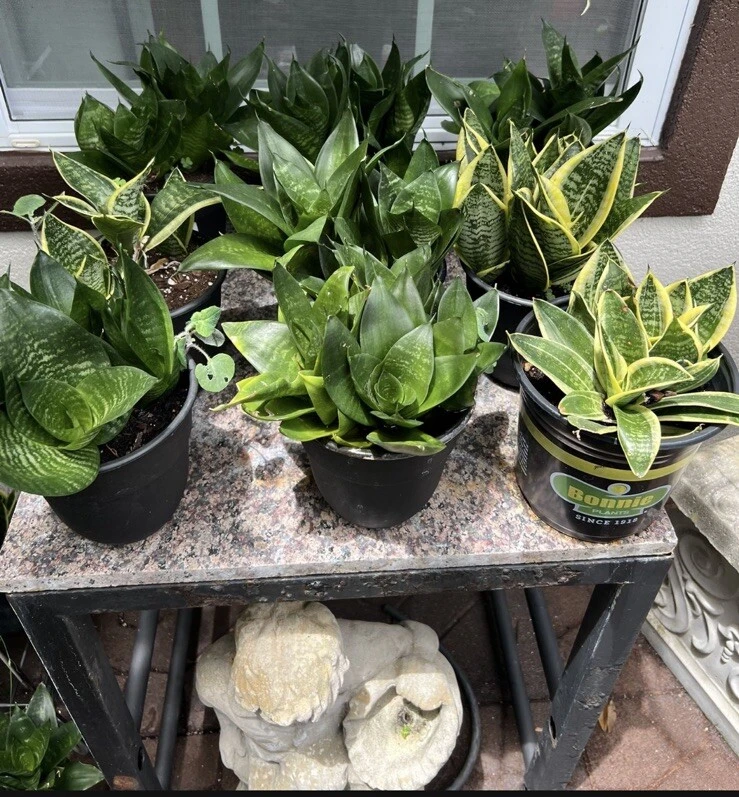
Snake Plant Live Plant – Sansevieria Trifasciata – Easy Care Indoor Houseplant
Original price was: $47.99.$27.99Current price is: $27.99.
Bring home a beautiful snake plant live plant, an ideal choice for both novice and experienced plant enthusiasts. This resilient indoor snake plant thrives with minimal care, offering elegant vertical foliage and proven air-purifying benefits for your home or office space. Enhance your indoor greenery with this stunning and low-maintenance addition.
Estimated arrival
Oct 27
Nov 01 - Nov 03
Nov 06 - Nov 10
Shop With Confidence
30-Day Plant Health Guarantee
Arrives damaged? We’ll replace it free — see our return policy.
Responsive Support
Email us anytime, we reply within 1 business day.
Expert Packaging
Temperature-controlled shipping to protect your plants in transit.
Secure Checkout
Pay safely with Visa, Mastercard, PayPal.
Plant Specifications
-
USDA Hardiness Zone
USDA zones 9–11 (outdoor); year-round indoors -
Soil Type
Well-draining potting mix or cactus/succulent mix -
Sunlight Exposure
Bright indirect light to low light -
Expected Planting Period
Year-round indoors
Overview
Introduce natural beauty and improved air quality into your home with a stunning snake plant live plant. Also known by its botanical name, Sansevieria trifasciata, this remarkable succulent is celebrated for its striking, sword-like leaves that grow upright, adding a modern and architectural touch to any interior. The snake plant live plant is not just visually appealing; it’s also one of the easiest houseplants to care for, making it a perfect choice for busy individuals, beginners, or those looking for a resilient green companion. Its ability to tolerate a wide range of conditions, from low light to infrequent watering, has cemented its reputation as a virtually indestructible indoor favorite. Choose your favorite variety to brighten up your living space or office.
Often referred to as Mother-in-Law’s Tongue, this resilient plant is a fantastic addition to any plant collection. Its unique growth habit and variegated foliage patterns make it a focal point in contemporary or traditional decor. Beyond its aesthetic appeal, the snake plant is renowned for its air-purifying capabilities, actively working to remove toxins from your environment. Whether you’re a seasoned plant parent or just starting your green journey, a snake plant live plant is a rewarding and long-lasting choice.
Key Benefits
The snake plant live plant offers a multitude of advantages that make it a top choice for indoor gardening. Its robust nature and unique characteristics contribute significantly to both aesthetics and well-being in your space.
- Exceptional Air Purification: The Sansevieria trifasciata is recognized by NASA as an excellent air purifier, capable of removing toxins like formaldehyde, benzene, xylene, and trichloroethylene from the air, contributing to a healthier indoor environment. This makes it an ideal plant for bedrooms and living areas.
- Remarkably Low Maintenance: This is truly an easy care houseplant. Snake plants are incredibly forgiving, tolerating neglect better than overcare. They require minimal watering and can thrive in various light conditions, making them perfect for those with busy schedules or new to plant ownership.
- Striking Architectural Beauty: With its stiff, upright, and often variegated leaves, the snake plant adds a distinct vertical element and modern aesthetic to any room. Its unique form makes it a natural sculptural piece that enhances interior design.
- Drought Tolerant: As a succulent, the snake plant live plant stores water in its leaves, allowing it to go for extended periods without watering. This feature prevents common issues like root rot often associated with overwatering.
- Adaptable to Various Light Conditions: While it prefers bright, indirect light, the snake plant can happily survive in low-light conditions, making it suitable for almost any spot in your home or office.
- Durable and Long-Lived: These plants are known for their longevity and hardiness. With proper basic care, a snake plant can remain a vibrant part of your home decor for many years.
- Oxygen Production at Night: Unlike most plants, the snake plant releases oxygen at night, which can contribute to better air quality while you sleep.
Plant Care & Growing Tips
Caring for your snake plant live plant is wonderfully straightforward, making it an ideal choice for both beginners and seasoned plant enthusiasts. One of the most important aspects of snake plant care is to avoid overwatering. Allow the soil to dry out completely between waterings, typically every 2-4 weeks, depending on the light and humidity in your home. In winter months, watering can be reduced even further. Ensure your pot has drainage holes to prevent water from sitting at the bottom, which can lead to root rot. When you do water, water thoroughly until it drains from the bottom of the pot.
For sunlight, the Sansevieria trifasciata is highly adaptable. While it can tolerate low light, it will thrive and display its best coloration in bright, indirect light. Avoid direct, harsh sunlight, which can scorch its leaves. An east-facing window or a few feet away from a south or west-facing window is often ideal. The snake plant prefers average room temperatures between 65-80°F (18-27°C) and can tolerate typical household humidity levels. It is generally hardy in USDA zones 9-11 if grown outdoors, but it is primarily cultivated as an indoor snake plant.
The best soil for a snake plant is a well-draining potting mix. A cactus or succulent mix is perfect, or you can amend regular potting soil with perlite or pumice to improve drainage. Fertilize sparingly, once or twice during the growing season (spring and summer) with a balanced liquid houseplant fertilizer diluted to half strength. Repot only when the plant becomes root-bound, typically every 2-5 years. Common problems are rare but often stem from overwatering, leading to soft, mushy leaves. Pests are also uncommon, but occasional checks for mealybugs or spider mites are advisable. This truly is an easy care houseplant.
Size & Details
This snake plant live plant is typically shipped as a well-established specimen, ready to thrive in your home. The plant’s height can vary depending on the specific variety, but most common types grow between 1 to 4 feet tall, with a spread of 6 to 12 inches. It will arrive in a nursery pot, usually between 4 to 6 inches in diameter, providing a healthy root system for immediate transplanting or placement in a decorative container. The leaves are firm, erect, and can exhibit various patterns of green, yellow, and silver variegation, adding unique texture and color to your space.
Snake plants have a moderate growth rate, gradually producing new leaves and eventually pups (offsets) from the base, which can be propagated. They are long-lived and will continue to grow and flourish for many years with minimal attention, making them a lasting investment in your indoor decor. The plant will arrive carefully packaged to ensure its health and vitality during transit, ready for you to enjoy its beauty and air-purifying benefits.
Frequently Asked Questions
- Q: How big does this snake plant live plant get? A: A: Most common snake plant varieties can grow anywhere from 1 to 4 feet tall, depending on the specific type and growing conditions. The spread is usually more compact, around 6 to 12 inches.
- Q: Is this an indoor or outdoor plant? A: While Sansevieria trifasciata can grow outdoors in warm climates (USDA Zones 9-11), it is predominantly cultivated as an indoor snake plant due to its tolerance for lower light and its striking appearance.
- Q: How much sunlight does a snake plant need? A: Snake plants are highly adaptable. They prefer bright, indirect light but can tolerate and survive in low-light conditions. Avoid direct, harsh sunlight which can damage the leaves.
- Q: Is this plant easy to care for? A: Absolutely! The snake plant is renowned as an easy care houseplant, making it perfect for beginners or those with busy lifestyles. Its primary requirement is infrequent watering.
- Q: What condition will my snake plant live plant arrive in? A: Your plant will be carefully packaged to ensure it arrives healthy and vibrant, typically in a nursery pot with established roots, ready to be placed in your home.
- Q: How often should I water my snake plant? A: Water sparingly. Allow the soil to dry out completely between waterings. This usually means watering every 2-4 weeks, and even less frequently in winter. Overwatering is the most common cause of problems.
- Q: Is the snake plant pet-safe? A: No, snake plants are considered mildly toxic if ingested by pets, causing minor oral irritation. It’s best to keep them out of reach of curious pets.
- Q: What kind of soil is best for Sansevieria trifasciata? A: A well-draining potting mix is crucial. A cactus or succulent blend works best, or you can amend standard potting soil with perlite or pumice for improved drainage.
- Q: Does the snake plant purify the air? A: Yes, the snake plant is one of the best air purifying plants. It’s known to remove common household toxins like formaldehyde and benzene from the air, even producing oxygen at night.
- Q: When is the best time to repot an indoor snake plant? A: Repotting is generally needed only when the plant becomes root-bound, which is typically every 2-5 years. Spring or early summer is the best time for repotting.
Be the first to review “Snake Plant Live Plant – Sansevieria Trifasciata – Easy Care Indoor Houseplant”
People Also Viewed

Reviews
There are no reviews yet.