
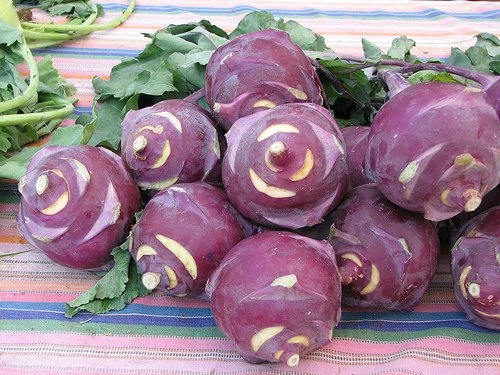
Purple Kohlrabi Seeds – 2 Grams – Heirloom Vegetable for Gardens
Original price was: $23.99.$13.99Current price is: $13.99.
Cultivate a vibrant and tasty addition to your garden with these purple kohlrabi seeds. Offering a unique flavor and striking color, these seeds promise a rewarding harvest of a distinct vegetable. Ideal for home gardeners seeking something different.
Estimated arrival
Sep 29
Oct 04 - Oct 06
Oct 09 - Oct 13
Shop With Confidence
30-Day Plant Health Guarantee
Arrives damaged? We’ll replace it free — see our return policy.
Responsive Support
Email us anytime, we reply within 1 business day.
Expert Packaging
Temperature-controlled shipping to protect your plants in transit.
Secure Checkout
Pay safely with Visa, Mastercard, PayPal.
Plant Specifications
-
USDA Hardiness Zone
USDA zones 3-9 -
Soil Type
Well-draining, fertile, rich in organic matter -
Sunlight Exposure
Full sun to partial shade -
Expected Planting Period
Spring to early summer, or late summer for fall harvest
Overview
Introduce a splash of color and unique flavor to your vegetable patch with these high-quality purple kohlrabi seeds. This distinctive brassica, known for its bulbous stem and leafy greens, offers a more flavorful experience than its white counterpart. Growing kohlrabi from seed is a rewarding process, yielding a versatile vegetable that can be enjoyed raw in salads, steamed, roasted, or stir-fried. Our 2-gram packet provides ample seeds for a generous harvest, making it perfect for both novice and experienced gardeners eager to explore new culinary horizons. The striking purple skin and leaves add ornamental value to your garden before you even harvest its delicious core.
This variety matures in approximately 60 days, offering a relatively quick turnaround from planting to plate. It’s similar in growth habit to ‘White Vienna’ kohlrabi but boasts a richer flavor profile and a slightly larger size. Its robust nature also provides a degree of resistance to common garden pests like the cabbage worm, simplifying your garden care routine. Cultivating these purple kohlrabi seeds allows you to enjoy fresh, homegrown produce that stands out in both appearance and taste, ensuring a bountiful and beautiful harvest.
Key Benefits
Growing purple kohlrabi seeds offers a multitude of benefits for the home gardener and culinary enthusiast alike. From its ease of cultivation to its nutritional value, this vegetable is a fantastic choice for any garden.
- Unique Flavor Profile: Enjoy a distinct, slightly sweet, and peppery taste that is often described as more flavorful than other kohlrabi varieties, perfect for elevating your dishes.
- Striking Garden Appearance: The vibrant purple skin and leaves add an attractive visual element to your vegetable garden, making it a conversation starter.
- Good for Health: Kohlrabi is rich in vitamins C and B6, fiber, and potassium, contributing to a healthy diet and supporting overall well-being.
- Pest Resistance: This particular variety exhibits increased resistance to pests such as the cabbage worm, reducing the need for intensive pest management and promoting healthier growth.
- Versatile Culinary Use: The bulb can be eaten raw, roasted, steamed, or stir-fried, while the leaves can be cooked like collard greens, offering diverse options for meal preparation.
- Relatively Quick Harvest: With a maturity period of around 60 days, you can enjoy fresh kohlrabi relatively quickly after planting, allowing for successive plantings throughout the growing season.
- Easy to Grow:Kohlrabi plant care is straightforward, making these seeds suitable for gardeners of all experience levels looking to grow kohlrabi from seed.
Plant Care & Growing Tips
To successfully grow kohlrabi from seed, proper care is essential. Purple kohlrabi thrives in cool weather and requires consistent moisture to develop its tender, flavorful bulbs. Start your purple kohlrabi seeds indoors 4-6 weeks before the last frost for an early harvest, or sow directly outdoors in spring once the danger of hard frost has passed. For a fall crop, sow seeds in late summer.
Kohlrabi prefers full sun, meaning at least 6 hours of direct sunlight per day, but can tolerate partial shade, especially in warmer climates where it can help prevent bolting. The ideal soil for kohlrabi is well-draining, fertile, and rich in organic matter, with a pH between 6.0 and 7.0. Amend heavy clay soils with compost to improve drainage. Keep the soil consistently moist, but not waterlogged, particularly as the bulbs begin to swell. Inconsistent watering can lead to woody or cracked bulbs. Mulching around the plants can help retain soil moisture and suppress weeds. Fertilize with a balanced organic fertilizer every few weeks, or work in compost prior to planting. This attention to kohlrabi plant care will ensure a robust and delicious harvest.
While this variety shows resistance to cabbage worms, it’s always wise to monitor for common brassica pests like aphids or flea beetles. Row covers can be an effective preventative measure for many pests. Harvest the bulbs when they are 2-3 inches in diameter for the best flavor and tenderness. Larger bulbs can become woody. The leaves can also be harvested and cooked like other greens. The typical USDA hardiness zone for growing kohlrabi is 3-9, as it prefers cooler temperatures and can tolerate light frosts, making it an excellent choice for temperate climates. This heirloom kohlrabi variety is a reliable performer.
Size & Details
This product includes 2 grams of purple kohlrabi seeds, providing a generous quantity for multiple plantings or a larger garden area. Each seed packet contains enough seeds to produce a significant harvest of this unique vegetable. The plants typically grow to a height of 12-18 inches, with the edible bulbous stem forming just above the soil line, reaching an optimal diameter of 2-3 inches for harvesting. Kohlrabi has a moderate growth rate, maturing in approximately 60 days from seed, allowing for both spring and fall crops in many regions. The seeds are packaged to ensure viability and are ready for planting upon arrival. Expect vigorous growth and a beautiful garden display from these unique vegetable seeds.
Frequently Asked Questions
- Q: How many seeds are in a 2-gram packet of purple kohlrabi seeds? A: The exact number of seeds can vary, but a 2-gram packet typically contains hundreds of seeds, providing ample supply for several plantings and ensuring a bountiful harvest.
- Q: Is this purple kohlrabi an heirloom variety? A: Yes, this particular offering is an heirloom kohlrabi variety, known for its consistent characteristics and rich flavor passed down through generations.
- Q: What are the best conditions for growing kohlrabi from seed? A: Kohlrabi thrives in full sun (at least 6 hours daily) and well-draining, fertile soil. Consistent moisture is crucial for tender bulbs. Plant in spring for a summer harvest or late summer for a fall crop.
- Q: How much space does a kohlrabi plant need? A: Plant kohlrabi seeds or seedlings about 4-6 inches apart in rows that are 12-18 inches apart. This spacing allows the bulbs to develop properly without crowding.
- Q: When should I harvest purple kohlrabi? A: Harvest the bulbs when they reach 2-3 inches in diameter, typically around 60 days after planting. Harvesting at this size ensures the best flavor and tenderness, preventing the bulbs from becoming woody.
- Q: Is this kohlrabi variety resistant to pests? A: This variety of purple kohlrabi is noted for being more resistant to the cabbage worm, a common pest for brassicas, which can simplify your garden maintenance.
- Q: Can I grow purple kohlrabi in containers? A: Yes, kohlrabi can be successfully grown in containers, provided they are at least 8-12 inches deep and wide, and have good drainage. Ensure consistent watering when growing in pots.
- Q: What is the ideal temperature range for kohlrabi plant care? A: Kohlrabi prefers cool temperatures, ideally between 55-75°F (13-24°C). It can tolerate light frosts but may bolt in very hot weather, which can make the bulbs tough.
- Q: Can the leaves of the purple kohlrabi be eaten? A: Absolutely! The leaves of purple kohlrabi seeds plants are edible and highly nutritious. They can be cooked and prepared much like collard greens or kale.
- Q: What makes this variety more flavorful than ‘White Vienna’? A: This purple kohlrabi variety is naturally bred to possess a richer, more nuanced flavor profile, often described as sweeter and less fibrous than some white varieties.
Be the first to review “Purple Kohlrabi Seeds – 2 Grams – Heirloom Vegetable for Gardens”
People Also Viewed
Houseplants
Houseplants
Reviews
There are no reviews yet.