

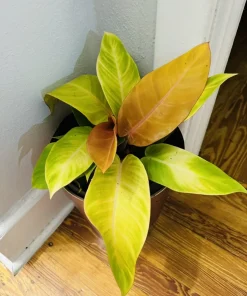
Prince of Orange Philodendron Live Plant – Vibrant Foliage Houseplant
Original price was: $60.99.$40.99Current price is: $40.99.
Bring home a beautiful prince of orange philodendron live plant, a stunning houseplant renowned for its vibrant, ever-changing foliage. This easy-to-care-for variety is perfect for adding a tropical touch to your indoor decor, thriving with minimal fuss and offering continuous visual appeal.
Estimated arrival
Oct 27
Nov 01 - Nov 03
Nov 06 - Nov 10
Shop With Confidence
30-Day Plant Health Guarantee
Arrives damaged? We’ll replace it free — see our return policy.
Responsive Support
Email us anytime, we reply within 1 business day.
Expert Packaging
Temperature-controlled shipping to protect your plants in transit.
Secure Checkout
Pay safely with Visa, Mastercard, PayPal.
Plant Specifications
-
USDA Hardiness Zone
USDA zones 10-11 (outdoors), typically grown indoors -
Soil Type
Well-draining potting mix, rich in organic matter -
Sunlight Exposure
Bright, indirect light -
Expected Planting Period
Year-round indoors
Overview
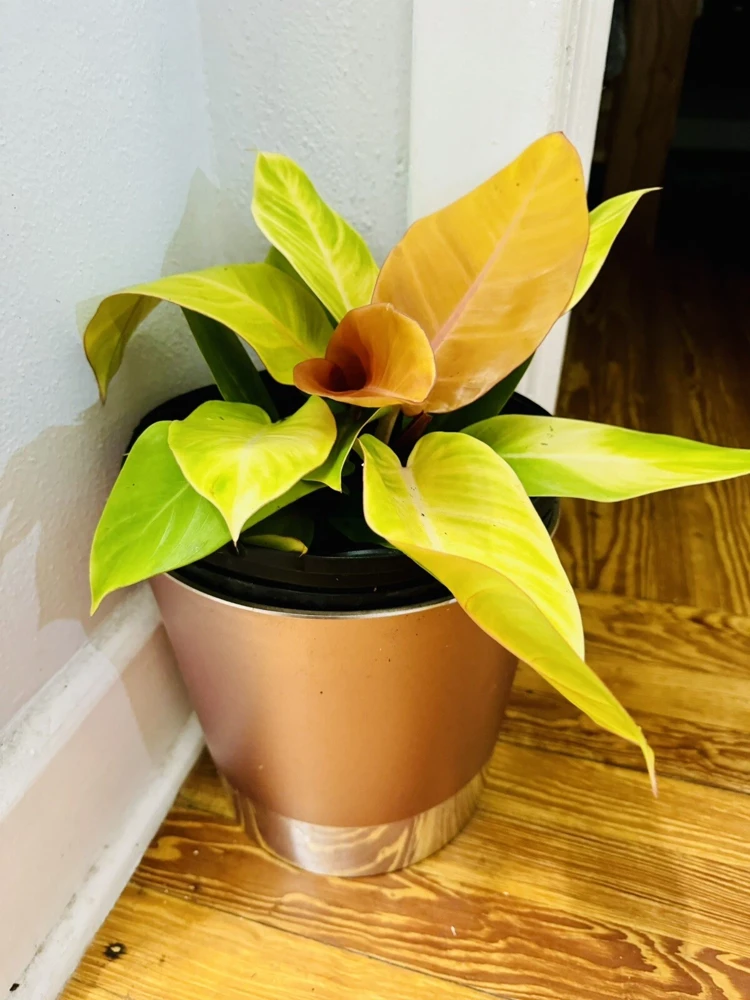
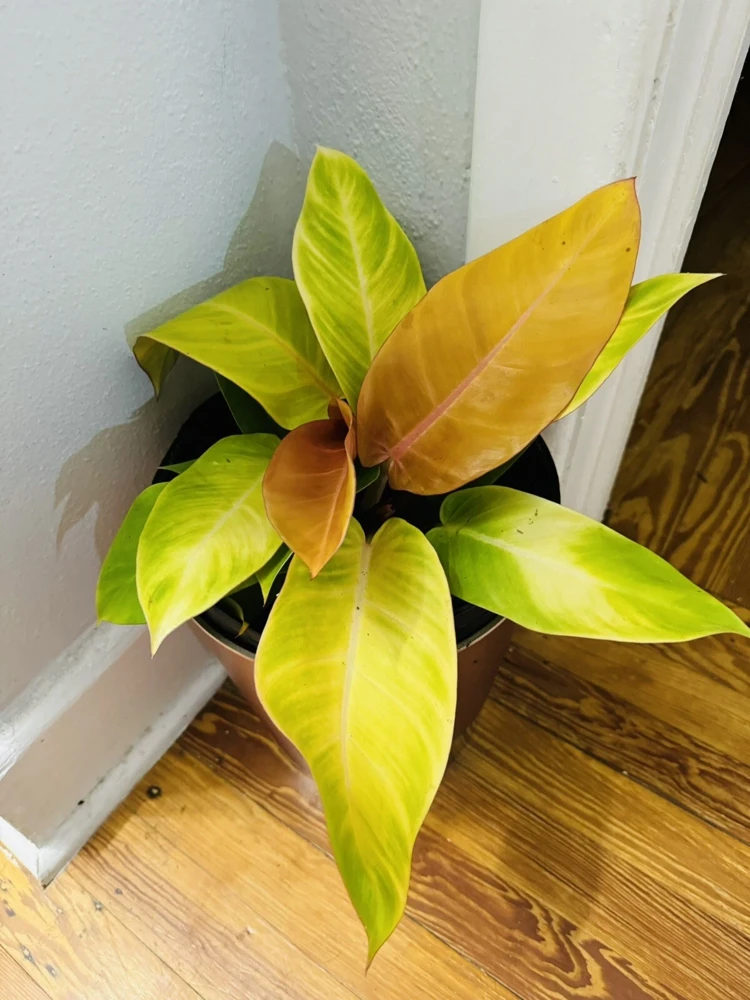
Introducing the magnificent prince of orange philodendron live plant, a true jewel among houseplants. This highly sought-after Philodendron variety is celebrated for its distinctive foliage, which emerges in shades of bright orange, gradually maturing to copper, then green, creating a dynamic and colorful display throughout its growth. Native to the tropical rainforests of South America, this hybrid Philodendron brings a touch of exotic elegance to any indoor setting. Its compact, upright growth habit makes it an ideal choice for desks, shelves, or as a vibrant floor accent. Whether you’re a seasoned plant enthusiast or a beginner, the prince of orange philodendron live plant offers a rewarding and visually striking experience.
The ‘Prince of Orange’ is a cultivar of the widely popular Philodendron genus, known for its robust nature and adaptability. Unlike some of its vining cousins, this variety typically grows in a self-heading, bushy form, maintaining a tidy appearance. Its glossy, canoe-shaped leaves are a constant source of fascination as they transition through their color palette, ensuring there’s always something new to admire. This plant is not just a decorative item; it’s a living piece of art that continuously evolves, making it a captivating addition to any home or office space.
Key Benefits
The prince of orange philodendron live plant offers a multitude of benefits, making it an excellent choice for any plant lover. Its striking appearance is just the beginning of what this wonderful houseplant has to offer.
- Stunning Foliage Display: Enjoy the unique spectacle of leaves that change color from brilliant orange to coppery tones and finally to deep green. This continuous color shift ensures your plant remains a focal point and a conversation starter in any room.
- Air Purification: Like many Philodendrons, the prince of orange philodendron live plant contributes to a healthier indoor environment by helping to filter out common airborne toxins, improving the air quality in your home or office.
- Low Maintenance: This plant is remarkably forgiving and easy to care for, making it an ideal choice for both novice and experienced plant parents. It tolerates a range of conditions and doesn’t demand constant attention.
- Compact Growth Habit: With its self-heading, bushy growth, the ‘Prince of Orange’ maintains a manageable size and shape, perfect for smaller spaces or as an accent plant without taking over the room.
- Tropical Aesthetic: Instantly infuse your living space with a vibrant, tropical ambiance. Its exotic appearance can transform a bland corner into a lush, inviting oasis.
- Stress Reduction: Studies show that having plants indoors can reduce stress and improve mood. Caring for an orange philodendron indoor plant can be a calming and fulfilling hobby.
- Versatile Decor: Its unique coloring and form make it a versatile plant that complements various interior design styles, from modern minimalist to bohemian chic.
Plant Care & Growing Tips
Caring for your philodendron prince of orange care is straightforward, ensuring its vibrant beauty thrives with proper attention. This plant prefers bright, indirect light. Placing it near a window with filtered sunlight or in a well-lit room will encourage the best leaf coloration and healthy growth. Avoid direct, harsh sunlight, which can scorch its delicate leaves. Too little light, however, can result in less vibrant coloring and leggy growth. Rotate your plant occasionally to ensure even light exposure on all sides.
When it comes to watering, allow the top inch or two of soil to dry out completely between waterings. Overwatering is a common issue for Philodendrons and can lead to root rot. Feel the soil with your finger before watering; if it feels damp, wait a few more days. Good drainage is crucial, so ensure your pot has drainage holes. This tropical plant appreciates high humidity, so consider misting its leaves regularly, placing it near a humidifier, or using a pebble tray. Average room temperatures between 65-80°F (18-27°C) are ideal. Protect it from cold drafts and sudden temperature fluctuations.
A well-draining potting mix, rich in organic matter, is perfect for your orange philodendron indoor plant. A mix designed for aroids or tropical plants, often containing peat moss, perlite, and pine bark, works well. Fertilize every 2-4 weeks during the growing season (spring and summer) with a balanced liquid fertilizer diluted to half strength. Reduce or stop fertilizing during fall and winter when growth slows. Pruning is generally not necessary for this self-heading variety, but you can remove any yellow or damaged leaves to maintain its appearance and health. Keep an eye out for common pests like spider mites or mealybugs, and address them promptly with insecticidal soap if detected.
Size & Details
The prince of orange philodendron live plant typically grows as a compact, bushy specimen, reaching an average height of 1 to 2 feet and a similar spread when mature, making it an excellent choice for tabletops or shelves. Its growth rate is moderate, allowing you to enjoy its evolving colors without it outgrowing its space too quickly. This plant is shipped as a healthy, established live plant, usually in a nursery pot, ready to be placed in your preferred decorative container or allowed to continue growing in its temporary home. The exact size upon arrival will vary slightly depending on current stock and grower practices, but it will be a viable, young plant with developing foliage showcasing its characteristic hues. Expect continuous new growth and color transitions throughout the year, especially with proper care, making your philodendron plant care efforts truly rewarding.
Frequently Asked Questions
- Q: How big does a Prince of Orange Philodendron get? A: A mature prince of orange philodendron live plant typically reaches about 1 to 2 feet in height and spread, maintaining a compact, bushy form. Its size makes it suitable for various indoor spaces without becoming overly large.
- Q: Is this an indoor or outdoor plant? A: The Prince of Orange Philodendron is primarily grown as an indoor houseplant due to its tropical origins. While it can be placed outdoors in warm, humid climates (USDA Zones 10-11) during frost-free periods, it thrives best as an orange philodendron indoor plant.
- Q: How much sunlight does it need? A: This plant prefers bright, indirect light. Avoid direct sun exposure, which can scorch its leaves. A spot near an east or north-facing window, or a few feet away from a south or west-facing window, is ideal for optimal growth and color.
- Q: Is this plant easy to care for? A: Yes, the ‘Prince of Orange’ is considered an easy-care houseplant, making it suitable for beginners. Its forgiving nature regarding humidity and watering makes philodendron prince of orange care relatively simple compared to more demanding tropical plants.
- Q: What condition will it arrive in? A: Your plant will arrive as a healthy, live specimen, carefully packaged to ensure its safe journey. It will typically be in a nursery pot with soil, ready for you to acclimate to its new home.
- Q: Is the Prince of Orange Philodendron pet-safe? A: No, like many Philodendrons, the ‘Prince of Orange’ contains calcium oxalate crystals, which can be irritating if ingested. It is best to keep this plant out of reach of pets and small children.
- Q: How often should I water my Philodendron? A: Water your philodendron plant care when the top 1-2 inches of soil feel dry to the touch. This usually translates to once a week or every ten days, but always check the soil moisture before watering to prevent overwatering.
- Q: Does it need high humidity? A: While it can tolerate average household humidity, the ‘Prince of Orange’ thrives in higher humidity environments. You can increase humidity by misting, using a pebble tray, or placing a humidifier nearby.
- Q: What kind of soil is best for this plant? A: A well-draining potting mix rich in organic matter is ideal. A mix formulated for aroids or tropical plants, often containing peat moss, perlite, and bark, will provide the aeration and drainage it needs.
- Q: How do I encourage the orange color? A: Providing ample bright, indirect light is key to promoting the vibrant orange hues in new foliage. Insufficient light can lead to greener leaves and less pronounced coloration.
Be the first to review “Prince of Orange Philodendron Live Plant – Vibrant Foliage Houseplant”
People Also Viewed
Reviews
There are no reviews yet.