


Pooh Collarette Dahlia Root Clump – Vivid Orange & Yellow, 24-40″ Tall, Outdoor
Original price was: $41.99.$31.99Current price is: $31.99.
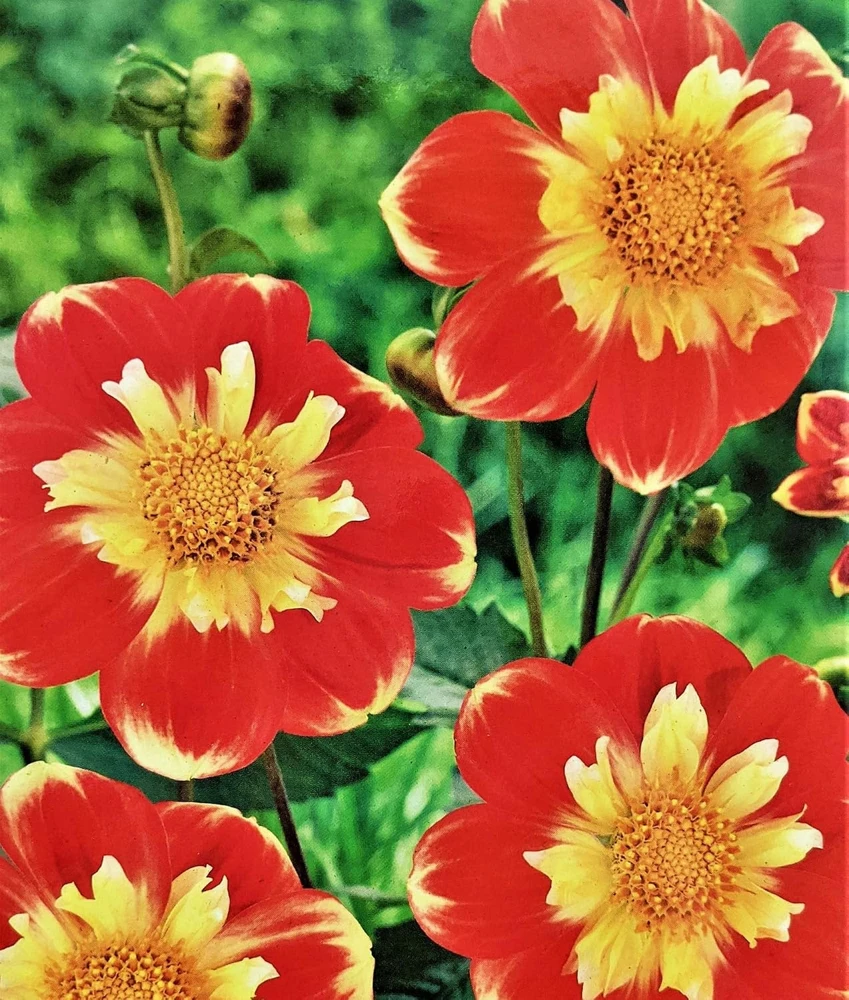
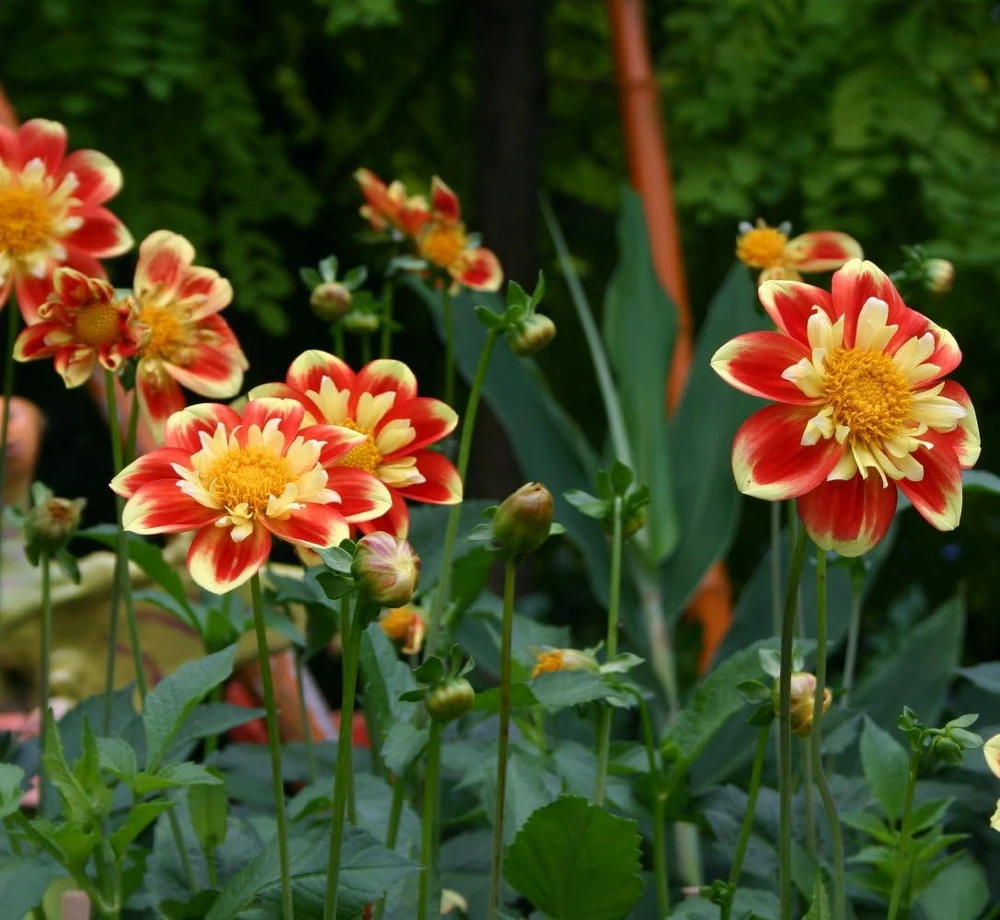
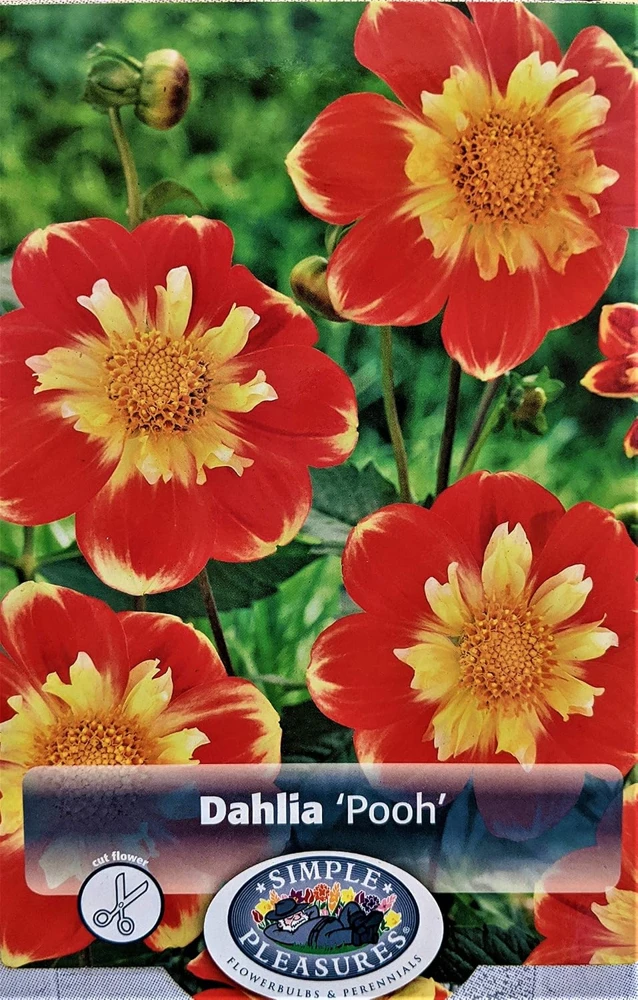
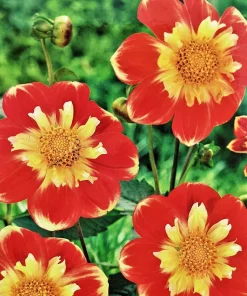
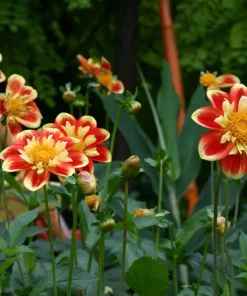
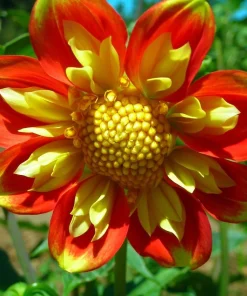
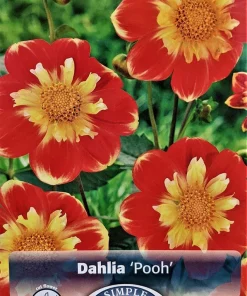
Bring a burst of color to your garden with the stunning pooh collarette dahlia. This unique variety features vivid orange petals with bright yellow tips and centers, creating an eye-catching display. Growing 24-40 inches tall, it’s ideal for perennial borders and makes an excellent cut flower. Enjoy blooms from August until frost.
Estimated arrival
Sep 29
Oct 04 - Oct 06
Oct 09 - Oct 13
Shop With Confidence
30-Day Plant Health Guarantee
Arrives damaged? We’ll replace it free — see our return policy.
Responsive Support
Email us anytime, we reply within 1 business day.
Expert Packaging
Temperature-controlled shipping to protect your plants in transit.
Secure Checkout
Pay safely with Visa, Mastercard, PayPal.
Plant Specifications
-
USDA Hardiness Zone
8-10 (elsewhere dig and store) -
Soil Type
Well-draining, rich in organic matter -
Sunlight Exposure
Full sun -
Expected Planting Period
Spring, after last frost
Overview
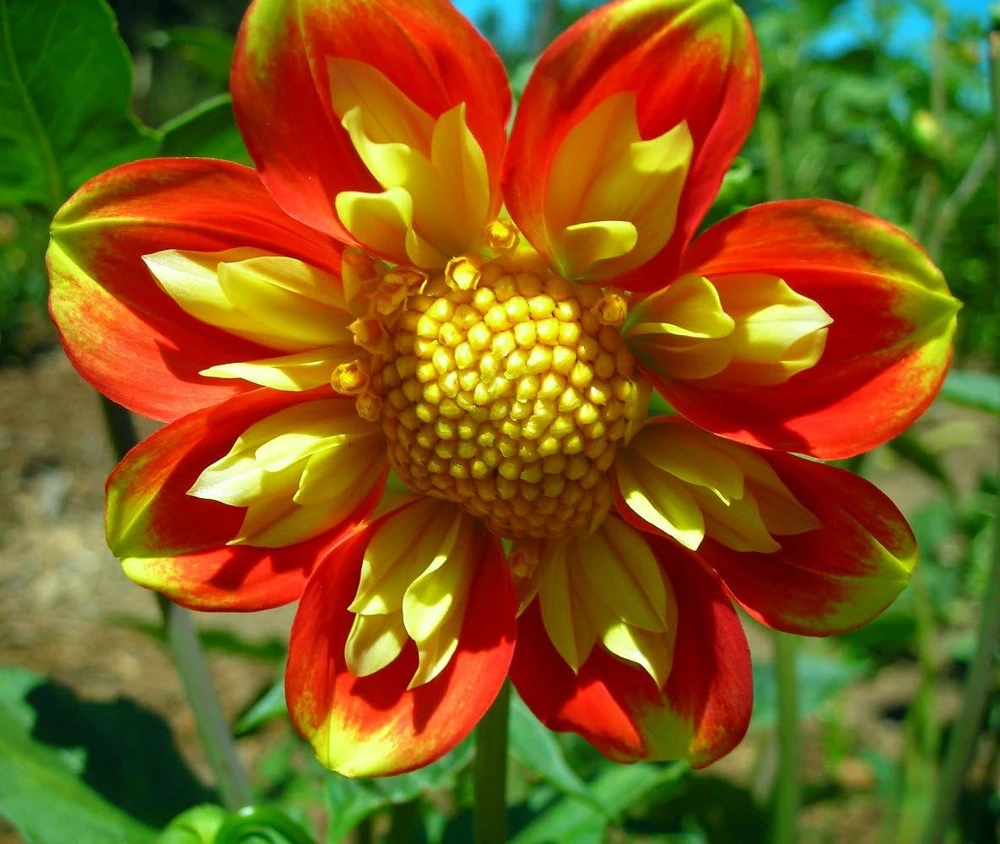
Transform your garden into a vibrant masterpiece with the exquisite pooh collarette dahlia. This offering is for a healthy root clump, ready to plant and produce spectacular blooms. Known for its distinctive collarette form, this dahlia variety showcases a captivating combination of vivid orange petals with bright yellow tips and a contrasting yellow center. These stunning flowers bring unparalleled life and beauty to any landscape, blooming profusely from late summer well into the fall months, until the first frost. Whether you’re looking to create a striking focal point or add dynamic color to your existing perennial borders, the pooh collarette dahlia is an exceptional choice. Its unique appearance and robust growth habit make it a favorite among gardeners and floral enthusiasts alike.
Dahlias, in general, are celebrated for their incredible diversity in colors, shapes, and sizes, and the Pooh Collarette is no exception. This particular variety stands out with its eye-catching color scheme and unusually shaped flowers, making it a true garden gem. Planting these root clumps ensures a strong start for healthy, vigorous plants that will reward you with an abundance of blooms. Get ready to enjoy a season full of color and charm with this remarkable dahlia.
Key Benefits
The pooh collarette dahlia offers numerous advantages for both novice and experienced gardeners, making it a highly desirable addition to any outdoor space. Its exceptional qualities ensure a rewarding gardening experience and a visually stunning display.
- Vibrant Floral Display: Enjoy a continuous show of vivid orange flowers with bright yellow tips and centers, providing a dramatic splash of color from late summer through fall. The unique collarette form adds an exotic touch to your garden.
- Excellent Cut Flowers: These dahlias produce long-lasting blooms that are perfect for cutting. Bring the beauty of your garden indoors with fresh bouquets that typically last about a week in a vase, making them ideal for home decor or gifting.
- Versatile Landscape Use: With a mature height of 24-40 inches, this orange dahlia plant is perfectly suited for a variety of landscape designs. Use them as captivating border plants, in mixed perennial beds, or as a striking backdrop to smaller plants.
- Attracts Pollinators: The bright, open flowers are a magnet for bees and butterflies, contributing to the health and biodiversity of your garden ecosystem.
- Long Blooming Season: These dahlias bloom generously from August until the first heavy frost, ensuring a prolonged period of color and interest in your garden when many other plants are fading.
- Relatively Easy to Grow: With proper care, including adequate sunlight and well-draining soil, this dahlia care guide will help you cultivate healthy and prolific plants, suitable for gardeners of various skill levels.
- Hardy in Warmer Zones: Thrives in USDA Zones 8-10, where it can be left in the ground year-round. In colder climates, the tubers can be dug up and stored, allowing you to enjoy them year after year.
Plant Care & Growing Tips
Cultivating a thriving pooh collarette dahlia is a rewarding experience with the right approach. Understanding its specific needs for sunlight, water, and soil will ensure a spectacular display of blooms. These plants are relatively low-maintenance once established, making them a great choice for adding dramatic color to your garden.
For optimal growth, plant your dahlia root clump in a location that receives full sun, ideally 6-8 hours of direct sunlight per day. Adequate sunlight is crucial for prolific flowering. The ideal soil for growing collarette dahlias should be well-draining, rich in organic matter, and have a slightly acidic to neutral pH (6.5-7.0). Avoid heavy clay soils that retain too much moisture, as this can lead to tuber rot. Incorporating compost or other organic amendments before planting will greatly improve soil structure and fertility.
Watering should be consistent, especially during dry spells and when the plant is actively growing and blooming. Aim for deep watering 2-3 times a week, ensuring the soil is moist but not waterlogged. Reduce watering as fall approaches and the plant begins to go dormant. In terms of temperature, dahlias prefer warm conditions. They are hardy in USDA Zones 8-10, where tubers can overwinter in the ground. In colder zones (7 and below), it’s essential to dig up the tubers after the first frost, clean them, and store them in a cool, dark, and frost-free area over winter to replant the following spring. Fertilize monthly with a balanced, low-nitrogen fertilizer once the plant is established and growing vigorously, to encourage strong stems and abundant flowers. Watch out for common pests like slugs and earwigs, and treat promptly if observed. Following this comprehensive dahlia care guide will help you achieve stunning results.
Size & Details
This offering includes one healthy pooh collarette dahlia root clump, carefully prepared for planting. Upon maturity, this vibrant dahlia variety typically reaches a height of 24 to 40 inches (2 to 3.3 feet), creating a substantial and impactful presence in your garden. The individual flowers are impressive, measuring approximately 4 to 6 inches across, showcasing their vivid orange and yellow coloration. These dahlias exhibit a moderate to fast growth rate, quickly developing into robust plants that begin to bloom in August and continue until the first hard frost of autumn.
The root clump is shipped dormant and ready to be planted in spring after all danger of frost has passed. When planting, ensure you provide adequate space for its mature size, typically spacing plants 18-24 inches apart. This orange dahlia plant is a perennial in warmer climates (USDA Zones 8-10), meaning it will return year after year. In colder regions, the tubers should be dug up and stored indoors over winter. With proper care, you can expect these magnificent plants to provide a spectacular floral display for many seasons to come, making them some of the best cut flower dahlias you can grow.
Frequently Asked Questions
- Q: How big does the pooh collarette dahlia get? A: This dahlia variety typically grows to a mature height of 24 to 40 inches (2 to 3.3 feet) tall, making it a medium-sized plant suitable for various garden settings. Its flowers are usually 4-6 inches in diameter.
- Q: Is this an indoor or outdoor plant? A: The pooh collarette dahlia is primarily an outdoor plant, thriving in garden beds and containers on patios. While you can enjoy cut flowers indoors, the plant itself requires outdoor conditions to flourish.
- Q: How much sunlight does it need? A: For optimal growth and prolific blooming, this dahlia requires full sun exposure, meaning at least 6-8 hours of direct sunlight per day. Less sun may result in fewer and smaller blooms.
- Q: Is this plant easy to care for? A: Yes, with proper planting and consistent care, the pooh collarette dahlia is considered relatively easy to grow. Following a good dahlia care guide for watering, sunlight, and soil will lead to success.
- Q: What condition will it arrive in? A: Your orange dahlia plant will arrive as a dormant root clump, ready for planting. This ensures it’s in the best condition for successful establishment in your garden.
- Q: How long until it blooms? A: After planting in spring, you can expect the pooh collarette dahlia to start blooming in August and continue flowering until the first hard frost of the fall.
- Q: Will it survive winter in my zone? A: This dahlia is hardy in USDA Zones 8-10, where it can remain in the ground during winter. In colder zones (7 and below), the tubers must be dug up and stored indoors in a frost-free area for the winter to protect them from freezing temperatures.
- Q: What are the best cut flower dahlias for bouquets? A: Collarette dahlias, including the Pooh variety, are excellent for cutting due to their sturdy stems and vibrant, long-lasting blooms. They add a unique texture and color to any floral arrangement.
- Q: What type of soil does this dahlia prefer? A: The pooh collarette dahlia thrives in well-draining soil that is rich in organic matter. A slightly acidic to neutral pH is ideal. Avoid heavy, waterlogged soils.
- Q: When is the best time to plant this dahlia? A: The best time to plant your dahlia root clump is in the spring, after all danger of frost has passed and the soil has warmed up.
Be the first to review “Pooh Collarette Dahlia Root Clump – Vivid Orange & Yellow, 24-40″ Tall, Outdoor”
People Also Viewed
Flower Bulbs
Fire & Ice Anemone Flowering Dahlia Root Clump – Bold Red & White Pattern – 30-50″ Tall



Houseplants
Reviews
There are no reviews yet.