
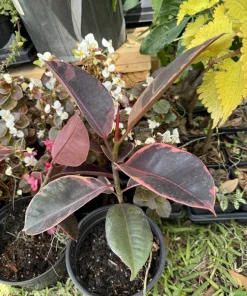
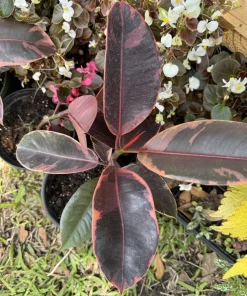
Pink Rubber Plant Live – Ficus elastica Houseplant, Vibrant Pink Foliage
Original price was: $60.99.$40.99Current price is: $40.99.
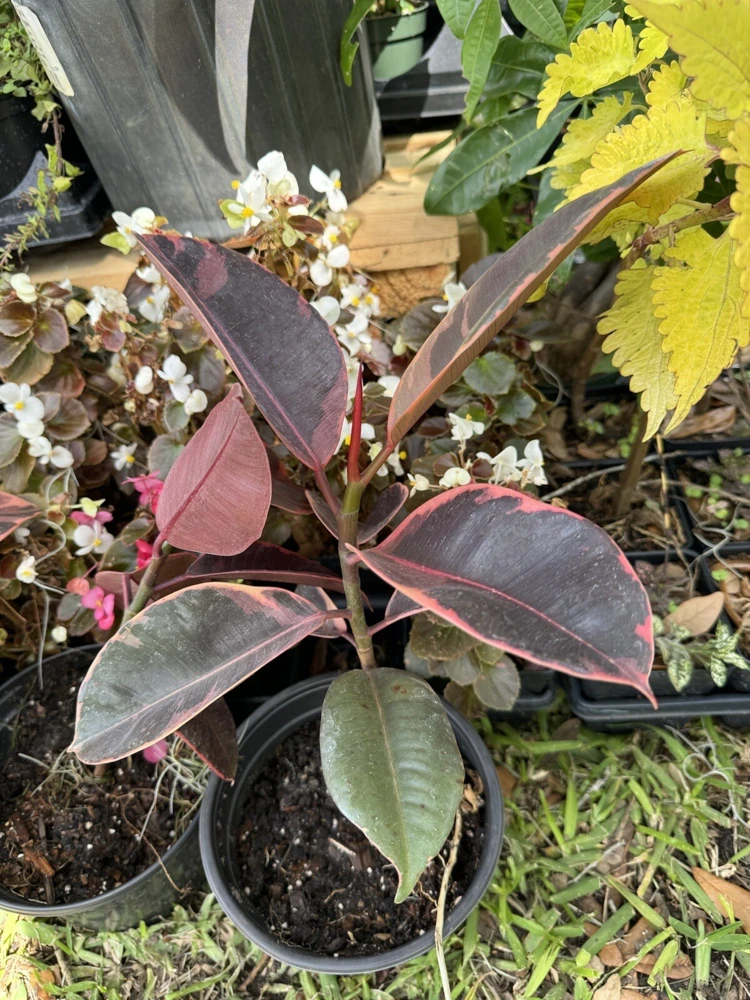
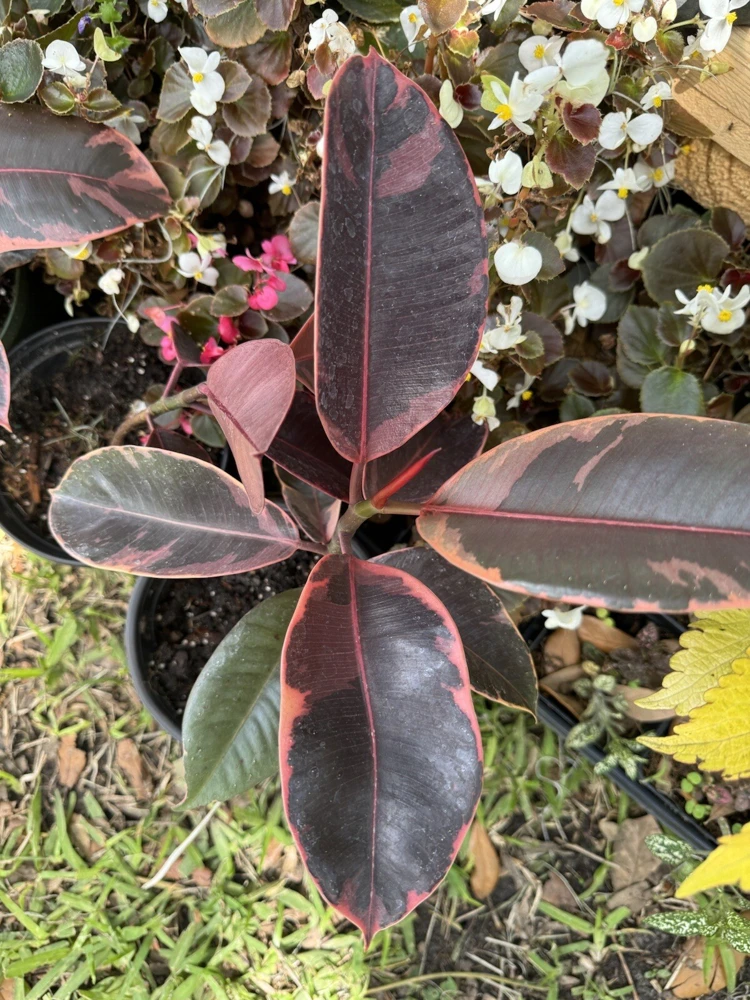
Bring vibrant color to your home with the stunning pink rubber plant (Ficus elastica). This easy-care ficus elastica pink houseplant features striking variegated leaves, adding a touch of elegance and natural beauty to any indoor setting.
Estimated arrival
Oct 28
Nov 02 - Nov 04
Nov 07 - Nov 11
Shop With Confidence
30-Day Plant Health Guarantee
Arrives damaged? We’ll replace it free — see our return policy.
Responsive Support
Email us anytime, we reply within 1 business day.
Expert Packaging
Temperature-controlled shipping to protect your plants in transit.
Secure Checkout
Pay safely with Visa, Mastercard, PayPal.
Plant Specifications
-
USDA Hardiness Zone
Year-round indoors (USDA zones 10-12 for outdoor) -
Soil Type
Well-draining potting mix -
Sunlight Exposure
Bright indirect light -
Expected Planting Period
Year-round indoors
Overview
Introduce a splash of vibrant color and natural elegance to your indoor living space with the captivating pink rubber plant, scientifically known as Ficus elastica. This popular houseplant is celebrated for its striking variegated foliage, which showcases beautiful shades of green accented with delicate pink and cream patterns. Unlike its more common green or burgundy counterparts, the pink rubber plant offers a unique aesthetic that can brighten any room and become a focal point in your plant collection. Originating from tropical regions, this Ficus species is not only visually appealing but also relatively easy to care for, making it an excellent choice for both seasoned plant enthusiasts and beginners alike. Its robust nature and ability to adapt to various indoor conditions contribute to its widespread appeal. Elevate your home decor with this living piece of art.
The pink rubber plant is a fantastic addition for those looking to add a touch of the tropics indoors without demanding excessive attention. Its glossy leaves are not just pretty; they also contribute to improving indoor air quality, making your home a healthier and more serene environment. As it matures, this plant can grow into a substantial, tree-like form, creating a lush, green (and pink!) oasis within your home. The unique coloration of the ficus elastica pink makes it stand out, providing a sophisticated and modern touch to any decor style, from minimalist to bohemian. This live plant arrives ready to thrive in your home, bringing with it an immediate sense of calm and beauty.
Key Benefits
The pink rubber plant offers a multitude of benefits beyond its undeniable beauty, making it a highly desirable addition to any indoor space. Its presence contributes to both aesthetic appeal and overall well-being.
- Stunning Aesthetic Appeal: The primary benefit of the pink rubber plant is its unique and vibrant foliage. The rich green leaves are beautifully contrasted with splashes of pink and cream, creating a visual spectacle that can instantly elevate the decor of any room. This plant acts as a natural work of art, drawing the eye and adding a sophisticated touch.
- Improved Indoor Air Quality: Like many Ficus varieties, the ficus elastica pink is known for its air-purifying capabilities. It helps to remove common indoor toxins, such as formaldehyde and benzene, from the air, contributing to a healthier and fresher living environment for you and your family.
- Low Maintenance & Easy Care: Despite its exotic appearance, the pink rubber plant is surprisingly resilient and forgiving. It tolerates a range of indoor conditions and is relatively easy to care for, making it suitable for busy individuals or those new to plant parenting. Regular watering and bright indirect light are typically all it needs to thrive.
- Versatile Decor Piece: Its striking coloration and elegant form allow the pink rubber plant to seamlessly integrate into various interior design styles. Whether your home is modern, traditional, or eclectic, this plant adds a natural, vibrant element that complements and enhances existing decor.
- Promotes Well-being: Bringing nature indoors has proven benefits for mental health, reducing stress, and increasing feelings of calm and contentment. Caring for a beautiful plant like the pink rubber plant can be a rewarding and mindful activity, fostering a connection with the natural world.
- Long-Lived & Resilient: With proper care, the ficus elastica pink can live for many years, growing into a magnificent specimen. Its robust nature means it can withstand minor fluctuations in care, making it a reliable and enduring addition to your home.
- Growth Potential: While starting as a compact plant, the pink rubber plant has the potential to grow into a substantial indoor tree over time, creating a dramatic and impressive focal point. This growth journey is part of the joy of owning such a plant.
Plant Care & Growing Tips
Caring for your pink rubber plant is straightforward, ensuring it remains a vibrant and healthy addition to your home. Understanding its basic needs for light, water, and soil will help it thrive and display its beautiful vibrant pink foliage. This plant generally prefers stable conditions, so try to avoid frequent relocation once you find a spot it likes.
When it comes to sunlight, the ficus elastica pink thrives in bright, indirect light. Place it near a window where it can receive plenty of natural light but is shielded from harsh, direct afternoon sun, which can scorch its delicate leaves. An east or north-facing window is often ideal, or a few feet back from a south or west-facing window. Insufficient light can lead to leggy growth and duller coloration, while too much direct sun can cause leaf burn. Rotate your plant every few weeks to ensure even growth and exposure to light for all sides of the foliage. Maintaining good light exposure is key to preserving the plant’s characteristic vibrant pink foliage.
Watering is crucial for the health of your pink rubber plant. Allow the top 1-2 inches of soil to dry out completely between waterings. Overwatering is a common issue that can lead to root rot, so it’s always better to underwater slightly than to overwater. During the dormant winter months, reduce watering frequency. Ensure your pot has drainage holes to prevent water from sitting at the bottom. The ideal soil type is a well-draining potting mix, preferably one formulated for houseplants, which often includes perlite or peat moss to improve aeration and drainage. The optimal temperature range for this tropical plant is between 60-75°F (15-24°C). It is not frost-tolerant, so it must be kept indoors in colder climates (USDA zones 10-12 are generally suitable for outdoor growth, but it’s primarily an indoor plant in most of the US). Fertilize your indoor rubber plant care routine with a balanced liquid fertilizer every 2-4 weeks during the growing season (spring and summer), diluting it to half strength to avoid over-fertilization. During fall and winter, reduce or cease fertilization.
Size & Details
This pink rubber plant is typically shipped as a live plant, well-rooted in a nursery pot, ready for immediate enjoyment in your home. The exact height and pot size may vary slightly depending on current stock and growth stage, but it usually arrives in a compact, desk-friendly size, perfect for starting its journey in your space. With proper care, it can grow to be several feet tall indoors, reaching heights of 6-10 feet in ideal conditions over many years, though its growth can be managed with pruning. The leaves themselves are sizable, contributing to its lush appearance. The growth rate is moderate, allowing you to observe its development without it outgrowing its space too quickly. It’s important to allow the plant to acclimate to its new environment upon arrival, as moving can sometimes cause temporary stress or leaf drop.
The ficus elastica pink is known for its sturdy stems and glossy, leathery leaves, which are not only beautiful but also quite durable. Each leaf unfurls with its unique pink variegation, ensuring that every plant has its own distinct character. While it doesn’t produce showy flowers indoors, its foliage more than makes up for it, providing continuous visual interest. This plant is a long-term companion, offering years of beauty and air-purifying benefits. The specific cultivar often referred to as the ‘Ruby’ or ‘Tineke’ variety, showcases the best of the pink ficus plant aesthetics.
Frequently Asked Questions
- Q: How big does this pink rubber plant get? A: While it can reach heights of 6-10 feet indoors over many years with ideal conditions, its size can be managed through pruning. It typically arrives as a compact plant, ready to grow in your home.
- Q: Is this an indoor or outdoor plant? A: The pink rubber plant is primarily an indoor houseplant in most climates. It can be grown outdoors in USDA zones 10-12, but it’s sensitive to cold temperatures and frost.
- Q: How much sunlight does it need? A: It thrives in bright, indirect light. Avoid direct, harsh afternoon sun, which can scorch its leaves. An east or north-facing window is often ideal for optimal vibrant pink foliage.
- Q: Is this plant easy to care for? A: Yes, the pink rubber plant is considered relatively easy to care for, making it suitable for beginners. Its resilience and moderate water needs contribute to its low-maintenance reputation.
- Q: What condition will it arrive in? A: Your ficus elastica pink will arrive as a live, healthy plant, well-rooted in a nursery pot, carefully packaged to ensure its safe journey to your home.
- Q: How often should I water my pink rubber plant? A: Water when the top 1-2 inches of soil feel dry to the touch. Reduce watering in winter. Always ensure the pot has good drainage to prevent root rot.
- Q: What type of soil is best for this plant? A: A well-draining potting mix is essential. Look for mixes that contain perlite or peat moss to ensure proper aeration and prevent waterlogging, which is crucial for indoor rubber plant care.
- Q: Is the pink rubber plant pet-safe? A: No, Ficus elastica plants are considered toxic to pets if ingested and can cause irritation. It’s best to keep them out of reach of curious pets and children.
- Q: What causes the leaves to lose their pink color? A: Insufficient light is often the cause of reduced pink variegation. Ensure your plant is receiving enough bright, indirect light to maintain its striking coloration.
- Q: When is the best time to repot my pink rubber plant? A: Repotting is generally best done in the spring or early summer when the plant is actively growing. Repot when the plant becomes root-bound, usually every 1-2 years.
Be the first to review “Pink Rubber Plant Live – Ficus elastica Houseplant, Vibrant Pink Foliage”
People Also Viewed




Reviews
There are no reviews yet.