

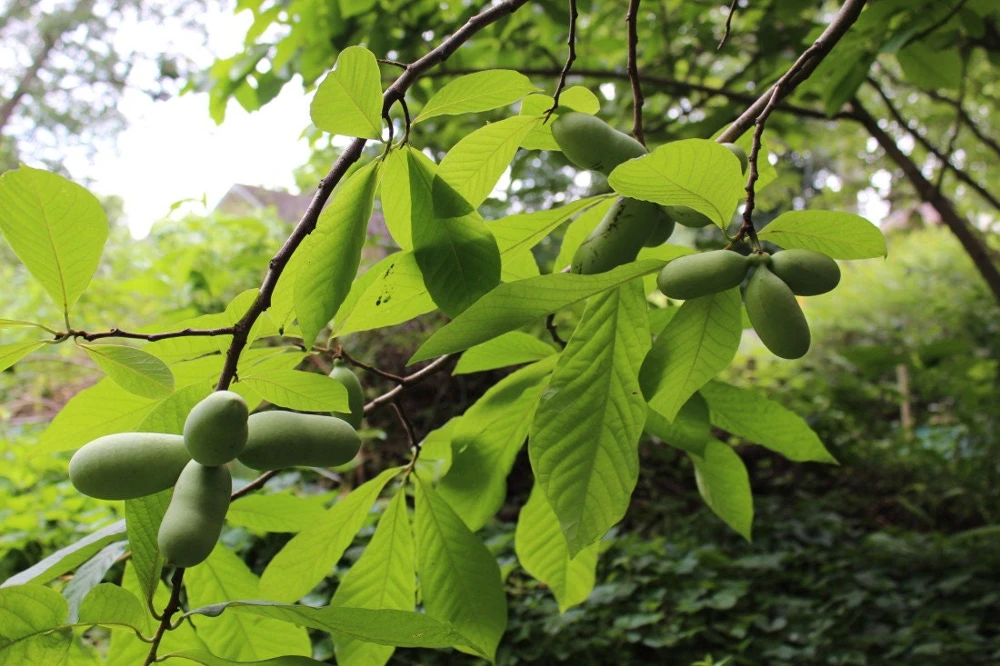
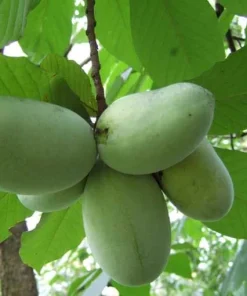
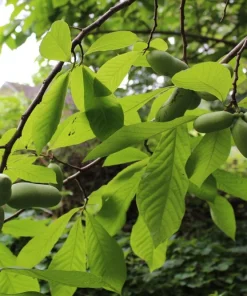
Paw Paw Indian Banana Tree Live Plant 6-12in Tall – Quart Pot Fruit Tree
Original price was: $56.99.$36.99Current price is: $36.99.
Bring a touch of the tropics to your yard with the Paw Paw Indian Banana tree, a unique fruit-bearing plant. This cold hardy fruit tree produces delicious banana-like fruit and boasts vibrant fall foliage. Perfect for zones 5-8, it’s an excellent choice for gardeners seeking an easy-to-grow, ornamental, and productive addition to their landscape.
Estimated arrival
Sep 20
Sep 25 - Sep 27
Sep 30 - Oct 04
Shop With Confidence
30-Day Plant Health Guarantee
Arrives damaged? We’ll replace it free — see our return policy.
Responsive Support
Email us anytime, we reply within 1 business day.
Expert Packaging
Temperature-controlled shipping to protect your plants in transit.
Secure Checkout
Pay safely with Visa, Mastercard, PayPal.
Plant Specifications
-
USDA Hardiness Zone
5-8 -
Soil Type
Moist, well-draining, slightly acidic soil -
Sunlight Exposure
Full sun to partial shade -
Expected Planting Period
Spring to early summer
Overview
Discover the unique charm of the Paw Paw Indian Banana tree, a fascinating and often overlooked native American fruit tree. This live plant offers a remarkable combination of ornamental beauty and delicious, exotic-tasting fruit, making it a standout addition to any garden or landscape. Known scientifically as Asimina triloba, the Paw Paw is celebrated for its ability to thrive in temperate climates while producing fruit with a distinctly tropical flavor, often compared to banana, mango, or custard. Unlike many tropical fruit trees, the Paw Paw Indian Banana tree is incredibly cold hardy, tolerating temperatures as low as -25°F, making it suitable for a wide range of USDA zones. Beyond its delectable fruit, this tree provides year-round visual interest, from its bell-shaped spring flowers to its brilliant yellow fall foliage. If you’re looking for a low-maintenance, productive, and visually appealing tree, the Paw Paw is an excellent choice.
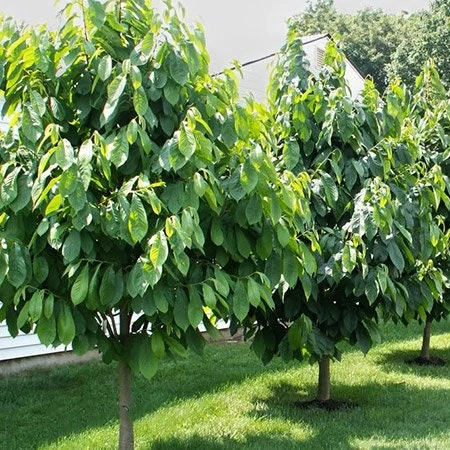
This particular offering is for a Paw Paw Indian Banana tree that measures 6-12 inches tall, perfectly sized for transplanting into your garden. It comes in a quart pot, ensuring a healthy root system ready for establishment. The medium growth rate means you won’t wait forever to see results, with mature heights typically reaching 15-20 feet. Embrace the opportunity to cultivate your own exotic fruit with this resilient and rewarding cold hardy fruit tree.
Key Benefits
The Paw Paw Indian Banana tree offers numerous advantages for the home gardener, combining aesthetic appeal with practical benefits. Here are some of the key reasons to add this exceptional tree to your landscape:
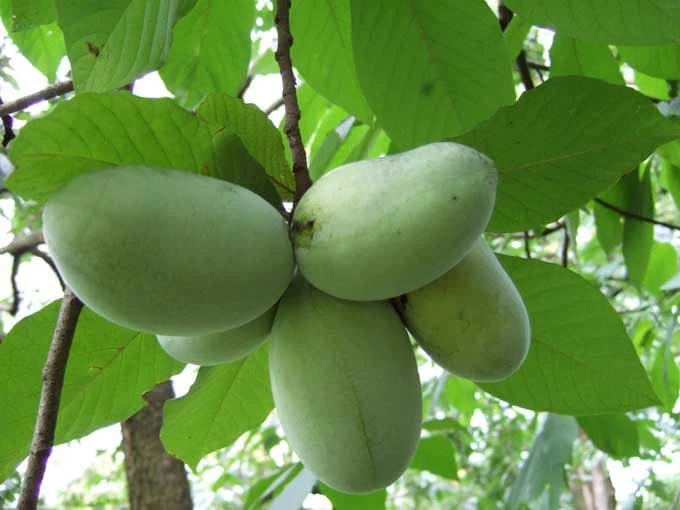
- Unique Tropical Flavor: Enjoy delicious, creamy fruits with a flavor profile often described as a blend of banana, mango, and pineapple. This makes the Paw Paw Indian Banana tree a truly special and exotic addition to your home orchard.
- Exceptional Cold Hardiness: Unlike most tropical fruit producers, the Paw Paw can withstand harsh winter temperatures, thriving in USDA Zones 5-8, making it a reliable cold hardy fruit tree for many regions.
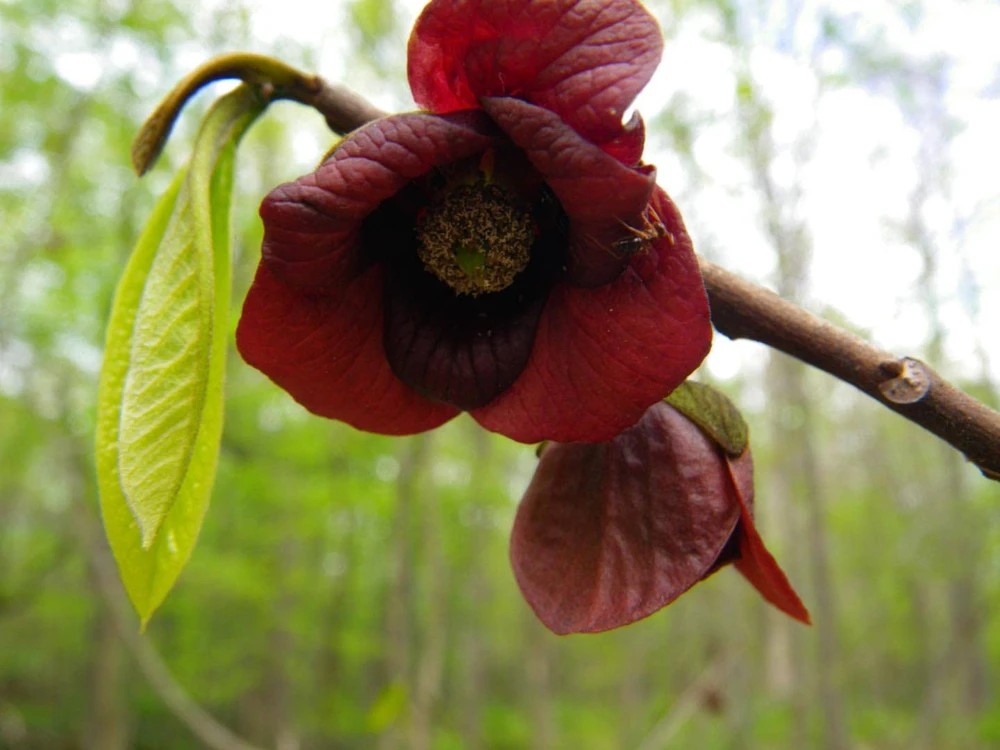
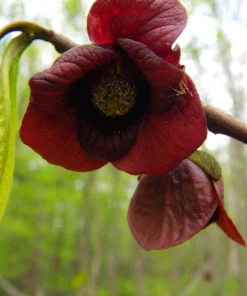
- Ornamental Appeal: Beyond its fruit, the Paw Paw tree provides year-round beauty. It features delightful inch-long, bell-shaped flowers in the spring and stunning, vibrant yellow foliage in the fall, adding seasonal interest to your garden.
- Low Maintenance: Once established, the Paw Paw is relatively low-maintenance, requiring minimal intervention to thrive. It adapts to various light conditions from full sun to partial shade.
- Native Plant Benefits: As a native species, the Asimina triloba supports local ecosystems, providing food for wildlife and promoting biodiversity in your garden.
- Medium Growth Rate: With a moderate growth rate, you won’t have to wait decades for your tree to mature and start producing its unique fruit.
Plant Care & Growing Tips
Caring for your Paw Paw Indian Banana tree is straightforward, making it an excellent choice for both novice and experienced gardeners. These trees are quite adaptable, but a few key considerations will ensure optimal growth and fruit production. When planting, choose a location that receives full sun to partial shade. While young Paw Paws prefer some shade, especially in hot climates, mature trees produce more fruit in full sun. Ensure the soil is well-draining, moist, and slightly acidic. A rich, loamy soil amended with organic matter is ideal. Dig a hole twice as wide as the root ball and just as deep, gently placing the tree and backfilling with soil, ensuring the root collar is level with the ground.
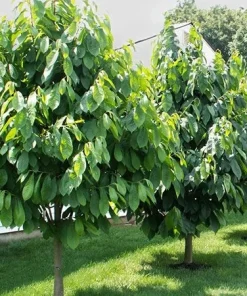
Watering is crucial, especially during the first few years after planting. Keep the soil consistently moist but not waterlogged. Once established, the Paw Paw plant care routine becomes less intensive, as they are relatively drought tolerant. Fertilize in early spring with a balanced, slow-release fertilizer formulated for fruit trees. Avoid over-fertilizing, which can harm young plants. Paw Paw trees are hardy in USDA Zones 5-8, tolerating extreme cold. They typically grow to a mature height of 15-20 feet with a similar spread. Protection from strong winds can be beneficial for young trees. While generally disease-resistant, monitor for common pests and address them promptly with organic solutions if possible. Remember that Paw Paws often require cross-pollination from another genetically distinct Paw Paw tree for optimal fruit set, so consider planting at least two for a bountiful harvest of this delicious tropical fruit tree.
Size & Details
This offering includes one healthy Paw Paw Indian Banana tree, a live plant carefully nurtured in a quart-sized nursery pot. The tree measures approximately 6-12 inches in height from the top of the soil, making it an ideal size for successful transplanting and establishment in your garden. These young trees have a medium growth rate, typically reaching a mature height of 15-20 feet and a similar spread, forming an attractive, somewhat pyramidal shape. They are shipped with their root ball intact within the quart pot, ensuring minimal transplant shock upon arrival. Expect your tree to begin producing its unique, banana-like fruit within 3-5 years under optimal growing conditions, offering a rewarding long-term investment for your landscape. The Asimina triloba is a deciduous tree, providing beautiful seasonal changes with its vibrant green summer foliage turning to brilliant yellow in the fall.
Frequently Asked Questions
- Q: How big does this Paw Paw Indian Banana tree get? A: This Paw Paw Indian Banana tree typically reaches a mature height of 15-20 feet with a similar spread. It has a medium growth rate, meaning it will grow steadily over several years to reach its full size.
- Q: What size pot does it come in? A: The Paw Paw Indian Banana tree is shipped in a quart-sized nursery pot, providing a healthy root system ready for planting in your garden.
- Q: Is this an indoor or outdoor plant? A: The Paw Paw Indian Banana tree is an outdoor tree, hardy in USDA Zones 5-8. While young trees can be started indoors in large containers, they are best suited for permanent outdoor planting.
- Q: How much sunlight does it need? A: Paw Paw trees prefer full sun to partial shade. Young trees benefit from some afternoon shade, especially in hot climates, but mature trees produce more fruit in full sun.
- Q: Is this plant easy to care for? A: Yes, Paw Paw plant care is relatively easy once established. They are low-maintenance trees, tolerant of various conditions, and generally resistant to pests and diseases.
- Q: What condition will it arrive in? A: Your Paw Paw Indian Banana tree will arrive as a healthy, live plant in a quart pot, with its root ball intact and ready for planting.
- Q: How long until it produces fruit? A: Under ideal conditions, your tropical fruit tree can start producing fruit within 3-5 years after planting. For best fruit set, planting at least two genetically distinct Paw Paw trees is recommended for cross-pollination.
- Q: Will it survive winter in my zone? A: This cold hardy fruit tree is robust and can tolerate cold temperatures down to -25°F, making it suitable for USDA Zones 5-8.
- Q: What is the best soil type for this tree? A: The Paw Paw thrives in moist, well-draining, slightly acidic soil. Amending with organic matter can improve soil quality.
- Q: Do I need more than one Paw Paw tree for fruit? A: While some Paw Paw varieties are self-fertile, most perform best and produce more fruit with cross-pollination from a different Paw Paw cultivar. It’s recommended to plant at least two for optimal fruit production.
Be the first to review “Paw Paw Indian Banana Tree Live Plant 6-12in Tall – Quart Pot Fruit Tree”
People Also Viewed
Vegetable Seeds
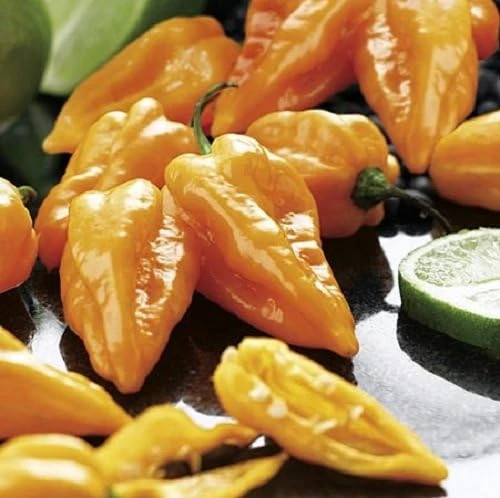
Magnum Orange Habanero Pepper Seeds – 20 Count – High Yield, Hot
Flower Bulbs


Reviews
There are no reviews yet.