
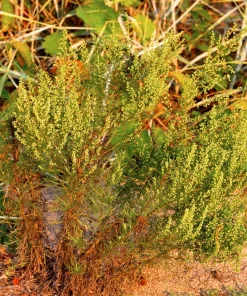
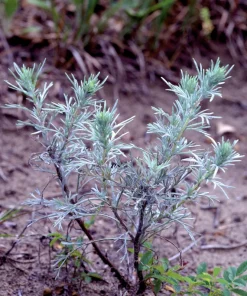
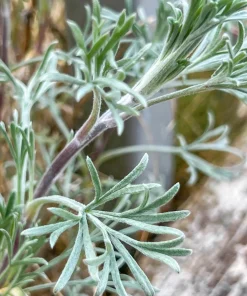
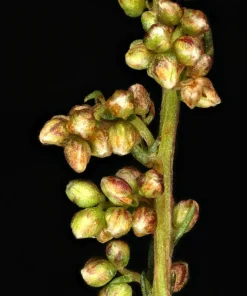
Beach Wormwood Seeds – Artemisia Campestris Caudata – 500 Seeds – Outdoor Herb Flower
Original price was: $36.99.$16.99Current price is: $16.99.
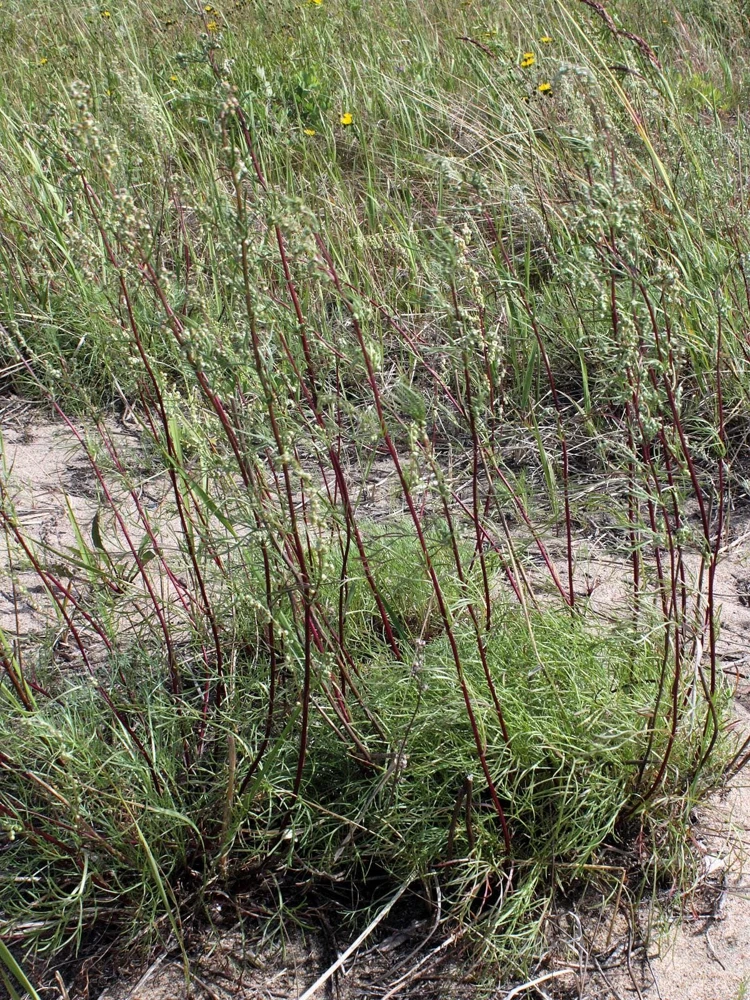
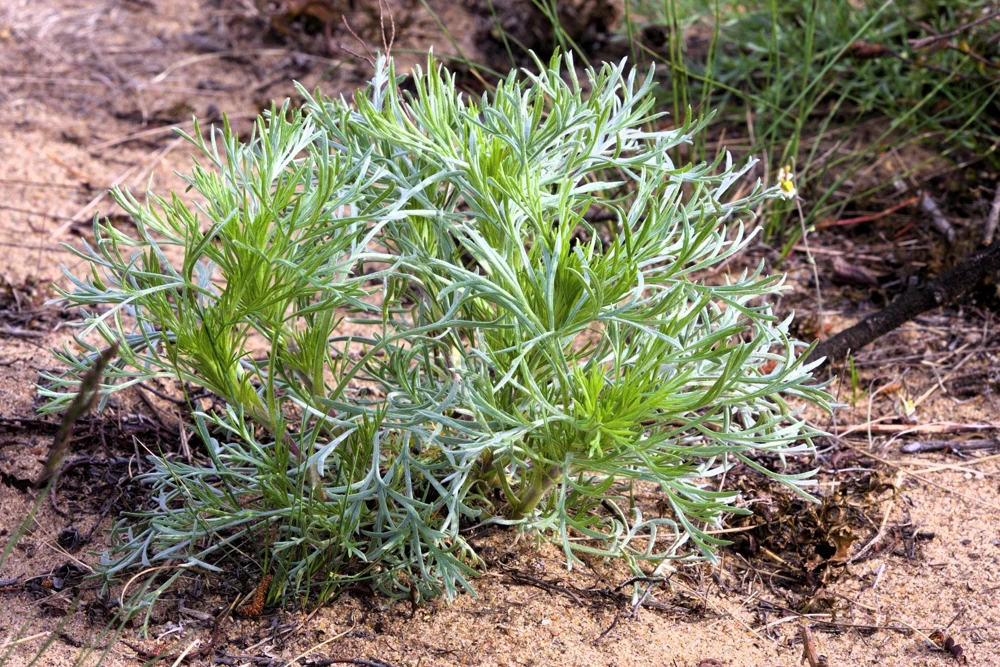
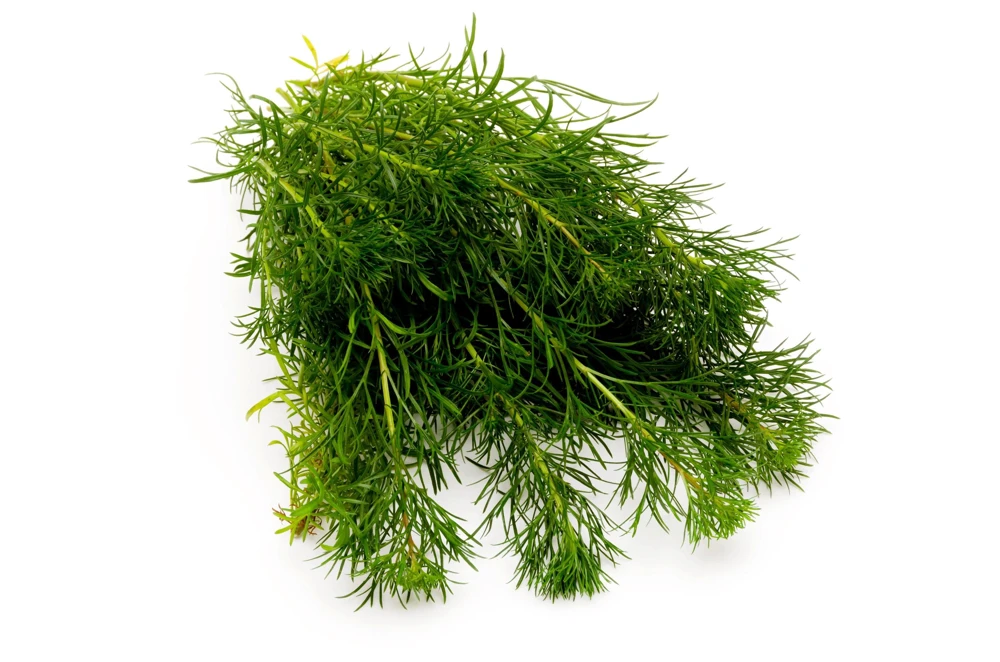
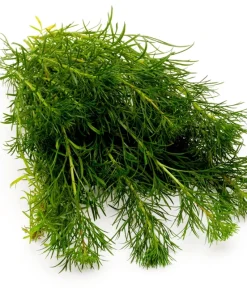
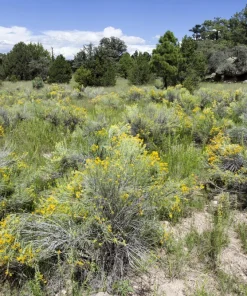
Cultivate striking beach wormwood seeds, also known as Artemisia Campestris Caudata. These hardy plants feature elegant silvery-white foliage and red stems, ideal for dry, sandy conditions. Perfect for rock gardens or coastal landscapes, they attract bees and butterflies.
Estimated arrival
Sep 14
Sep 19 - Sep 21
Sep 24 - Sep 28
Shop With Confidence
30-Day Plant Health Guarantee
Arrives damaged? We’ll replace it free — see our return policy.
Responsive Support
Email us anytime, we reply within 1 business day.
Expert Packaging
Temperature-controlled shipping to protect your plants in transit.
Secure Checkout
Pay safely with Visa, Mastercard, PayPal.
Plant Specifications
-
USDA Hardiness Zone
5-9 -
Soil Type
Dry, sandy, well-draining soil -
Sunlight Exposure
Full sun -
Expected Planting Period
Spring or Fall
Overview
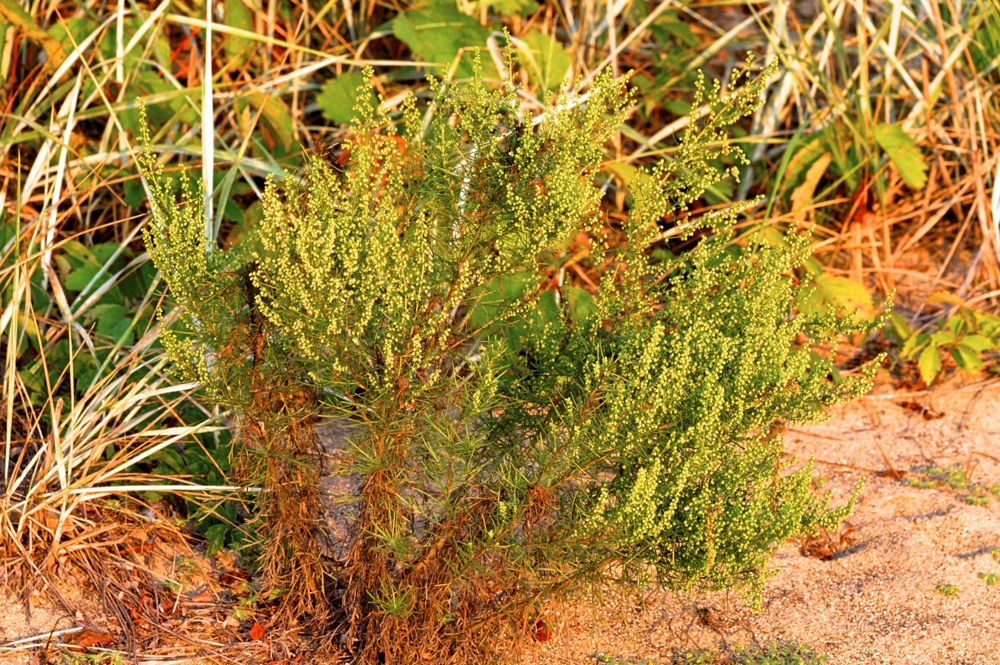
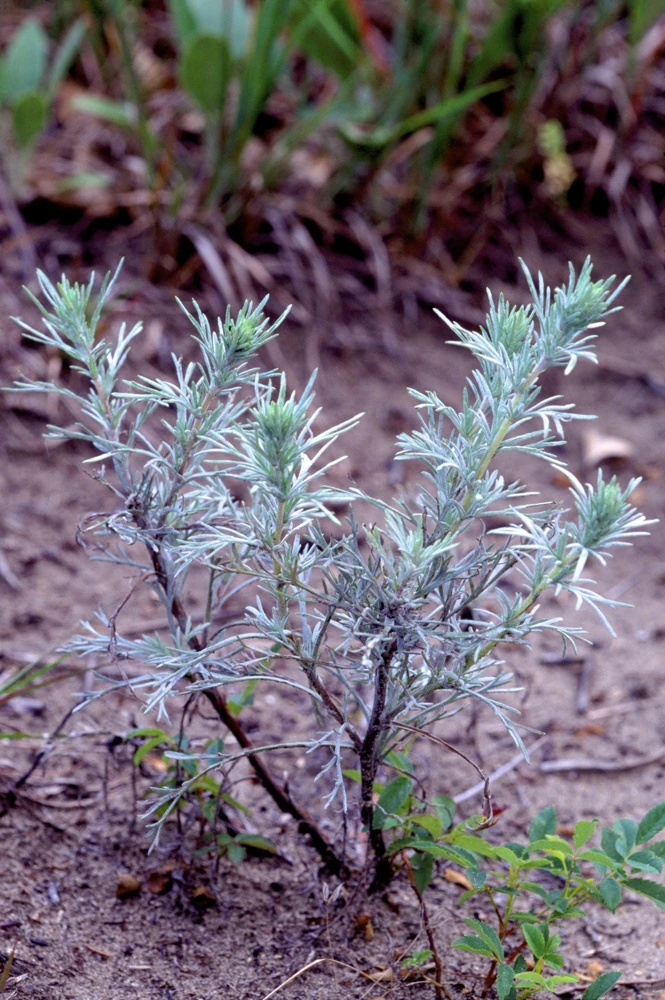
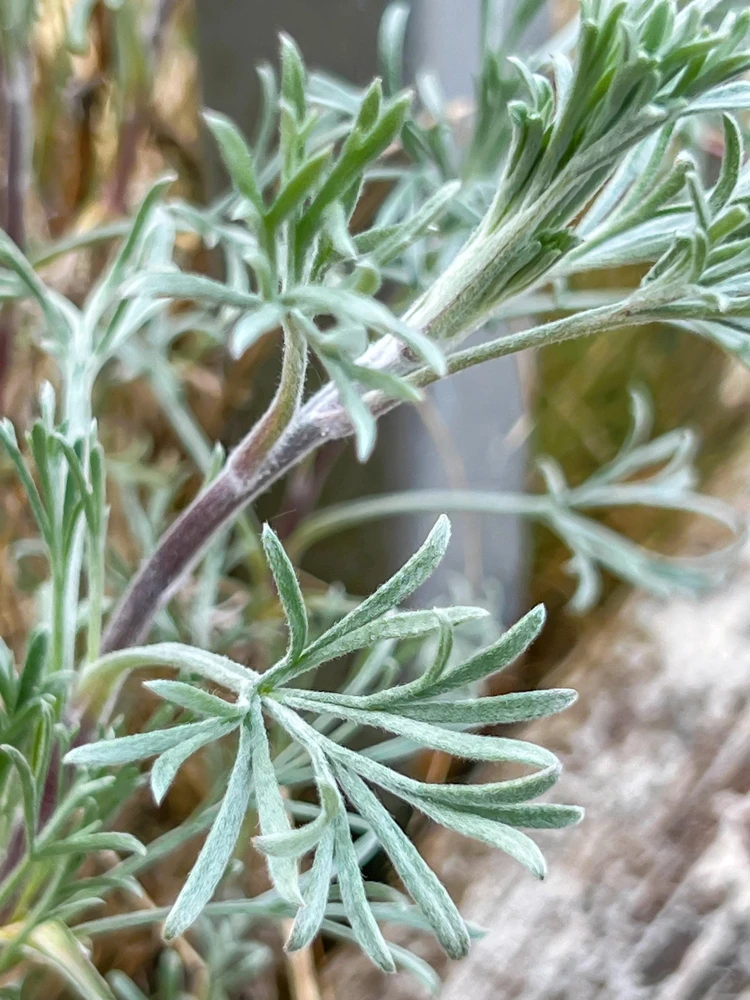
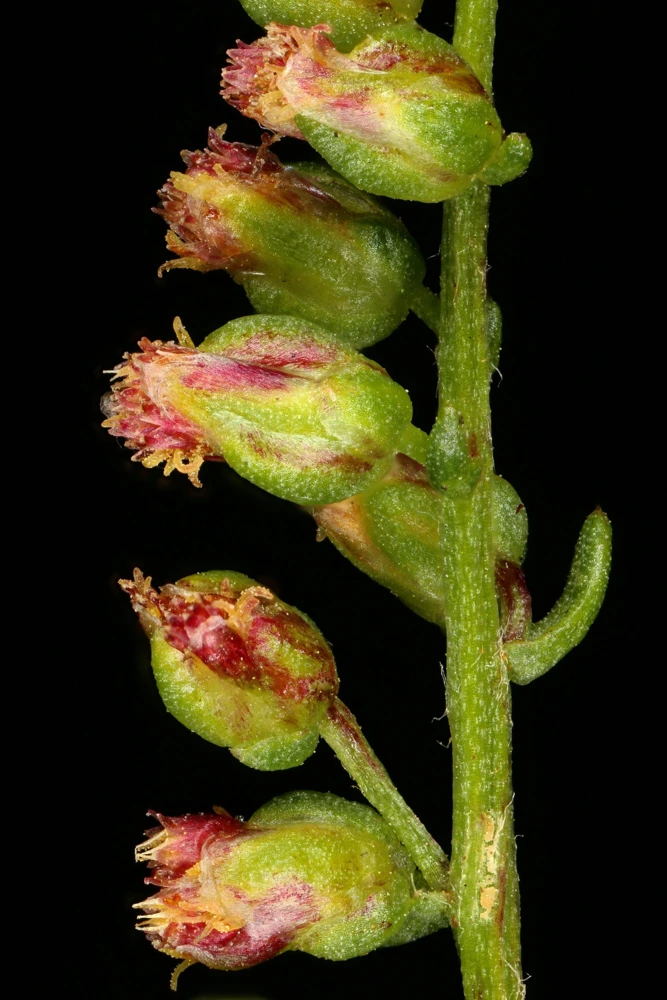
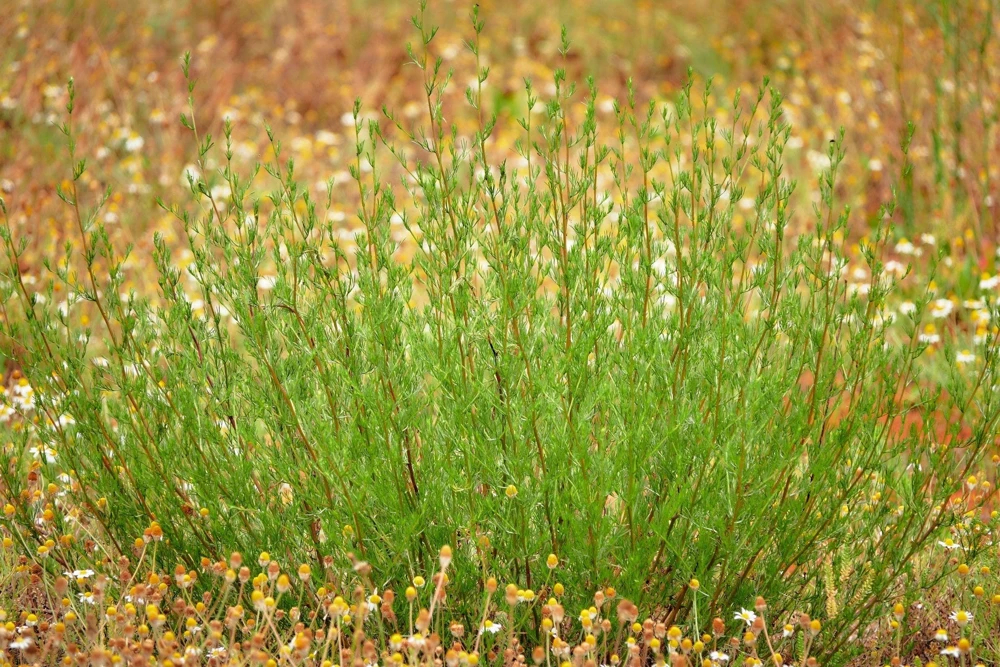
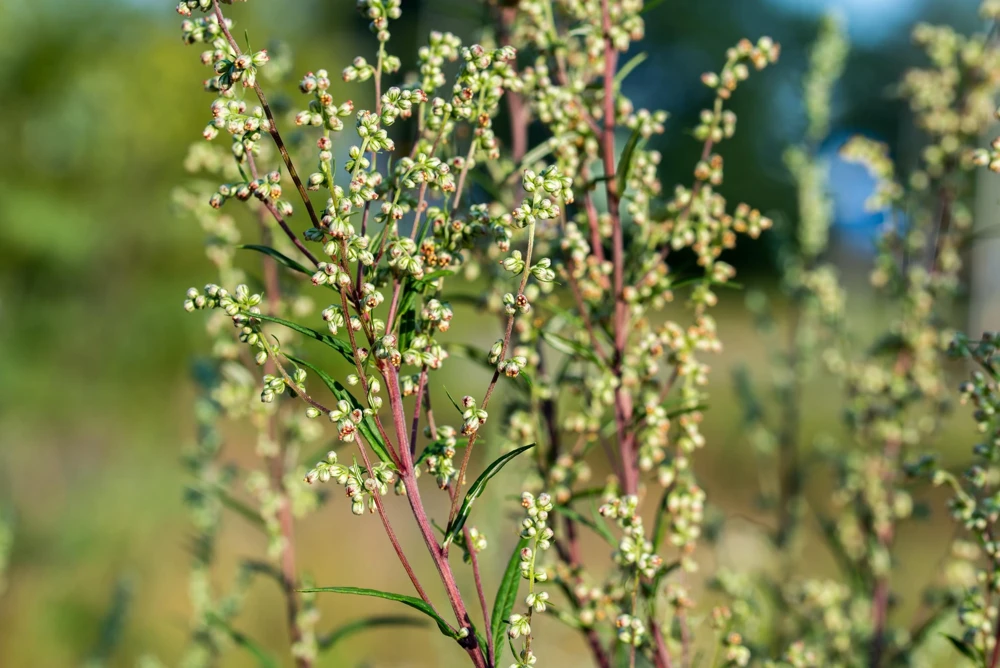
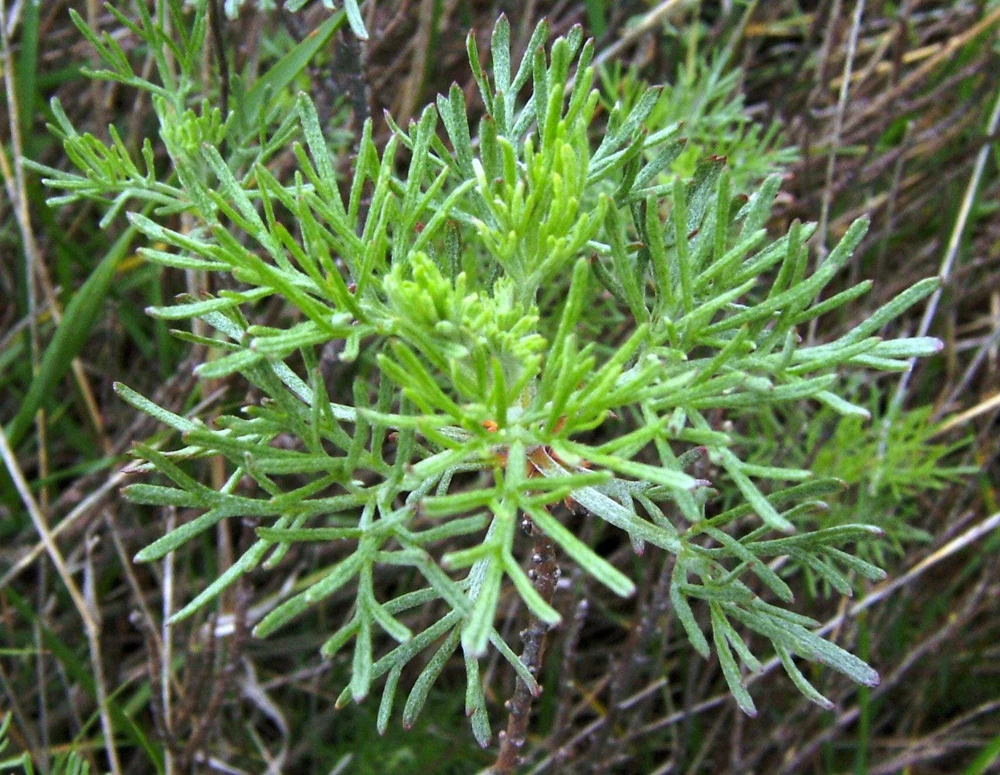
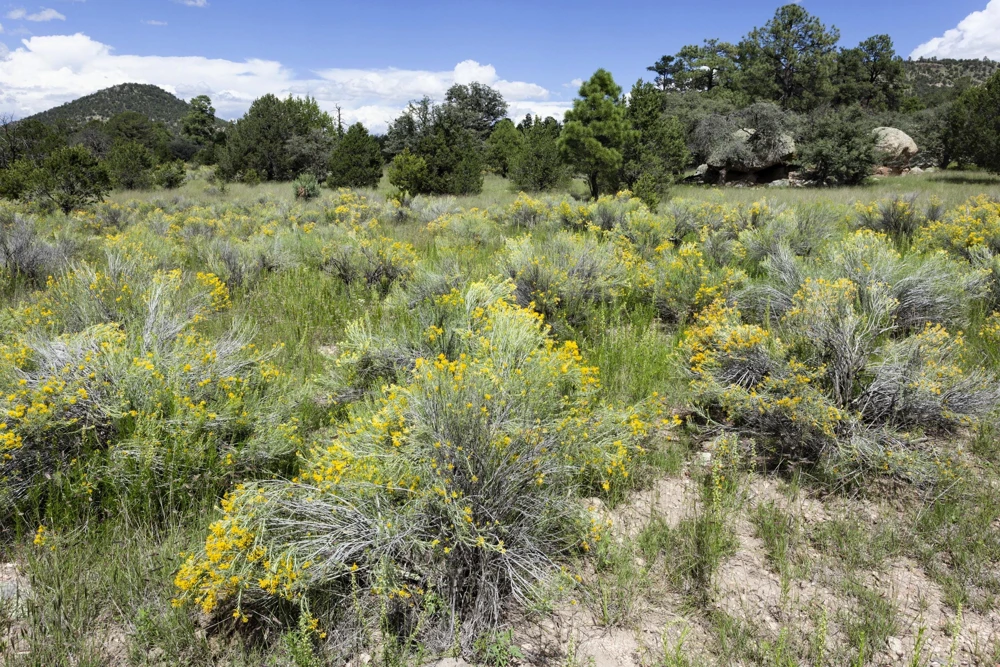
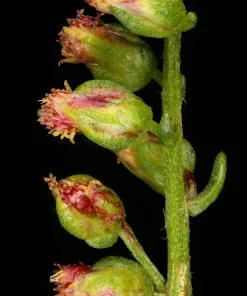
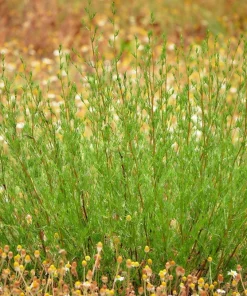
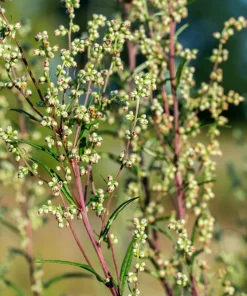
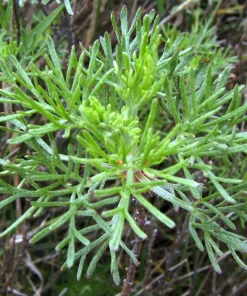
Cultivate a unique and resilient addition to your garden with beach wormwood seeds. Also known as Field Sagewort or Artemisia Campestris Caudata, this plant is celebrated for its distinctive feathery, silvery-white foliage and contrasting red stems. Originating from coastal and arid regions, Beach Wormwood is an exceptionally hardy and drought-tolerant plant, making it a perfect choice for gardeners seeking low-maintenance beauty. Its greenish-yellow flowers, though subtle, add to its charm and attract beneficial pollinators like bees and butterflies. Whether you’re designing a rock garden, enhancing a xeriscape, or looking for plants that thrive in challenging conditions, these sagewort herb seeds offer an excellent solution to create a visually appealing and eco-friendly landscape.
These beach wormwood seeds produce biennial plants that establish well in their first year and bloom in their second. They are remarkably adaptable, flourishing in conditions that many other plants struggle with, including salt spray and poor, sandy soils. The elegant texture and color of the foliage provide excellent visual interest throughout the growing season, making it a valuable plant for adding contrast and softness to garden designs. Grow these seeds to transform your outdoor space into a resilient and beautiful sanctuary that requires minimal care once established.
Key Benefits
Adding beach wormwood seeds to your garden offers a multitude of advantages, from aesthetic appeal to ecological benefits. This versatile plant is not only beautiful but also incredibly tough and beneficial for the environment:
- Stunning Silvery Foliage: The delicate, feathery leaves of Beach Wormwood are a beautiful silvery-white, providing a striking contrast against its red stems. This unique coloration adds a sophisticated touch to any garden, especially when paired with green or dark-leaved plants.
- Exceptional Drought Tolerance: Once established, Beach Wormwood requires very little water, making it an ideal choice for xeriscaping, water-wise gardens, or areas with infrequent rainfall. This resilience helps conserve water and reduces maintenance efforts.
- Thrives in Poor Soil: Unlike many plants that demand rich soil, Beach Wormwood flourishes in dry, sandy, and even rocky soils. This makes it perfect for challenging spots where other plants might struggle to grow, such as coastal areas or desert landscapes.
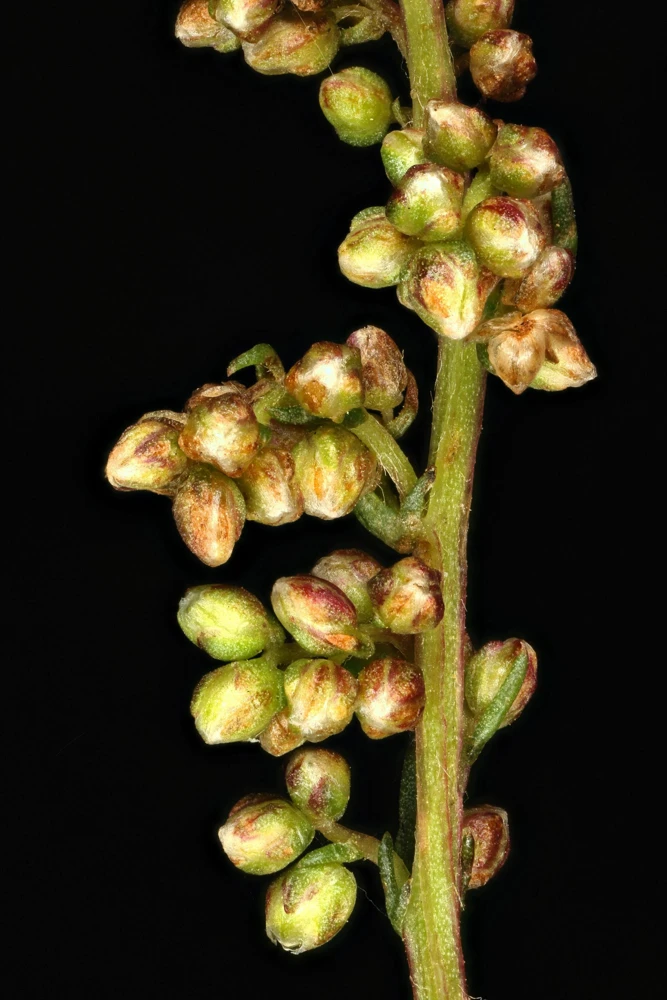
- Attracts Pollinators: The greenish-yellow flowers, which appear from August to October, are a magnet for bees and butterflies. By planting beach wormwood seeds, you contribute to local biodiversity and support essential pollinator populations in your garden.
- Coastal & Salt Spray Resistant: This plant is incredibly tolerant of salt spray and coastal conditions, making it an excellent option for seaside gardens where many other species would falter. Its ability to withstand harsh elements ensures its beauty even in exposed locations.
- Low Maintenance: Beyond initial planting and establishment, Beach Wormwood is a remarkably low-maintenance plant. It requires minimal care, making it suitable for busy gardeners or those looking for an effortless yet impactful garden addition.
- Versatile Landscaping Use: Its unique texture and color make it suitable for rock gardens, borders, mass plantings, or as an accent plant. The distinct appearance of Artemisia Campestris Caudata adds architectural interest and texture to diverse garden designs.
Plant Care & Growing Tips
Growing beach wormwood seeds is a rewarding experience, particularly due to the plant’s robust nature and minimal care requirements. To ensure successful germination and healthy growth, understanding its specific needs is key. These seeds can be planted in either spring or fall. When planting in spring, start seeds indoors 6-8 weeks before the last frost or sow directly outdoors after the danger of frost has passed. For fall planting, sow seeds directly outdoors in well-prepared soil, allowing them to establish roots before winter sets in. Lightly cover the seeds with soil, as they often require light for germination. Keep the soil consistently moist until germination occurs, which typically takes 14-21 days.
Once established, Artemisia Campestris Caudata thrives in full sun exposure, requiring at least 6-8 hours of direct sunlight per day. It is highly adaptable to various soil types but prefers dry, well-draining soil. Sandy or gravelly soils are ideal, reflecting its natural habitat. Avoid heavy, clay soils that retain too much moisture, as this can lead to root rot. Watering should be infrequent once the plants are mature; they are highly drought-tolerant and prefer to dry out between waterings. Overwatering is a common mistake that can harm these plants. Fertilization is generally not necessary, especially in average garden soil, as the plant is adapted to nutrient-poor environments. If growth seems stunted in very poor soil, a light application of a balanced, slow-release fertilizer in spring can be beneficial.
Drought tolerant plants like Beach Wormwood are generally pest and disease resistant, making them a worry-free choice for many gardeners. They are hardy in USDA Zones 5-9, meaning they can withstand a wide range of winter temperatures. In colder zones, mulching around the base of the plant in late fall can provide extra protection. Pruning can be done in early spring to remove any dead or leggy growth and to maintain a tidy shape. Given its natural resilience, this coastal garden plant is an excellent choice for those looking to create a beautiful yet low-maintenance landscape that stands up to challenging environmental conditions.
Size & Details
These beach wormwood seeds will grow into mature plants that typically reach a height of 4 to 6 feet and spread 4 to 6 feet wide, creating a substantial and attractive presence in the garden. The plants are biennial, meaning they will spend their first year establishing a strong root system and foliage, and then produce flowers and seeds in their second year before completing their life cycle. Each pack contains 500 seeds, providing ample opportunity to establish a beautiful patch of this unique plant. Beach Wormwood is known for its relatively fast growth rate, quickly developing its distinctive silvery foliage.
With a hardiness range of USDA Zones 5-9, this plant is suitable for a wide variety of climates across the United States. The bloom time for the greenish-yellow flowers is typically from August to October, adding late-season interest to your garden. These seeds are ideal for direct sowing in spring or fall, and with proper care, they will produce robust and resilient plants that enhance your landscape for years to come. The mature size makes it an excellent choice for background plantings, large borders, or as a focal point in a rock garden.
Frequently Asked Questions
- Q: How big does Beach Wormwood get? A: Beach Wormwood typically grows to a height of 4 to 6 feet and can spread equally wide, forming a substantial, bushy plant. This makes it suitable for larger garden spaces or as a striking background plant.
- Q: Is this an indoor or outdoor plant? A: Beach Wormwood is primarily an outdoor plant, thriving in full sun and well-draining soil. It is best suited for garden beds, rock gardens, or coastal landscapes rather than indoor cultivation.
- Q: How much sunlight does Artemisia Campestris Caudata need? A: This plant requires full sun, meaning at least 6-8 hours of direct sunlight per day, to achieve its best growth and maintain its vibrant silvery foliage. It will not perform well in shaded conditions.
- Q: Is this plant easy to care for? A: Yes, Beach Wormwood is considered a very easy-care plant. Once established, it is highly drought-tolerant and requires minimal watering or fertilization, making it a great choice for low-maintenance gardening.
- Q: What condition will the seeds arrive in? A: The beach wormwood seeds will arrive in a sealed packet, ready for planting. They are carefully packaged to ensure freshness and viability for optimal germination.
- Q: When is the best time to plant sagewort herb seeds? A: The best times to plant Beach Wormwood seeds are in the spring after the last frost or in the fall, allowing them to establish before winter. This flexibility makes it easy to fit into your gardening schedule.
- Q: Will it survive winter in my zone? A: Beach Wormwood is hardy in USDA Zones 5-9. If you are within this range, the plant should survive winter outdoors. In colder parts of Zone 5, some winter protection like mulching might be beneficial.
- Q: What kind of soil does Beach Wormwood prefer? A: Drought tolerant plants like Beach Wormwood thrive in dry, sandy, or well-draining soils. It is very adaptable and can tolerate poor soil conditions, making it ideal for challenging garden spots.
- Q: Do these plants attract pollinators? A: Yes, the greenish-yellow flowers of Beach Wormwood, which bloom from late summer into fall, are known to attract bees and butterflies, contributing to the biodiversity of your garden space.
- Q: Can I grow this plant near the ocean? A: Absolutely! Beach Wormwood is an excellent coastal garden plant, highly tolerant of salt spray and sandy conditions. It is perfectly suited for seaside landscapes where many other plants struggle.
Be the first to review “Beach Wormwood Seeds – Artemisia Campestris Caudata – 500 Seeds – Outdoor Herb Flower”
People Also Viewed
Houseplants
Flower Plants
Yellow Lantana Lola Live Plants – 2 Pack – 4-6 Inches Tall – Attracts Butterflies, Outdoor
Flower Plants
Reviews
There are no reviews yet.