
Sugar Maple Live Plant – Acer saccharum Tree – 1 Gallon Pot – 18-28″ Tall
Original price was: $70.99.$50.99Current price is: $50.99.
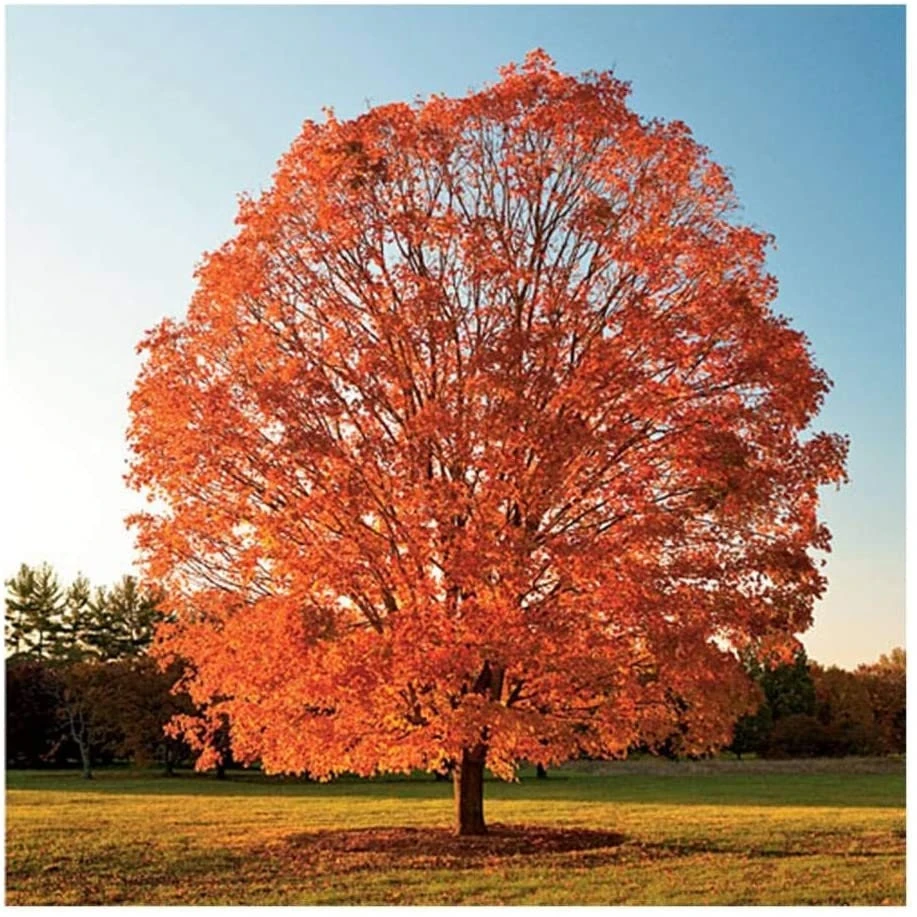
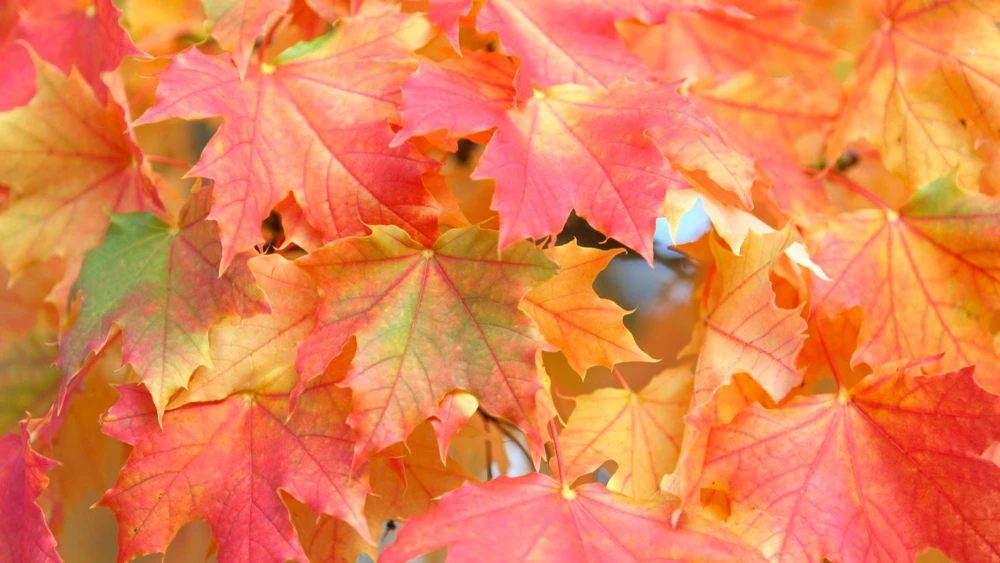
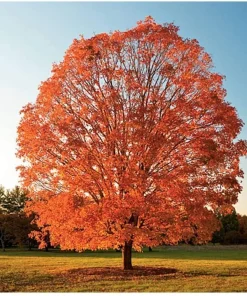
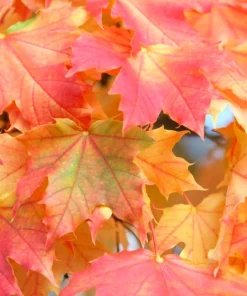
Bring home a magnificent sugar maple live plant in a 1-gallon pot. This Acer saccharum tree offers spectacular yellow, orange, and red fall foliage, making it a stunning addition to any yard or park. Growing 18-28″ tall, it’s perfect for creating a vibrant landscape.
Estimated arrival
Sep 20
Sep 25 - Sep 27
Sep 30 - Oct 04
Shop With Confidence
30-Day Plant Health Guarantee
Arrives damaged? We’ll replace it free — see our return policy.
Responsive Support
Email us anytime, we reply within 1 business day.
Expert Packaging
Temperature-controlled shipping to protect your plants in transit.
Secure Checkout
Pay safely with Visa, Mastercard, PayPal.
Plant Specifications
-
USDA Hardiness Zone
USDA Zones 3-8 -
Soil Type
Well-draining, fertile soil -
Sunlight Exposure
Full sun to partial shade -
Expected Planting Period
Spring to early fall
Overview
The sugar maple live plant, scientifically known as Acer saccharum, is a highly cherished tree across North America, celebrated for its striking beauty and practical value. This particular offering provides a robust sugar maple live plant in a 1-gallon trade pot, typically standing between 18-28 inches tall, ready to be transplanted into your garden or landscape. Renowned as one of America’s best-loved trees, the Sugar Maple is not only vital for its commercial production of maple syrup and high-quality lumber but also serves as an extraordinary ornamental addition to any outdoor space. Its most prominent feature is the breathtaking display of fall colors, transforming landscapes with brilliant shades of yellow, burnt orange, and deep red as the seasons change. This tree brings both aesthetic appeal and ecological benefits, making it an excellent choice for homeowners looking to invest in a long-lasting and visually impactful specimen. The Acer saccharum tree is a symbol of natural beauty and resilience, promising years of enjoyment.
Beyond its visual appeal, the sugar maple live plant contributes significantly to local ecosystems, providing shade, habitat for wildlife, and improving air quality. Its adaptability to various soil types and exposures, coupled with its impressive mature size, makes it a versatile choice for a wide range of planting projects. Whether you’re planning a large park or a more intimate backyard setting, a young sugar maple live plant offers the promise of a grand future. Its consistent growth and reliable seasonal changes make it a focal point in any garden design, ensuring a spectacular show year after year.
Key Benefits
Choosing a sugar maple live plant for your landscape offers a multitude of benefits, enhancing both the aesthetic and ecological value of your property. This iconic tree is a fantastic investment for any gardener.
- Spectacular Fall Foliage: The primary draw of the sugar maple live plant is its unparalleled autumn display. Witness a vibrant transformation as leaves turn brilliant shades of yellow, burnt orange, and fiery red, creating a stunning visual spectacle that elevates your garden’s seasonal appeal. This makes it a top choice for those seeking fall color trees.
- Robust & Hardy Growth: This tree is incredibly resilient, thriving in USDA Hardiness Zones 3-8. It adapts well to various climates and conditions, ensuring a strong and healthy specimen for many years.
- Significant Shade Provider: As it matures, the Acer saccharum tree develops a dense, broad canopy, offering ample shade for your home and garden. This can help reduce cooling costs in summer and create comfortable outdoor living spaces.
- Wildlife Habitat: Sugar Maples provide valuable food and shelter for a variety of local wildlife, including birds and squirrels, contributing to the biodiversity of your garden.
- Long-Term Investment: A well-cared-for sugar maple live plant can live for hundreds of years, becoming a lasting legacy and increasing property value.
- Versatile Landscape Use: Suitable for a range of settings, from urban parks to suburban yards, the Sugar Maple integrates beautifully into diverse landscape designs. It’s an excellent maple tree outdoor option.
- Environmental Contributions: Like all trees, it helps purify the air, produce oxygen, and stabilize soil, contributing positively to the environment.
Plant Care & Growing Tips
Caring for your sugar maple live plant is straightforward, and with the right conditions, it will flourish into a magnificent specimen. This tree is known for its adaptability, making it a relatively low-maintenance choice once established. For optimal growth, choose a planting site that receives full sun to partial shade; at least 6 hours of direct sunlight per day is ideal, especially for developing the most vibrant fall colors. While tolerant of various exposures, a location with morning sun and some afternoon shade can be beneficial in hotter climates to prevent leaf scorch. When planting your Acer saccharum tree, ensure the hole is twice as wide as the root ball and just as deep, allowing the root flare to be at or slightly above ground level.
Watering is crucial, especially during the first few growing seasons after planting. Keep the soil consistently moist but not waterlogged. Deep watering once or twice a week is generally better than frequent shallow watering, encouraging roots to grow deeper. Once established, the sugar maple live plant is moderately drought-tolerant but will benefit from supplemental watering during prolonged dry spells. The Sugar Maple thrives in well-draining, fertile soil with a slightly acidic to neutral pH. Avoid heavy clay soils that retain too much moisture, as this can lead to root rot. Amending the soil with compost or other organic matter at planting time can significantly improve soil structure and nutrient availability. Fertilize annually in early spring with a balanced, slow-release tree fertilizer formulated for deciduous trees. Spread the fertilizer evenly around the drip line of the tree and water it in thoroughly. Watch for common pests like aphids or borers, and address them promptly with appropriate organic or chemical treatments. Proper mulching around the base of the tree (keeping it away from the trunk) helps retain soil moisture, regulate temperature, and suppress weeds. Following these guidelines will help your maple tree outdoor thrive.
Size & Details
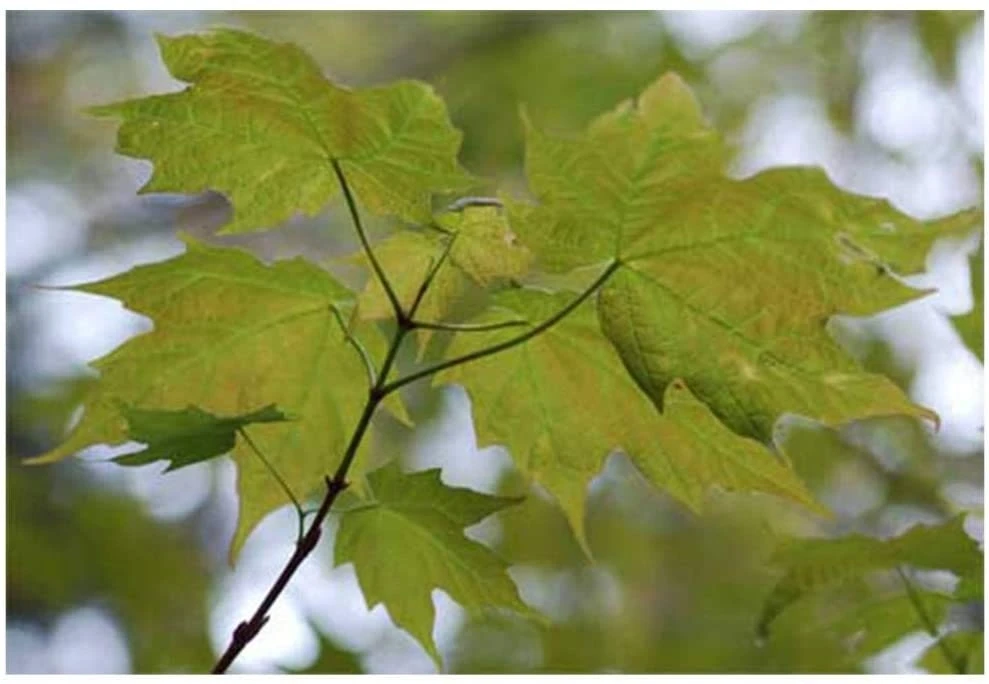
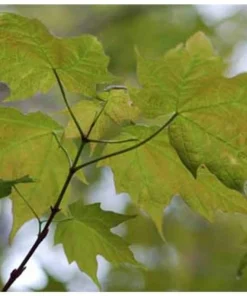
This offering is for a single sugar maple live plant, provided in a 1-gallon trade pot. Upon arrival, the tree will typically measure between 18-28 inches in height, offering a well-rooted and established specimen ready for transplanting. Sugar maples are known for their impressive mature size, eventually reaching heights of 60-70 feet with a spread of 40-50 feet. They are characterized by a medium to fast growth rate, adding significant height each year under ideal conditions. The robust root system ensures good stability and nutrient uptake, contributing to its longevity. This particular size is ideal for planting, allowing the tree to establish itself quickly in its new environment. The leaves are typically 3-5 lobed, turning brilliant shades of yellow, orange, and red in the fall, making them highly desirable fall color trees. Expect this tree to begin showcasing its vibrant autumn display within a few years of planting, with the intensity increasing as it matures.
Frequently Asked Questions
- Q: How big does this sugar maple live plant get? A: This sugar maple live plant is currently 18-28 inches tall in a 1-gallon pot. When mature, it can reach an impressive height of 60-70 feet with a spread of 40-50 feet, providing significant shade and beauty.
- Q: Is this an indoor or outdoor plant? A: The Acer saccharum tree is an outdoor plant, specifically a deciduous tree native to North America. It requires outdoor conditions to thrive and grow to its full potential.
- Q: How much sunlight does a sugar maple tree need? A: A sugar maple tree outdoor prefers full sun to partial shade, meaning it needs at least 6 hours of direct sunlight per day for optimal growth and the most vibrant fall colors.
- Q: Is this tree easy to care for? A: Yes, once established, the sugar maple live plant is considered relatively low-maintenance. It requires consistent watering during its initial years but becomes quite resilient to varying conditions.
- Q: What condition will the plant arrive in? A: Your sugar maple live plant will arrive well-packaged in a 1-gallon trade pot, with its root system intact and ready for planting. We take care to ensure safe transit.
- Q: When is the best time to plant a sugar maple? A: The best time to plant your sugar maple live plant is in early spring or early fall, allowing the tree to establish its root system before extreme weather conditions.
- Q: Will this maple tree survive winter in my zone? A: Yes, the Acer saccharum tree is very hardy and is suitable for USDA Hardiness Zones 3-8, meaning it can withstand cold winter temperatures in these regions.
- Q: What type of soil does the sugar maple prefer? A: The sugar maple live plant thrives in well-draining, fertile soil with a slightly acidic to neutral pH. It’s important to avoid heavy, waterlogged clay soils.
- Q: How long until it shows fall colors? A: Your young sugar maple live plant may start showing subtle fall colors within a few years, but the truly spectacular and vibrant display of yellows, oranges, and reds typically intensifies as the tree matures.
- Q: Can I get syrup from this sugar maple tree? A: While this is indeed a sugar maple tree outdoor, it will need to grow to a significant size and age (typically 30-40 years) before it can be tapped for syrup production. This young plant is primarily for ornamental landscaping.
Be the first to review “Sugar Maple Live Plant – Acer saccharum Tree – 1 Gallon Pot – 18-28″ Tall”
People Also Viewed
Flower Bulbs
Grass Seeds
Zenith Zoysia Grass Seeds – 12,000+ Seeds – 1 Ounce for Low-Maintenance Lawn – Outdoor Perennial
Reviews
There are no reviews yet.