


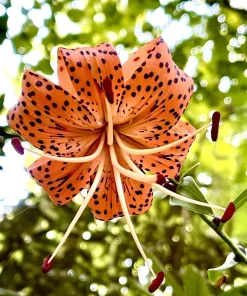
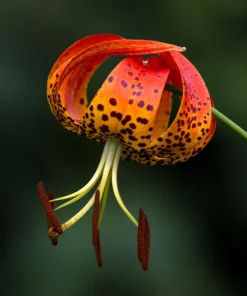
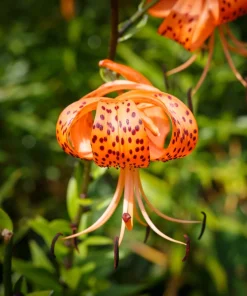
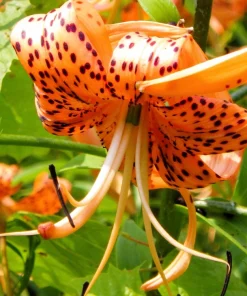
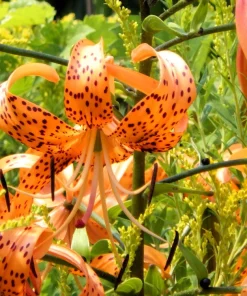
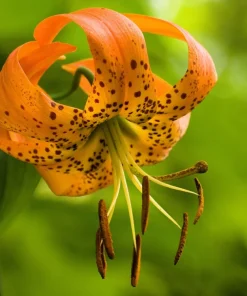
Orange Turk’s Cap Lily Seeds – Lilium Superbum Heirloom Perennial Flower, 20 Seeds
Original price was: $39.09.$19.09Current price is: $19.09.
Cultivate stunning Turk’s Cap Lily seeds (Lilium Superbum) for your garden. These orange lily flower seeds produce beautiful heirloom native perennial flowers that thrive in USDA Zones 4-9. Perfect for adding vibrant color and attracting pollinators to your outdoor space.
Estimated arrival
Sep 14
Sep 19 - Sep 21
Sep 24 - Sep 28
Shop With Confidence
30-Day Plant Health Guarantee
Arrives damaged? We’ll replace it free — see our return policy.
Responsive Support
Email us anytime, we reply within 1 business day.
Expert Packaging
Temperature-controlled shipping to protect your plants in transit.
Secure Checkout
Pay safely with Visa, Mastercard, PayPal.
Plant Specifications
-
USDA Hardiness Zone
4 - 9 -
Soil Type
Average, well-draining soil -
Sunlight Exposure
Full sun to part shade -
Expected Planting Period
Fall (after cold stratification)
Overview
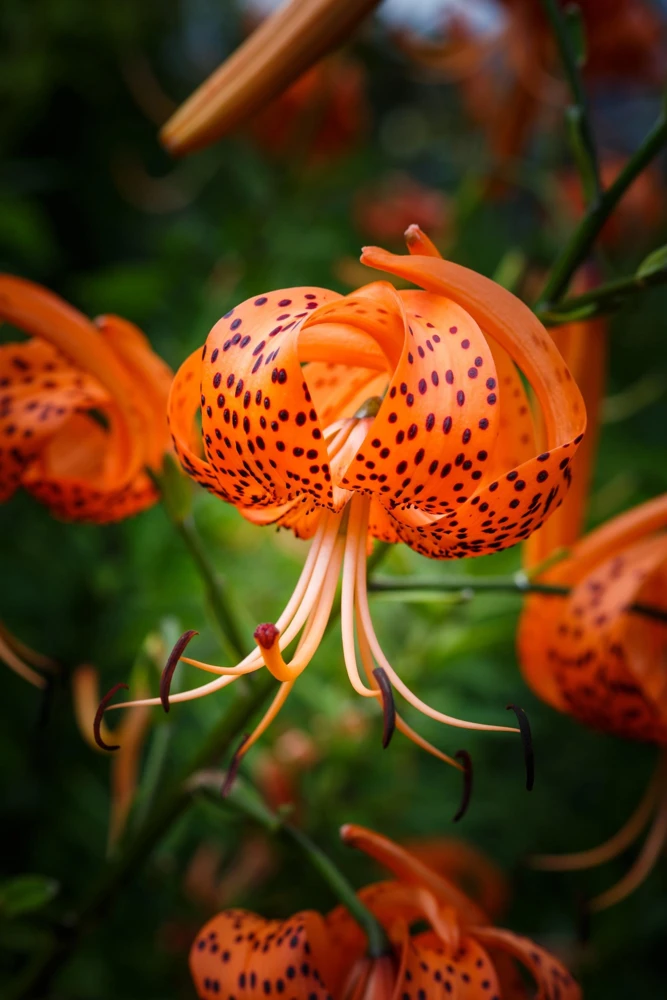
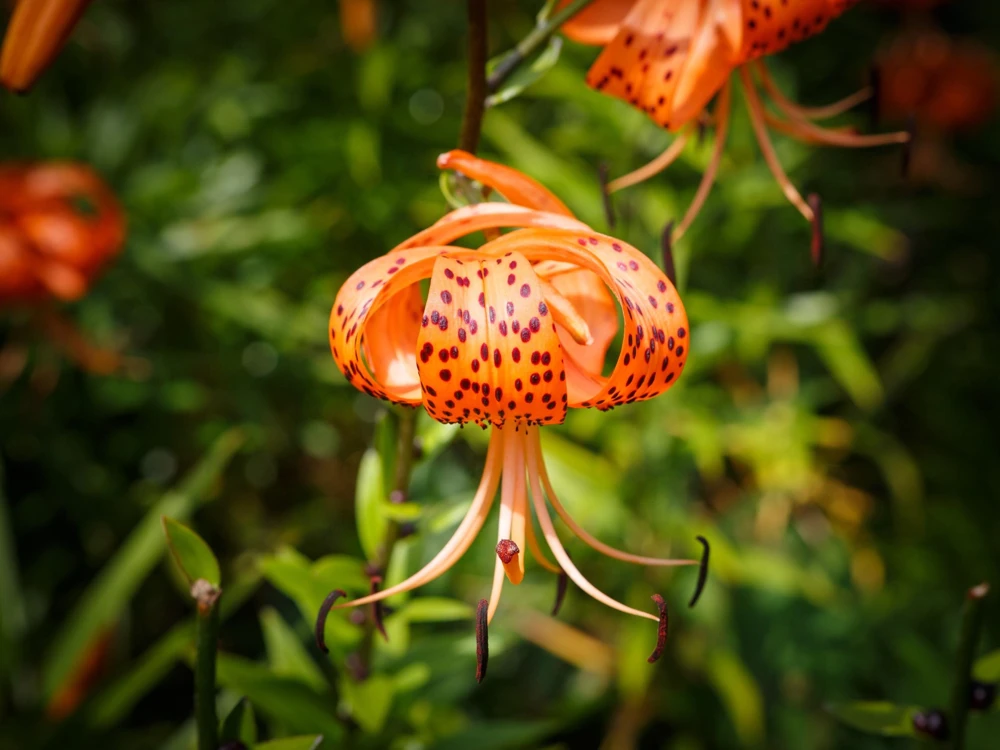
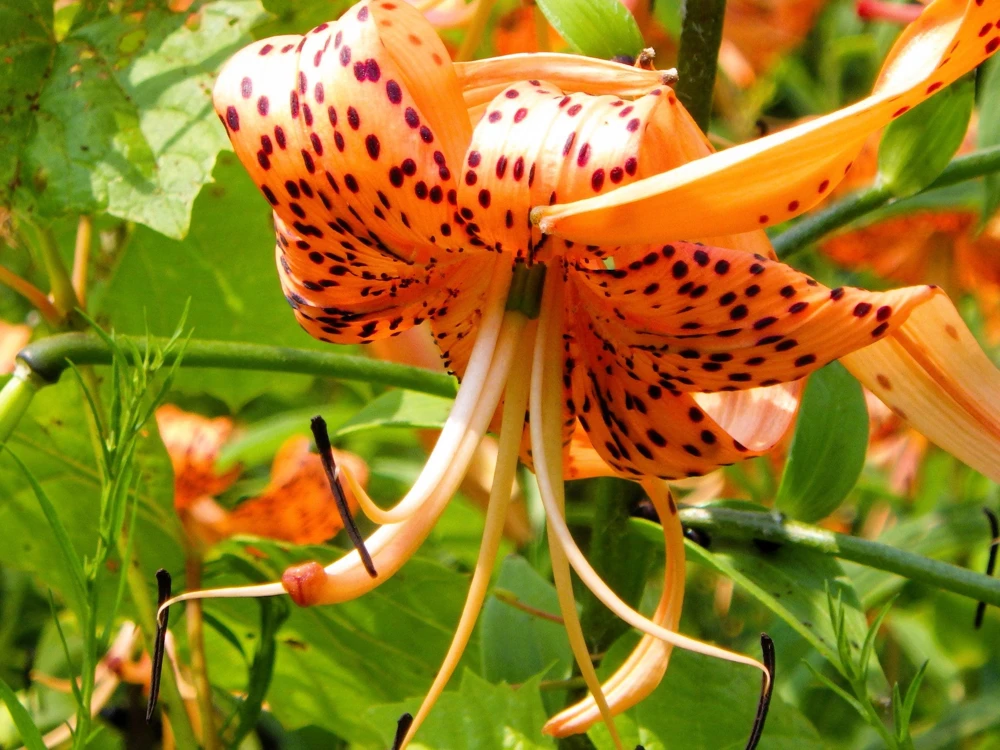
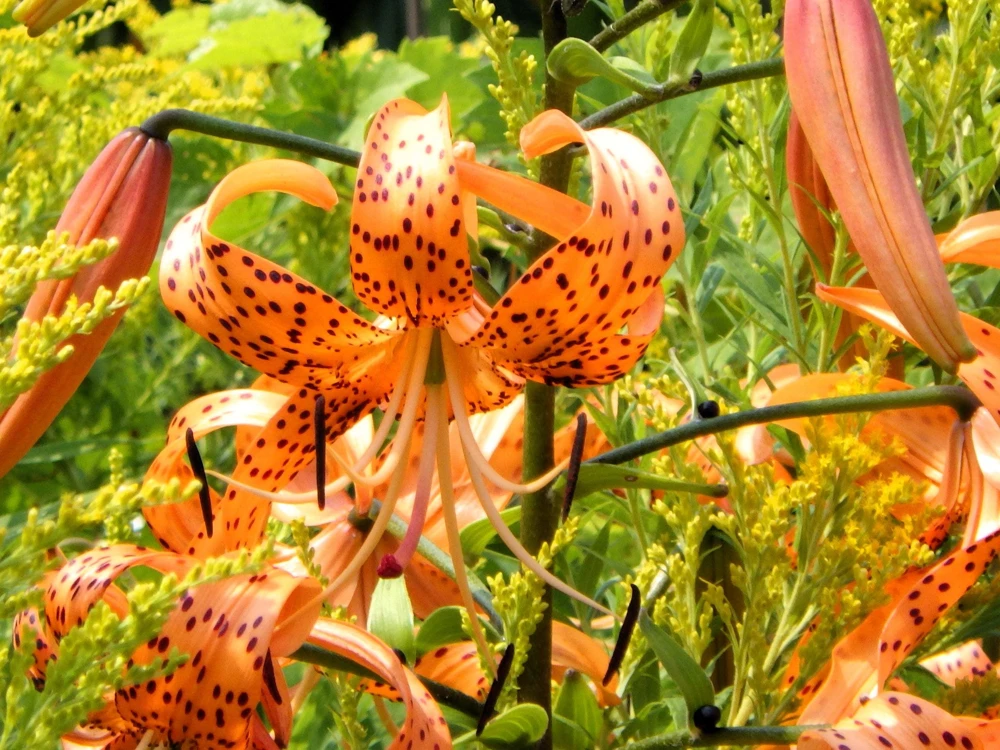
Embark on a rewarding gardening journey by planting Turk’s Cap Lily seeds. These exquisite seeds will grow into the magnificent Lilium Superbum, also known as the American Tiger Lily, Turban Lily, or Lily Royal. This heirloom native perennial boasts striking orange flowers, creating a dramatic focal point in any garden. Known for its unique turban-like blooms, the Turk’s Cap Lily is a true showstopper, offering beauty and a touch of wild elegance. With its robust nature and captivating appearance, the Turk’s Cap Lily seeds are an excellent choice for gardeners seeking to introduce vibrant, long-lasting color to their landscape. These Lilium Superbum seeds are carefully selected to ensure high germination rates and vigorous growth, allowing you to enjoy a spectacular display for years to come.
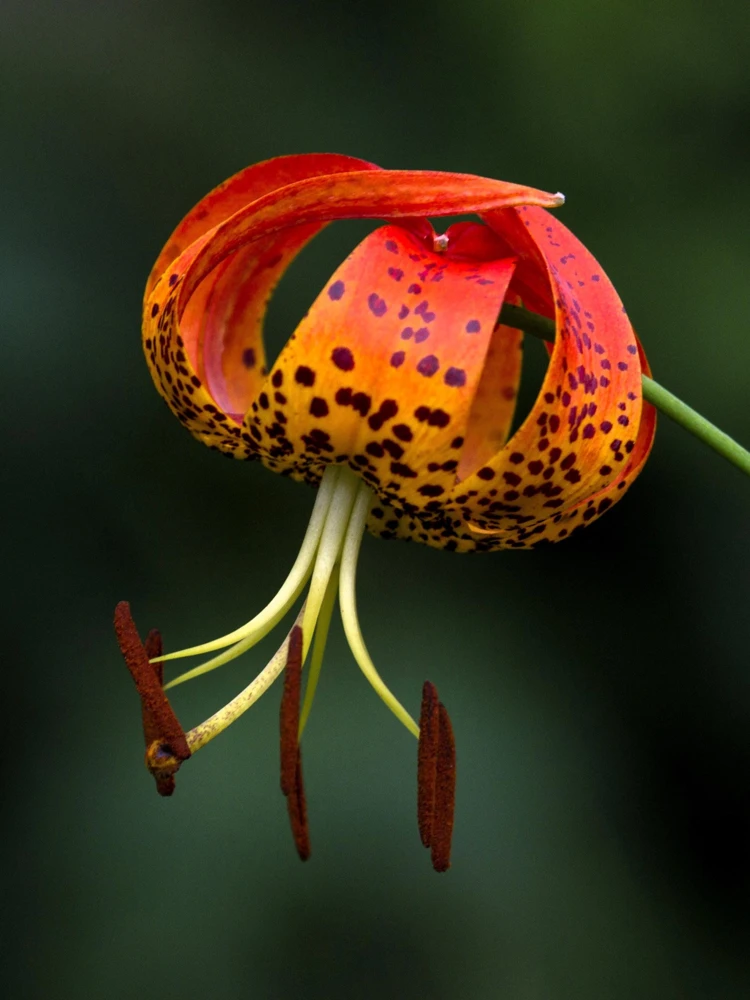
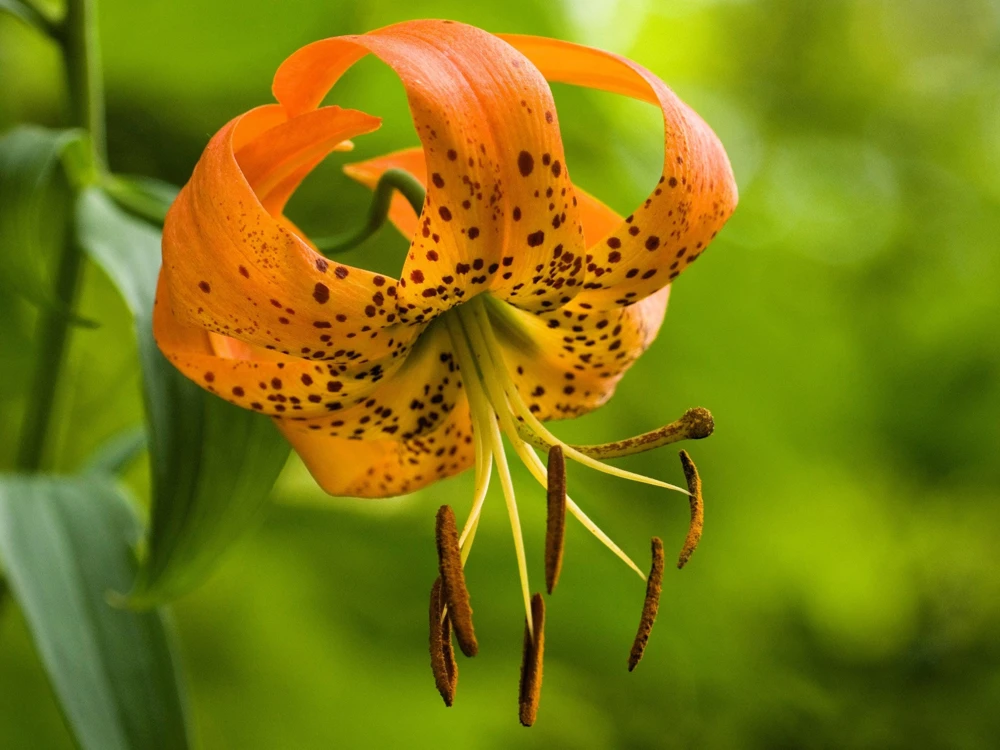
Originating from eastern North America, the Turk’s Cap Lily is a cherished native species that plays an important role in local ecosystems, attracting various pollinators. Its distinctive flowers, with petals that curve backward to resemble a turban, make it easily recognizable and highly admired. Growing these lilies from seed allows you to cultivate a hearty and resilient plant that will establish deep roots and flourish. Whether you’re an experienced gardener or just starting, planting orange lily flower seeds provides an opportunity to connect with nature and enjoy the beauty of these stunning perennials.
Key Benefits
Growing Turk’s Cap Lily seeds offers numerous advantages, transforming your garden into a haven of natural beauty and ecological activity. These benefits extend beyond their visual appeal, contributing to a healthier and more dynamic outdoor environment.
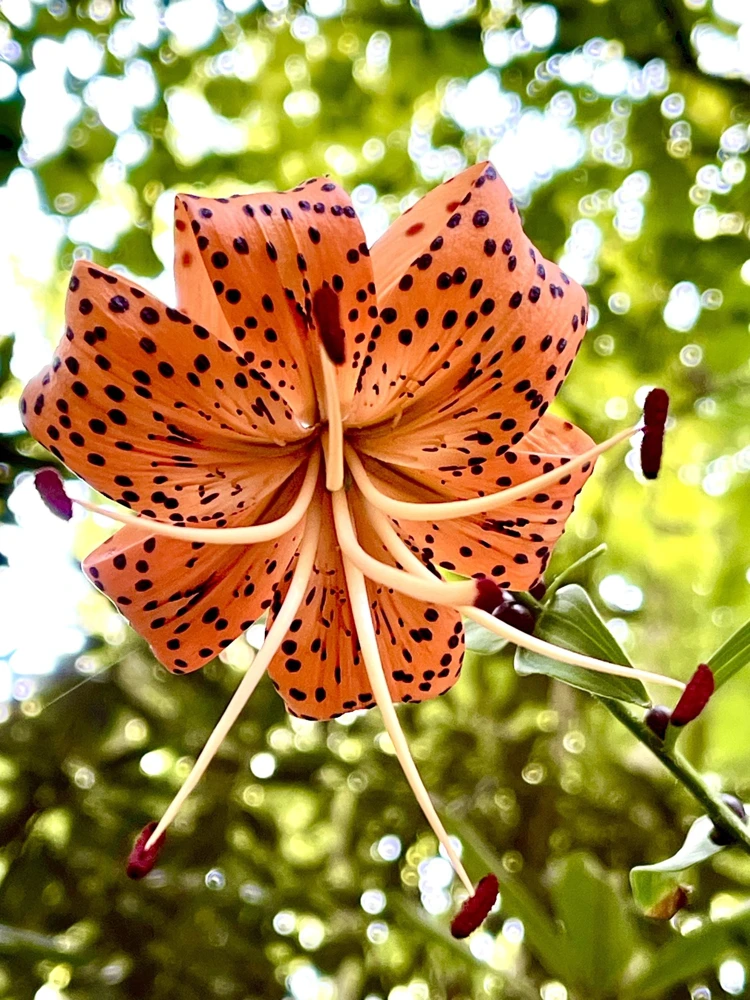
- Vibrant Floral Display: The Turk’s Cap Lily produces stunning 3-4 inch yellowish-orange to dark orange flowers, adorned with brownish-purple dots, creating a breathtaking visual spectacle in your garden. These eye-catching blooms are sure to draw admiration.
- Attracts Pollinators: As a native perennial, Lilium Superbum is a magnet for hummingbirds, butterflies, and other beneficial pollinators, contributing to the biodiversity and health of your garden ecosystem. Planting native lily seeds supports local wildlife.
- Heirloom & Native Status: Cultivating this heirloom native plant means preserving a piece of natural heritage and enjoying a species that is well-adapted to local conditions, requiring less intervention once established.
- Long Bloom Period: Enjoy the beauty of these lilies from early to mid-summer, providing continuous color and interest when many other plants are past their peak.
- Low Maintenance Perennial: Once established, the Turk’s Cap Lily is relatively low-maintenance, returning year after year with minimal fuss, making it ideal for busy gardeners.
- Versatile Garden Use: Perfect for woodland gardens, perennial borders, naturalized areas, or as a striking accent plant. These Lilium Superbum seeds offer flexibility in garden design.
- Disease Resistant: These native lilies are generally robust and resistant to many common pests and diseases, ensuring a healthier plant with less effort.
Plant Care & Growing Tips
Cultivating Turk’s Cap Lily seeds requires a bit of patience, but the results are well worth the effort. These glorious perennials thrive with proper care and attention to their specific needs. To ensure successful germination, the seeds require cold stratification for 2-3 months. This mimics natural winter conditions and prepares the seeds for sprouting. Plant the stratified Turk’s Cap Lily seeds in the fall, allowing them to establish roots before the next growing season. They prefer a location that receives full sun to part shade, ideally with morning sun and some afternoon protection in hotter climates. Adequate sunlight is crucial for robust growth and abundant flowering.
For soil, these lilies are not overly particular but thrive in average, well-draining soil. Avoid heavy, waterlogged conditions, which can lead to bulb rot. Consistent moisture is important, especially during dry spells, but ensure the soil is never soggy. A good layer of mulch can help retain soil moisture and regulate soil temperature. Fertilize sparingly with a balanced, slow-release fertilizer in early spring. The Turk’s Cap Lily is hardy in USDA zones 4-9, making it suitable for a wide range of climates. Protect young plants from slugs and snails, and ensure good air circulation to prevent fungal issues. With these growing tips, your orange lily flower seeds will transform into magnificent, towering blooms.
Size & Details
These Turk’s Cap Lily seeds will grow into impressive plants, typically reaching a height of 48 to 72 inches (4 to 6 feet) once mature. The plant spacing should be approximately 18 to 24 inches apart to allow for proper air circulation and growth. Each packet contains 20 high-quality Lilium Superbum seeds, providing a good starting quantity for your garden project. The individual flowers are quite substantial, measuring 3 to 4 inches across, showcasing their vibrant yellowish-orange to dark orange hues. Expect these stunning lilies to bloom from early to mid-summer, offering a cheerful display for several weeks.
The seeds are shipped in a protective packet, ready for fall planting after their cold stratification period. While initial growth from seed can be slow, these plants are long-lived perennials that will establish themselves over time, becoming more robust and prolific with each passing year. The mature height and spread make them excellent candidates for the back of a border or for naturalizing in a meadow garden, where their towering presence can truly shine. These native lily seeds promise a rewarding long-term investment in your garden’s beauty.
Frequently Asked Questions
- Q: How big does this plant get? A: The Turk’s Cap Lily typically reaches an impressive height of 48 to 72 inches (4 to 6 feet) tall, creating a dramatic vertical accent in your garden. Its substantial size makes it a prominent feature in any landscape.
- Q: Is this an indoor or outdoor plant? A: The Turk’s Cap Lily is an outdoor perennial plant, best suited for garden beds, borders, or naturalized areas. It thrives in various outdoor conditions within its hardiness zones.
- Q: How much sunlight does it need? A: This lily prefers a location with full sun to part shade. Ideally, it should receive at least 6 hours of direct sunlight daily, but can benefit from some afternoon shade in hotter climates to prevent scorching.
- Q: Is this plant easy to care for? A: Once established, the Turk’s Cap Lily is considered relatively low-maintenance, making it a good choice for both experienced and novice gardeners. It requires average soil and consistent moisture.
- Q: What condition will the Turk’s Cap Lily seeds arrive in? A: The seeds will arrive in a protective packet, ensuring their viability for planting. They are ready for cold stratification and subsequent planting.
- Q: When is the best time to plant Lilium Superbum seeds? A: After cold stratification for 2-3 months, the ideal time to plant these orange lily flower seeds is in the fall. This allows the seeds to germinate naturally and establish roots before spring.
- Q: Will it survive winter in my zone? A: The Turk’s Cap Lily is hardy in USDA Zones 4-9, meaning it can withstand winter temperatures in these regions and will return year after year. Protection may be needed in the colder end of its range.
- Q: How long until it blooms? A: While growing from seed requires patience, these lilies typically begin to bloom in early to mid-summer once established. It may take a couple of years for the plant to reach its full flowering potential from seed.
- Q: What is the ideal soil for these native lily seeds? A: Turk’s Cap Lilies prefer average, well-draining soil. They are adaptable but will not tolerate consistently waterlogged conditions, which can lead to rot.
- Q: Do these lilies attract any specific wildlife? A: Yes, as a native species, the Turk’s Cap Lily is known to attract hummingbirds and various butterflies, making it an excellent addition for a pollinator-friendly garden.
Be the first to review “Orange Turk’s Cap Lily Seeds – Lilium Superbum Heirloom Perennial Flower, 20 Seeds”
People Also Viewed
Flower Seeds
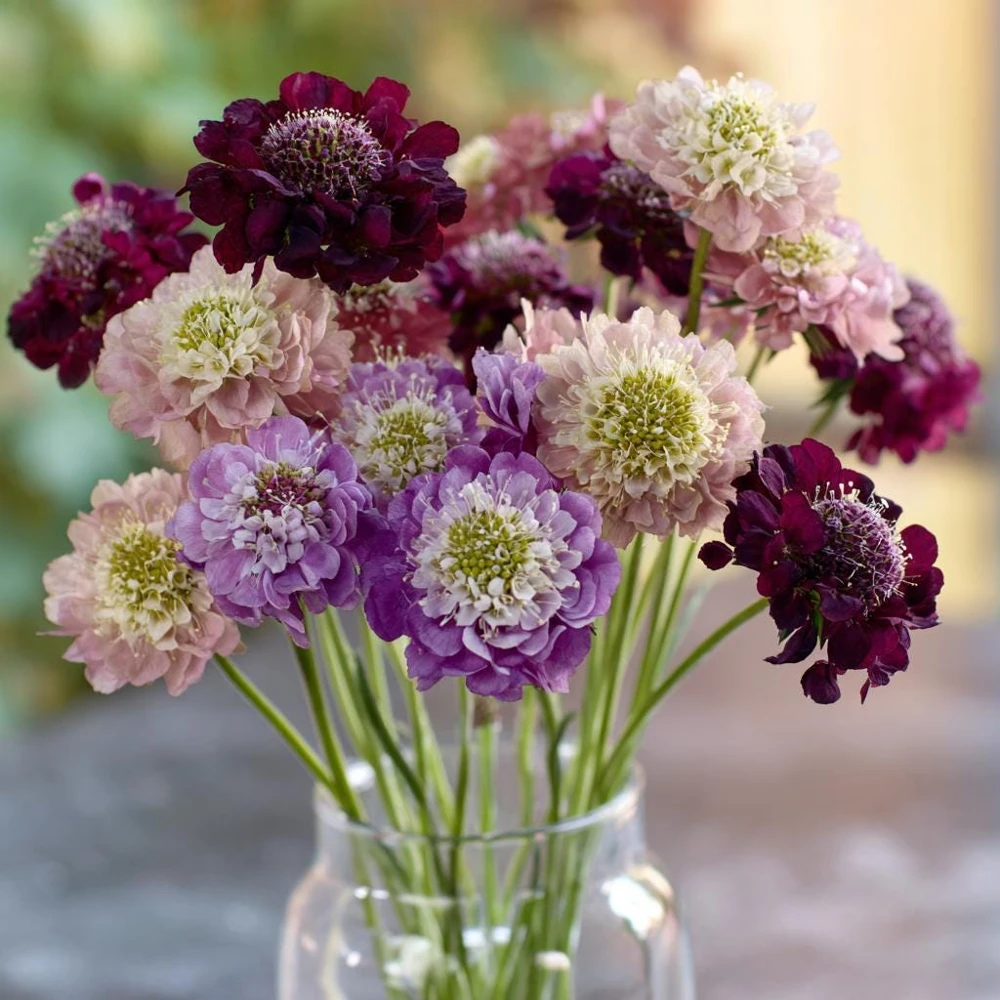
Imperial Pincushion Flower Seeds – 50 Heirloom Scabiosa atropurpurea for Gardens & Cut Flowers

Reviews
There are no reviews yet.