
Jojoba Seeds – Simmondsia Chinensis Shrub Seeds – 5 Count – Evergreen – Outdoor
Original price was: $36.99.$16.99Current price is: $16.99.
Cultivate the versatile jojoba seeds (Simmondsia Chinensis) in your garden. This pack contains 5 seeds to grow drought-tolerant evergreen shrubs known for their oil-rich nuts and attractive foliage, ideal for arid landscapes and various uses.
Estimated arrival
Sep 14
Sep 19 - Sep 21
Sep 24 - Sep 28
Shop With Confidence
30-Day Plant Health Guarantee
Arrives damaged? We’ll replace it free — see our return policy.
Responsive Support
Email us anytime, we reply within 1 business day.
Expert Packaging
Temperature-controlled shipping to protect your plants in transit.
Secure Checkout
Pay safely with Visa, Mastercard, PayPal.
Plant Specifications
-
USDA Hardiness Zone
8-12 -
Soil Type
Average to dry, well-draining soil -
Sunlight Exposure
Full Sun -
Expected Planting Period
When soil temp warms to 70F
Overview
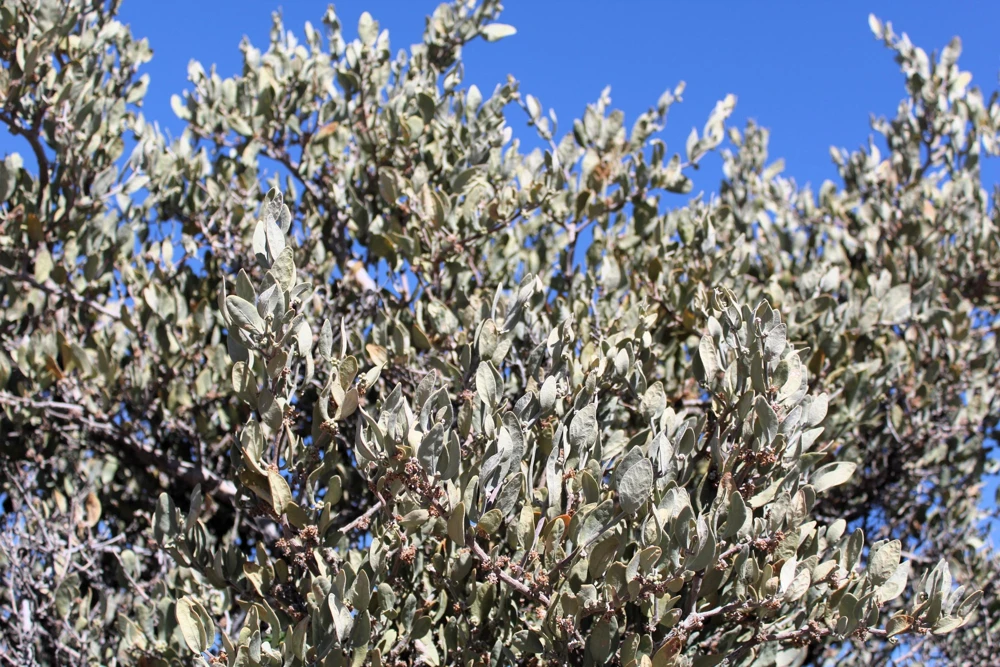
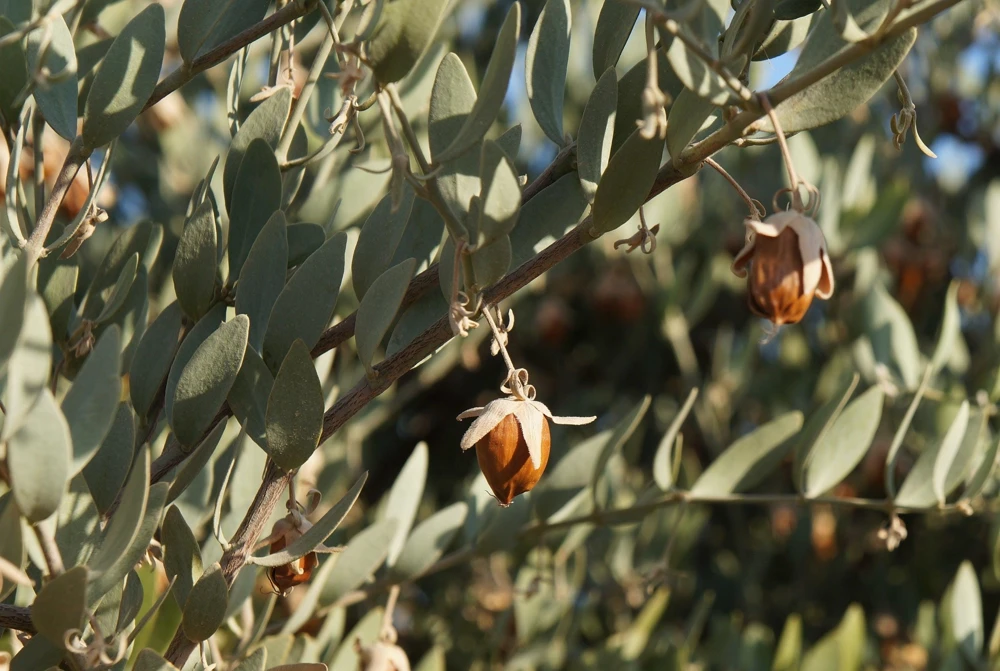
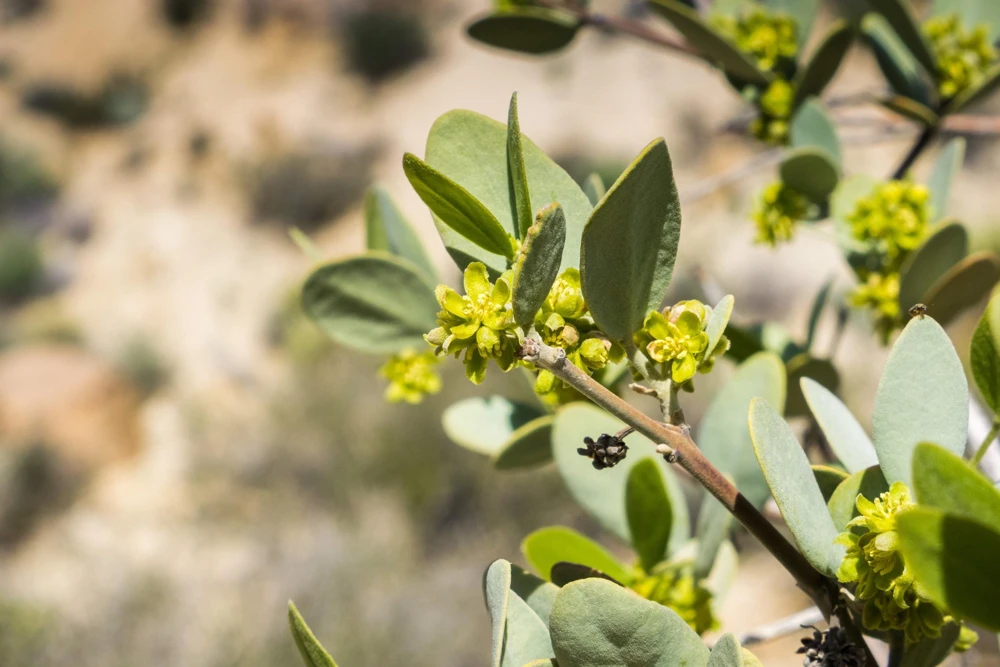
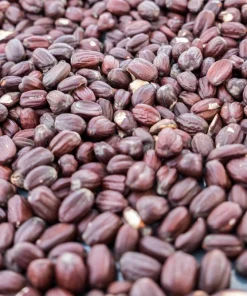
Embark on a rewarding gardening journey with our premium jojoba seeds. These simmondsia chinensis seeds allow you to grow the remarkable jojoba shrub, an evergreen plant native to the arid regions of Southwestern North America. Renowned for its valuable oil-producing nuts, the jojoba (Simmondsia Chinensis) is not only commercially significant but also makes an attractive and resilient addition to home landscapes. Each seed holds the potential to develop into a robust shrub, offering unique aesthetic appeal with its grayish-silver, waxy leaves and contributing to a sustainable ecosystem. This pack of 5 seeds provides a great start for cultivating these fascinating plants that adapt well to challenging environments.
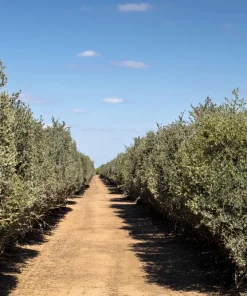
The jojoba shrub seeds are an excellent choice for gardeners interested in xeriscaping or those living in dry climates. These plants are celebrated for their ability to thrive with minimal water once established, making them a low-maintenance option for sustainable gardening. Beyond their practical value, jojoba plants offer unique visual interest, blending seamlessly into desert and semi-desert garden designs. Growing jojoba from seed is a fulfilling experience, connecting you directly with nature’s resilience and resourcefulness.
Key Benefits
Growing jojoba from seeds offers a multitude of benefits, from enhancing your garden’s biodiversity to providing a source of valuable resources. These shrubs are incredibly adaptable and can thrive where many other plants struggle.
- Drought Tolerance & Low Maintenance: Once established, jojoba seeds grow into shrubs that are exceptionally drought-tolerant, requiring minimal water. This makes them an ideal choice for water-wise gardening and reduces the need for frequent irrigation, saving both time and resources. They thrive in arid conditions, making them perfect for xeriscaping projects.
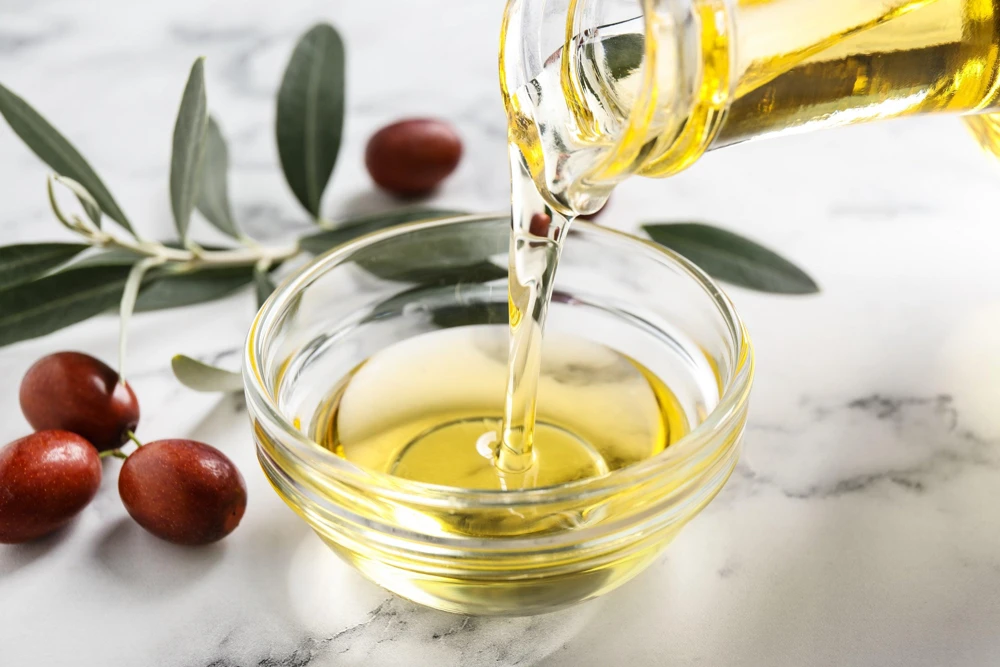
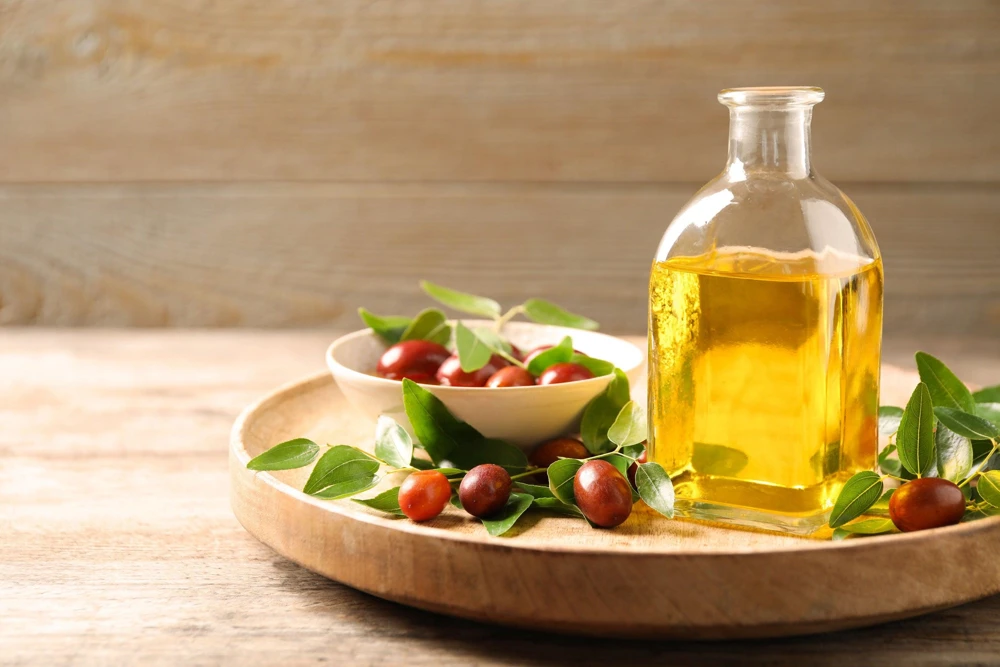
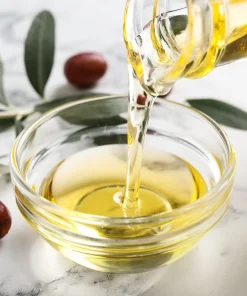
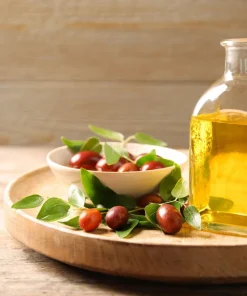
- Valuable Oil Production: Jojoba nuts are famous for producing a high-quality, odorless oil used extensively in cosmetics, skin care products, and pharmaceuticals. Cultivating these shrubs allows you to grow a plant with significant commercial and personal utility, offering a sustainable source of this versatile oil.
- Wildlife Attraction: The nuts produced by the jojoba shrub are a food source for local wildlife, including squirrels, rabbits, and large birds. The foliage also provides browse for deer, bighorn sheep, and livestock, contributing to the local ecosystem and supporting biodiversity in your garden.
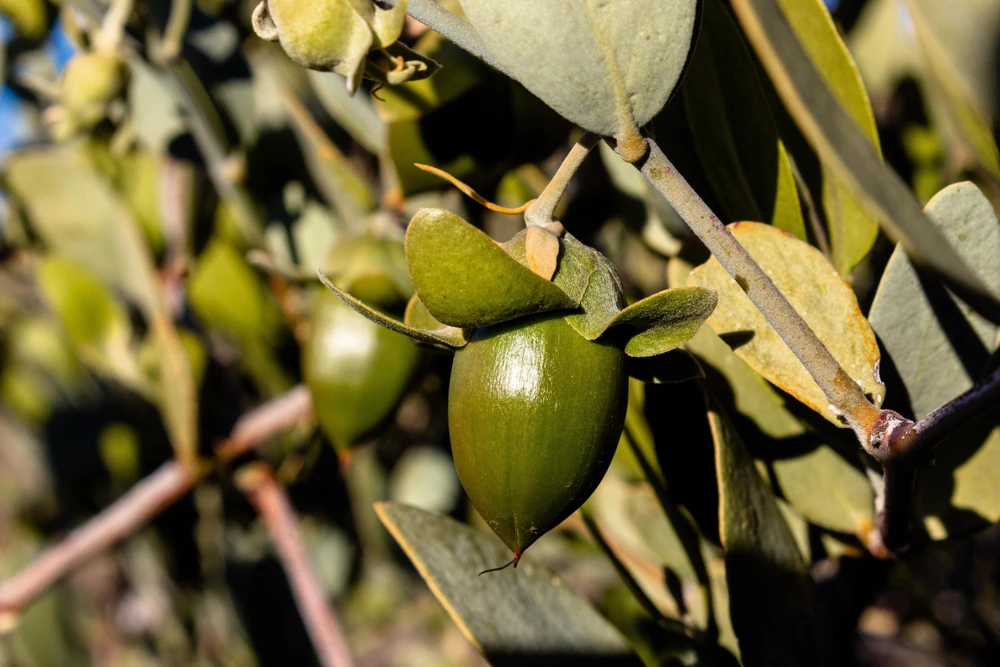
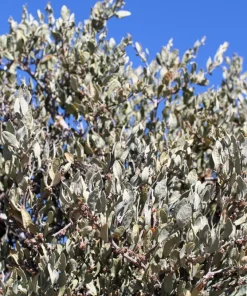
- Evergreen Foliage: The jojoba shrub features attractive, waxy, grayish-silver evergreen leaves that provide year-round visual interest. Its unique appearance adds texture and color to the landscape, especially in regions where many plants lose their leaves seasonally.
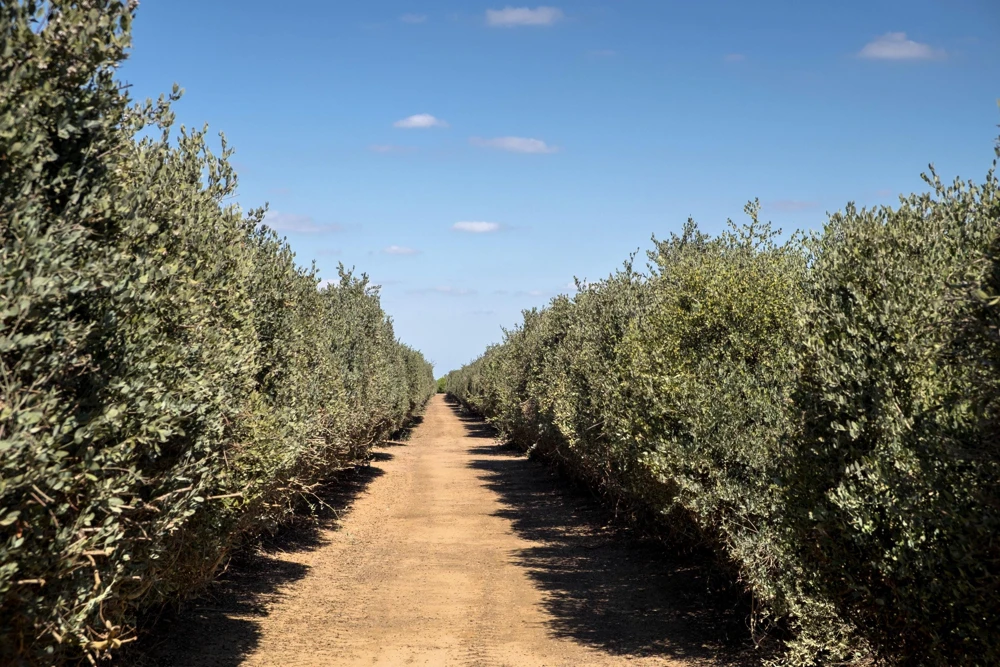
- Soil Stabilization: As a hardy shrub, jojoba can help stabilize soil in sandy or arid areas, preventing erosion. Its deep root system helps anchor the soil, making it beneficial for land reclamation and maintaining healthy garden beds in challenging environments.
- Adaptability: These plants are highly adaptable to various soil conditions, preferring average to dry soils. This resilience makes them a forgiving plant for gardeners, especially those new to growing desert-adapted species or those looking for robust options.
- Unique Growth Habit: The jojoba shrub seeds mature into plants with a distinctive growth habit, reaching 3-6 feet in height and 3-5 feet in spacing. Their natural form adds character to garden designs and can be used as a standalone specimen or as part of a larger landscape.
Plant Care & Growing Tips
Successfully growing jojoba from seed requires attention to specific environmental conditions, particularly regarding soil temperature and light. To ensure proper germination, sow your jojoba seeds when the soil temperature consistently warms to at least 70°F (21°C). This typically occurs in late spring or early summer, but can vary by region. Jojoba thrives in full sun, requiring at least 6-8 hours of direct sunlight daily to promote healthy growth and fruit production. Ensure they are planted in a location that receives ample light throughout the day, as shaded conditions can hinder their development.
For soil and water preferences, jojoba plants are highly adapted to arid and semi-arid conditions. They prefer average to dry soil, requiring excellent drainage to prevent root rot. Sandy or rocky soils are ideal, mimicking their natural desert habitat. Avoid heavy, clay-rich soils that retain too much moisture. Once established, jojoba is very drought-tolerant and needs minimal watering. During the initial growth phase, water regularly but sparingly, allowing the soil to dry out completely between waterings. Overwatering is a common mistake and can be detrimental to young plants.
Jojoba is hardy in USDA Zones 8-12, indicating its preference for warmer climates. While mature plants can tolerate some frost, young seedlings are more vulnerable. Protect new plants from extreme cold spells. Fertilization is generally not heavily required for jojoba, especially in nutrient-poor desert soils where they naturally thrive. If desired, a light application of a balanced, slow-release fertilizer can be used during the growing season, but avoid over-fertilizing. Pests and diseases are rarely an issue for jojoba, thanks to its robust nature. Ensure good air circulation and avoid excessive humidity to prevent fungal problems. When you grow jojoba, remember that both male and female plants are needed for fruit production, so planting multiple seeds increases your chances of having both sexes and therefore, nuts.
Size & Details
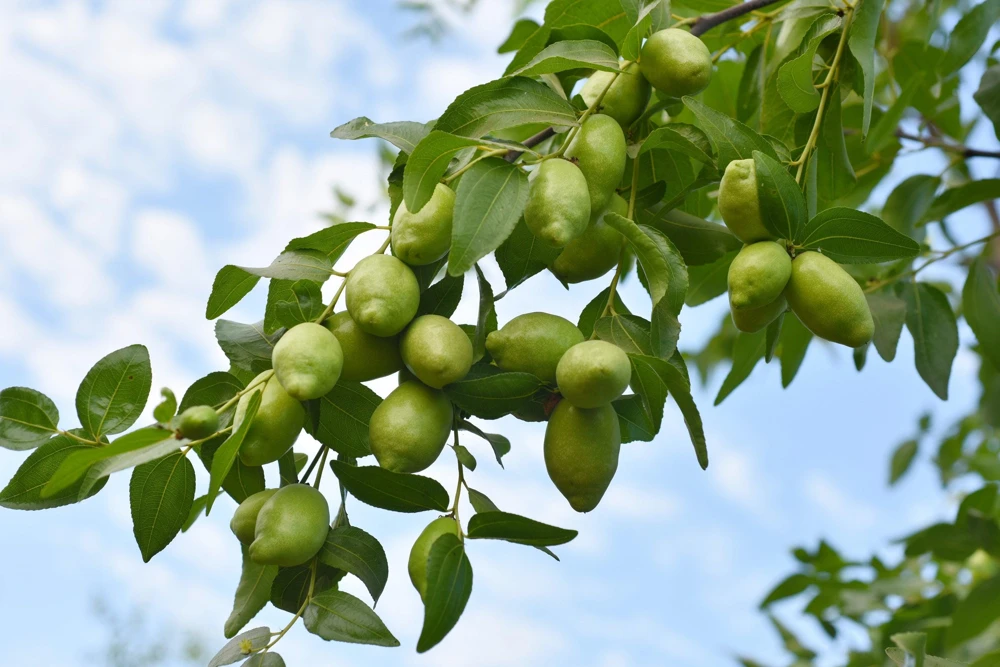
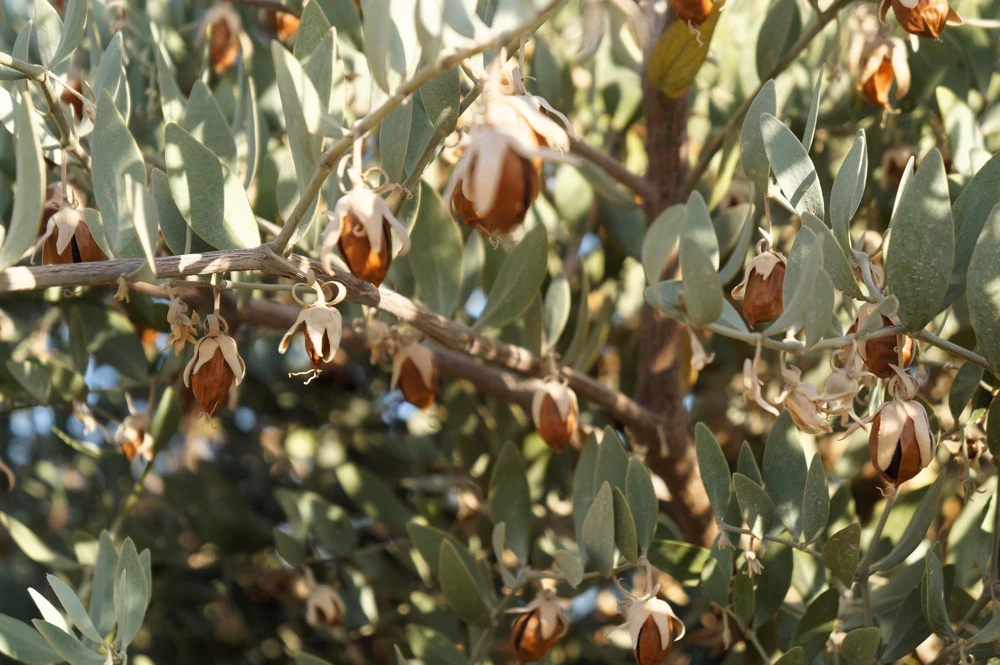
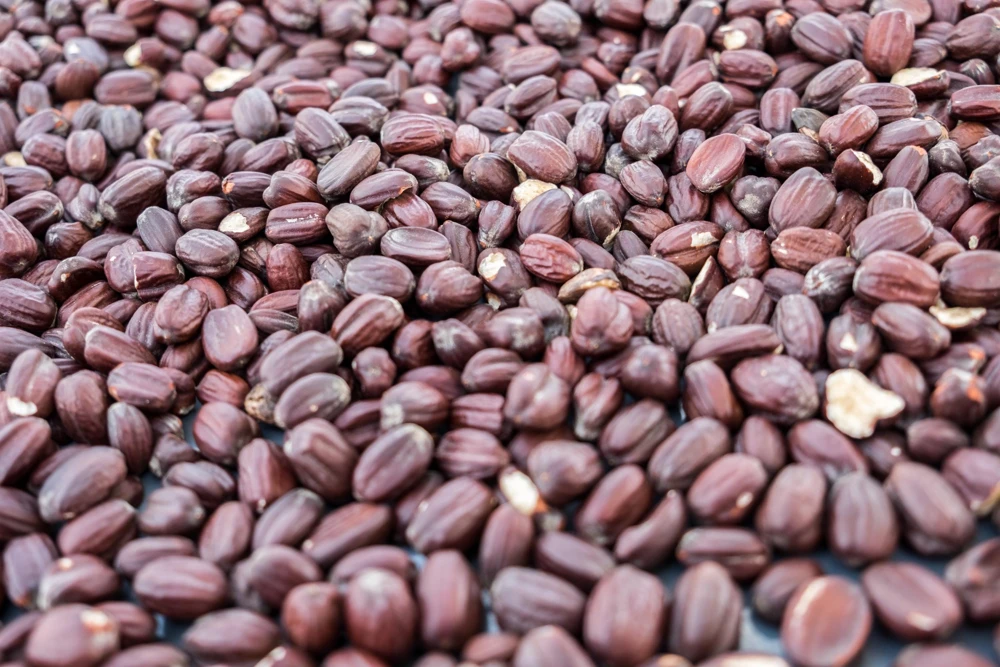
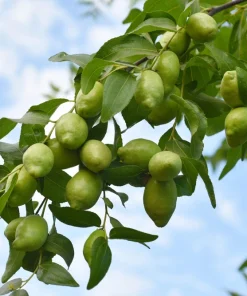
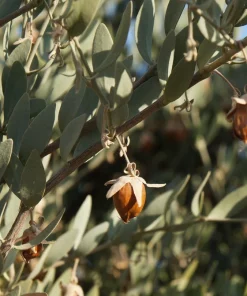
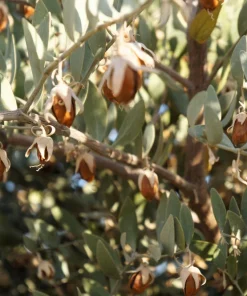
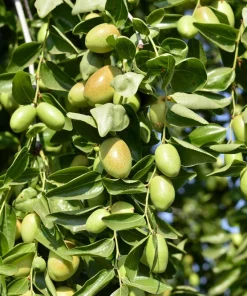
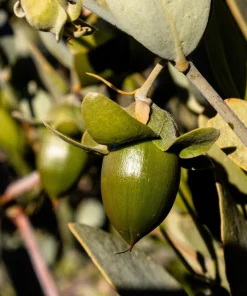
This package contains 5 Jojoba seeds (Simmondsia Chinensis), ready for planting. The seeds are harvested when they naturally fall from the bush, ensuring optimal ripeness and viability. Upon successful germination, these seeds will develop into evergreen shrubs that typically reach a mature height of 3 to 6 feet, with a spread of 3 to 5 feet. The growth rate is moderate, and plants will begin to produce their characteristic 1/2 to 3/4 inch oval, acorn-like fruits (nuts) once they are established and have both male and female plants for pollination. The nuts contain nearly 50% oil, a highly sought-after commodity.
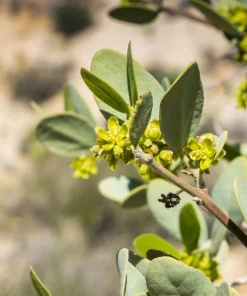
Jojoba plants bloom between March and May, with the harvest period varying depending on local climate and growing conditions. The plant’s yellowish-green flowers are subtle but lead to the valuable fruit. These shrubs are long-lived and will provide many years of attractive foliage and beneficial nuts once mature. The form they ship in is a small packet containing the dried seeds, ready for you to start your cultivation. The hardiness zone for jojoba is generally 8-12, making it suitable for a wide range of warm climates. Understanding jojoba plant care will ensure the best growth for your shrubs.
Frequently Asked Questions
- Q: How many jojoba seeds are included in this pack? A: This pack contains 5 individual jojoba seeds, providing a good quantity to start your cultivation and increase the likelihood of establishing both male and female plants for fruit production.
- Q: What is the optimal soil temperature for planting these seeds? A: For best germination, the seeds should be planted when the soil temperature consistently warms to 70°F (21°C). This ensures the ideal conditions for the seeds to sprout successfully.
- Q: How tall do jojoba shrubs typically grow? A: Jojoba shrubs grown from these simmondsia chinensis seeds typically reach a height of 3 to 6 feet, with a spread of 3 to 5 feet, creating a moderately sized evergreen plant in your landscape.
- Q: Are these plants suitable for indoor growing? A: While young seedlings can be started indoors, jojoba shrubs are best suited for outdoor cultivation due to their size and need for full sun. They thrive in arid, desert-like conditions.
- Q: How much sunlight does a jojoba plant need? A: Jojoba plants require full sun, meaning at least 6-8 hours of direct sunlight per day, to ensure healthy growth and optimal nut production.
- Q: Is this plant easy to care for? A: Yes, once established, jojoba is considered a low-maintenance plant, especially in appropriate climates. Its drought tolerance and minimal pest issues make jojoba plant care relatively straightforward.
- Q: What kind of soil does jojoba prefer? A: Jojoba prefers average to dry, well-draining soil. It thrives in sandy or rocky conditions and does not tolerate heavy, water-retentive clay soils.
- Q: How long does it take for jojoba to produce nuts? A: Jojoba shrubs typically begin producing nuts once they are several years old and well-established. You will also need both male and female plants for pollination.
- Q: When is the best time to plant jojoba seeds? A: The best time to plant is when the soil temperature is reliably warm, usually in late spring or early summer, to allow for optimal germination and initial growth.
- Q: What are the main uses for the nuts produced by the jojoba shrub? A: The nuts from the jojoba shrub seeds are primarily known for producing jojoba oil, which is widely used in cosmetics, skin care products, pharmaceuticals, and even as a cooking oil or lubricant.
Be the first to review “Jojoba Seeds – Simmondsia Chinensis Shrub Seeds – 5 Count – Evergreen – Outdoor”
People Also Viewed
Shrubs
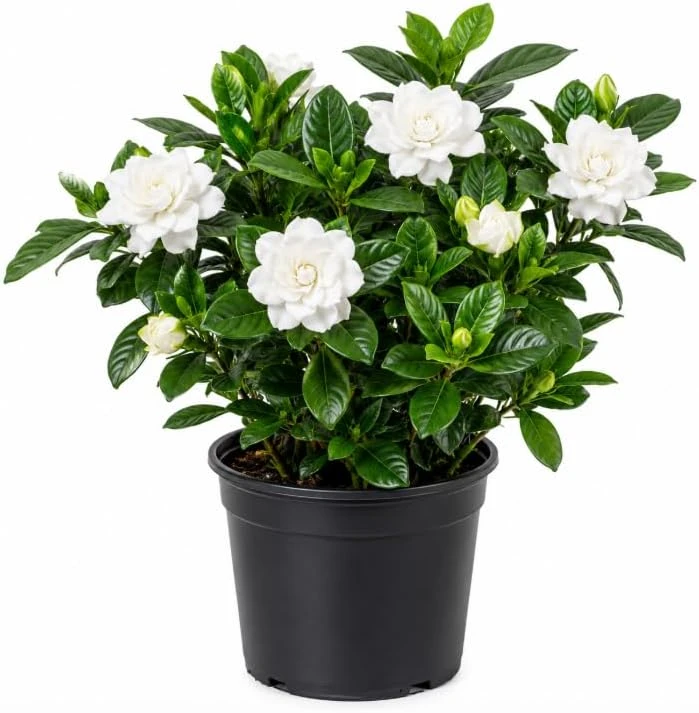
Double White Gardenia Live Plant 8-10 Inch Tall in 6 Inch Pot – Fragrant Outdoor Flowering Shrub
Herbs
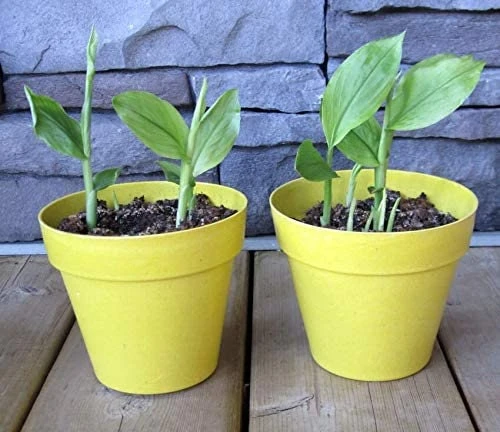
Organic Yellow Turmeric Live Plant – 2 Rhizomes, Curcumin Longa, 4-6 inch Tall, Indoor/Outdoor
Reviews
There are no reviews yet.